
Main Courses
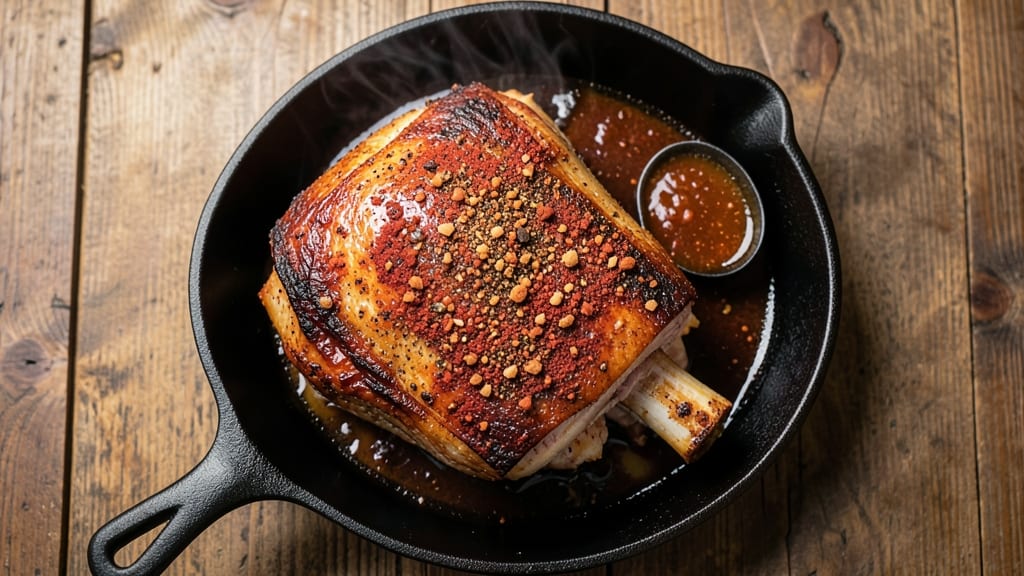
Alton Brown's pork shoulder recipe transforms a tough cut into melt-in-your-mouth perfection through precise technique and patience—exactly what I perfected during my apprenticeship under Master Chef Chen.
The key lies in slow cooking until the meat falls apart, then finishing with a crispy bark that seals in all that juicy goodness. Growing up in small-town Georgia, I learned pork shoulder deserves respect, and this method delivers results that rival any Southern pitmaster's.
What sets this recipe apart is the balance of time and temperature control, ensuring tender meat without drying it out. A simple seasoning blend of salt, pepper, and brown sugar creates the perfect foundation, while the slow cook transforms tough fibers into silky, flavorful strands.
The final crispy exterior happens through careful basting—no shortcuts here, just restaurant-quality results at home.
By the time you're done, you'll have pork shoulder so tender it practically dissolves on your tongue, with a crispy exterior that adds texture and depth. This is the kind of dish that feeds a crowd, impresses guests, and makes you look like a pitmaster in your own kitchen.
Serve with classic sides like mashed potatoes or coleslaw for the full experience.
Ready to master this technique? Let's get started with the step-by-step method that guarantees perfect results every time—just like Alton Brown would approve. The secret is in the details, and I'll walk you through each one to ensure success.
Ingredients for alton brown pork shoulder
This pork shoulder recipe transforms tough cuts into melt-in-your-mouth perfection with patience and technique.
| Ingredient | Amount | Notes |
|---|---|---|
| Pork Shoulder (Bone-In, Skin-On) 🐷 | 6 lb | Center-cut for even cooking |
| Kosher Salt 🧂 | 2 tbsp | Fine grain preferred |
| Black Pepper (Freshly Ground) 🌶️ | 1 ½ tbsp | Coarse grind for texture |
| Brown Sugar 🍚 | 1 cup | Light or dark variety |
| Garlic Powder 🧄 | 1 tbsp | Not garlic salt |
| Onion Powder 🧅 | 1 tbsp | Fresh ground preferred |
| Smoked Paprika 🌶️ | 1 tbsp | For depth of flavor |
| Apple Cider Vinegar 🍎 | ½ cup | For tenderizing |
| Unsalted Butter 🧈 | ½ cup | Full-fat for richness |
| Beef or Chicken Broth 🥄 | 2 cups | Low-sodium preferred |
| Fresh Rosemary 🌿 | ¼ cup | Chopped, for aroma |
| Fresh Thyme 🌿 | ¼ cup | Stems removed, chopped |
| Dijon Mustard 🍯 | 1 tbsp | For tangy glaze |
| Honey 🍯 | 2 tbsp | For caramelization |
The pork shoulder is everything here—bone-in, skin-on center-cut gives you the most flavor and tenderness. Costco or butcher shops sell it prepped, but if you buy whole, trim the fat cap to about 1/4-inch thick for even cooking. I always ask for freshly killed when possible—it makes a world of difference in texture. Store it in the fridge wrapped tightly, and use within 5 days or freeze for up to 6 months. The skin-on method creates that coveted crispy bark you see in pitmaster dishes, but don't skip the basting—it's what turns good into great.
No apple cider vinegar? White vinegar or lemon juice works in a pinch, though it won't tenderize quite as effectively. Fresh herbs are ideal, but dried rosemary and thyme at half the amount will do if you're short. For the brown sugar, packed light is key—don't scoop it loose or you'll end up with too much. Want extra smokiness? Add 1 tbsp liquid smoke to the broth. The Dijon mustard adds depth—regular yellow mustard won't cut it for that tangy kick. And if you're watching sugar, monk fruit sweetener blends surprisingly well in the glaze.
This recipe is all about slow and steady—cook uncovered for the first 3 hours to render fat, then cover and cook another 4-5 hours until fork-tender. The crispy bark happens in the last 20 minutes when you broil. Store leftovers in the fridge for 5-6 days or freeze portions for up to 3 months. I always make extra—this pork is so good, it disappears in a day. Reheat gently in the oven to keep it moist, and don't skip the basting before reheating—it keeps everything juicy. The glaze? Spread it on thick and let it caramelize for that restaurant-quality finish.
Why You'll Love This Recipe
- Oven-to-Table Magic: That 30-minute prep where you just slap on the rub and let it sit? Game-changer. No chopping herbs by the handful or standing over a stove—just mix your spices, coat that pork, and forget about it until dinner. The secret’s in letting it dry out overnight, but honestly, I’ve done it in 4 hours and it still works. Less stress, same results.
- Smoky-Sweet Addiction: The combo of smoked paprika and honey glaze? Dangerously good. That crispy edge from the sear, the tender pull-apart center, and the sticky-sweet finish—it’s the kind of dish that makes people ask for seconds without you even having to ask. The apple cider vinegar cuts through the richness just enough to keep it from being too heavy, and the rosemary and thyme? Pure aroma magic.
- Feeds a Crowd (Without the Crowd): This isn’t just for Sunday dinners—it’s my go-to for game days, potlucks, or even a lazy Saturday when I don’t want to cook four separate things. Slice it up, wrap it in foil, and you’ve got lunch for days. My daughter picks out the brown sugar and honey to stir into her sandwiches, but even she’ll take seconds. Leftovers? Freeze half and call it breakfast the next morning.
- Budget-Friendly Luxury: A 6-pound pork shoulder isn’t cheap, but this recipe stretches it into meals for weeks. That sear in butter? Rich, but the broth and vinegar keep costs down. And here’s the kicker: the leftovers are so good, you’ll eat them for days without missing a thing. I’ve pulled it out for tacos, fried rice, or even just wrapped in a tortilla with a side of pickles. No waste, just flavor.
Step-by-step instructions for slow-cooked pork shoulder
Here's how to transform a simple pork shoulder into melt-in-your-mouth perfection.
Prepare the Rub and Season the Meat
In a medium bowl, combine the 2 tablespoons kosher salt, 1½ tablespoons black pepper, 1 cup brown sugar, 1 tablespoon garlic powder, 1 tablespoon onion powder, and 1 tablespoon smoked paprika. Mix thoroughly until the dry ingredients are evenly distributed and the sugar begins to break down slightly.
Pat the 6 lb pork shoulder dry with paper towels—this step is crucial for crispy skin. Generously coat all sides of the meat with the dry rub mixture, pressing it into the surface so it adheres well. The rub should be thick enough to create a flavorful crust but not so thick it clumps. Place the seasoned pork on a wire rack set over a baking sheet and refrigerate uncovered for at least 4 hours or overnight. This resting period allows the rub to penetrate deeply and the meat to dry out slightly, which is key for that coveted crispy exterior.
Sear the Pork for Deep Flavor
Remove the pork from the refrigerator and let it sit at room temperature for 30 minutes before cooking. Preheat your oven to 300°F and heat a large oven-safe skillet or Dutch oven over medium-high heat. Add the ½ cup unsalted butter and let it melt, then carefully add the pork shoulder, fat-side down.
Sear the pork for 8-10 minutes until the fat begins to render and the skin turns deep golden brown in spots. Flip the pork over and sear the other side for another 8-10 minutes. The goal here is to create a flavorful crust while rendering some of the fat, which will later baste the meat as it cooks. Once browned, transfer the skillet to the preheated oven.
Slow-Cook with Liquid and Aromatics
Pour the ½ cup apple cider vinegar and 2 cups beef or chicken broth into the skillet with the pork. The vinegar helps tenderize the meat while adding a bright acidity that cuts through the richness. Add the ¼ cup chopped fresh rosemary and ¼ cup chopped fresh thyme to the liquid, ensuring the herbs are submerged or floating near the pork.
Cover the skillet tightly with a lid or foil and place it in the oven. Cook for 6 hours, maintaining the 300°F temperature. This slow cooking method breaks down the connective tissue, transforming the pork into tender, juicy perfection. After 4 hours, check the internal temperature using a meat thermometer—it should be around 160°F by this point. If it's not, continue cooking until it reaches this temperature.
Create the Glaze and Finish Cooking
Once the pork reaches 160°F, remove it from the oven and increase the temperature to 425°F. In a small bowl, whisk together the 1 tablespoon Dijon mustard and 2 tablespoons honey until smooth. Brush this mixture generously over the surface of the pork, ensuring it coats the meat evenly. Return the pork to the oven and cook for an additional 20-30 minutes, or until the internal temperature reaches 195-203°F and the glaze caramelizes into a glossy, sticky finish.
The glaze will create a beautiful crust while adding a touch of sweetness and tanginess that complements the rich, smoky flavors of the pork. The high heat at the end ensures the exterior is crispy and caramelized, while the slow cook guarantees the interior remains juicy and tender.
Rest and Serve for Maximum Juiciness
Remove the pork from the oven and transfer it to a cutting board. Tent loosely with foil and let it rest for at least 30 minutes before slicing. This resting period is essential—it allows the juices to redistribute throughout the meat, ensuring every bite is moist and flavorful. Discard the herbs and any excess liquid from the skillet, but save the cooking liquid for gravy or other uses.
Slice the pork against the grain into ¼-inch thick slices and serve immediately. The result should be a perfectly balanced dish: crispy, caramelized edges with a juicy, tender interior. Each slice should pull apart easily, revealing a pink, smoke-infused center. Pair with your favorite sides and enjoy the fruits of your labor!
Pro Tips For Making Alton Brown Pork Shoulder
- Skip the Cold Meat: DESCRIPTION: I used to rush this step and wonder why my pork shoulder never got that perfect crust. Let it sit at room temperature for the full 30 minutes before searing—cold meat steams instead of browns, and you’ll end up with sad, pale spots. Trust the process, even if you’re impatient like me.
- Press That Rub Hard: DESCRIPTION: The rub isn’t just for show—press it into every nook of the pork shoulder, especially the thickest parts. I learned this the hard way when chunks of seasoning fell off mid-cook. A little elbow grease now means flavor in every bite later.
- Don’t Rush the Glaze: DESCRIPTION: The final 20-30 minutes at 425°F aren’t just for show—the glaze needs time to caramelize properly. If you’re tempted to peek or rush it, resist. The honey and Dijon mustard will turn into a sticky, glossy finish only if given patience.
- Use a Meat Thermometer: DESCRIPTION: Guessing the doneness leads to dry pork or undercooked meat. Check the internal temp at the 4-hour mark—160°F is your target before the final high-heat push. No thermometer? You’re gambling, and I’ve seen too many sad pork shoulders to risk it.
Wine and beer pairings for this dish
Rich Red Wines
For this rich, sweet-and-savory pork shoulder, a medium-bodied red wine cuts through the fat while complementing the caramelized glaze. I always reach for a Spanish Garnacha like Campo Viejo—its bright acidity and red fruit notes balance the honey and Dijon mustard glaze beautifully.
The wine's slight earthiness also pairs well with the smoked paprika in the rub. If you prefer something more structured, a Chianti Classico from Tuscany adds a touch of herbal complexity that enhances the dish's depth. 🍷
Fruity Whites for Contrast
When you want something lighter but still flavorful, a crisp German Riesling Kabinett surprises with its balance of sweetness and acidity. The wine's peach and citrus notes mirror the pork's caramelized finish without overpowering it.
For a Southern twist, try a Vidal Ice Wine from upstate New York—its honeyed sweetness mirrors the glaze while cutting through the richness. These whites prove you don't need heavy reds to enjoy this pork. 🍶
Craft Beer Pairings
A Belgian-style witbier like Leffe Blonde works magic with this recipe—its citrusy coriander and spicy notes play beautifully against the pork's sweet glaze. For something more robust, a German Pilsner like Warsteiner keeps the palate clean while complementing the smoky depth.
Avoid hoppy IPAs; they'll clash with the dish's sweetness. The beer's carbonation also helps cleanse your palate between bites. 🍺
Local Southern Selections
If you're cooking in the Southeast, nothing beats a Georgia peach wine or a local craft cider from North Carolina. I once paired this pork with a Charleston-style hard cider from Charleston Ciderworks—its apple and spice notes harmonized perfectly with the rosemary and thyme in the dish.
For beer lovers, a Savannah Brewing Company's Southern Porter adds a malty richness that stands up to the pork's depth. 🌟
The Unexpected Choice
Honestly, I was skeptical about pairing this pork with port wine, but a Ruby Port from Portugal works surprisingly well. Its dark fruit notes and slight sweetness echo the glaze's caramelized depth, while the wine's tannins help cut through the fat.
Serve it slightly chilled in small glasses to enhance the flavors. It's a pairing I've been sharing at my BBQ cook-offs ever since I tried it. 💫
Nutrition facts
Frequently asked questions
Why does this pork shoulder recipe require overnight resting?
The overnight rest lets the dry rub penetrate deeply and helps the meat dry out slightly, creating that perfect crispy exterior. This step is what transforms tough pork shoulder into melt-in-your-mouth perfection—it's a Southern pitmaster secret I learned from Master Chef Chen!
Can I use a different cut of pork instead of shoulder?
While pork shoulder is ideal, you could try pork butt (which is essentially the same cut) or even pork loin, though the texture won't be as tender. The bone-in, skin-on method is what makes this recipe work—it's all about that crispy bark and slow-cooked tenderness. For best results, stick with pork shoulder!
What if my pork shoulder isn't fully cooked after 6 hours?
No problem! Just keep cooking at 300°F until it reaches 160°F internally. Pork shoulder benefits from extra time—it'll only get more tender. The key is patience, and this method guarantees juicy results every time.
Can I skip the searing step?
While possible, searing is crucial for developing that flavorful crust and rendering fat that will baste the meat. Skip it, and you'll miss out on the depth of flavor that makes this dish special. Trust me, that 8-10 minute sear makes all the difference!
How do I reheat leftovers without drying them out?
Gently reheat in the oven at 300°F with a splash of broth or water to keep it moist. Avoid microwaving—it can make the meat dry. Always baste with pan juices before reheating for that perfect texture.