
Recipes/Cooking
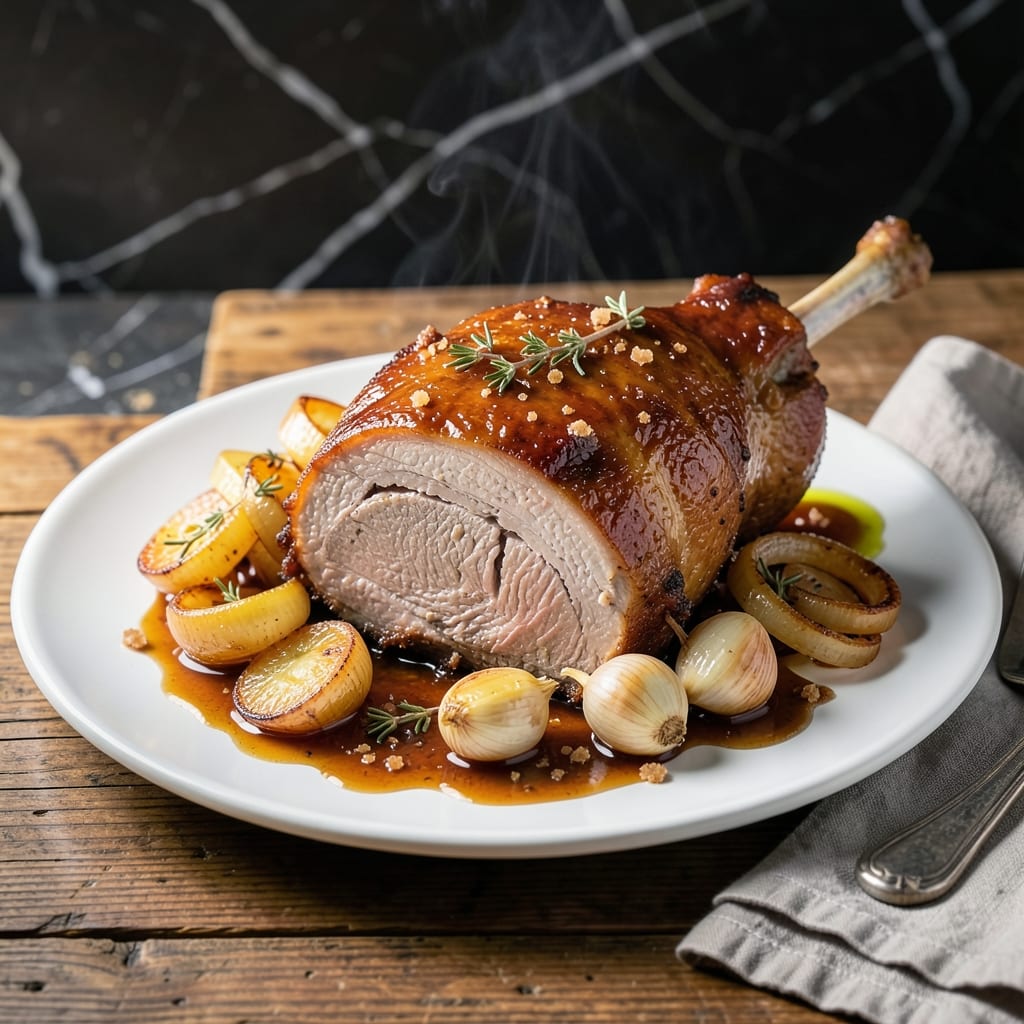
This apple cider pork shoulder recipe delivers tender, fall-off-the-bone meat with a perfect balance of sweet and savory flavors. Growing up in Georgia, pork was always the centerpiece of family meals.
I developed this method at The Smoky Pig, where we prepare thousands of pounds weekly. The slow cooking process allows the cider to caramelize, creating a rich, complex sauce that penetrates every bite of the pork.
The result is meat so tender it shreds with a fork, infused with warm apple notes and deep savory undertones. This technique works every time, whether for a crowd or a quiet Sunday supper.
Serve with roasted root vegetables or cornbread to soak up every drop of the luscious sauce. The aroma alone will draw everyone to the table.
Ingredients for apple cider pork shoulder
A few humble ingredients transform into a showstopping slow-cooked pork shoulder with rich depth.
| Ingredient | Amount | Notes |
|---|---|---|
| Bone-In Pork Shoulder 🍖 | 4 lb | Trimmed of excess fat |
| Apple Cider 🍏 | 4 cups | Unfiltered preferred for depth |
| Yellow Onion 🧅 | 1 whole | Large, thinly sliced |
| Garlic Cloves 🧄 | 6 cloves | Smashed, peeled |
| Dijon Mustard 🟡 | 3 tbsp | For tangy depth |
| Light Brown Sugar 🟤 | ¼ cup | Packed, for caramelization |
| Apple Cider Vinegar 🍯 | 2 tbsp | Balances sweetness |
| Dried Thyme 🌿 | 1 tsp | Crushed between fingers |
| Dried Rosemary 🌿 | 1 tsp | Crushed between fingers |
| Bay Leaves 🍃 | 2 whole | For aromatic depth |
| Kosher Salt 🧂 | 2 tbsp | Diamond Crystal preferred |
| Ground Black Pepper 🌶️ | 1 tsp | Freshly ground |
| Olive Oil 🫒 | 2 tbsp | For searing pork |
| Chicken Stock 🥫 | 1 cup | Low-sodium preferred |
The pork shoulder is non-negotiable here. Bone-in gives the best texture—look for good marbling at Whole Foods or Costco. The apple cider should be unfiltered (like Musselman’s or Bragg) for that deep, complex sweetness. Don’t skip the Dijon—it cuts through the richness. For the stock, Swanson’s low-sodium is reliable.
No apple cider? Unsweetened apple juice plus a splash of vinegar works. Out of Dijon? Whole-grain mustard at half the amount is fine. Fresh herbs can replace dried—use triple the quantity. The brown sugar can be swapped for maple syrup (reduce liquids slightly). If you’re missing thyme, poultry seasoning covers the gap.
This tastes even better the next day. Refrigerate in its juices for up to 4 days, or freeze for 3 months. The fat will solidify—just skim it off before reheating. Great for sandwiches, tacos, or straight from the pot.
Why You'll Love This Recipe
- Set and Forget: I toss everything in the slow cooker before work and come home to fall-apart pork with zero effort.
- Sweet-Savory Magic: The apple cider caramelizes with the Dijon and garlic into this sticky, tangy glaze that clings to every bite.
- Feeds the Whole Crew: One pork shoulder makes enough for Sunday dinner plus leftovers for sandwiches all week.
- Budget-Friendly Centerpiece: A bone-in shoulder costs less than fancy cuts but tastes like I spent hours in the kitchen.
Step-by-step instructions for apple cider pork shoulder
Here's the method I use to achieve fall-apart tenderness with rich, caramelized flavor every time.
Season and Sear the Pork Shoulder
Pat the 4 lb Bone-In Pork Shoulder completely dry with paper towels. This ensures a proper sear. Season all sides generously with the 2 tbsp Kosher Salt and 1 tsp Ground Black Pepper, pressing the seasoning into the meat so it adheres well during cooking.
Heat the 2 tbsp Olive Oil in a large Dutch oven over medium-high heat. When the oil shimmers, add the pork shoulder and sear for 4-5 minutes per side until deeply browned. You're building a flavor foundation here—don't rush. The meat should release easily from the pot when properly seared.
Build the Apple Cider Braising Liquid
Remove the pork and set it aside. In the same pot, add the 1 whole Yellow Onion (thinly sliced) and 6 cloves Garlic Cloves (smashed). Cook for 3-4 minutes until the onion softens and becomes translucent. The garlic will release its aroma—this is your signal to proceed.
Pour in the 4 cups Apple Cider, 0.25 cup Light Brown Sugar, 3 tbsp Dijon Mustard, 2 tbsp Apple Cider Vinegar, 1 tsp Dried Thyme, 1 tsp Dried Rosemary, and 2 whole Bay Leaves. Stir to combine, then add the 1 cup Chicken Stock. The liquid should smell sweet with a slight tang from the vinegar.
Braise Low and Slow Until Tender
Return the pork shoulder to the pot, along with any accumulated juices. The liquid should come about halfway up the meat. Bring to a gentle simmer, then reduce the heat to low, cover, and let it braise for 3 to 3½ hours. Check occasionally to ensure the liquid maintains a gentle simmer.
You'll know it's ready when the pork is fork-tender and easily pulls apart with minimal resistance. The internal temperature should reach 195-200°F for that perfect tenderness. The house will smell incredible at this point—sweet, savory, and deeply aromatic.
Reduce and Glaze the Pork
Carefully remove the pork from the pot and set it aside. Skim any excess fat from the surface of the braising liquid, then increase the heat to medium-high. Simmer the liquid for 10-15 minutes until it reduces by about half and thickens into a glossy glaze.
Return the pork to the pot and turn it to coat evenly in the reduced sauce. This step intensifies the flavors and creates a beautiful, sticky glaze that clings to the meat. Let it rest in the sauce for 10 minutes before serving to allow the juices to redistribute.
Pro Tips For Making Apple Cider Pork Shoulder
- Sear the Pork First: I learned this the hard way—browning the pork shoulder in a hot pan for 3-4 minutes per side locks in juices and adds a depth of flavor that simmering alone can't match.
- Reduce the Cider: After removing the pork, boil down the apple cider by half before adding it back—this concentrates the sweetness and prevents a watery sauce.
- Skip the Trim: Resist the urge to trim all the fat off the bone-in pork shoulder; that marbling melts into the meat during cooking and keeps it moist.
- Use Fresh Cider: Sounds obvious, but fresh unpasteurized apple cider makes a real difference compared to the shelf-stable stuff—it’s brighter and more complex.
Creative variations of this apple cider pork shoulder
Spiced Rum Twist
Add ½ cup dark spiced rum (I like Myers’s) to the braising liquid for a Caribbean-inspired version. The molasses notes pair beautifully with the apple cider. Reduce the chicken stock to ½ cup to compensate for the extra liquid. 🌴
Maple-Bourbon Glaze
Replace the brown sugar with ⅓ cup grade B maple syrup and add ¼ cup bourbon (Buffalo Trace works well). This creates a deeper, more complex glaze that’s perfect for fall gatherings. Reduce the apple cider to 3 cups to balance the sweetness.
Asian-Inspired Variation
Swap the Dijon for 2 tbsp soy sauce and add 1 tbsp grated ginger, 1 star anise pod, and 1 cinnamon stick to the braising liquid. This version reminds me of the fusion dishes we experimented with at The Smoky Pig. Remove the star anise and cinnamon before serving.
Coffee-Infused Depth
Add ½ cup strong brewed coffee (I use Charleston’s The Daily Grind) to the braising liquid for a subtle bitter contrast. The coffee enhances the caramelization without overpowering the apple notes. This is a favorite among my BBQ competition friends.
Smoky Chipotle Heat
Mix 1 tbsp adobo sauce (from canned chipotles) into the braising liquid and add 1 minced chipotle pepper for a smoky, spicy kick. This works particularly well if you’re serving the pork in tacos or sandwiches. Adjust the heat level to your preference.
Heritage Pig Upgrade
If you can find Gloucestershire Old Spot pork shoulder (like the heritage pigs I raise), the extra marbling makes this dish even more luxurious. The fat renders down beautifully, creating an even richer sauce. Ask your local butcher to order it—the flavor difference is worth it. 💛
Nutrition facts
Frequently asked questions
Can I use apple juice instead of cider?
Yes, but choose unsweetened apple juice and add 1 tablespoon vinegar to mimic cider's tang. The dish will be slightly sweeter, so reduce sugar by 1 tablespoon.
How do I know when the pork is done?
It's ready when it reaches 195-200°F internally and shreds easily with a fork. This typically takes 3-3½ hours at a gentle simmer.
Can I make this in a slow cooker?
Sear the pork first, then transfer everything to the slow cooker. Cook on low for 8-10 hours or high for 5-6 hours.
What if my sauce doesn't thicken?
Simmer uncovered for 5-10 extra minutes, or mix 1 tablespoon cornstarch with water and stir in. The sauce should coat the back of a spoon.