
Sauces & Condiments
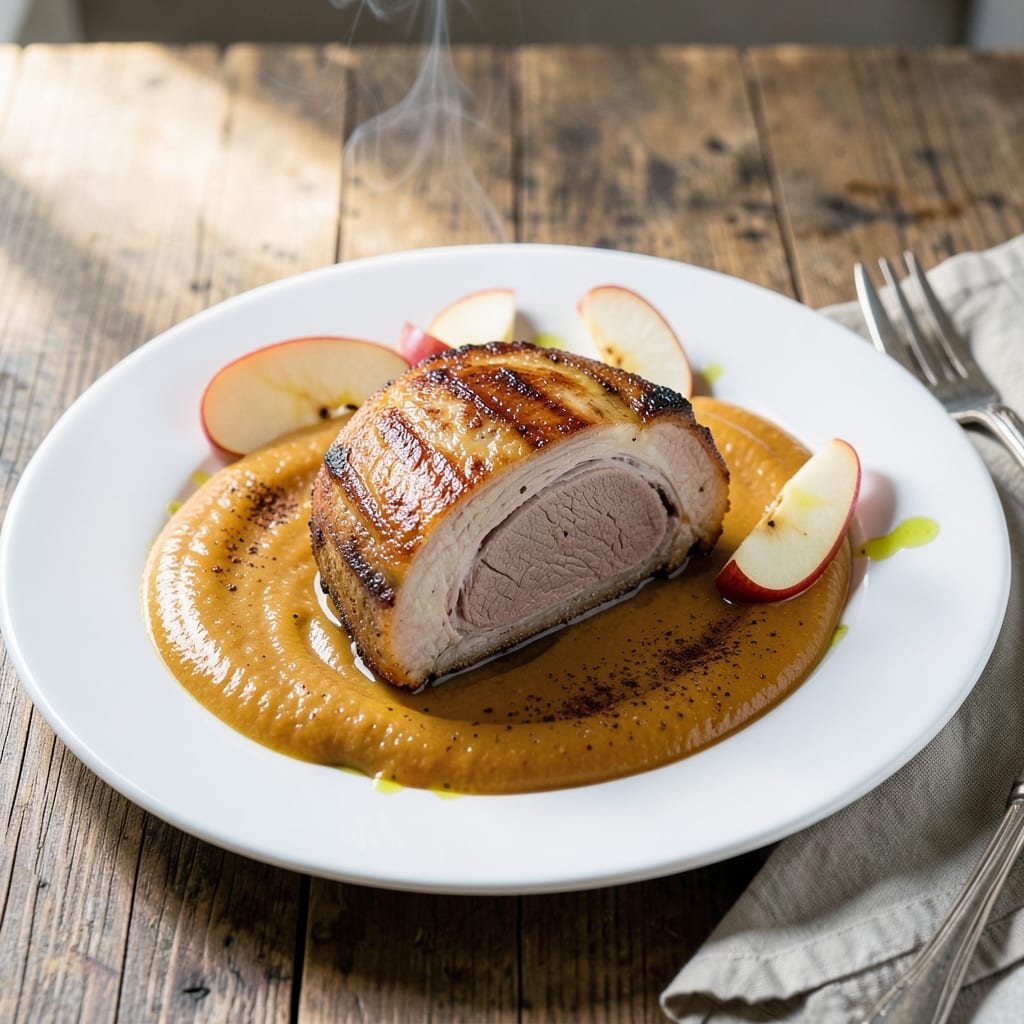
This apple sauce recipe for pork UK creates the perfect balance of sweetness and acidity to complement rich meats. Growing up in Georgia, I learned early how fruit sauces elevate pork dishes to new heights.
The British version uses cooking apples for natural pectin, creating a thicker consistency without added thickeners. A touch of lemon juice prevents browning and enhances the apples' natural tartness.
This sauce keeps well in the refrigerator for up to two weeks, making it ideal for meal prep. The flavors deepen over time, creating an even more complex pairing for your pork dishes.
Serve warm or at room temperature alongside roasted pork loin or chops for an authentic British experience.
Ingredients for apple sauce recipe for pork uk
Six simple ingredients for a classic British sauce that sings with pork.
| Ingredient | Amount | Notes |
|---|---|---|
| Cooking Apples 🍏 | 2 lb | Peeled, cored, chopped (Bramley preferred) |
| Granulated Sugar 🍚 | ½ cup | Adjust to taste and apple tartness |
| Lemon Juice 🍋 | 2 tbsp | Freshly squeezed prevents browning |
| Water 💧 | ½ cup | Or substitute apple cider |
| Ground Cinnamon 🌿 | ½ tsp | Optional for warmth |
| Salt 🧂 | ¼ tsp | Enhances apple flavor |
The apples are everything here. Bramley cooking apples are the British standard—they collapse into the perfect texture and have that sharpness that balances pork's richness. Most UK supermarkets stock them, but Granny Smith work well stateside. Look for firm, unbruised fruit (they'll soften plenty while cooking). If you find windfalls at a farmers market, grab them—free apples with built-in character.
Out of cooking apples? Any tart variety works—Granny Smith, Jonathan, or even a mix. No cinnamon? Skip it entirely or try a pinch of nutmeg. Want it smoother? Press through a sieve after cooking. The sugar can be reduced or swapped for maple syrup (one-to-one ratio), but taste as you go—the apples' sweetness varies wildly by season.
This keeps up to 2 weeks in the fridge in a sealed jar. The flavor actually improves after a day or two. Freeze in ice cube trays for 6 months (perfect for single servings). Stir before using—natural separation is normal (that's the pectin doing its thing).
Why You'll Love This Recipe
- Fuss-Free Cooking: I dump everything in one pot, simmer, and done—no fancy techniques or watchful stirring.
- Sweet-Tart Magic: The cinnamon and lemon juice turn those cooking apples into something ridiculusly good with pork.
- Pairs With Everything: Honestly, it’s as happy with Sunday roast as it is with midweek chops.
- Pennywise Portions: A big batch costs pennies and keeps for ages in the fridge.
Step-by-step instructions for sweet and tangy apple sauce
Here's my tested method for the perfect British-style accompaniment to roast pork.
Prep the Cooking Apples
Start by peeling, coring, and chopping the 2 lb cooking apples into even 1-inch chunks. I like to work with Bramley apples when I can find them—they break down beautifully into a smooth sauce.
As you chop, toss the pieces with the 2 tbsp lemon juice to prevent browning. The acid also adds that bright tang that cuts through rich pork so well. Real talk: don't skip this step or your apples will turn an unappetizing shade of brown while you work.
Combine Ingredients and Simmer
In a medium saucepan, combine the chopped apples with the 0.5 cup granulated sugar, 0.5 cup water, 0.5 tsp ground cinnamon, and 0.25 tsp salt. Stir everything together until the sugar starts to dissolve.
Bring the mixture to a boil over medium-high heat, then reduce to medium-low and let it simmer. You'll start to notice the apples softening after about 10 minutes—that's when you know you're on the right track.
Cook Until Apples Break Down
Continue simmering for another 15-20 minutes, stirring occasionally to prevent sticking. The apples should completely collapse and the mixture should thicken noticeably. I press down on the apples with my wooden spoon to help them break down faster.
You're aiming for a consistency that coats the back of a spoon but still has some texture. If it looks too thick, add a splash of water. If it's too thin, let it cook down a bit longer. The sauce will thicken slightly as it cools.
Adjust and Finish
Taste the sauce and adjust the sweetness if needed. Remember the 0.5 cup granulated sugar is just a starting point—the exact amount you need depends on how tart your apples are. Bramley apples often need the full amount, but taste as you go.
Remove from heat and let cool slightly. The sauce will continue to thicken as it stands. For a smoother texture, you can mash it with a potato masher or pulse briefly with an immersion blender. I prefer mine with a bit of rustic texture.
Serve warm or at room temperature alongside your roast pork. This makes enough for 4 servings and keeps well in the fridge for up to a week.
Pro Tips For Making Apple Sauce Recipe For Pork Uk
- Simmer, Don’t Boil: Keep the heat low once the apples are soft—boiling breaks them down too much and turns your sauce into a watery puree. A gentle simmer for 10-15 minutes thickens it just right.
- Peel but Don’t Core: I learned this the hard way—peel your cooking apples but leave the core intact while simmering for extra pectin, which naturally thickens the sauce. Remove it before mashing.
- Skip the Over-Sweetening: Cooking apples are tart, so start with half the granulated sugar you think you need, taste, then adjust. Over-sweetening masks the bright apple flavor that pairs so well with pork.
- Add Cinnamon Last: Stir in the ground cinnamon in the final 5 minutes of cooking—adding it too early makes the spice taste bitter instead of warm and aromatic.
Essential equipment for apple sauce recipe for pork uk
Saucepan Selection
I always reach for my 3-quart stainless steel saucepan with a heavy bottom—it distributes heat evenly and prevents scorching. Look for one with a tight-fitting lid to trap steam during simmering. My vintage All-Clad has served me for over a decade of sauce-making. 🔥
Cutting Tools
A sharp 8-inch chef's knife makes quick work of peeling and chopping apples. I prefer the weight and balance of my Wüsthof. Pair it with a stable cutting board—my end-grain maple prevents knife dulling and looks beautiful in my kitchen.
Wooden Spoon
For stirring and mashing, nothing beats a good wooden spoon. I use a 12-inch olive wood spoon with a flat edge to press apples against the pan. It won't scratch your cookware and feels wonderful in your hand during long simmering sessions.
Measuring Essentials
A set of stainless steel measuring spoons and cups ensures accurate ratios. I like the OXO Good Grips set—the magnetic handles stay organized. For the lemon juice, a 2-tbsp measure makes quick work of portioning.
Storage Solutions
For storing finished sauce, I use 16-ounce mason jars with airtight lids. They're perfect for fridge storage and double as serving vessels. For freezing, silicone ice cube trays portion the sauce perfectly for later use. ❄️
Optional Tools
An immersion blender creates silky smooth sauce in seconds. My Cuisinart SmartStick handles small batches beautifully. For traditionalists, a potato masher gives that rustic texture I grew up with in Georgia.
Nutrition facts
Frequently asked questions
Can I use eating apples instead of cooking apples?
Yes, but adjust the sugar. Eating apples are sweeter, so reduce sugar by half and add a splash of water. Bramley or Granny Smith work best for that classic tangy flavor.
How long does homemade apple sauce keep?
In an airtight container in the fridge, it stays fresh for up to 2 weeks. For longer storage, freeze in portions for 6 months. The flavor deepens over time.
Why does my sauce turn brown?
Oxidation from air exposure causes browning. Prevent it by adding lemon juice immediately after chopping and storing in sealed containers. A tight lid is key.
Can I make it smoother?
Use an immersion blender or press through a fine sieve after cooking. For rustic texture, simply mash with a potato masher.