
Recipes/Cooking
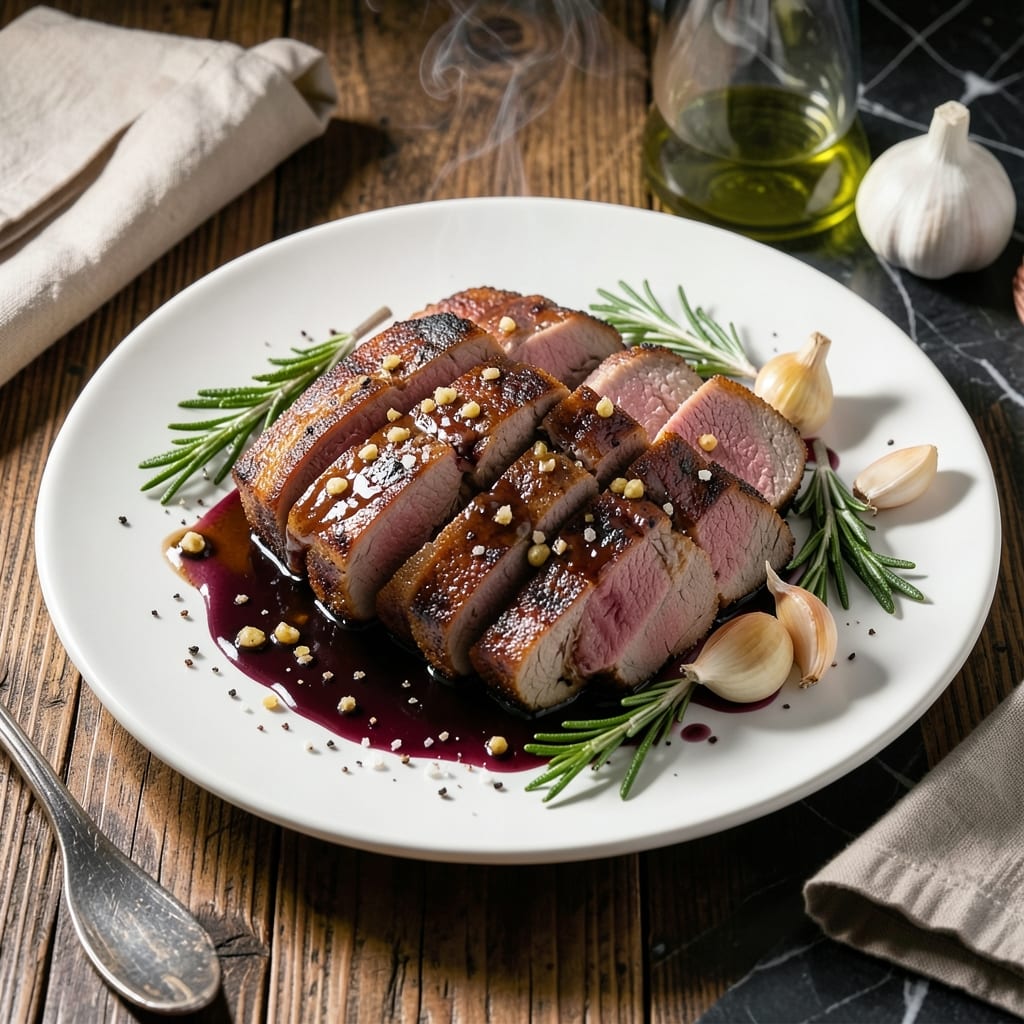
This balsamic roasted pork tenderloin recipe delivers tender results with minimal effort. After years of perfecting pork dishes at The Smoky Pig, I've refined this method to achieve juicy meat with a caramelized crust every time.
The balsamic glaze creates a sticky, sweet-tangy coating that pairs perfectly with savory herbs. A simple marinade before roasting ensures deep flavor penetration without overpowering the natural pork taste.
Roasting at high heat locks in moisture while creating that desirable crisp exterior. The herb infusion adds complexity that elevates this from everyday dinner to restaurant-quality entrée.
Serve with roasted vegetables or mashed potatoes to soak up the rich pan juices. This technique works for both weeknight dinners and special occasions.
Ingredients for balsamic roasted pork tenderloin
Quality pork plus pantry staples create this restaurant-worthy balsamic roasted masterpiece.
| Ingredient | Amount | Notes |
|---|---|---|
| Pork Tenderloin 🥩 | 1 ½ lb | Trimmed of excess fat |
| Balsamic Vinegar 🍷 | ½ cup | Aged, high-quality preferred |
| Olive Oil 🫒 | 2 tbsp | Extra-virgin for richness |
| Honey 🍯 | 2 tbsp | Local or raw variety |
| Garlic Cloves 🧄 | 4 cloves | Minced finely for marinade |
| Fresh Rosemary 🌿 | 2 tbsp | Chopped, stems discarded |
| Fresh Thyme 🍃 | 2 tbsp | Leaves stripped from stems |
| Dijon Mustard 🟡 | 1 tbsp | Smooth, not whole grain |
| Kosher Salt 🧂 | 1 tsp | Diamond Crystal preferred |
| Black Pepper 🌶️ | ½ tsp | Freshly ground for best flavor |
| Soy Sauce 🥢 | 1 tbsp | Low-sodium preferred |
| Brown Sugar 🏝️ | 1 tbsp | Light or dark variety |
| Red Pepper Flakes 🔥 | ¼ tsp | Optional for heat |
The pork tenderloin quality is paramount. Opt for certified humane or organic from butchers like Whole Foods or Local Harvest—consistent marbling and color indicate superior tenderness. Avoid pre-marinated cuts; they compromise the caramelization process. The balsamic vinegar should be aged 12 years minimum—Colavita or Mantova offer excellent options without breaking the bank.
Out of fresh rosemary? Dried rosemary at one-third the amount works, but rehydrate in warm water first. No honey? Substitute maple syrup or agave at a 1:1 ratio. The soy sauce can be replaced with tamari for gluten-free or coconut aminos for a milder taste. For the mustard, whole grain Dijon adds texture but may alter the glaze's smooth consistency.
Marinate the pork for 4-12 hours for optimal flavor penetration. The glaze can be prepped 2 days ahead and stored in the fridge. Leftovers keep for 3-4 days refrigerated or freeze beautifully for up to 3 months. Always bring pork to room temperature before roasting for even cooking.
Why You'll Love This Recipe
- One Pan Wonder: I toss the tenderloin with balsamic, honey, and garlic, then let the oven do the rest—no babysitting required.
- Sticky Sweet Glaze: That glossy balsamic-honey coating caramelizes into this ridiculous crust that makes every bite unforgettable.
- Meal Prep MVP: I roast two on Sunday and we’re set for salads, wraps, or quick dinners all week.
- Budget Hero: Pork tenderloin is cheap, stretches far, and honestly, this tastes like a fancy restaurant dish.
Step-by-step instructions for balsamic roasted pork tenderloin
Master the technique for tender, caramelized pork with a glossy herb-infused glaze.
Prepare and Marinate the Pork Tenderloin
Pat the 1.5 lb Pork Tenderloin dry with paper towels to ensure proper browning. Trim any visible fat or silver skin, as this can prevent the marinade from penetrating evenly.
In a bowl, whisk together the 0.5 cup Balsamic Vinegar, 2 tbsp Olive Oil, 2 tbsp Honey, 1 tbsp Dijon Mustard, 1 tbsp Soy Sauce, 1 tbsp Brown Sugar, 4 cloves Garlic Cloves (minced), 2 tbsp Fresh Rosemary (chopped), 2 tbsp Fresh Thyme (leaves stripped), 1 tsp Kosher Salt, 0.5 tsp Black Pepper, and 0.25 tsp Red Pepper Flakes. The mixture should be thick and fragrant, with the herbs evenly distributed.
Place the pork tenderloin in a resealable bag or shallow dish and pour the marinade over it. Turn to coat evenly, ensuring every surface is covered. Let it marinate at room temperature for 30 minutes or refrigerate for up to 4 hours for deeper flavor penetration.
Preheat and Prepare for Roasting
Position a rack in the center of your oven and preheat to 400°F. This high heat ensures a caramelized crust while keeping the interior juicy. Line a rimmed baking sheet with parchment paper or foil for easy cleanup.
Remove the pork tenderloin from the marinade, allowing any excess to drip off. Reserve the marinade for basting. Place the pork on the prepared baking sheet, ensuring it’s not crowded—this promotes even browning.
Roast to Perfection
Roast the pork tenderloin for 20-25 minutes, basting with the reserved marinade every 8-10 minutes. The balsamic and honey in the marinade will create a sticky, glossy glaze as they caramelize.
Begin checking the internal temperature with an instant-read thermometer after 20 minutes. The pork is done when it reaches 145°F in the thickest part. The exterior should be deep golden brown with a slightly crisp crust, and the juices should run clear when pierced.
Rest and Serve
Transfer the pork tenderloin to a cutting board and tent loosely with foil. Let it rest for 10 minutes—this allows the juices to redistribute, ensuring every slice is moist and flavorful. Skipping this step can result in dry meat as the juices will escape onto the cutting board.
Slice the pork tenderloin against the grain into ½-inch thick medallions. The meat should be tender and slightly pink in the center, with a rich, caramelized glaze clinging to each slice. Serve immediately with the pan juices spooned over the top.
Pro Tips For Making Balsamic Roasted Pork Tenderloin
- Sear First, Roast Later: Start the pork tenderloin in a screaming-hot pan for 2-3 minutes per side to lock in juices before transferring to the oven. I learned this the hard way—skipping the sear leaves the outside pale and the flavor flat.
- Slice the Garlic: Don’t just smash the garlic cloves—slice them thin so they infuse the balsamic glaze more evenly. Sounds fussy, but it actually changes the outcome, giving you a deeper, more balanced flavor.
- Don’t Over-Reduce: Pull the balsamic-honey glaze off the heat as soon as it thickens enough to coat a spoon. After burning two batches, I finally figured out that it keeps cooking off the heat and can turn bitter in seconds.
- Rest Before Slicing: Give the pork a solid 10 minutes under foil after roasting—yes, even if you're starving. Skipping this step sends all the juices straight to the cutting board instead of staying in the meat.
Dietary considerations for balsamic roasted pork tenderloin
Gluten-Free Friendly
This recipe naturally avoids gluten, but watch your soy sauce choice. I always use tamari or coconut aminos instead of regular soy sauce to keep it completely gluten-free. The balsamic vinegar is typically safe, though some brands may have cross-contamination risks.
Low-Carb Option
With just 2 tbsp honey and 1 tbsp brown sugar in the glaze, the carbs are minimal. For a stricter keto approach, replace honey with 1 tbsp monk fruit sweetener and skip the brown sugar. The caramelization still works beautifully with these swaps.
Dairy-Free Note
This pork tenderloin is inherently dairy-free, as the recipe contains no butter, cream, or cheese. The olive oil and Dijon mustard provide all the richness needed. Always double-check your mustard brand, as some contain dairy derivatives.
Sodium Considerations
To reduce sodium, use low-sodium soy sauce and cut the kosher salt to ½ tsp. The balsamic vinegar and herbs still deliver plenty of flavor. I find this adjustment works well without sacrificing taste. 💡
Allergen Awareness
The primary allergens here are soy from the soy sauce and potential sulfites in balsamic vinegar. For soy-free versions, coconut aminos work perfectly. Those with sulfite sensitivities should seek out sulfite-free balsamic options.
Diabetic Adaptation
Replace the honey with sugar-free maple syrup and reduce the brown sugar by half. The balsamic glaze will still caramelize nicely. I've served this version to diabetic friends with rave reviews. 💛
Nutrition facts
Frequently asked questions
Can I use a different cut of pork for this recipe?
Pork loin works well, but reduce roasting time to 15-20 minutes as it's thicker. Avoid fatty cuts like shoulder—they won't achieve the same tenderness. Tenderloin's lean nature makes it ideal for this method.
Why do I need to let the pork rest after cooking?
Resting for 10 minutes allows juices to redistribute throughout the meat. Cutting too soon causes moisture loss, resulting in dry pork. This step is non-negotiable for perfect texture.
How can I make the glaze thicker?
Simmer the reserved marinade in a saucepan for 5-7 minutes until reduced by half. This creates a syrup-like consistency that clings better to the pork. Watch closely to prevent burning.
What if my pork is still pink inside?
Pork is safe at 145°F, which often appears slightly pink. If unsure, use a meat thermometer. Overcooking beyond 150°F will make it dry. Trust the temperature, not just color.