
Recipes/Cooking
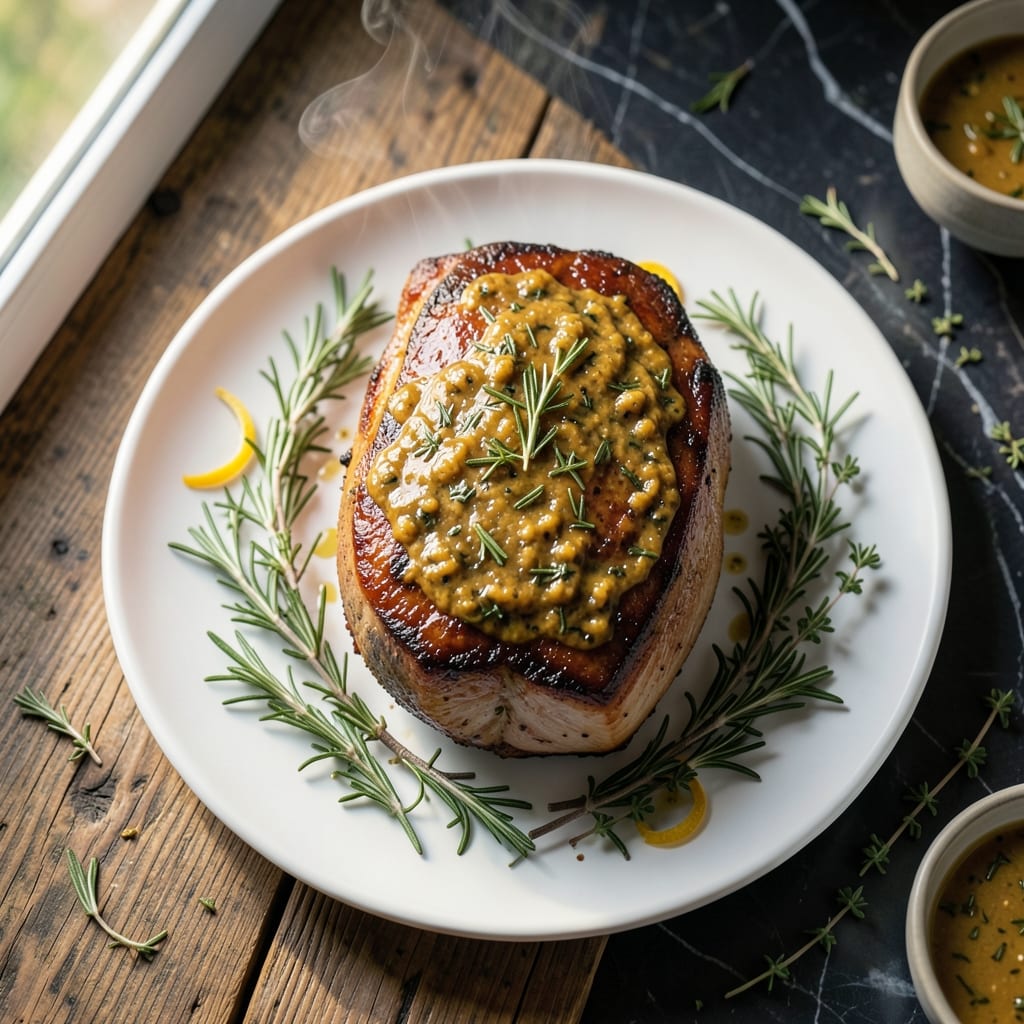
This Barefoot Contessa pork loin roast recipe delivers a herb-crusted centerpiece worthy of any special occasion. My years in Charleston taught me that simplicity elevates quality pork.
The secret lies in a garlic-herb paste that forms a golden crust while the meat roasts to juicy perfection. I use a meat thermometer to ensure precise doneness every time.
What emerges is tender pork with a fragrant crust, perfect for Sunday suppers or holiday gatherings. The leftovers make exceptional sandwiches the next day.
Serve with roasted vegetables or mashed potatoes to complete the meal. This method never fails to impress.
Ingredients for Barefoot Contessa pork loin roast
Quality pork loin, fresh herbs, and a few pantry staples create this elegant roast.
| Ingredient | Amount | Notes |
|---|---|---|
| Pork Loin 🥩 | 3 lb | Boneless, center-cut preferred |
| Fresh Rosemary 🌿 | 3 tbsp | Finely chopped, stems discarded |
| Fresh Thyme 🍃 | 2 tbsp | Leaves stripped, finely chopped |
| Garlic Cloves 🧄 | 6 cloves | Peeled, minced into paste |
| Dijon Mustard 🟡 | ¼ cup | Whole-grain or smooth variety |
| Extra-Virgin Olive Oil 🫒 | ¼ cup | Divided for paste and roasting |
| Kosher Salt 🧂 | 1 ½ tbsp | Diamond Crystal preferred for texture |
| Freshly Ground Black Pepper 🌶️ | 1 tbsp | Coarse grind for crust |
| Dry White Wine 🍷 | ½ cup | For deglazing pan, optional |
| Chicken Stock 🥣 | ½ cup | Low-sodium preferred |
| Unsalted Butter 🧈 | 2 tbsp | For finishing sauce |
| All-Purpose Flour 🌾 | 1 tsp | Optional for thickening pan sauce |
| Fresh Parsley 🌿 | ¼ cup | Chopped, for garnish |
The pork loin is the star—center-cut boneless ensures even cooking and a perfect crust. For the best results, source from a trusted butcher or Whole Foods meat counter. The herbs should be vibrant and aromatic; fresh rosemary and thyme from a farmers market or well-stocked grocery store are ideal. Avoid pre-packaged herbs that look wilted or dry. The garlic should be firm and heavy for its size, with no green shoots.
No fresh herbs? Dried rosemary and thyme at one-third the amount can substitute, though the flavor will be more concentrated. Out of Dijon? Whole-grain mustard works beautifully and adds visual texture. For a non-alcoholic deglaze, additional chicken stock with a splash of apple cider vinegar mimics the wine’s acidity. The butter can be omitted for a lighter finish, though it adds richness to the pan sauce.
The roast can be prepped 1 day ahead—just rub with the herb paste and refrigerate. Cooked pork keeps 3-4 days in the fridge or freezes for 2 months. Reheat gently in a low oven to preserve moisture. Always use a meat thermometer for precise doneness.
Why You'll Love This Recipe
- Set and Forget: I rub the pork with Dijon, toss in the herbs, and let the oven do the rest—no babysitting required.
- Rosemary-Garlic Magic: Honestly, the fresh rosemary and garlic make every bite taste like a Sunday dinner.
- Feeds a Crowd: One loin, a handful of ingredients, and suddenly I’ve got enough for a family meal plus leftovers.
- Leftovers Level Up: The next-day sandwiches with the mustard-crusted slices? Even better than the first night.
Step-by-step instructions for herb-crusted pork loin roast
Master this technique for a perfectly seasoned, juicy roast with a golden herb crust.
Prepare the Herb Paste
In a small bowl, combine the 0.25 cup Dijon Mustard, 0.25 cup Extra-Virgin Olive Oil, 3 tbsp Fresh Rosemary, 2 tbsp Fresh Thyme, and the 6 cloves Garlic Cloves minced into paste. Stir until fully incorporated into a thick, aromatic mixture.
The paste should be fragrant with visible herb flecks throughout. This is your flavor base—don't skip the mincing step, as finely ground garlic distributes better and prevents bitter pockets in the finished dish.
Season and Coat the Pork Loin
Pat the 3 lb Pork Loin completely dry with paper towels. This ensures the crust adheres properly. Season all sides generously with the 1.5 tbsp Kosher Salt and 1 tbsp Freshly Ground Black Pepper, pressing gently to help it stick.
Spread the herb paste evenly over the entire surface of the pork loin, using your hands to press it into every crevice. The paste should form a visible, thick layer that will transform into a flavorful crust during roasting.
Roast to Perfection
Preheat your oven to 425°F. Place the pork loin on a rack in a roasting pan, fat-side up. Roast for 30 minutes to develop the initial crust, then reduce the heat to 350°F and continue roasting for 45-60 minutes.
You'll know it's done when the internal temperature reaches 145°F and the crust is deep golden brown. The meat should feel firm but still springy to the touch. Remove from the oven and transfer to a cutting board.
Make the Pan Sauce
Place the roasting pan on the stovetop over medium heat. Add the 0.5 cup Dry White Wine and scrape up all the browned bits with a wooden spoon. Let it reduce by half, then whisk in the 0.5 cup Chicken Stock and 2 tbsp Unsalted Butter.
For a thicker sauce, mix the 1 tsp All-Purpose Flour with a little cold water and stir it into the simmering liquid. Cook for 2-3 minutes until the sauce coats the back of a spoon. Taste and adjust seasoning if needed.
Rest and Serve
Let the pork loin rest for 15 minutes before slicing. This allows the juices to redistribute, ensuring moist, tender meat. Slice into ½-inch thick pieces and arrange on a platter.
Spoon the warm pan sauce over the slices and garnish with the 0.25 cup Fresh Parsley. The sauce should be rich and glossy, complementing the herb crust beautifully. Serve immediately while hot.
Pro Tips For Making Barefoot Contessa Pork Loin Roast
- Sear It Hard: I learned this the hard way—get your pan smoking hot before adding the pork loin to lock in juices and create that deep golden crust the recipe is known for. About 2-3 minutes per side on high heat does the trick.
- Score the Fat: Sounds weird, but it works: make shallow cuts in the fat cap every inch or so before seasoning. This keeps the pork from curling as it roasts and lets the rosemary, thyme, and garlic penetrate deeper.
- Don’t Over-Rub: Skip the urge to slather on too much Dijon mustard—just a thin, even coat is enough to help the herbs stick without overpowering the pork’s natural flavor. I was skeptical until I tried it.
- Rest Under Foil: Give it a solid 10-15 minutes under loose foil after roasting, or all the juices will end up on your cutting board instead of in the meat. This isn’t the prettiest method, but it’s the tastiest.
Regional styles of these flavors
Southern Style
Down in Georgia, we love our pork loin with a spicy brown sugar rub and slow roast it at 300°F for 3-4 hours. This method yields fall-off-the-bone tenderness with a sticky, sweet crust that reminds me of childhood Sunday dinners.
Charleston Lowcountry
In Charleston, we often add mustard-based BBQ sauce during the last 30 minutes of roasting. The tangy Carolina Gold sauce pairs beautifully with the herb crust, creating a unique flavor profile that's become a local favorite. 🌶️
French Herbes de Provence
For a French twist, replace the rosemary and thyme with 2 tbsp Herbes de Provence and add 1 tsp lavender. Roast as usual, but baste with a white wine reduction every 20 minutes for extra moisture.
Italian Mediterranean
Italian cooks often use fennel seeds and lemon zest in their herb paste. Add 1 tbsp fennel seeds and zest of 1 lemon to the mix. Serve with a side of roasted fennel bulbs for a complete Mediterranean experience.
Asian Fusion
For an Asian-inspired version, replace half the herbs with 2 tbsp grated ginger and 3 tbsp soy sauce. Glaze with a mixture of honey and rice vinegar during the last 15 minutes of roasting. 💫
Nutrition facts
Frequently asked questions
Can I use a pork tenderloin instead of loin?
No, they cook differently. Pork loin is larger and more forgiving, while tenderloin is leaner and cooks in 15-20 minutes at 425°F. The herb paste would overpower the delicate flavor of tenderloin.
Why does the recipe start at such a high temperature?
The initial 425°F creates a beautiful crust by caramelizing the herb paste quickly. This high heat jumpstarts the Maillard reaction, developing deep, complex flavors before the slower finish.
Can I make this a day ahead?
Yes! Prepare the herb paste and coat the pork, then refrigerate uncovered overnight. This dries the surface for an even better crust. Roast as directed, adding 5-10 minutes if starting cold.
What if my pork loin has a fat cap?
Leave it on! The fat cap self-bastes the meat during roasting. Score it lightly in a crosshatch pattern to help render the fat and allow the herb paste to penetrate.