
Main Courses
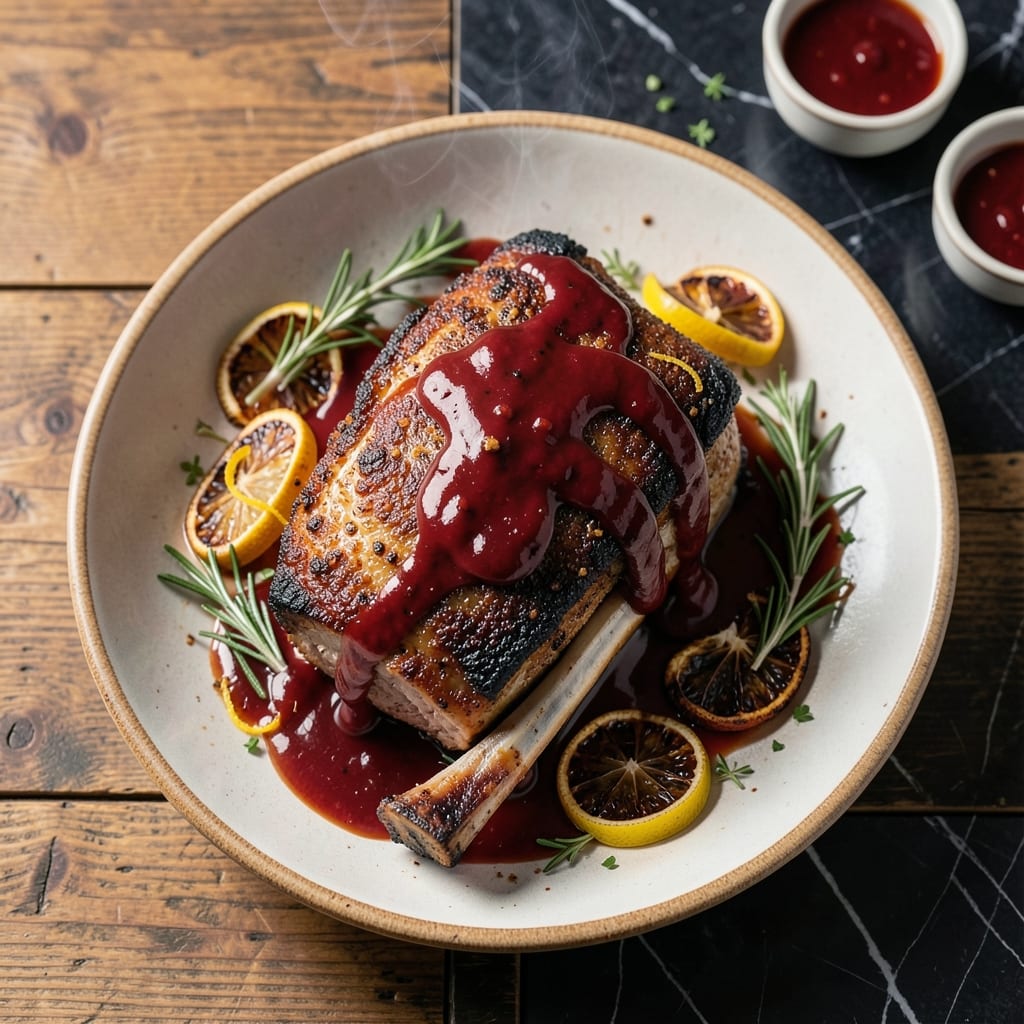
This BBQ bone in pork shoulder roast recipe delivers the smoky, tender results that define championship pitmaster cooking. Growing up in Georgia, I learned early that patience and proper technique transform tough cuts into fall-off-the-bone perfection.
The key lies in low-and-slow cooking at 225°F, allowing the connective tissue to melt into rich, juicy gelatin. I always start with a heritage pork shoulder, scored deeply to let the dry rub penetrate every nook.
After 8-10 hours in the smoker, the meat develops a dark, flavorful bark while staying moist inside. The bone should slide out cleanly when it's done, a sure sign of perfect doneness.
This method produces pork so tender it shreds with a fork, every bite infused with smoky depth and spice. The results speak for themselves at my Atlanta restaurant.
Ingredients for bbq bone in pork shoulder roast
Heritage pork, bold spices, and low-and-slow heat create championship-worthy results every time.
| Ingredient | Amount | Notes |
|---|---|---|
| Bone-In Pork Shoulder 🐖 | 8 lb | Heritage breed preferred, skin-on |
| Brown Sugar 🍚 | ½ cup | Light or dark, packed |
| Kosher Salt 🧂 | ¼ cup | Diamond Crystal preferred |
| Black Pepper 🌶️ | 2 tbsp | Freshly ground, coarse |
| Smoked Paprika 🌶️ | 2 tbsp | Sweet or hot variety |
| Garlic Powder 🧄 | 2 tbsp | Not garlic salt |
| Onion Powder 🧅 | 2 tbsp | Fresh ground preferred |
| Ground Cumin 🌿 | 1 tbsp | Toasted for deeper flavor |
| Cayenne Pepper 🔥 | 1 tsp | Adjust for heat preference |
| Apple Cider Vinegar 🍏 | ½ cup | For spray during cooking |
| Yellow Mustard 🟡 | ¼ cup | Binder for dry rub |
| Hickory Wood Chips 🪵 | 4 cups | Soaked in water 1 hour |
| Beer or Apple Juice 🍺 | 2 cups | For moisture in pan |
The pork shoulder is non-negotiable. Heritage breeds like Berkshire or Duroc have the marbling and fat cap needed for that perfect bark and moisture. Source from a local butcher or Whole Foods if possible—they’ll often carry the good stuff. Look for a cut with the skin still on (that’s the fat cap) and ask them to leave the bone in. Scoring the fat cap deeply (about 1/4-inch deep) lets the rub penetrate and renders the fat evenly during the long cook.
No heritage pork available? Regular bone-in pork shoulder (also called pork butt) works fine—just trim any excessive fat. For the rub, freshly ground black pepper makes a noticeable difference in texture and flavor. If you’re out of apple cider vinegar, white vinegar in a pinch (though the flavor profile changes slightly). The beer can be any variety you like drinking—dark beers add depth, but even a light lager works.
The rub can be made 2 days ahead and stored in an airtight container. Once applied to the pork, let it sit uncovered in the fridge for 12-24 hours before cooking for maximum flavor penetration. Leftover pulled pork keeps in the fridge for 4-5 days or freezes beautifully for 3 months.
Why You'll Love This Recipe
- Set and Forget: I toss the pork shoulder with brown sugar and spices, then let the oven do the work while I relax.
- Flavor Bomb: That smoked paprika and brown sugar rub creates a sweet, smoky crust that’s ridiculously good.
- Feeds the Crew: This one roast stretches for sandwiches, tacos, or a big Sunday dinner with family.
- Budget Hero: A bone-in pork shoulder is cheap, and leftovers taste even better the next day in a sandwich.
Step-by-step instructions for BBQ bone-in pork shoulder roast
Master the art of slow cooking with this proven method for tender, smoky pork shoulder.
Prepare the Dry Rub and Season the Pork
In a medium bowl, combine the 0.5 cup brown sugar, 0.25 cup kosher salt, 2 tbsp black pepper, 2 tbsp smoked paprika, 2 tbsp garlic powder, 2 tbsp onion powder, 1 tbsp ground cumin, and 1 tsp cayenne pepper. This blend creates a deeply flavorful bark that complements the pork’s natural richness.
Pat the 8 lb bone-in pork shoulder dry with paper towels. Apply the 0.25 cup yellow mustard evenly over the entire surface—it acts as a binder for the rub. Massage the dry rub into the meat, ensuring full coverage. Let it rest at room temperature for 30 minutes to allow the spices to penetrate.
Set Up the Smoker and Add Wood Chips
Soak the 4 cups hickory wood chips in water for 1 hour before use. Preheat your smoker to 225°F using indirect heat. Drain the soaked wood chips and add them to the smoker’s wood chip box or directly onto hot coals. The hickory will infuse the pork with a robust, smoky aroma.
Place a drip pan in the smoker and fill it with the 2 cups beer or apple juice. This liquid adds moisture to the cooking environment, preventing the pork from drying out during the long cook. Ensure the smoker maintains a steady 225°F throughout the process.
Smoke the Pork Shoulder to Perfection
Place the pork shoulder on the smoker grate, fat-side up. Insert a meat thermometer into the thickest part of the meat, avoiding the bone. Smoke the pork undisturbed for 6-8 hours, or until the internal temperature reaches 160°F.
Every 2 hours, spray the pork with the 0.5 cup apple cider vinegar to keep the surface moist and enhance the bark formation. This step is crucial for achieving that coveted dark, caramelized exterior.
Wrap and Finish Cooking
Once the pork reaches 160°F, wrap it tightly in heavy-duty aluminum foil or butcher paper. This step, known as the "Texas crutch," helps push through the stall—a phase where the meat’s internal temperature plateaus as moisture evaporates. Return the wrapped pork to the smoker.
Continue cooking until the internal temperature reaches 203°F and the meat is probe-tender, meaning it offers little resistance when pierced with a thermometer. This usually takes an additional 4-6 hours.
Rest and Shred the Pork
Remove the pork from the smoker and let it rest, wrapped, in a warm cooler or insulated container for 1-2 hours. This resting period allows the juices to redistribute, ensuring moist, tender meat.
Unwrap the pork and discard any excess fat or liquid. Using two forks or meat claws, shred the pork into large chunks, discarding the bone. Serve immediately, or mix with some of the cooking juices to enhance the flavor and moisture.
Pro Tips For Making Bbq Bone In Pork Shoulder Roast
- Dry the Meat: Pat the pork shoulder completely dry with paper towels before seasoning—wet meat steams instead of searing, and you’ll lose that perfect bark.
- Low and Slow: Keep your smoker or oven at 225°F and give it at least 8 hours; I learned this the hard way after pulling tough meat at 6 hours because I rushed it.
- Don’t Skip the Rest: Let the pork rest wrapped in foil for 30-45 minutes after cooking—it keeps all the juices inside where they belong.
- Double the Rub: Use more brown sugar and smoked paprika than you think you need; the bold flavors cut through the fat and make a real difference.
Creative variations of this dish
Carolina Vinegar Style
Swap the dry rub for a vinegar-based mop—combine 2 cups apple cider vinegar, 1 cup water, ¼ cup brown sugar, and 2 tbsp red pepper flakes. Mop the pork every hour during the first 6 hours of smoking. This Eastern NC method cuts through the richness beautifully. 🌶️
Memphis Dry Rub
Add ¼ cup turbino sugar and 1 tbsp celery salt to your dry rub mix for that classic Memphis profile. After smoking, finish with a dusting of reserved dry rub just before serving. I learned this trick from a pitmaster friend in Tennessee.
Texas Sweet Heat
Increase the brown sugar to ¾ cup and add 1 tbsp chili powder and 1 tsp chipotle powder to your rub. Use pecan wood instead of hickory for a sweeter smoke. This Lone Star approach gives a sticky, spicy-sweet bark. 🔥
Competition Injection
Before applying the rub, inject the pork with a mix of ½ cup apple juice, ¼ cup Worcestershire, and 2 tbsp butter. This keeps the meat incredibly moist during the long cook. I use a Meat Mitch injection needle—works like a charm.
Asian Fusion Glaze
In the final 30 minutes of cooking, brush with a glaze of ½ cup hoisin, ¼ cup soy sauce, and 2 tbsp honey. This Charleston-inspired twist pays homage to my time with Chef Chen. Serve with sesame seeds.
The glaze caramelizes beautifully, creating a sticky, umami-rich coating that complements the smoky pork perfectly.
Nutrition facts
Frequently asked questions
Can I use a gas grill instead of a smoker?
Yes, set up your gas grill for indirect heat with one side off. Maintain 225°F and add soaked wood chips in a foil pouch over direct heat for smoke.
Why does the temperature stall at 160°F?
This is normal! The stall occurs when moisture evaporates from the surface, cooling the meat. Wrapping in foil helps push through this phase faster.
How do I know when it's done?
The bone should slide out cleanly, and a probe should feel like butter. Target 203°F internally for perfect tenderness.
Can I make this in the oven?
Use 225°F and place a pan of water on the lower rack for moisture. Add liquid smoke to the rub for smoky flavor.