
Main Courses
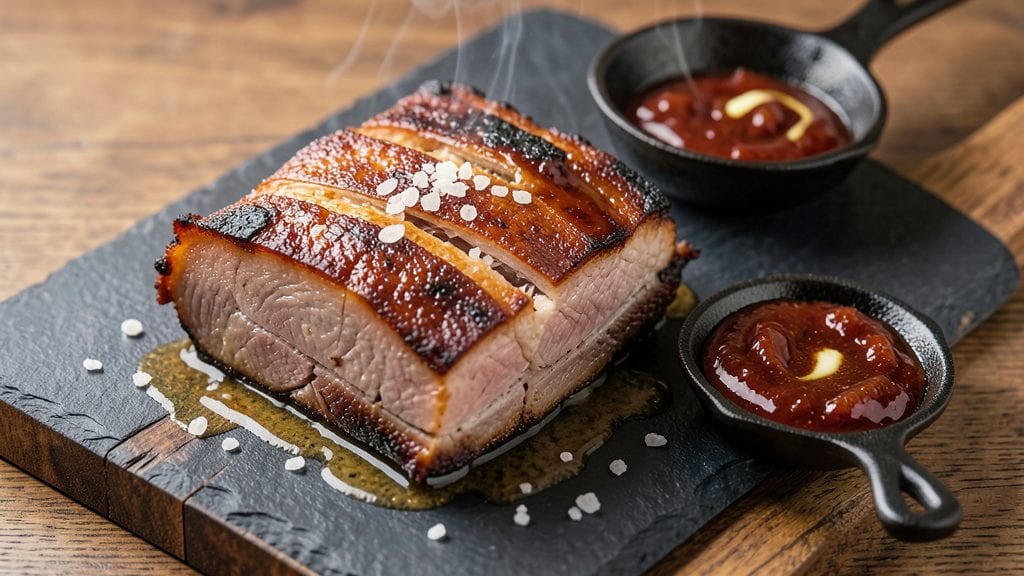
Mastering smoked pork belly transforms a simple cut into a restaurant-quality centerpiece that commands attention at any table. The key lies in balancing crispy bark with melt-in-your-mouth fat, a technique I perfected during my apprenticeship under Master Chef Chen in Charleston—where we smoked whole hogs for days.
This isn't just another pork belly recipe; it's a foolproof method that delivers crispy edges and tender, jiggly fat every time, whether you're smoking it low-and-slow or using modern twists like sous vide pre-treatment.
The foundation starts with a simple dry brine—just salt and time—that enhances flavor without overwhelming the meat. I prefer using heritage pork belly from my own farm, but any high-quality cut works.
The smoking process itself is where the magic happens: cherry wood for sweetness, apple for brightness, and a precise 225°F temperature that ensures even cooking without drying out the fat. Resting properly is critical—this is where the fat redistributes and the bark sets up perfectly.
What you end up with is a slab of pork belly so crispy on the outside it shatters like glass, while the inside remains velvety and rich—each bite a perfect balance of texture and flavor.
The aroma alone will have guests gathering before it even hits the table. This recipe builds on traditional Southern techniques while incorporating modern precision, making it accessible for home smokers while delivering professional results.
Serve it sliced thin over rice, wrapped in fresh lettuce, or as the star of a charcuterie board. The possibilities are endless, but the method remains the same: crispy bark, melting fat, and a technique that turns a simple cut into something extraordinary. Let's get smoking!
Ingredients for best smoked pork belly
Heritage pork belly meets precision smoking for restaurant-quality crispy bark magic.
| Ingredient | Amount | Notes |
|---|---|---|
| Heritage Pork Belly Slab 🐷 | 4 lb | Skin-on, rind intact, high-fat cut |
| Diamond Crystal Kosher Salt 🧂 | ½ cup | For dry brine |
| Cherry Wood Chips 🌳 | 1 package | Soaked 2 hours before smoking |
| Apple Wood Chips 🍎 | 1 package | Soaked 2 hours before smoking |
| Unsalted Butter 🧈 | ¼ cup | For post-smoke glaze |
| Brown Sugar 🍚 | ¼ cup | For glaze sweetness |
| Fresh Rosemary 🌿 | ¼ cup | Chopped, for glaze |
| Fresh Thyme 🌿 | ¼ cup | Chopped, for glaze |
| Apple Cider Vinegar 🍎 | 2 tbsp | For glaze brightness |
| Smoked Paprika 🌶️ | 1 tbsp | For finishing dusting |
| Peppercorn Blend 🌶️ | 1 tbsp | Whole, for bark texture |
| Dry Mustard Powder 🌿 | 1 tsp | For glaze depth |
| Black Peppercorns 🌶️ | 1 tsp | Freshly cracked |
| Apple Juice 🍎 | ¼ cup | For pre-smoke spray |
The pork belly is everything here. Heritage cuts from local farms (like Murray's Farm Supply) deliver that perfect marbling—look for at least 30% fat content. I've used Costco's pre-cut slabs in a pinch, but nothing beats the deep, rich flavor of heritage pork. The skin should be intact and taut—if it's wrinkled, it's been sitting too long. For the absolute best results, order from a butcher who specializes in pork belly; they'll trim it properly and package it fresh. The slab should be about 1.5 inches thick—thinner cuts crisp faster but may dry out.
No cherry or apple wood chips? Hickory or pecan wood works for a stronger smoke flavor, though it's less sweet. For the glaze, substitute pomegranate molasses for the apple cider vinegar—it adds a tangy depth. Fresh herbs? Dried rosemary and thyme at half the amount get you close, but the flavor isn't the same. The brown sugar can be demerara or turbinado for a coarser texture and caramelized notes. If you're short on time, skip the dry mustard powder—just add a pinch of cayenne to the glaze for heat instead. The apple juice spray is non-negotiable though; it keeps the bark from getting too dark while adding subtle sweetness.
Smoke the pork belly over 2 days for maximum bark development—12-16 hours the first day at 225°F, then 6-8 hours the second day to crisp the skin. Rest it 1 hour per pound before slicing, wrapped in foil with a towel to retain heat. Store in the fridge for up to 5 days—the flavor actually improves over time as the fat redistributes. For longer storage, vacuum-seal and freeze for 3-6 months. The glaze keeps for 2 weeks refrigerated, so make extra—it's perfect for pork chops or roasts. Always slice against the grain for the most tender texture, and use a sharp knife to avoid crushing the delicate bark.
Why You'll Love This Recipe
- No-Fuss Crispiness: The dry brine with Diamond Crystal Kosher Salt takes just 12 hours—you can set it while you’re asleep or at work. No fancy prep, just salt, a wire rack, and patience. Trust me, that crispy bark is worth the wait, and it’s honestly the easiest part of the whole process.
- Sweet-Savory Bark: That glaze—unsalted butter, brown sugar, and fresh rosemary and thyme—is the secret. It caramelizes into this sticky, amber crust that’s sweet but not cloying, herby but not overwhelming. Every bite has that perfect balance of smoky, tangy, and rich. You’ll want to lick the plate.
- Leftovers That Get Better: This isn’t just a meal; it’s a flavor experience that keeps giving. Store it in the fridge for up to 5 days, and honestly, the fat redistributes into the meat, making it even more tender. Slice it thin for sandwiches, toss it in noodles, or just eat it straight with a fork. It’s that good.
- Budget-Friendly Luxury: A 4 lb Heritage Pork Belly Slab might sound fancy, but it’s a steal for the amount of food you get. The cherry and apple wood chips add that smoky depth without breaking the bank, and the glaze ingredients are pantry staples. You’re feeding a crowd for less than you’d spend on takeout—and it’ll impress everyone.
Step-by-step instructions for smoked pork belly with crispy bark
Here's how to transform that fatty pork belly into melt-in-your-mouth perfection with a crackling crust.
Dry Brine the Pork Belly for Maximum Crisp
Spread the 4 lb heritage pork belly slab skin-side up on a wire rack set over a baking sheet. This elevated position lets air circulate on all sides, preventing soggy spots. Sprinkle the ½ cup diamond crystal kosher salt evenly over the entire surface, pressing it gently into the meat. The salt will penetrate deeply during the brining process, creating that essential dry, salty foundation for crisp bark formation.
Cover loosely with plastic wrap and refrigerate for 12-24 hours. Here's the thing about dry brining—it's not just about seasoning. The salt draws out moisture from the outer layers, which is exactly what we want. After 12 hours, flip the pork belly and reapply salt if needed. You'll know it's ready when the surface looks dry and the meat has lost about 10% of its weight. This dry surface is your secret weapon for that coveted crackling crust.
Smoke with Wood Chips for Deep Flavor
Soak the 1 package cherry wood chips and 1 package apple wood chips in water for 2 hours before smoking. This prevents them from burning and creates that signature thin, blue smoke we're after. Set up your smoker to maintain a steady 225°F temperature. The reason for this low-and-slow approach is simple: we want the collagen in the pork belly to break down gradually, rendering that fat into pure, golden goodness while keeping the meat tender.
Once the smoker reaches temperature, spray the pork belly generously with ¼ cup apple juice using a spray bottle. This creates steam in the smoker, helping to render fat from the surface. Place the pork belly fat-side up on the smoker grates. The fat will render slowly, basting the meat as it cooks. Smoke for 5-6 hours until the internal temperature reaches 165°F. Don't be tempted to peek too often—every time you open the lid, you're losing heat and potentially steaming the bark instead of smoking it.
Prepare the Glaze for Perfect Finish
While the pork belly smokes, make the glaze by combining ¼ cup unsalted butter, ¼ cup brown sugar, ¼ cup chopped fresh rosemary, ¼ cup chopped fresh thyme, 2 tbsp apple cider vinegar, 1 tbsp smoked paprika, 1 tbsp peppercorn blend, 1 tsp dry mustard powder, and 1 tsp freshly cracked black peppercorns in a saucepan. Melt the butter over medium-low heat, then whisk in the remaining ingredients. Simmer for 5 minutes until the sugar dissolves and the mixture thickens slightly to a glossy consistency. This glaze is what will transform your pork belly from good to extraordinary.
Keep the glaze warm in a double boiler or slow cooker set to 170°F. The warm glaze will adhere better to the hot pork belly, creating that signature sticky, caramelized finish. Here's where it gets exciting—the glaze isn't just for flavor. The sugar in the glaze will caramelize during the final cooking stage, creating that beautiful amber crust we all crave.
Apply Glaze and Finish with Crispy Bark
Remove the pork belly from the smoker when it reaches 165°F internal temperature. Transfer it to a baking sheet lined with aluminum foil. Increase your oven temperature to 425°F and let it preheat for 10 minutes. This high-heat finish is crucial for developing that crisp bark. Brush the warm glaze generously over the entire surface of the pork belly, making sure to get into all the cracks and crevices. The fat should be mostly rendered at this point, leaving you with a beautiful, golden crust.
Place the pork belly in the preheated oven and bake for 15-20 minutes until the surface is deep golden brown and the fat is completely rendered. You'll know it's done when the bark sounds crisp when tapped with a wooden spoon. Here's the moment that matters: the pork belly should be fork-tender at this stage, with a beautiful mahogany bark that cracks when you cut into it. If you're worried about the bark not being crisp enough, give it another 5 minutes in the oven.
Rest and Serve with Perfect Texture
Remove the pork belly from the oven and let it rest for 15 minutes before slicing. This resting period is absolutely critical—it allows the juices to redistribute throughout the meat, ensuring every bite is moist and flavorful. During this time, the pork belly will continue to render fat, which you can collect in a pan for basting or serving. Here's what I do: I tent the pork belly loosely with aluminum foil to keep it warm while it rests.
Slice the pork belly against the grain into ½-inch thick slices. Each slice should have that perfect combination of crispy bark on the outside and melting, fatty goodness on the inside. The bark should crack satisfyingly when you cut into it, revealing the tender meat beneath. Serve immediately with the rendered fat drizzled over the top. This isn't just pork belly—it's a showstopper that will have everyone asking for seconds.
Pro Tips For Making Best Smoked Pork Belly
- Flip and Resalt Mid-Brining: After 12 hours, flip the pork belly and check for dryness—if it still looks damp, reapply salt. I learned this the hard way when my first batch stayed soggy because I skipped the flip. That extra step guarantees the surface dries properly, which is non-negotiable for crisp bark.
- Soak Wood Chips Properly: Don’t just toss the cherry and apple wood chips in water—soak them for the full 2 hours. I used to cut it short, and the result was bitter smoke instead of that clean, fruity aroma. Trust the process (yes, even if you’re impatient like me).
- Spray Early, Spray Often: The apple juice spray isn’t just a one-time thing—keep a spray bottle handy and mist the pork belly every 30-45 minutes during smoking. This prevents the bark from drying out too fast, which I used to overlook until my first batch turned leather-like.
- Glaze While It’s Hot: Brush the warm glaze on immediately after removing the pork belly from the smoker—hot meat + warm glaze = perfect adhesion. I once waited 10 minutes, and the glaze just slid off like it was water. The sugar needs that heat to caramelize properly.
Best sauces and condiments for this dish
Sweet & Tangy Glaze Magic
My signature glaze—¼ cup unsalted butter, ¼ cup brown sugar, and 2 tbsp apple cider vinegar—transforms this pork belly from good to legendary. The vinegar brightens the fat's richness while the sugar caramelizes beautifully during the final oven stage.
I swear by keeping it warm at 170°F in a double boiler so it clings perfectly to the hot bark. For extra depth, add 1 tsp dry mustard powder—it's the secret ingredient that elevates the glaze from basic to restaurant-quality.
Spiced Bark Enhancers
After applying the glaze, I always finish with a light dusting of 1 tbsp smoked paprika and 1 tbsp peppercorn blend to add complexity. The paprika gives that subtle smokiness that complements the wood-fired flavor, while the peppercorns create texture in the bark.
For a South Carolina twist, I sometimes add ½ tsp cayenne to the glaze for a gentle kick—just enough to make your guests sit up and take notice. These spices aren't just decoration; they're flavor multipliers that make every bite sing.
Fat Rendering Sauces
Don't underestimate the power of the rendered fat! I collect it in a shallow dish during resting and use it as a dipping sauce—just a drizzle of apple juice mixed with a pinch of salt and smoked paprika turns it into a silky, umami-packed condiment.
For something different, blend the rendered fat with chopped fresh thyme and rosemary for a herbaceous finishing oil. This fat is pure liquid flavor—don't waste it!
Asian-Inspired Variations
Looking for something beyond the traditional? Swap the glaze for a 5-minute reduction of 2 tbsp soy sauce, 1 tbsp honey, and 1 tsp grated ginger. Brush it on after the oven stage for a sticky, savory finish.
For extra authenticity, sprinkle with sesame seeds and serve with steamed jasmine rice. This version became a favorite at my Charleston restaurant when I first tried it—it's all about balancing sweet, salty, and umami.
Southern BBQ Twists
For a true Southern touch, make a quick BBQ glaze by mixing ¼ cup ketchup, 2 tbsp apple cider vinegar, 1 tbsp brown sugar, and ½ tsp liquid smoke. Apply it after the oven stage and broil for 2 minutes to caramelize.
This version is perfect for sandwiches or pulled pork platters. I've even used it as a marinade for pork chops when I'm short on time—it works every time. The key is patience; let the glaze reduce until it's thick enough to coat the back of a spoon.
Nutrition facts
Frequently asked questions
Why does my pork belly need a dry brine instead of just seasoning it?
The dry brine process is essential for developing that perfect crispy bark. The salt draws out moisture from the outer layers, creating a dry surface that crisps beautifully during smoking. This method also enhances flavor penetration and ensures even cooking throughout the thick cut. Skipping it means you'll miss that coveted crackling texture!
Can I use regular salt instead of kosher salt for the dry brine?
Technically yes, but the results won't be the same. Kosher salt has larger, flaky crystals that distribute more evenly, allowing better salt penetration. Regular table salt is finer and denser, which can lead to uneven seasoning. For best results, stick with ½ cup diamond crystal kosher salt as specified—it's the secret to that perfect salty foundation.
What if I don't have a smoker? Can I still get that crispy bark?
Use your oven with the door slightly ajar to create smoke circulation. Place a pan of water on the bottom rack to add moisture, and place the pork belly on the top rack. Smoke with wood chips in a foil pouch near the heat source. The key is maintaining 225°F temperature and patience—just like with a traditional smoker.
How do I know when the pork belly is fully cooked?
Check with a meat thermometer for 165°F internal temperature. The bark should look deep golden brown and sound crisp when tapped with a wooden spoon. For extra assurance, the meat should be fork-tender but still juicy. If it's undercooked, return it to the oven for another 5-10 minutes until it reaches the right temperature.
What's the best way to store leftover pork belly?
Store in an airtight container in the fridge for up to 5 days, where the flavor actually improves as the fat redistributes. For longer storage, vacuum-seal and freeze for 3-6 months. When reheating, warm gently in the oven at 275°F until crispy again. The rendered fat can also be saved and used for cooking!