
Main Courses
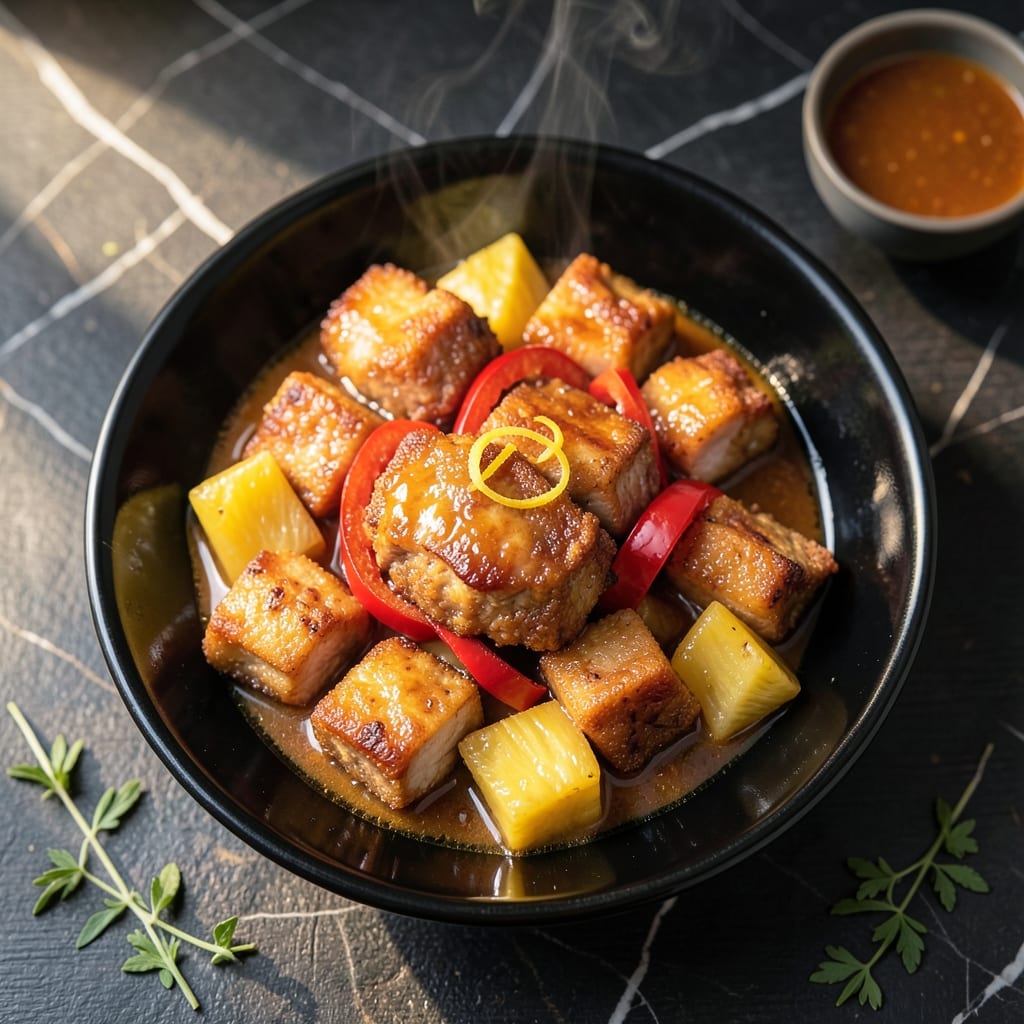
The best sweet and sour pork recipe ever delivers crispy wok-tossed perfection with a bright pineapple zing. This version achieves that ideal balance of tangy and sweet without being cloying, using a proven technique for ultra-crispy pork.
I’ve refined this method through years of testing to ensure each bite stays crispy even after being coated in the glossy sauce. The secret lies in double-frying the pork and using a cornstarch slurry to thicken the sauce just right.
The result is tender pork pieces with a shatteringly crispy exterior, all enrobed in a vibrant sauce bursting with pineapple, bell peppers, and a hint of vinegar sharpness. Every element comes together for a dish that’s both comforting and exciting.
Serve it over steamed rice for a meal that feels like a restaurant favorite, made right in your kitchen.
Ingredients for best sweet and sour pork recipe ever
Crispy pork meets vibrant pineapple and peppers in this perfectly balanced dish. Nothing extra, just flavor.
| Ingredient | Amount | Notes |
|---|---|---|
| Pork Shoulder 🥩 | 1 ½ lb | Cut into 1-inch cubes, trimmed of fat |
| Cornstarch 🌾 | ½ cup | For coating pork pieces |
| Large Egg 🥚 | 1 whole | Lightly beaten for binding |
| Vegetable Oil 🫒 | 4 cups | For deep frying (peanut or canola work too) |
| Pineapple Chunks 🍍 | 1 cup | Fresh or canned, drained |
| Red Bell Pepper 🌶️ | 1 whole | Cut into 1-inch squares |
| Green Bell Pepper 🌿 | 1 whole | Cut into 1-inch squares |
| White Onion 🧅 | 1 whole | Cut into 1-inch chunks |
| Garlic Cloves 🧄 | 3 cloves | Minced for sauce |
| White Vinegar 💧 | ½ cup | Distilled or rice vinegar works |
| Granulated Sugar 🍚 | ¾ cup | Balances the tanginess |
| Ketchup 🍅 | ½ cup | Adds depth to sauce |
| Soy Sauce 🫒 | 2 tbsp | Low-sodium preferred for control |
| Cornstarch 🌾 | 1 tbsp | For thickening the sauce slurry |
| Water 💧 | ¼ cup | For cornstarch slurry |
The pork is non-negotiable here. Pork shoulder (also called pork butt) has the right fat-to-meat ratio for tender, juicy results. Costco sells it pre-cubed for stir-fry, which saves time. For the best texture, trim visible fat but leave some marbling—it renders out during frying and adds flavor. Asian markets often have pre-cut pork specifically for stir-fry if you want to skip prep.
No pineapple chunks? Fresh pineapple rings cut into pieces work, or use crushed pineapple (drained well). Swap bell peppers for carrots or celery if preferred—just cut them the same size. For a less sweet sauce, reduce sugar by 2 tbsp and add an extra 1 tbsp of vinegar. The ketchup can be replaced with tomato paste thinned with water, but the flavor won’t be identical.
Double-fried pork stays crispy for 1-2 hours at room temperature. Sauce can be made 2 days ahead and reheated gently before tossing with pork. Leftovers keep 3-4 days in the fridge but lose some crispiness—reheat in a dry pan to revive.
Why You'll Love This Recipe
- One Pan Magic: I just toss the pork in cornstarch and egg, fry it up, and let the pineapple do the rest. No complicated steps.
- Sweet-Tangy Bite: Honestly, the mix of crispy pork and juicy pineapple chunks with that sticky-sweet glaze? Ridiculously good.
- Crowd Pleaser: My picky nephew and foodie sister both ask for seconds—this one works for family dinners and casual gatherings alike.
- Budget Stretcher: Pork shoulder is cheap, and a little goes a long way. I’ll be real: leftovers taste even better the next day.
Step-by-step instructions for sweet and sour pork
Master the technique for achieving perfectly crispy pork with a glossy, tangy sauce every time.
Coat and Fry the Pork to Golden Perfection
Cut the 1.5 lb Pork Shoulder into 1-inch cubes as specified. Pat them dry with paper towels—this ensures the coating adheres properly. In a bowl, combine the 0.5 cup Cornstarch with the 1 whole Large Egg (lightly beaten) to form a thick, lumpy batter.
Heat the 4 cups Vegetable Oil in a deep pot to 350°F. Working in batches to avoid crowding, coat each pork piece in the batter and fry for 4-5 minutes until deep golden brown and crisp. Drain on a wire rack to maintain texture.
Prepare the Vegetables and Aromatics
While the pork fries, chop the 1 whole Red Bell Pepper, 1 whole Green Bell Pepper, and 1 whole White Onion into 1-inch squares and chunks, respectively. Mince the 3 cloves Garlic Cloves finely—this builds the sauce’s aromatic base.
Drain the 1 cup Pineapple Chunks thoroughly if using canned. Keep all components within arm’s reach of your wok or skillet for a seamless stir-fry. Speed is critical here to preserve the pork’s crispiness.
Create the Sweet and Sour Sauce
In a small bowl, whisk together the 0.5 cup White Vinegar, 0.75 cup Granulated Sugar, 0.5 cup Ketchup, and 2 tbsp Soy Sauce until the sugar dissolves. This balance of tangy, sweet, and umami defines the dish.
In a separate cup, mix the 1 tbsp Cornstarch with the 0.25 cup Water to form a smooth slurry. This will thicken the sauce to a glossy consistency that clings beautifully to the pork and vegetables.
Combine and Toss for Maximum Flavor
In a wok or large skillet over high heat, add a splash of the reserved frying oil. Sauté the garlic for 10 seconds until fragrant, then add the bell peppers and onion. Stir-fry for 2-3 minutes until the vegetables soften slightly but retain a crisp bite.
Pour in the sauce mixture and bring to a simmer. Stir in the cornstarch slurry and cook for 1-2 minutes until the sauce thickens to a syrupy consistency. Add the pineapple chunks and fried pork, tossing gently to coat every piece evenly without breaking the crispy exterior.
Serve immediately while the pork remains crisp and the sauce is glossy. The ideal balance delivers crunch with every bite, followed by the vibrant sweet-and-sour finish.
Pro Tips For Making Best Sweet And Sour Pork Recipe Ever
- Fry in Batches: I learned this the hard way—overcrowding the pan steams the pork instead of frying it. Use enough oil to cover the bottom and fry in small batches for that perfect golden crisp.
- Velvet the Pork: Mix the pork with cornstarch and egg, then let it sit for 10 minutes before frying. Sounds weird, but it keeps the meat impossibly tender, even with lean shoulder cuts.
- Skip Canned Pineapple: Fresh pineapple chunks hold their shape and add a brighter flavor than the canned stuff. If you must use canned, drain and pat them dry first to avoid a watery sauce.
- Double Fry for Crisp: Fry the pork once at 325°F until cooked through, then crank the heat to 375°F for a quick second fry. This guarantees that shatter-crisp crust that makes this dish legendary.
Pro cooking tips for this recipe
Oil Temperature Control
Maintain your frying oil at a steady 350°F throughout the first fry. I use a candy thermometer clipped to the pot for accuracy. If the oil drops below 325°F, your pork will absorb oil and turn greasy instead of crispy.
Double-Fry Technique
After the first fry, let the pork rest for 10 minutes before frying again at 375°F for 1-2 minutes. This second fry revives the crispiness that softens during resting. It's the secret to that restaurant-quality crunch. 🔥
Sauce Consistency
Your cornstarch slurry should be perfectly smooth to prevent lumps in the sauce. I mix 1 tbsp cornstarch with ¼ cup cold water in a small jar and shake vigorously. Add it slowly to the simmering sauce while stirring constantly.
Wok Tossing Method
Use a quick wrist motion to toss the pork and vegetables in the wok. This distributes the sauce evenly without breaking the crispy coating. Keep the heat on high and work quickly—this should take less than 2 minutes. 💡
Resting Time
Let the pork rest on a wire rack between fries, not on paper towels. The rack allows air circulation on all sides, preventing steam from making the coating soggy. This small step makes a huge difference in texture.
Sauce Timing
Have your sauce fully prepped and ready to go before you start the second fry. The pork should go straight from the fryer into the sauce while both are at their peak. This timing ensures maximum crispiness retention.
Nutrition facts
Frequently asked questions
Can I use a different cut of pork?
Pork shoulder is ideal for its marbling, but you can substitute pork tenderloin. Trim all fat first and reduce frying time by 1-2 minutes to prevent drying out. The texture will be leaner but still delicious.
Why does my pork get soggy in the sauce?
This happens when the pork isn't double-fried or the sauce is too thin. Ensure oil stays at 350°F for the first fry and 375°F for the second. Also, thicken the sauce properly with cornstarch slurry before adding the pork.
Can I make this ahead of time?
Fry the pork and store it uncoated at room temperature for up to 2 hours. Re-crisp in 375°F oil for 1-2 minutes before tossing with freshly made sauce. This keeps the texture perfect.