
Recipes/Cooking
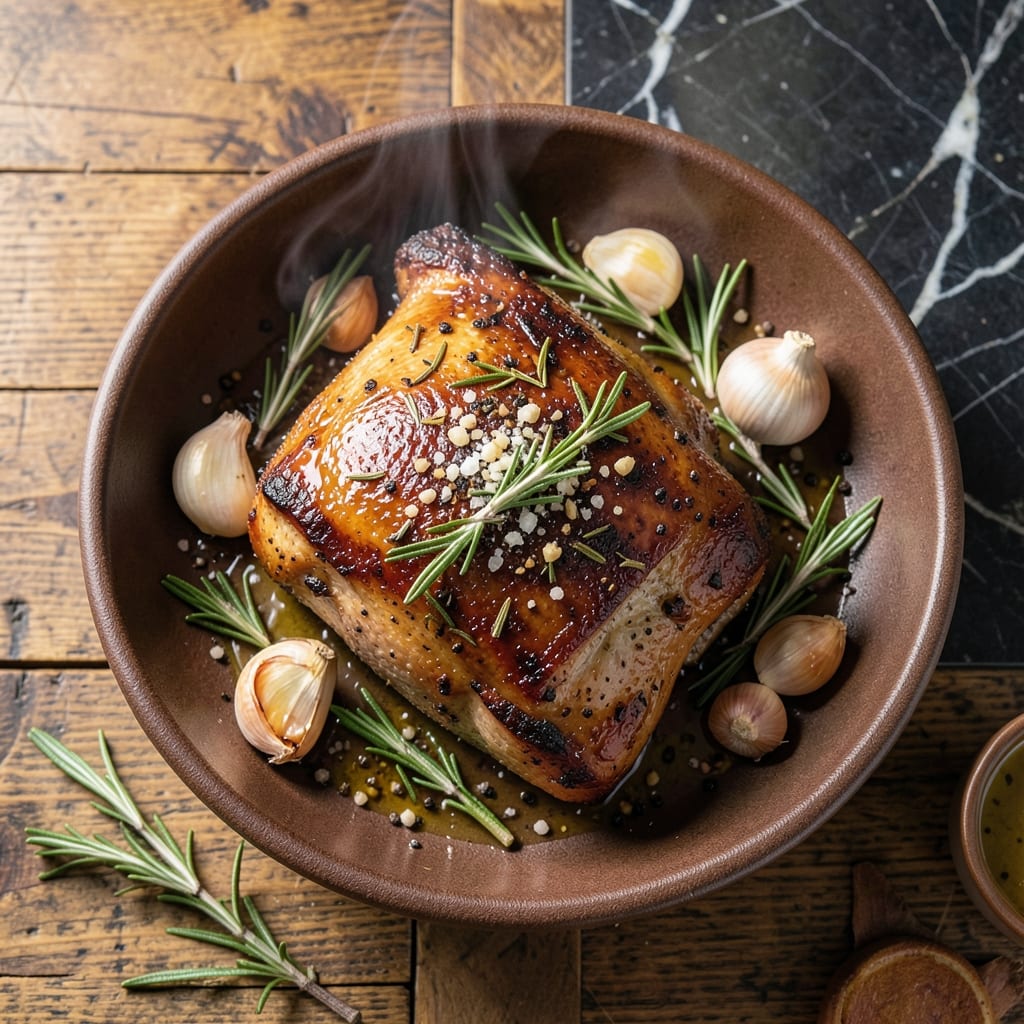
This boneless petite pork shoulder roast recipe delivers melt-in-your-mouth tenderness through slow roasting with aromatic herbs. Growing up in Georgia, I learned that pork deserves patience and respect.
The secret lies in low and slow cooking at 325°F, which transforms tough cuts into buttery-soft perfection. A rub of rosemary, garlic, and black pepper creates a fragrant crust that locks in juices.
After hours in the oven, the pork develops a rich, caramelized exterior while staying impossibly tender inside. The meat pulls apart effortlessly, ready to serve with its flavorful pan juices.
This method works beautifully for intimate dinners or feeding a crowd. The hands-off approach guarantees consistent, professional-quality results every time.
Ingredients for boneless petite pork shoulder roast
Professional-quality results begin with well-sourced pork and aromatic herbs for slow roasting.
| Ingredient | Amount | Notes |
|---|---|---|
| Boneless Petite Pork Shoulder 🥩 | 2 ½ lb | net weight, well-marbled |
| Fresh Rosemary 🌿 | 3 tbsp | finely chopped, stems discarded |
| Garlic Cloves 🧄 | 6 cloves | peeled, minced |
| Coarse Black Pepper 🌶️ | 1 ½ tbsp | freshly ground preferred |
| Kosher Salt 🧂 | 1 tbsp | Diamond Crystal brand preferred |
| Olive Oil 🫒 | 2 tbsp | extra-virgin for richness |
| Yellow Onion 🧅 | 1 whole | medium, quartered |
| Carrots 🥕 | 3 whole | large, cut into chunks |
| Celery Stalks 🌿 | 3 whole | cut into large pieces |
| Dry White Wine 🍷 | ½ cup | Sauvignon Blanc or Pinot Grigio |
| Low-Sodium Chicken Broth 🥣 | 1 cup | or substitute pork stock |
| Fresh Thyme Sprigs 🍃 | 4 whole | optional, for added aroma |
| Bay Leaves 🌿 | 2 whole | dried, for depth |
The pork is everything here. Boneless petite pork shoulder (also called Boston butt) must be well-marbled—look for intense pink color with white fat streaks. Most butchers can bone and tie a larger shoulder for you. For best results, seek out local farms or specialty grocers like Whole Foods where the meat hasn’t been previously frozen. Avoid pre-cut cubes; the roast needs to hold its shape for even cooking.
Need to swap the wine? Apple cider vinegar plus water at a 1:3 ratio adds necessary acidity. No fresh rosemary? Dried at one-third the amount works, though it lacks the piney brightness. The veggies are flexible—fennel or parsnips can replace carrots or celery. For a deeper crust, add 1 tsp smoked paprika to the rub. The broth can be vegetable-based if preferred.
Store the raw pork in its original packaging on a tray in the coldest part of your fridge for up to 3 days. The cooked roast keeps beautifully for 4-5 days in its juices. For longer storage, shred the meat and freeze in portions for up to 3 months.
Why You'll Love This Recipe
- Set It and Forget It: I rub the pork with rosemary, garlic, salt, and pepper, then let the oven do all the work.
- Garlic-Rosemary Magic: The fresh rosemary and garlic create a crust so flavorful I don’t even need a fancy sauce.
- Feeds the Whole Crew: One petite pork shoulder stretches across tacos, sandwiches, and salads for days.
- Leftovers for Days: Honestly, I make this on Sunday just so I can pull it apart for quick dinners all week.
Step-by-step instructions for boneless petite pork shoulder roast
Master this technique for fall-apart tender pork with deeply aromatic herb infusions.
Prepare and Season the Pork
Pat the 2.5 lb Boneless Petite Pork Shoulder dry with paper towels to ensure a good sear. In a small bowl, combine the 3 tbsp Fresh Rosemary, 6 cloves Garlic Cloves, 1.5 tbsp Coarse Black Pepper, and 1 tbsp Kosher Salt. This herb-garlic blend creates a fragrant crust that penetrates deeply during roasting.
Rub the mixture evenly over the entire surface of the pork, pressing it into the meat. Drizzle with 2 tbsp Olive Oil and massage it in, ensuring the seasoning adheres completely. Let the pork sit at room temperature for 30 minutes while you preheat the oven to 325°F.
Sear and Build the Aromatic Base
Heat a Dutch oven or heavy roasting pan over medium-high heat. Add the seasoned pork and sear on all sides until deeply browned, about 3-4 minutes per side. You want a rich, golden crust that locks in juices and adds depth to the final dish.
Remove the pork and set it aside. In the same pan, add the 1 whole Yellow Onion, 3 whole Carrots, and 3 whole Celery Stalks. Sauté for 5 minutes until the vegetables begin to soften and develop color, creating a flavorful foundation for the braising liquid.
Deglaze and Begin the Slow Roast
Pour in the 0.5 cup Dry White Wine to deglaze the pan, scraping up all the browned bits from the bottom. These fond bits are packed with flavor and will dissolve into the sauce. Let the wine simmer for 2 minutes until it reduces slightly.
Return the pork to the pan, placing it on top of the vegetables. Add the 1 cup Low-Sodium Chicken Broth, 4 whole Fresh Thyme Sprigs, and 2 whole Bay Leaves. The liquid should come about halfway up the pork. Cover the pan and transfer it to the preheated oven.
Slow-Roast to Tenderness
Roast the pork for 2.5 to 3 hours, turning it once halfway through the cooking time. The pork is done when it shreds easily with a fork and reaches an internal temperature of 195°F. This low-and-slow method ensures the collagen breaks down completely, yielding that signature pull-apart texture.
If the liquid reduces too much during cooking, add a splash of broth to maintain moisture. The aromatic vegetables and herbs will infuse the meat with a complex, savory depth that makes every bite memorable.
Rest and Serve
Carefully transfer the pork to a cutting board and tent it loosely with foil. Let it rest for 15 minutes to allow the juices to redistribute. This step is crucial for maintaining moisture and ensuring the meat is tender when sliced or pulled.
Skim any excess fat from the cooking liquid and serve the pork with the pan juices spooned over the top. The result is succulent, herb-infused pork with a rich, savory sauce that’s perfect over mashed potatoes or crusty bread.
Pro Tips For Making Boneless Petite Pork Shoulder Roast
- Dry the Roast: Pat the boneless petite pork shoulder completely dry with paper towels before seasoning—I learned this the hard way after my first few roasts steamed instead of seared.
- Score the Fat: Even if it's boneless, make shallow cuts in the fat cap (about 1/4 inch deep) so the rosemary and garlic penetrate deeper during cooking.
- Start Hot: Sear the roast in a screaming hot pan for 2-3 minutes per side to build a crust, then finish low and slow at 300°F—this keeps the meat juicy.
- Rest Under Foil: Let it rest covered for at least 15 minutes after cooking, or all those beautiful juices will end up on the cutting board instead of in the meat.
Flavor customization for this recipe
Spicy Kick
Add 1 tbsp smoked paprika and 1 tsp cayenne pepper to your herb rub for a Southwestern twist. This brings warmth without overpowering the pork's natural sweetness. I learned this trick from a pitmaster in Charleston. 🌶️
Sweet Glaze
During the last 30 minutes of cooking, brush the pork with a mixture of ¼ cup honey and 2 tbsp apple cider vinegar. The glaze caramelizes beautifully, creating a sticky, sweet crust that contrasts with the savory meat.
Asian Fusion
Swap the rosemary for 3 tbsp fresh ginger and 2 tbsp soy sauce in your rub. Add 1 cup orange juice instead of wine for a citrusy, umami-rich variation. This works wonderfully with my heritage pigs' rich flavor.
Herb Variations
For a Mediterranean profile, replace rosemary with 3 tbsp fresh oregano and add 1 tsp fennel seeds. The anise notes complement the pork beautifully. I often use this blend when cooking for my Atlanta food truck events. 🌿
Citrus Brightness
Add the zest of 1 lemon and 1 orange to your rub mixture. The citrus oils brighten the rich pork flavor. This simple addition makes the dish feel lighter and more vibrant, perfect for spring gatherings.
Smoky Depth
For a BBQ-inspired version, add 1 tbsp liquid smoke to your braising liquid. This gives the impression of a smoked roast without needing a smoker. Just a touch enhances the dish without overpowering it.
Nutrition facts
Frequently asked questions
Can I use a regular pork shoulder instead of petite?
Yes, but adjust cooking time. A standard bone-in shoulder needs 3.5-4 hours at 325°F. Petite versions cook faster due to smaller size.
Why rest the pork before serving?
Resting for 15 minutes lets juices redistribute. Slicing too soon causes dry meat as fluids escape. This step guarantees maximum tenderness.
How do I know when it's done?
Use a meat thermometer: 195°F internal temp means it's ready. The meat should pull apart easily with a fork. Avoid relying on time alone.
Can I make this in a slow cooker?
Sear first, then cook on low for 8-9 hours with the same liquids. The texture will be similar but less caramelized.