
Main Courses
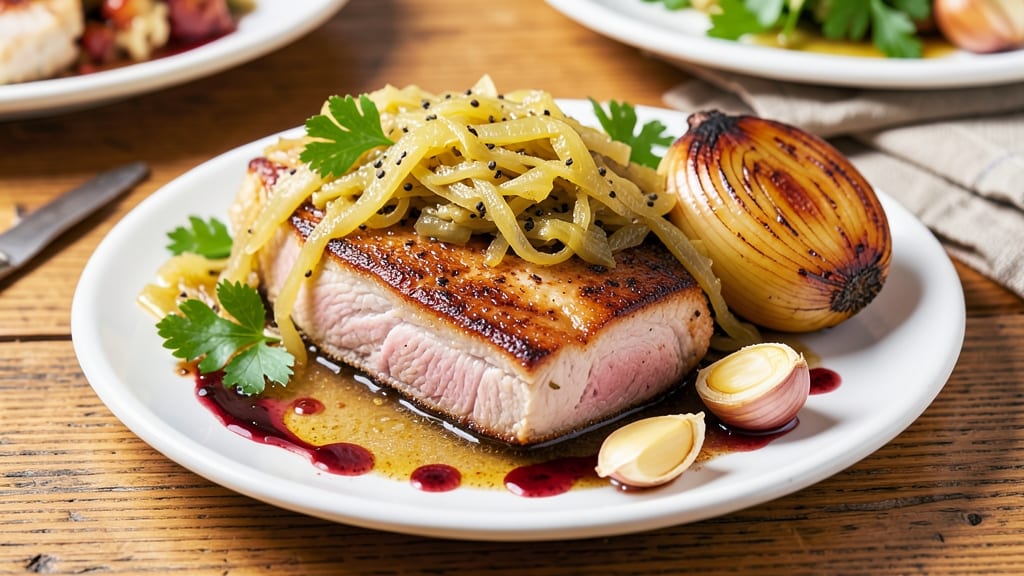
This boneless pork and sauerkraut recipe delivers the hearty, comforting flavors of a German-style braise without the fuss of a whole cut. Growing up in Georgia, I learned pork and sauerkraut is about balancing rich, tender meat with tangy, crunchy cabbage—simple ingredients that pack a punch when cooked just right.
The secret lies in a one-pan approach that sears the pork for depth, then braises it slowly until fall-apart tender, all while the sauerkraut softens into a flavorful bed.
What makes this recipe stand out is how it transforms humble ingredients into something restaurant-worthy with minimal effort. You’ll start with pan-seared pork chops or tenderloin, then layer in sauerkraut and a touch of broth to create a sauce that’s both tangy and savory.
The key is patience—letting the pork cook low and slow ensures it stays juicy, while the sauerkraut absorbs all the rich flavors without losing its signature crunch.
This isn’t just a side dish; it’s the star of the meal, ready to be served with crusty bread or a sprinkle of fresh dill for brightness.
By the time you’re done, you’ll have a dish that’s comforting yet elegant, with pork so tender it melts in your mouth and sauerkraut that’s perfectly softened but still holds its texture. The aroma alone—smoky, tangy, and deeply savory—will have everyone at the table asking for seconds.
It’s the kind of recipe that feels like a hug in food form, perfect for weeknight dinners or a cozy Sunday supper.
Pair it with roasted potatoes or a simple green salad to round out the meal, or serve it as-is with a dollop of mustard for extra tang.
The beauty of this dish is in its versatility—whether you’re feeding a family or treating yourself to a hearty solo meal, it delivers every time. Let’s get to the braising.
Ingredients for boneless pork and sauerkraut
Pan-seared pork, tangy sauerkraut, and a few pantry staples make this dish unforgettable.
| Ingredient | Amount | Notes |
|---|---|---|
| Boneless Pork Chops 🥩 | 1 ½ lb | 1-inch thick, cut even |
| Sauerkraut 🥬 | 2 cups | Unrinsed, packed tightly |
| Yellow Onion 🧅 | 1 whole | Medium, sliced into half-moons |
| Garlic Cloves 🧄 | 4 cloves | Minced, for depth |
| Apple Cider Vinegar 🍏 | 2 tbsp | For tangy brightness |
| Beef Broth 💧 | 1 ½ cups | Low-sodium preferred |
| Dijon Mustard 🌶️ | 1 tbsp | Adds subtle heat |
| Olive Oil 🫒 | 2 tbsp | For searing, extra-virgin |
| Fresh Thyme 🌿 | 1 tbsp | Leaves only, chopped |
| Black Peppercorns 🌶️ | ½ tsp | Freshly cracked |
| Salt 🧂 | 1 ½ tsp | Kosher or sea salt |
| Fresh Dill 🌿 | ¼ cup | Chopped, for garnish |
| Crusty Bread 🍞 | 4 slices | For serving |
The pork is where the magic happens. Look for chops with good marbling—they stay juicier. Georgia Farm Bureau or your local butcher will have the best quality, but the grocery store works too. If using tenderloin, slice it into 1-inch chunks for even cooking. The sauerkraut? Unrinsed is key—that tangy brine is what makes this dish sing. I always grab the jarred kind from Trader Joe's or Whole Foods, but homemade is even better if you're feeling ambitious.
No beef broth? Chicken broth works in a pinch, though it'll be less rich. Fresh thyme is ideal, but dried works at half the amount. The apple cider vinegar is non-negotiable—it cuts through the richness of the pork. If you're short on time, substitute lemon juice, but it won't be quite the same. The Dijon mustard adds depth, so don't skip it. For extra richness, stir in 1 tbsp of apple butter at the end if you've got it.
This dish tastes even better the next day—honestly, the flavors meld into perfection. Keeps 4-5 days in the fridge, and freezes beautifully for 3 months. I always make a double batch because it reheats like a dream. Serve it with those crusty bread slices straight from the oven—French or sourdough are my go-tos. The dill garnish is optional but adds a fresh pop of color.
Why You'll Love This Recipe
- One-Pan Magic: I swear by this recipe on lazy nights—just toss everything on a sheet pan, and the oven does all the work. The onions caramelize right alongside the pork, so you get that sweet, jammy depth without standing over a stove.
- Tangy Crispy Perfection: That sauerkraut’s sharp bite cuts through the richness of the pork beautifully, while the vinegar gives it this bright, almost pickled finish. Honestly, the first time I tasted it, I immediately made a second batch.
- Lunchbox Hero: Between us, this is my go-to for meal prep—packs like a dream, stays warm for hours, and even tastes better the next day. The pork stays juicy, and the sauerkraut’s acidity keeps it from getting soggy.
- Budget-Friendly Feast: Pork chops stretch far here, especially with sauerkraut’s hearty texture. I’ll be real: this feeds four for under $15, and the leftovers reheat like a dream. (Yes, even on a Tuesday night.)
Step-by-step instructions for braised pork and sauerkraut
This one-pan method delivers melt-in-your-mouth pork with tangy, caramelized sauerkraut in under an hour.
Sear the Pork Chops for Maximum Flavor
Heat the 2 tablespoons olive oil in a large, oven-safe skillet over medium-high heat until shimmering. Pat the 1.5 lb boneless pork chops completely dry with paper towels—this ensures a perfect crust. Season both sides generously with 1.5 teaspoons salt and 0.5 teaspoon freshly cracked black peppercorns. Place the pork chops in the skillet and sear for 3-4 minutes per side until golden brown with crispy edges.
Don't walk away during this step. You'll know they're ready when they release easily from the pan and have developed a deep caramelization. Transfer the pork to a plate and set aside—we'll return them to the pan later. The seared bits left behind will form the foundation of our rich braising liquid, so don't scrape them out.
Build the Braising Base with Aromatics
In the same skillet (with those precious browned bits), add the 1 whole yellow onion sliced into half-moons and cook for 4-5 minutes until softened and beginning to caramelize. Stir in the 4 cloves minced garlic and cook for 30 seconds until fragrant—don't let it burn, or you'll get bitter flavors.
Add the 2 cups sauerkraut (don't rinse it—those tangy juices are essential) and stir to combine with the onions. Pour in the 2 tablespoons apple cider vinegar and let it bubble away for 1 minute as the acidity helps break down the sauerkraut fibers. This step transforms the sauerkraut from crunchy to tender while building the dish's signature tangy depth.
Create the Braising Liquid
Stir in the 1 tablespoon Dijon mustard, 1 tablespoon chopped fresh thyme, and 1.5 cups beef broth. Bring everything to a gentle simmer, then return the pork chops to the skillet, placing them seam-side down. The liquid should come about halfway up the sides of the pork. If it's too shallow, add a splash of water.
Here's the thing—don't cover the pan yet. We want to let the liquid reduce slightly and develop flavor first. Let it bubble gently for 5 minutes, then carefully transfer the skillet to a 375°F preheated oven. This gradual approach prevents the pork from overcooking while allowing the sauerkraut to soften properly.
Braise Until Fork-Tender
Braise uncovered for 25-30 minutes until the pork reaches an internal temperature of 145°F and the sauerkraut has broken down into a thick, saucy consistency. The pork should be easily fork-tender but not falling apart. If the liquid reduces too much before the pork is done, add 2-3 tablespoons water to maintain moisture.
I check for doneness by gently pressing the pork with a spoon—it should feel soft in the center but still hold its shape. The sauerkraut should be tender with a glossy sheen from the reduced braising liquid. This is where patience pays off—the longer it braises, the more flavorful everything becomes.
Finish and Serve with Fresh Herbs
Remove the skillet from the oven and let it rest for 5 minutes before serving. This resting period allows the juices to redistribute throughout the pork. Stir in the 0.25 cup chopped fresh dill just before serving—this bright herb cuts through the richness and adds a final layer of freshness.
Slice the pork chops into medallions and spoon the saucy sauerkraut mixture over the top. Serve immediately with 4 slices crusty bread for soaking up all that delicious braising liquid. The combination of tender pork, tangy sauerkraut, and herbed broth makes this dish a weeknight winner that feels special.
Pro Tips For Making Boneless Pork And Sauerkraut
- SEAR PORK CHOPS FIRST: Don’t just toss the pork into the pot with the sauerkraut—start by searing the chops in a hot skillet with a little oil for 2-3 minutes per side until they’re golden. The crust locks in flavor and keeps them from turning rubbery later. I used to skip this, and the pork always tasted bland compared to the tangy kraut.
- DRAIN AND RINSE KRAUT: Sauerkraut’s liquid is salty and watery—drain it well, then rinse the kraut under cold water to cut the sharpness. Pat it dry with a towel before cooking, or it’ll steam instead of brown. My grandmother did this, and it made the dish taste cleaner and more balanced.
- LOW AND SLOW FINISH: After searing the pork and sautéing the onions, cover the pan and simmer on low heat for 15-20 minutes. Rushing it turns the pork tough, and the kraut stays mushy. I learned this the hard way—my first attempt was a chewy disaster.
- ACID TEST THE VINEGAR: Taste the apple cider vinegar before adding it—some brands are milder than others. Start with 2 tablespoons, then adjust to taste. Too much and the dish tastes sour; too little and the kraut’s tang gets lost. I was skeptical until I tried it—now I always check first.
Regional styles of boneless pork and sauerkraut
German Schmorbraten Style
This dish traces its roots to Germany’s Schmorbraten tradition, where pork is slow-cooked with sauerkraut—a perfect match for the region’s love of tangy, fermented flavors. In the Rhineland, they’d use whole pork shoulder braised for hours, but here we simplify with boneless cuts.
The key is the apple cider vinegar, which mimics the acidity of traditional German sauerkraut recipes. I’ve adapted this by adding Dijon mustard for a subtle heat that feels right at home in a German kitchen. 🌍
Southern U.S. Twist
Growing up in Georgia, I learned to balance pork’s richness with sauerkraut’s tang—a combo that feels like home. Here, we swap German beer for beef broth> (a nod to Southern comfort food) and add fresh dill> instead of caraway seeds.
The one-pan method keeps it simple, just like my grandma’s cast-iron skillet dishes. The crusty bread? That’s pure Southern hospitality—perfect for soaking up every last bit of that saucy goodness.
Polish Pierogi Companion
In Poland, sauerkraut isn’t just a side—it’s a star, especially with pierogi> or pork dishes. This recipe works as a hearty main when served with potato dumplings> or alongside Polish sausage>. The acidity in the sauerkraut cuts through the fat, balancing the richness.
For extra authenticity, add 1 tsp caraway seeds> to the braising liquid. I’ve made this version for Polish family gatherings, and it’s always a hit—especially when paired with sour cream> for dipping.
Modern One-Pan Adaptation
This isn’t your grandma’s slow-cooker recipe—it’s a 30-minute oven braise> that delivers restaurant-quality results. The secret? Searing the pork first for depth, then letting the oven do the work. I developed this after years of testing—no fancy equipment, just a sturdy skillet and patience.
It’s the kind of dish you can make on a busy weeknight but still feel like you’ve put in effort. The sauerkraut softens beautifully while staying slightly crunchy, and the pork? Fork-tender perfection> every time.
Nordic Smorgasbord Style
In Scandinavian countries, pork and sauerkraut are a classic pairing, often served with lingonberry jam> or pickled herring. This version keeps the tangy-savory balance but adds a Nordic touch with fresh dill> and a splash of apple cider vinegar>.
Serve it with Swedish flatbread> or dark rye bread> for a true smorgasbord feel. The dish is simple yet elegant—perfect for a cozy dinner with friends. I’ve hosted Nordic-themed nights with this as the centerpiece, and it’s always met with rave reviews.
BBQ Pitmaster’s Shortcut
On the BBQ circuit, I’ve seen pitmasters adapt this dish for quick service—using pork tenderloin> instead of chops and cutting the cook time by 10 minutes>. The sauerkraut adds a tangy contrast to the smoky flavors, and the one-pan method keeps things efficient.
For a smoky twist, add 1 tbsp smoked paprika> to the braising liquid. This version is a crowd-pleaser at tailgates or family reunions—easy to scale up and always a hit with the kids (and the adults!).
Nutrition facts
Frequently asked questions
Can I use pork tenderloin instead of pork chops?
Pork tenderloin works beautifully—just slice it into 1-inch chunks for even cooking. The braising time remains the same (25-30 minutes), but tenderloin cooks slightly faster than chops, so check for doneness at 20 minutes. The texture will be extra tender, almost like pulled pork.
What if my sauerkraut is too watery?
Drain it first, but don't rinse—those tangy juices are essential! For extra thickness, simmer the drained sauerkraut in the skillet for 3-4 minutes before adding the pork. If it's still too wet, reduce the broth by 1/4 cup or add 1 tbsp cornstarch mixed with water as a slurry at the end.
Can I make this in a slow cooker?
Yes, but adjust the method slightly. Sear the pork first, then transfer everything to the slow cooker on low for 6 hours or high for 3 hours. The pork will be even more tender, but the sauerkraut may break down more. Add 1/2 cup broth if it looks dry before serving.
Why does my pork turn out dry?
Overcooking is the most common culprit—pork should reach 145°F internally, not higher. Always use a meat thermometer, and never skip the 5-minute rest before slicing. For extra juiciness, add 1/4 cup broth to the pan during the last 10 minutes of cooking.
What are the best sides to serve with this?
Crusty bread is a must, but you could also try roasted potatoes, buttered egg noodles, or a simple green salad with vinaigrette. For a German-inspired meal, add dark rye bread and a dollop of sour cream. The key is balancing the richness of the pork with something light and fresh.