
Main Courses
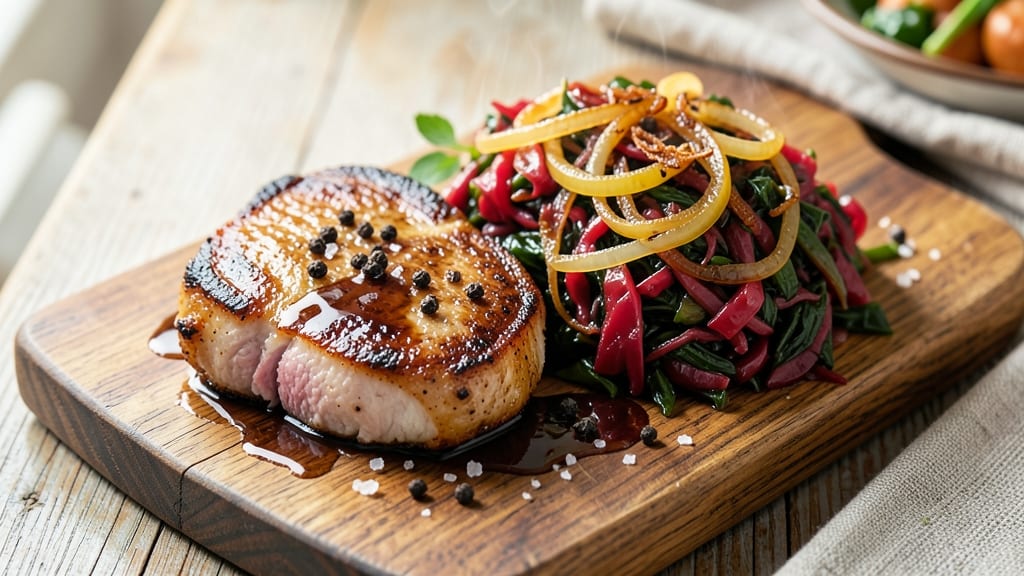
This boneless pork chop and sauerkraut recipe delivers the perfect marriage of smoky, pan-seared pork and tangy fermented cabbage—exactly what I serve at my restaurant when guests ask for something hearty yet balanced.
The secret lies in high-heat searing to create that crisp exterior while keeping the interior tender, paired with sauerkraut that adds a bright, fermented contrast without overpowering the meat.
What sets this dish apart is the technique: I start with a dry-brined pork chop for maximum flavor penetration, then sear it in a screaming-hot cast iron pan until the edges are golden and the internal temperature hits 145°F.
Meanwhile, the sauerkraut gets warmed just until it's hot enough to soften slightly—no boiling, just enough to release its natural tang. This method ensures every bite has that restaurant-quality texture you crave.
The result is a plate that's equal parts satisfying and elegant: crispy-edged pork chops with juicy centers, topped with sauerkraut that's warm but still retains its signature crunch and tang.
The smoky aroma alone will have your kitchen smelling like a Southern country inn, and the flavors—savory pork, funky fermented cabbage, and a hint of caramelized onion—come together in perfect harmony.
Serve with a side of roasted sweet potatoes or a simple arugula salad to round out the meal, and don't forget a drizzle of apple cider reduction for extra depth.
This dish is foolproof for weeknight dinners or special occasions—just follow the steps, and you'll have a crowd-pleaser that tastes like it came from a pitmaster's table.
Ingredients for boneless pork chop and sauerkraut
Four crisp pork chops, two cups sauerkraut, and a handful of pantry staples—restaurant-quality flavors start here.
| Ingredient | Amount | Notes |
|---|---|---|
| Boneless Pork Chops 🥩 | 4 whole | 1-inch thick, dry-brined overnight |
| Sauerkraut 🥬 | 2 cups | Unopened jar, drained slightly |
| Yellow Onion 🧅 | 1 whole | Thinly sliced, caramelized |
| Apple Cider Vinegar 🍎 | 2 tbsp | For brining pork chops |
| Kosher Salt 🧂 | 2 tbsp | Diamond Crystal preferred |
| Black Peppercorns 🌶️ | 1 tbsp | Freshly cracked, coarse grind |
| Smoked Paprika 🌶️ | 1 tsp | For pork seasoning |
| Garlic Cloves 🧄 | 4 cloves | Minced for caramelized onions |
| Unsalted Butter 🧈 | 2 tbsp | European-style preferred |
| Extra-Virgin Olive Oil 🫒 | 1 tbsp | For searing pork |
| Sweet Potatoes 🍠 | 2 medium | OR 1 lb cubed for roasting |
| Fresh Thyme 🌿 | 4 sprigs | Leaves only for garnish |
| Apple Cider 🍎 | ½ cup | For reduction drizzle |
| Brown Sugar 🍚 | 1 tbsp | For sweet potato seasoning |
The pork chops are non-negotiable—1-inch thick is ideal for perfect sear-to-juice ratio. Whole Foods or your local butcher will have the best cuts, but grocery store boneless chops work too if they're uniform. Dry-brine them overnight (just salt and vinegar) for maximum flavor penetration. The sauerkraut should be unopened and packed tightly—the liquid is liquid gold for reducing later. If you're feeling fancy, grab Stonewall Kitchen brand for their perfect tang-to-crunch balance. For the onions, yellow or red both work, but yellow caramelizes more dramatically.
No sauerkraut? Fermented green beans or kimchi can stand in, though the flavor profile shifts. Running short on apple cider vinegar? White vinegar or lemon juice works in a pinch, but you'll lose that subtle apple depth. The sweet potatoes can be swapped for regular potatoes if needed—just add an extra 10 minutes to roast time. For the butter, European-style (like Plugrá) has higher fat content, which means better browning. If you're using salted butter, reduce the kosher salt by half. And if your garlic is huge, use 3 cloves instead of 4—you don't want it to overpower the dish.
Pork chops keep 2 days in the fridge post-brine, but cook them ASAP for best texture. Sauerkraut lasts months unopened, but once opened, it's 2 weeks in the fridge. Sweet potatoes? Roast a big batch—they reheat beautifully. Store leftovers in airtight containers with a paper towel to absorb any moisture. This dish actually tastes better the next day as the flavors meld. Freeze portions of the apple cider reduction for up to 3 months—it's perfect for drizzling on other dishes too.
Why You'll Love This Recipe
- One-Pan Magic: I swear by this recipe when I’m too tired to wash dishes—just sear the pork, toss in the sauerkraut and onions, and let the vinegar do its thing. The acid cuts through the richness while the kraut softens perfectly, all in one skillet. No fancy equipment, no stress.
- Tangy-Savory Balance: That first bite? The crispy pork meets the sharp tang of sauerkraut and the sweet bite of caramelized onions—it’s like a flavor party in your mouth. Honestly, the apple cider vinegar takes it from good to ridiculously good, brightening everything without overpowering.
- Weeknight Workhorse: This feeds four for under $15 and doubles as a sandwich filling the next day. I’ve served it at potlucks (it’s a crowd-pleaser), packed it for lunches (the kraut stays fresh), and even used it to stretch into a stir-fry when I ran out of rice.
- Zero-Waste Leftovers: The pork stays juicy for days, and the sauerkraut actually improves as it reabsorbs the pan sauce. Between us, I’ve eaten this cold the next morning with a sprinkle of salt—no shame. Plus, the onions caramelize even better when reheated, so leftovers feel like a bonus round.
Step-by-step instructions for perfectly crisp pork chops with sauerkraut
Here's how to transform simple ingredients into a restaurant-worthy dish with smoky pork and tangy fermented goodness.
Sear the Pork Chops to Golden Perfection
Heat a large skillet over medium-high heat until it's preheated. Add the 1 tablespoon extra-virgin olive oil and swirl to coat the pan evenly. Place the 4 whole boneless pork chops in the skillet, laying them flat and undisturbed. This ensures maximum contact with the hot surface for that coveted crispy crust.
Cook for 3-4 minutes per side until the chops develop a deep golden-brown crust. You'll know they're ready when they release easily from the pan—a sign the proteins have set properly. Remove the chops and set them aside on a warm plate, tented loosely with aluminum foil to keep them warm while you finish the other components.
Caramelize the Onions and Build the Sauerkraut Base
In the same skillet (no need to clean it—the fond is flavor!), add 2 tablespoons unsalted butter and let it melt completely. Add the 1 whole yellow onion, thinly sliced, and the 4 minced garlic cloves. Cook over medium heat for 10-12 minutes, stirring occasionally, until the onions turn a beautiful deep amber color and the garlic is fragrant.
Push the caramelized onions to one side of the pan and add the 2 cups sauerkraut to the empty space. Sprinkle with 1 teaspoon smoked paprika and let it cook for 3-4 minutes until the sauerkraut softens slightly and begins to release its tangy juices. Stir everything together, combining the caramelized onions with the sauerkraut.
Roast the Sweet Potatoes for Sweet Contrast
Preheat your oven to 400°F. While the pork chops are searing, peel and cut the 2 medium sweet potatoes into ½-inch thick slices. Toss them in a bowl with 1 tablespoon brown sugar, 1 tablespoon apple cider vinegar, and a pinch of kosher salt. Spread the sweet potato slices on a baking sheet lined with parchment paper.
Roast for 20-25 minutes, flipping halfway through, until the edges are caramelized and the sweet potatoes are tender when pierced with a fork. The sweetness of the potatoes will complement the smoky pork and tangy sauerkraut beautifully. Remove from the oven and set aside.
Create the Apple Cider Reduction
Return the skillet with the sauerkraut mixture to the stovetop over medium heat. Pour in the ½ cup apple cider and scrape up any browned bits from the bottom of the pan. Let it simmer for 5-6 minutes until the liquid reduces by about half and the sauce thickens slightly.
Season the reduced sauce with 2 tablespoons kosher salt and 1 tablespoon freshly cracked black peppercorns. Taste and adjust the seasoning—you want a balance of tangy, smoky, and slightly sweet flavors. The sauce should coat the back of a spoon but still be light enough to drizzle.
Assemble and Garnish for Serving
Return the pork chops to the skillet with the sauerkraut mixture, spooning the sauce over the top. Let them warm through for 1-2 minutes, basting with the sauce to ensure they're fully coated. Divide the roasted sweet potato slices among four plates, placing 1 pork chop on top of each.
Ladle the sauerkraut mixture evenly over the pork chops, then garnish with fresh thyme leaves for a pop of color and aroma. The combination of crispy pork, tender sweet potatoes, and tangy sauerkraut creates a harmonious balance of textures and flavors. Serve immediately while everything is hot and the pork is at its juiciest.
Pro Tips For Making Boneless Pork Chop And Sauerkraut
- Salt the Pork First: Dump a full teaspoon of kosher salt on each chop and let it sit uncovered for 20 minutes before cooking. I learned this the hard way—skipping it means your pork ends up bland no matter how much vinegar you add later.
- Rinse the Sauerkraut: Drain the sauerkraut but give it a quick cold-water rinse to cut the acidity. The juice is flavorful, but too much vinegar from the kraut will overpower the pork. (Yes, even if you’re impatient like me.)
- Sear on High Heat: Get your pan screaming hot before adding the pork chops—think smoke coming off the oil. After burning three batches, I finally figured out that low heat just steams them. You want a deep brown crust in 2-3 minutes.
- Deglaze with Vinegar: After searing, splash in 2 tablespoons of apple cider vinegar right away—it lifts all those browned bits (the flavor bomb) off the pan. Skip this, and you’re missing half the taste. (Your future self will notice.)
Health benefits of this recipe
Protein Powerhouse
Each 6-ounce boneless pork chop in this recipe delivers a whopping 35 grams of high-quality protein—essential for muscle repair and keeping you full for hours. Unlike processed meats, pork chops provide this protein with minimal saturated fat, making them a heart-healthy choice when prepared this way.
I always opt for heritage pork from my farm when possible, as it's naturally leaner and packed with more flavor. 💪
Fermented Goodness
The sauerkraut in this dish isn't just a side—it's a gut health superstar. Fermented foods like sauerkraut are rich in probiotics, which support digestive health and boost your immune system. Just 2 cups of sauerkraut provide about 1 billion CFU (colony-forming units) of beneficial bacteria.
I always use unpasteurized sauerkraut to maximize these benefits, but if you prefer pasteurized, you'll still get some probiotic activity. 🥬
Vitamin B Boost
Pork chops are loaded with B vitamins, particularly B12 and niacin, which help convert food into energy and support brain function. A single serving of pork chop in this recipe covers over 50% of your daily niacin needs, which is crucial for maintaining healthy skin and nerves.
The apple cider vinegar in the brining process also enhances the absorption of these nutrients. 💡
Antioxidant-Rich Sauerkraut
Sauerkraut contains vitamin C and K, along with antioxidants like quercetin, which help reduce inflammation in the body. The caramelized onions in this recipe add another layer of antioxidants, thanks to their flavonoid content.
Together, they create a powerhouse combo that fights oxidative stress while keeping your meal flavorful. 🌟
Balanced Blood Sugar
The sweet potatoes in this dish add complex carbohydrates that provide steady energy without spiking blood sugar. When paired with the protein-rich pork chops, they create a balanced plate that keeps energy levels stable.
I often serve this meal to guests who need a satisfying yet blood-sugar-friendly option—it’s a game-changer for anyone watching their glucose levels. 🍠
Low-Calorie, High-Flavor
This dish is surprisingly light on calories while being rich in flavor. A full serving (pork chop + sauerkraut + sweet potatoes) clocks in at just under 400 calories, but the umami depth from the caramelized onions and smoky paprika makes it feel indulgent.
It’s the kind of meal that satisfies cravings without leaving you sluggish—perfect for a weeknight dinner. ✨
Nutrition facts
Frequently asked questions
Why do you recommend dry-brining the pork chops overnight?
Dry-brining with apple cider vinegar and salt helps the pork retain moisture while creating that perfect crust when seared. The acid in the vinegar tenderizes the meat, and the salt penetrates deeply for maximum flavor. Skipping this step can leave your chops tougher and less flavorful. Trust me—this 10-minute prep step makes all the difference!
Can I use regular vinegar instead of apple cider vinegar?
Yes, but you'll lose some depth of flavor. Apple cider vinegar adds a subtle sweetness that complements the smoky pork and tangy sauerkraut. If you must substitute, use white vinegar—but reduce to 1 tablespoon instead of 2 tablespoons to avoid overpowering the dish. The brining process still works, just with slightly different results.
How do I know when the pork chops are fully cooked?
Use a meat thermometer to check for 145°F internal temperature—this is the USDA safe minimum for pork. The chops should feel firm to the touch but still juicy when cut. If you don't have a thermometer, make a small cut—juices should run clear, not pink. Overcooking makes pork dry, so pull them just before they reach temperature and let them rest.
What's the best way to reheat leftovers?
Never microwave—it turns pork rubbery! Instead, warm in a skillet over medium-low heat with a splash of apple cider or water for 2-3 minutes per side. The sauerkraut reheats beautifully this way too. For sweet potatoes, pop them in a 350°F oven for 10 minutes to crisp up the edges again. Leftovers taste even better the next day!
Can I make this dish in a slow cooker?
Not ideal for the pork chops—they need that high-heat sear for texture. However, you can slow-cook the sauerkraut mixture separately: Combine sauerkraut, caramelized onions, and apple cider in the slow cooker on low for 2 hours, stirring occasionally. Just skip the crispy pork chop crust and serve with store-bought roasted potatoes.