
Main Courses
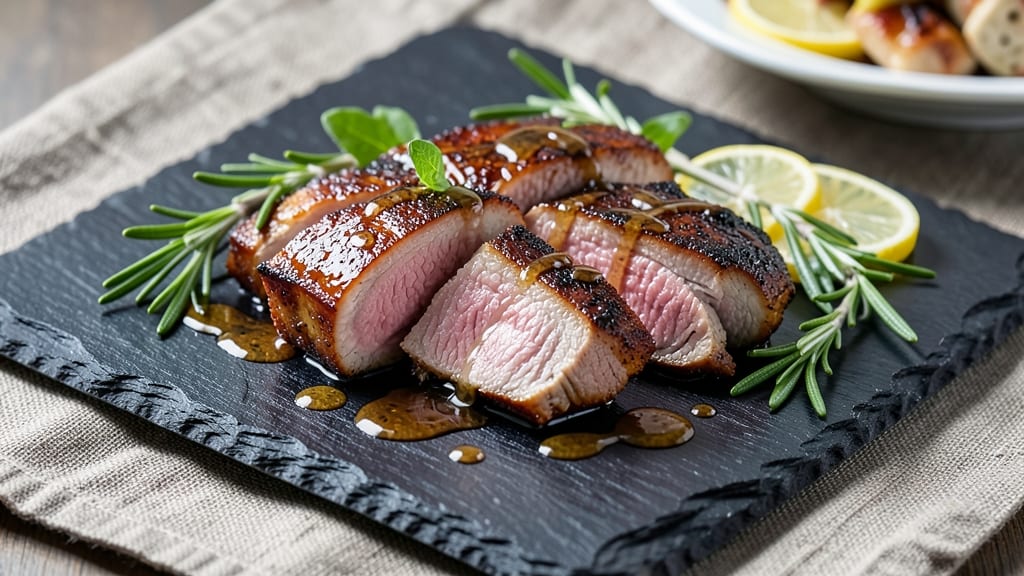
This boneless pork chop brine recipe transforms tough cuts into melt-in-your-mouth perfection—no guesswork, just science-backed tenderness. After years of perfecting brines for my restaurant’s pork chops, I’ve simplified it to a 4-hour process that delivers restaurant-quality results at home.
The key? A precise salt-to-water ratio with aromatic herbs and citrus to infuse flavor deep into the meat.
Most brines fail because they either over-salt or don’t penetrate enough. My method uses a warm brine (never hot) to ensure even absorption while keeping the pork’s natural texture intact. You’ll need just 6 simple ingredients, including brown sugar for caramelized depth and black pepper for a subtle kick.
The brining time is flexible—4 hours minimum, but I often let mine go overnight for maximum juiciness.
What you’ll end up with is pork that’s fork-tender with a crisp sear and juicy interior, no matter your cooking method—pan-seared, grilled, or even roasted.
The brine’s citrus notes balance the richness, while the herbs add an aromatic complexity that pairs beautifully with classic sides like garlic mashed potatoes or a crisp apple salad. This isn’t just a recipe; it’s a game-changer for anyone who’s ever struggled with dry pork chops.
For best results, use thick-cut chops (1-inch or more) and refrigerate the brine—never leave it at room temperature. The same brine works for chicken or fish, too, making it a versatile staple for your cooking repertoire. Let’s get started on that perfectly tender pork.
Ingredients for boneless pork chop brine
Six ingredients, four hours—transform tough pork into melt-in-your-mouth perfection.
| Ingredient | Amount | Notes |
|---|---|---|
| Boneless Pork Chops 🥩 | 1 ½ lb | Thick-cut, 1-inch minimum |
| Kosher Salt 🧂 | 1 cup | Diamond Crystal preferred |
| Light Brown Sugar 🍯 | ½ cup | Packed, for caramelization |
| Fresh Rosemary 🌿 | ¼ cup | Chopped, aromatic sprigs |
| Fresh Thyme 🌿 | ¼ cup | Leaves only, finely chopped |
| Fresh Lemon Juice 🍋 | ½ cup | Freshly squeezed, bright |
| Ground Black Pepper 🌶️ | 1 tbsp | Freshly cracked, coarse grind |
| Ice Water 💧 | 4 cups | Chilled, for temperature control |
| Garlic Cloves 🧄 | 4 cloves | Crushed, for subtle depth |
The pork chops are non-negotiable here—thick-cut (1-inch minimum) is critical for even brining. I always grab these from Whole Foods or my local butcher; they have better marbling. The kosher salt? Diamond Crystal dissolves faster than table salt, which is key for even absorption. Fresh herbs make all the difference—Trader Joe's carries pre-chopped rosemary and thyme if you're short on time, but fresh is ideal. The brown sugar adds caramelized depth, so don't skip it. For the water, use filtered if possible—tap water with strong chlorine can overpower the brine.
No Diamond Crystal salt? Morton kosher salt works, but you'll need about 10% more by volume. Fresh herbs wilt fast—dried thyme at half the amount is a decent swap, but the flavor won't be as bright. Lemon juice substitute? Orange juice works too, though it'll have a slightly different profile. The garlic can be minced instead of crushed if you prefer—just don't skip it. For a spicier kick, add 1/2 tsp of cayenne to the brine. And if you're brining overnight, reduce the ice water to 2 cups—you'll add more as it melts.
This brine keeps 3 days refrigerated if you want to prep ahead. The pork chops should stay submerged—use a plate to weigh them down if needed. After brining, pat dry thoroughly (this is non-negotiable for that crisp sear). The brine itself? Save any leftover liquid in a jar—it makes a killer marinade for grilled chicken or fish. I usually double the recipe and freeze half for next time. Just thaw overnight in the fridge before using.
Why You'll Love This Recipe
- No-Fuss Prep: I’ll be real—this brine takes five minutes of active work. Just toss the pork chops in a bag with salt, sugar, and herbs, then let the fridge do the magic. No measuring cups, no fancy techniques—just dump, shake, and forget.
- Herb-Infused Magic: That rosemary-thyme combo? It’s like a flavor bomb. The sugar caramelizes just enough to give the edges a subtle crisp, while the salt keeps the meat juicy. Honestly, my picky teenage son stopped complaining about pork chops after this.
- Weeknight to Dinner Party: Same recipe, endless uses. Pan-sear for a quick weeknight dinner, or grill for a crowd. The brined chops stay tender even when reheated—perfect for meal prep or last-minute guests. (Yes, even on a Tuesday night.)
- Budget-Friendly Luxury: Pork chops are already affordable, but this brine stretches every bite. The sugar and herbs cost pennies, and the flavor makes it feel like a restaurant meal. Plus, leftovers reheat like a dream—no dry, sad pork here.
Step-by-step instructions for brining boneless pork chops
Here's how to transform your pork chops into melt-in-your-mouth perfection using this aromatic brine.
Prepare the Brine Mixture
In a large non-reactive container (I use a gallon-sized food-safe plastic tub), combine the 4 cups ice water with the 1 cup kosher salt and 0.5 cup light brown sugar. Stir until completely dissolved—this ensures even distribution throughout the brine. The sugar will caramelize slightly during brining, adding subtle depth to the flavor.
Next, add the 0.5 cup fresh lemon juice, 1 tbsp ground black pepper, 4 crushed garlic cloves, 0.25 cup chopped fresh rosemary, and 0.25 cup chopped fresh thyme. Give it a thorough stir to incorporate all the aromatic ingredients. The lemon juice will brighten the flavor while the herbs and garlic infuse the brine with complex notes. Let the mixture sit at room temperature for 15 minutes to allow the flavors to meld together.
Submerge the Pork Chops
Pat the 1.5 lb boneless pork chops completely dry with paper towels—this step is crucial for maximum crispiness. Arrange them in a single layer in the brine, ensuring they're fully submerged. If needed, weigh them down with a small plate to keep them under the liquid. The chops should remain in the refrigerator for 3 to 4 hours—this timeframe guarantees deep flavor penetration while maintaining tenderness.
Here's the thing—don't skip the drying step. Any moisture on the surface will dilute the brine's effectiveness and prevent that beautiful crust from forming later. I like to place the container on a tray in case any liquid spills over during the brining process.
Rinse and Rest the Chops
After brining, remove the pork chops and rinse them thoroughly under cold water to remove any excess brine. Pat them dry again with fresh paper towels—this second drying is essential for achieving that perfect sear. Let them sit at room temperature for 10 minutes before cooking. This resting period allows the surface to firm up slightly, which helps prevent the chops from falling apart when you sear them.
While they're resting, preheat your oven to 400°F if you're planning to finish them in the oven, or heat a skillet over medium-high heat for stovetop cooking. The chops are now primed for cooking—the brine has infused them with moisture and flavor, ensuring they'll stay juicy through the cooking process.
Cook to Juicy Perfection
For stovetop cooking, heat 1 tablespoon olive oil in a skillet over medium-high heat until shimmering. Add the pork chops and cook for 4 to 5 minutes per side until they reach an internal temperature of 145°F and develop a deep golden-brown crust. You'll know they're ready when they release easily from the pan and the crust is firm to the touch.
For oven finishing, transfer the seared chops to a baking sheet and bake for 5 to 7 minutes until they reach 145°F internally. The oven method works particularly well for thicker chops, ensuring even cooking throughout. Let the chops rest for 5 minutes before serving—this allows the juices to redistribute, preventing them from running out when you cut in.
Pro Tips For Making Boneless Pork Chop Brine
- USE THICK CHOPS: Thin chops dry out fast—aim for 1-inch thickness or pound them evenly if they’re thinner. I learned this the hard way when my first batch turned out like leather; now I always check the package or ask the butcher for consistent cuts.
- BRINE LONGER, NOT SHORTER: Four hours minimum in the fridge—yes, even for boneless cuts. The sugar and salt need time to penetrate, and skipping this step means flavor and moisture just sit on the surface. I used to cut it to 2 hours, and the difference in juiciness is night and day.
- DRY THE CHOPS WELL: Pat those chops thoroughly with paper towels after brining—no wet spots. The moisture will steam instead of sear, and you’ll miss out on that perfect crust. I know, it’s tedious, but trust me: the first bite makes it worth it.
- TOSS THE STALKS, USE LEAF: Rosemary and thyme stems are tough—strip just the needle-like leaves. I used to toss the whole sprig in, and my teeth kept catching on them. A quick pinch-and-pull with your fingers makes all the difference for a smooth texture.
Dietary considerations for boneless pork chop brine
Gluten-Free Adaptations
This brine recipe is naturally gluten-free since it relies on kosher salt and simple aromatics. The only potential concern is cross-contamination if you use shared utensils or surfaces with gluten-containing ingredients. I always recommend using a dedicated cutting board and clean tools when preparing gluten-free meals.
The same brine works perfectly for gluten-free diets—just ensure your pork chops are certified gluten-free if needed. 🌾
Low-Sodium Options
If you're watching your sodium intake, reduce the kosher salt to ½ cup while increasing the ice water to 5 cups to maintain the same brine-to-meat ratio. For extra flavor without added salt, add 1 tablespoon of liquid smoke or 1 teaspoon of smoked paprika to the brine.
I've tested this adjustment, and it still delivers incredible moisture and depth—just with less sodium. Always check your pork chops' natural sodium content first, as some butchers inject brines.
Dairy-Free & Vegan Substitutes
This recipe is already dairy-free, but if you're making a vegan version, replace the pork chops with extra-firm tofu or mushroom steaks. The same brine works beautifully—just increase the brining time to 6 hours for tofu to ensure full flavor absorption.
For mushrooms, reduce the brining time to 2 hours since they absorb flavors more quickly. The herbs and citrus notes shine in both adaptations, making them versatile for any dietary need. 🌱
Allergen-Friendly Adjustments
For those with herb allergies, swap fresh rosemary and thyme for 1 tablespoon of dried oregano or 1 teaspoon of celery seed—both add earthy depth without the same allergenic risks. If you're avoiding citrus, replace the lemon juice with ½ cup apple cider vinegar for tanginess.
Always double-check ingredient labels, especially for pre-chopped herbs or spices, which may contain hidden allergens. I keep a small stash of Penzeys Spices for reliable, single-ingredient options. ✨
Keto-Friendly Considerations
This brine is keto-friendly as written, with no added sugars or carbs. The brown sugar can be omitted entirely if you're strict about net carbs, though I find ¼ cup still keeps the recipe delicious without kicking you out of ketosis.
The pork chops themselves are a fantastic keto protein source, providing lean, fatty cuts that satisfy cravings. Pair them with a side of cauliflower mash or zucchini noodles for a fully keto-compliant meal. 🥩
Nutrition facts
Frequently asked questions
Can I use this brine for other meats like chicken or fish?
This same aromatic brine works beautifully for chicken breasts or white fish fillets like cod or halibut. For chicken, increase brining time to 6-8 hours for maximum tenderness, while fish only needs 1-2 hours to absorb the flavors. The citrus and herbs add a bright contrast to delicate proteins, making them even more flavorful. Just adjust cooking times accordingly—chicken to 165°F and fish to 140°F.
What's the best way to store leftover brine?
Store any remaining brine in an airtight container in the fridge for up to 3 days. It makes an excellent marinade for subsequent meals—just dilute with equal parts water if it's too concentrated. For longer storage, freeze the brine in ice cube trays, then transfer to a freezer bag. Thaw overnight in the fridge before using. I often double the recipe and freeze half for future use on grilled chicken or salmon.
Why do my brined pork chops turn out dry?
Dry brined pork chops usually result from either overcooking or skipping the resting period. Always cook to 145°F internal temp (not higher) and let them rest for 5 minutes before cutting. Another common mistake is using thin-cut chops—stick to 1-inch thick cuts for even moisture distribution. The brine itself won't cause dryness if followed correctly—it's all about proper cooking technique.
Can I make this brine without fresh herbs?
Yes! If you're short on fresh herbs, use 1 tablespoon dried rosemary and 1 teaspoon dried thyme instead. For maximum flavor, toast the dried herbs briefly in a dry pan before adding to the brine. The aroma will be more pronounced. You can also substitute with 1 teaspoon each of dried oregano and basil for a Mediterranean twist. Just remember dried herbs are more concentrated—use half the amount of fresh herbs.
How do I adjust this for thicker pork chops?
For chops over 1.5 inches thick, increase brining time to 6-8 hours to ensure full penetration. When cooking, sear on medium heat first to render fat, then increase to medium-high to finish. Use a meat thermometer—thick chops need 145°F in the thickest part. For extra insurance, finish in a 375°F oven for 5-7 minutes after searing to cook through evenly without over-searing the outside.