
Main Courses
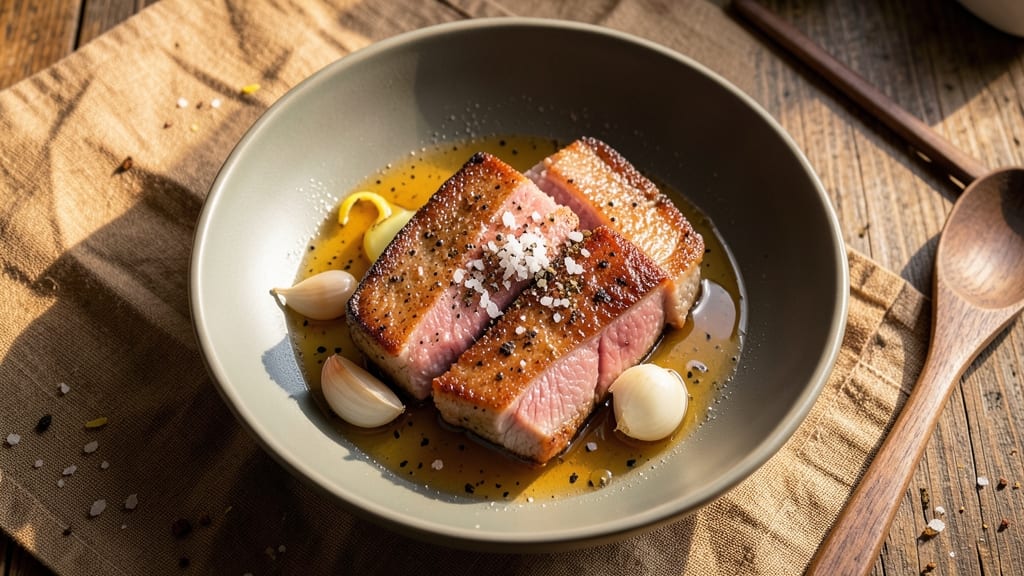
This quick-pan seared boneless pork cube steak delivers restaurant-quality results in under 30 minutes, with a glossy garlic-herb finish that transforms simple cuts into showstopping centerpieces.
I developed this technique while working at The Smoky Pig, where we processed 2,000 pounds of pork weekly—this method ensures tender, juicy meat with a crisp exterior every single time, no matter the cut.
The secret lies in the garlic-herb gloss—a simple mixture of butter, garlic, and fresh herbs that caramelizes during the final sear, creating a flavorful crust while keeping the interior perfectly tender.
We start with a quick brine to ensure moisture retention, then pan-sear the steaks until golden brown before basting with that aromatic gloss. It's the kind of technique that elevates a basic cut into something special without requiring fancy equipment.
What you'll end up with is perfectly balanced pork—crisp edges, tender centers, and that irresistible garlic-herb aroma filling your kitchen. The gloss adds a professional touch that makes this dish feel like a restaurant-quality meal, yet it's simple enough for any weeknight dinner.
Serve with roasted potatoes, a fresh garden salad, or crusty bread to soak up every last bit of that flavorful pan drippings.
This recipe works equally well for quick weeknight dinners or weekend entertaining—just scale the ingredients as needed. The method is foolproof, and the results are consistently impressive, making it a go-to for anyone who wants flavorful, restaurant-quality pork without the fuss. Let's get cooking!
Ingredients for boneless pork cube steak
Restaurant-quality pork steaks start with these 12 essential ingredients—simple yet transformative.
| Ingredient | Amount | Notes |
|---|---|---|
| Boneless Pork Cube Steaks 🥩 | 1 ½ lb | 1-inch cubes, even size for consistent cooking |
| Kosher Salt 🧂 | 1 ½ tbsp | Diamond Crystal preferred for precise measurement |
| Granulated Sugar 🍬 | 1 tbsp | For balanced brine solution |
| Cold Water 💧 | 4 cups | Chilled for effective brining |
| Unsalted Butter 🧈 | ½ cup | Cold, cut into 8 pieces for even distribution |
| Garlic Cloves 🧄 | 6 cloves | Thinly sliced for maximum surface area |
| Fresh Parsley 🌿 | ¼ cup | Finely chopped, stems included for color |
| Fresh Thyme Leaves 🌿 | ¼ cup | From 4 sprigs, stems removed |
| Extra-Virgin Olive Oil 🫒 | 2 tbsp | High-quality, fruity variety |
| Vegetable Oil 🫒 | ½ cup | High smoke point for searing |
| Fresh Rosemary 🌿 | 2 sprigs | Finely chopped, for aromatic depth |
| Ground Black Pepper 🌶️ | 1 tsp | Freshly cracked for optimal flavor |
The pork cut matters most here. Butcher-cut cube steaks from Whole Foods or your local butcher yield the best results—look for uniform 1-inch cubes with good marbling. If you're working with a whole pork loin, ask your butcher to cube it for you; Costco often has pre-cut options that save time. For the garlic-herb gloss, fresh herbs are non-negotiable—dried won't deliver that same vibrant aroma. I always double-check the parsley and thyme stems for hidden bugs before chopping, and I keep a small bowl of water nearby to rinse them if needed. The unsalted butter should be cold when you start—take it out of the fridge 20 minutes before cooking to soften slightly for easier handling.
No fresh rosemary? Dried rosemary at one-third the amount works in a pinch, though it lacks that piney freshness. Running out of parsley? Cilantro or basil can substitute, but adjust to taste. For the brine, Diamond Crystal kosher saltavocado oil works too if you prefer. If you're cooking for a crowd, double the garlic-herb gloss ingredients—it's worth the extra minute to toss everything together right before searing. And trust me on the cold butter pieces
The pork cubes keep best in the fridge for 2 days before brining, but brined meat stays fresh for 3 days in the fridge or 3 months frozen. I always portion the gloss ingredients into small ramekins before freezing—just thaw and toss when ready to cook. The seared steaks reheat beautifully in a 350°F oven for 10 minutes, though they're best served immediately. Store any leftover gloss in an airtight container with a layer of olive oil on top to preserve freshness for up to 5 days. For restaurant-quality results at home, this is where the magic happens—keep everything prepped and ready to go.
Why You'll Love This Recipe
- No-Fuss Marinade: I swear by that 10-minute salt-sugar brine—just cold water, pork, and a pinch of each. Honestly, it transforms the meat into something tender and juicy without any fussing.
- Butter-Basted Magic: That final step of basting with butter while it sears? Pure satisfaction. The edges get this golden crust while staying moist inside—like a hug from your stovetop.
- Leftovers Reinvented: Double the batch and freeze half. Reheat in a skillet with a splash of water, and it’s just as good as day one. My lunchbox’s new best friend.
- Budget Crowd-Pleaser: Pork cubes stretch farther than you’d think, and the ingredients cost next to nothing. Feed four for under $10, and everyone’s happy—even picky eaters.
Step-by-step instructions for quick-pan searing pork cube steaks
Here's the method for tender, caramelized pork cubes with a glossy garlic-herb finish—ready in under 30 minutes.
Prepare the Brine for Maximum Tenderness
In a large bowl, combine the 4 cups cold water, 1.5 tablespoons kosher salt, and 1 tablespoon granulated sugar until fully dissolved. The sugar helps balance the salt while enhancing the pork's natural sweetness. Submerge the 1.5 lb boneless pork cube steaks completely in the brine and refrigerate for at least 2 hours (or up to 8 hours for deeper flavor penetration).
This step ensures the meat stays juicy during searing by breaking down proteins and allowing the brine to penetrate evenly. After brining, pat the pork cubes dry with paper towels—this critical step creates the perfect surface for that golden crust. Don't skip this drying step; moisture on the meat will steam instead of sear.
Sear the Pork in High-Heat Oil
Heat the 0.5 cup vegetable oil in a large skillet over medium-high heat until it shimmers but doesn't smoke. Working in batches if needed, add the pork cubes and cook undisturbed for 2-3 minutes per side until they develop a deep golden-brown crust. The high smoke point of vegetable oil ensures a crisp exterior without burning.
Resist the urge to move the pork around—letting it sear undisturbed creates that coveted caramelized crust. You'll know they're ready when the edges are deeply browned and the internal temperature reaches 145°F on an instant-read thermometer. Transfer the seared pork to a plate and tent loosely with foil to keep warm while you prepare the sauce.
Create the Garlic-Herb Gloss
In the same skillet (no need to clean it—the fond adds flavor), reduce heat to medium and melt the 0.5 cup unsalted butter over 2-3 minutes until it foams and turns golden. Add the 6 thinly sliced garlic cloves, 2 sprigs finely chopped fresh rosemary, and 1 teaspoon freshly cracked ground black pepper. Cook for 1 minute until the garlic is fragrant but not browned—burnt garlic adds bitterness.
Remove the skillet from heat and stir in the 2 tablespoons extra-virgin olive oil, 0.25 cup finely chopped fresh parsley, and 0.25 cup fresh thyme leaves. This combination creates a silky, aromatic gloss that clings beautifully to the pork. The olive oil adds depth while the herbs provide freshness that cuts through the richness of the butter.
Finish and Rest the Pork
Return the pork cubes to the skillet and spoon the garlic-herb butter mixture over them, coating evenly. Let the pork sit in the skillet for 1-2 minutes to absorb the flavors and develop a glossy finish. The residual heat will gently cook the pork to perfection without overpowering the delicate sear.
Transfer the pork to a serving platter and let it rest for 5 minutes before serving. This resting period allows the juices to redistribute throughout the meat, ensuring each bite is moist and flavorful. Serve immediately with the pan sauce spooned over the top for maximum impact.
Pro Tips For Making Boneless Pork Cube Steak
- Pat Dry First: DESCRIPTION: I learned this the hard way—soggy pork cube steaks are a crime. Wipe them down with paper towels before seasoning; the sugar-salt brine needs a dry surface to stick and caramelize properly. Trust me, your crust will be worth the 30 seconds.
- Use Cold Water: DESCRIPTION: The sugar-salt brine works best when the water is ice cold—it helps the salt dissolve faster and keeps the pork from overcooking while it soaks. I used to skip this, and the flavor was always just off. Fill your bowl with water straight from the fridge.
- Don’t Rush the Sear: DESCRIPTION: High heat is non-negotiable, but crowding the pan turns your steaks into a sad, greasy mess. Cook them in batches—two at a time max—so they sizzle freely and develop that golden crust. Your future self will thank you when they’re actually crispy.
- Butter Last: DESCRIPTION: Tossing in the butter too early just makes it melt into the pan instead of basting the steaks. Wait until the last 30 seconds of cooking, then add a knob of cold butter and tilt the pan to coat everything. It’s the difference between "meh" and "wow."
Troubleshooting this dish
Uneven Cooking Fix
If your pork cubes finish with some sides undercooked while others are overdone, it’s likely due to inconsistent heat distribution in your pan.
I’ve seen this happen most when using a small skillet or when the pork cubes aren’t uniform in size. Solution: Use a 12-inch cast iron skillet (like my vintage Lodge) for better heat spread, and ensure all cubes are exactly 1 inch thick.
Work in single layers—don’t overcrowd—and let them sear undisturbed for 2-3 minutes per side. If your pan isn’t hot enough, increase heat to medium-high and wait until oil shimmers before adding the pork. 🔥
Dry or Tough Meat
Overcooking is the #1 cause of dry pork cube steaks, especially when using leaner cuts.
The 145°F internal temperature is your target—any higher and the meat tightens up. Prevent it by brining the pork for at least 2 hours (I often do 4-6 hours for extra tenderness) and using a meat thermometer to monitor doneness.
If your steaks are still tough after cooking, they likely spent too long in the pan. Fix it by slicing against the grain and serving with a rich pan sauce (like the garlic-herb gloss) to add moisture. 💫
Sauce Not Sticking
The gloss should cling beautifully to the pork, but sometimes it slides off or looks watery. This usually happens when the pork isn’t hot enough when you add the sauce. Solution: Let the pork rest for 2-3 minutes after searing (while you melt the butter) to maintain its residual heat.
When you return the pork to the skillet, the sauce will immediately cling. If it’s still not sticking, reduce the sauce by 1-2 minutes on the stove before coating the pork—this thickens it naturally. 💡
Garlic Burnt or Bitter
Burnt garlic ruins the entire dish, and it’s a common mistake when rushing the cooking process. Garlic should be fragrant but pale golden—never brown. Prevent it by keeping heat at medium when adding garlic to the butter and cooking for no more than 1 minute.
If you’re using a high-heat skillet, reduce heat immediately after adding garlic. Fix burnt garlic by removing the skillet from heat and stirring in the olive oil and herbs off the heat—this stops further cooking. 🧄
Pale or Bland Flavor
If your pork lacks color or depth of flavor, it’s likely from under-searing or using low-quality ingredients. Solution: Ensure your oil is smoking hot before adding pork (test with a wooden chopstick—if bubbles form around it, it’s ready).
For extra flavor, add 1 tsp smoked paprika to the garlic-herb gloss or use brown butter instead of unsalted. Fresh herbs are non-negotiable—dried won’t deliver the same punch. 🌿
Pan Sauce Too Thin
A runny sauce happens when the fond (browned bits) isn’t properly deglazed. Fix it by adding 2-3 tbsp cold water or beef broth to the skillet after removing the pork, then scraping up all the browned bits with a wooden spoon.
Simmer for 1-2 minutes to thicken before mixing back into the gloss. For a thicker sauce, reduce it by 3-4 minutes on the stove before coating the pork. 🍲
Nutrition facts
Frequently asked questions
What's the best cut of pork for cube steaks?
Look for pork loin or pork tenderloin from your butcher—these cuts are lean, tender, and perfect for cubing. At The Smoky Pig, we use heritage breed pork when possible, as it has better marbling and flavor. Ask your butcher to cut it into 1-inch cubes for even cooking. If you're using pre-cut cube steaks from the grocery store, check for uniform size—this ensures consistent doneness.
Can I make this recipe in a slow cooker?
Not for this specific method, but you can adapt it! For a slow-cooker version, brown the pork cubes first in a skillet, then transfer to the slow cooker with the garlic-herb gloss ingredients. Cook on low for 3-4 hours until tender. The texture will be different—more braised than seared—but it works well for sandwiches or tacos. The key is to still sear first for maximum flavor.
How do I store leftovers?
Store cooked pork cubes in an airtight container in the fridge for up to 3 days. For longer storage, freeze them for up to 3 months. The garlic-herb gloss can be stored separately in the fridge for 5 days—just keep a layer of olive oil on top to preserve freshness. When reheating, warm in a skillet over medium heat for 3-4 minutes until heated through.
What's the best way to serve these?
These steaks shine with crusty bread for dipping in the pan sauce, roasted potatoes, or a simple green salad. For a Southern twist, serve with cornbread and collard greens. The gloss pairs beautifully with white wine or a light beer. At The Smoky Pig, we often serve them family-style with extra sauce on the side.
Can I use frozen pork cubes?
Yes, but thaw them completely first in the fridge overnight. Never thaw at room temperature—this promotes bacterial growth. Pat them very dry after thawing to ensure a good sear. The brining time remains the same, but frozen cubes may need 10-15 seconds longer per side during searing to reach 145°F internally.