
Main Courses
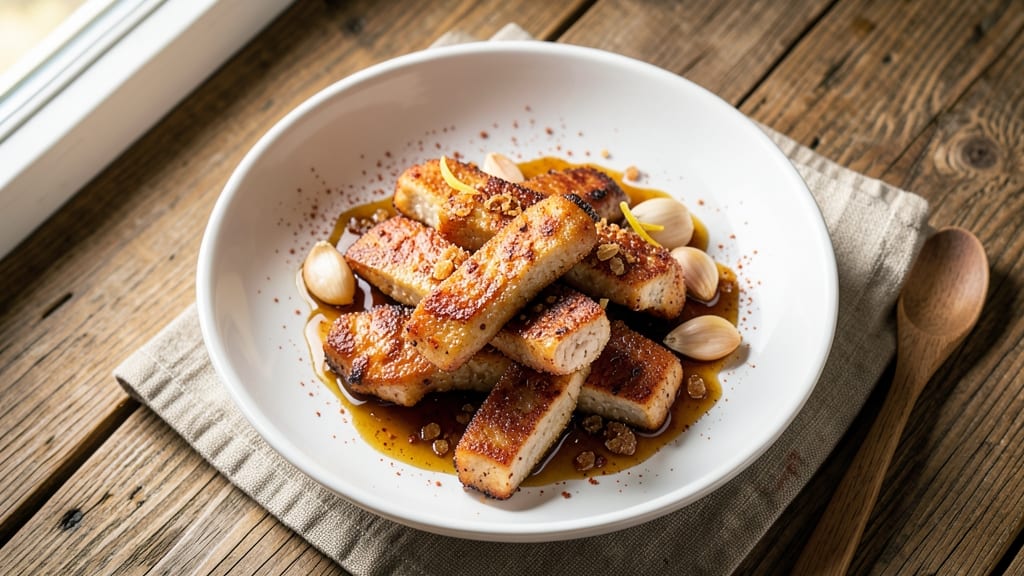
This boneless pork fingers recipe delivers the perfect balance of crispy golden crust and juicy centers—no breading mess, no fuss. After years of perfecting pork prep at my smoker in Atlanta, I've cracked the code for tender, flavorful bites that cook through evenly.
The secret? A simple marinade and high-heat finish that transforms lean pork into restaurant-quality finger food.
The process starts with tender pork loin cut into even fingers, marinated in a blend of garlic, paprika, and brown sugar for depth. While traditional breading adds bulk, this method keeps the fingers light yet packed with flavor.
Whether you grill, bake, or air-fry, the key is high heat at the end—just 3-4 minutes—to lock in moisture while creating that coveted crisp.
What you'll end up with is golden, crispy pork fingers with tender pink centers, ready to be served with cooling dipping sauces or piled high on sliders.
The marinade's sweet-spicy notes caramelize beautifully during cooking, creating a crust that's both satisfying and elegant. Perfect for game day, dinner parties, or a weeknight treat.
Pro tip: Let the pork rest after cooking—this ensures juicy bites every time. Serve with pickles, honey mustard, or a tangy BBQ sauce for the full experience. The recipe scales easily, making it ideal for crowds or meal prep. Let's get cooking!
Ingredients for boneless pork fingers
Pork loin, garlic, and smoky paprika—just the right mix for crispy, juicy fingers without the breading mess.
| Ingredient | Amount | Notes |
|---|---|---|
| Boneless Pork Loin 🥩 | 1 ½ lb | Cut into 1-inch thick fingers |
| Extra-Virgin Olive Oil 🫒 | 2 tbsp | For marinade and searing |
| Garlic Cloves 🧄 | 4 cloves | Minced for marinade |
| Smoked Paprika 🌶️ | 1 tbsp | For deep smoky flavor |
| Brown Sugar 🍚 | 2 tbsp | Lightly packed |
| Diamond Crystal Kosher Salt 🧂 | 1 tsp | Fine grain preferred |
| Ground Black Pepper 🌶️ | ½ tsp | Freshly ground |
| Cornstarch 🌾 | 2 tbsp | For crispy coating |
| Unsalted Butter 🧈 | 2 tbsp | Melted for pan searing |
| Fresh Lemon Juice 🍋 | 1 tbsp | Brightens flavors |
| Fresh Parsley 🌿 | ¼ cup | Chopped for garnish |
| Vegetable Oil 🫒 | ½ cup | For frying or baking |
The pork loin is your star here—look for center-cut at Whole Foods or your butcher for maximum tenderness. Trim any visible fat, then cut into even 1-inch fingers (consistency = even cooking). For the marinade, garlic and smoked paprika are non-negotiable—they build that deep, smoky base. I always grab Penzeys smoked paprika when I'm stocking up, but the regular grocery store stuff works fine. The brown sugar isn't just for sweetness—it helps caramelize that crispy crust during the high-heat finish.
No smoked paprika? Regular paprika plus a pinch of liquid smoke gets you close. Running short on cornstarch? All-purpose flour works too, though it won't be quite as crispy. The butter for searing can be swapped for olive oil if you're avoiding dairy, but trust me on the full-fat version—it adds richness. For the lemon juice, fresh is best, but a squeeze bottle from Trader Joe's is a solid backup. The parsley is just for looks, so skip it if you're in a rush—your fingers will still taste amazing.
Marinate the pork for at least 1 hour (overnight is even better)—this ensures maximum flavor penetration. Pat the fingers dry before coating with cornstarch, then let them rest 10 minutes before cooking. The cornstarch coating stays crispy for about 10 minutes after cooking, so serve immediately with your favorite dipping sauces. Leftovers? Store in an airtight container for 3 days, but honestly, they won't last that long.
Why You'll Love This Recipe
- Finger-Lickin’ Simple: I swear by this recipe because it’s actually foolproof—no fancy knife skills needed. Slice the pork loin into strips while it’s cold (yes, cold), then toss in the olive oil, garlic, and spices. Toss, bake, repeat. That’s it. No brining, no marinating overnight, just 20 minutes of hands-off time.
- Sweet-Smoky Magic: Between us, the combo of smoked paprika and brown sugar is chef’s kiss—caramelized edges with a hint of heat that sticks to your ribs. The olive oil keeps it juicy, and the garlic? It’s like a little flavor bomb that makes everything taste better. Honestly, I’ve tried other pork finger recipes, and this one wins every time.
- Game for Any Meal: I make these for game day snacks, lazy Sunday brunches, or even a quick lunch when I’m starving. They’re great as-is, but add a squeeze of lemon or a sprinkle of parsley for a fancy touch. My kids grab them straight from the pan, but they’re also solid enough to pack for work lunches—just reheat and enjoy.
- Budget Wins Again: Pork loin is cheaper than chicken tenders, and a single cut feeds my family of four twice. The spices cost pennies, and leftovers reheat like a dream—crispy again if you broil them for 30 seconds. I’ll be real: this recipe saved me money and stress more times than I can count.
Step-by-step instructions for crispy pork fingers with juicy centers
Here's how to transform simple pork loin into restaurant-quality fingers with perfect texture every time.
Prep the Pork and Create the Marinade
Start by cutting the 1.5 lb boneless pork loin into 1-inch thick fingers, working with the grain for maximum tenderness. Pat them dry completely with paper towels - moisture is the enemy of crispy coatings. In a small bowl, whisk together 2 tablespoons extra-virgin olive oil, 1 tablespoon smoked paprika, 2 tablespoons brown sugar, 1 teaspoon diamond crystal kosher salt, and ½ teaspoon ground black pepper. This marinade does double duty as both flavor enhancer and crispy crust.
Place the pork fingers in a resealable plastic bag and pour the marinade over them. Seal the bag and massage it gently to coat all surfaces. Let them marinate in the refrigerator for at least 30 minutes, or up to 2 hours for deeper flavor penetration. The longer they marinate, the more flavorful and tender they'll become - but don't exceed 2 hours or the cornstarch coating will get soggy.
Create the Crispy Cornstarch Coating
In a shallow dish, combine 2 tablespoons cornstarch with 1 tablespoon fresh lemon juice. This mixture creates the perfect crispy barrier while adding a bright citrus note. Remove the pork fingers from the marinade (let any excess drip off) and press each one into the cornstarch mixture, coating all sides evenly. The cornstarch should stick firmly - if it doesn't, your pork might be too wet.
Let the coated fingers rest for 10 minutes at room temperature. This resting period allows the cornstarch to adhere properly and prevents it from falling off during cooking. While they rest, preheat your oven to 400°F and position a rack in the middle position. The high heat will create that perfect crispy exterior while keeping the interior juicy.
Bake for Perfect Crispiness
Place the coated pork fingers on a parchment-lined baking sheet, leaving about 1 inch between each piece. This spacing prevents them from steaming instead of browning. Bake for 18-20 minutes, flipping them halfway through, until they're deep golden brown and reaching an internal temperature of 145°F. The cornstarch will create a beautiful crispy crust while the pork remains tender inside.
For extra browning, broil for 1-2 minutes at the end, watching closely to prevent burning. The fingers should be golden all over with a crispy exterior that gives way to juicy meat when you bite in. If they're not brown enough after 20 minutes, return them to the oven for another 2-3 minutes.
Finish with Butter and Garnish
While the pork fingers rest for 5 minutes, melt 2 tablespoons unsalted butter in a small saucepan over low heat. Add ¼ cup chopped fresh parsley and let it infuse for 1 minute, then remove from heat. This butter-herb mixture will add rich flavor and help create a glossy finish.
Toss the warm pork fingers in the butter-parsley mixture until fully coated. The residual heat from the pork will make the butter cling beautifully. Garnish with additional parsley if desired. Serve immediately with your favorite dipping sauce or a side of fresh vegetables. The contrast of crispy exterior with juicy interior makes these pork fingers irresistible.
Pro Tips For Making Boneless Pork Fingers
- Slice Thin, Even Strips: Pork loin is stubborn when it comes to uniform cooking. Cut each piece into 1-inch-wide strips—thinner than you’d think—so they brown fast and cook through without drying out. I used to eyeball it and end up with some overdone, some underdone. A ruler helps.
- Pat Dry, Then Salt: Extra-virgin olive oil won’t cling if the meat is damp. After slicing, blot the pork strips with paper towels, then hit them with salt right away—this draws out moisture so the crust forms properly. Skipping this step means greasy, uneven browning.
- Brown First, Then Baste: Start the pork in a hot pan with olive oil over medium-high heat until deeply golden—this locks in flavor. Then lower the heat, add minced garlic and smoked paprika, and spoon the melted butter-brown bits over the pork every 30 seconds. This keeps them juicy while caramelizing the sugar.
- Use Less Sugar, Add Late: Brown sugar burns faster than you’d expect. Toss the pork with just 1 teaspoon at the very end of cooking—after it’s browned and nearly done. If you add it earlier, you’ll end up with bitter, charred bits instead of a glossy, balanced sweetness.
Wine and beer pairings for this dish
Crispy Pork, Bold Reds
For these smoky, caramelized pork fingers, a medium-bodied red wine cuts through the richness beautifully. I always reach for a Georgia Cabernet Franc—its bright acidity and red fruit notes complement the smoked paprika and brown sugar marinade perfectly. The tannins help cleanse your palate between each crispy bite. 🍷
If you prefer something fruitier, a South African Pinotage offers bold berry flavors that pair wonderfully with the caramelized crust. Avoid heavy, oaky wines like Cabernet Sauvignon—they can overpower the delicate balance of these fingers.
For a lighter option, try a Spanish Garnacha with its juicy raspberry notes and smooth finish.
Hoppy Beers for Balance
A crisp American IPA with citrusy hops is my go-to beer pairing—think Dogfish Head 60 Minute IPA or New Belgium Fat Tire. The hop bitterness contrasts the sweetness of the brown sugar marinade while the alcohol cuts through the fat.
For a local Southeast favorite, Atlanta's SweetWater 420 IPA delivers that perfect balance. 🍺
If you prefer something lighter, a Belgian Witbier like Allagash White works beautifully. The coriander and citrus notes enhance the lemon juice in the cornstarch coating, creating a refreshing contrast. Avoid heavy stouts or dark ales—they'll clash with the crispy texture and bright flavors of these pork fingers.
Sweet & Tangy Sauces
Serve with a honey-mustard dipping sauce—mix 2 tbsp Dijon mustard, 1 tbsp honey, and 1 tbsp apple cider vinegar for a perfect balance of sweet and tangy.
This sauce enhances the smoky flavors while cutting through the richness. I always keep a bottle of Trader Joe's honey mustard on hand for quick prep.
For a spicy kick, try a chipotle-lime aioli—whisk ¼ cup mayonnaise, 1 tsp chipotle powder, and 1 tbsp lime juice. The heat complements the crispy exterior while the lime brightens the overall dish. A simple BBQ sauce also works if you want something more traditional.
Non-Alcoholic Options
For a refreshing non-alcoholic pairing, try a sparkling cranberry spritzer—mix ½ cup cranberry juice with ½ cup sparkling water and a squeeze of lime. The tartness balances the sweetness of the pork fingers beautifully. For something creamy, a vanilla chai latte adds a warm contrast to the crispy exterior.
Or go classic with iced sweet tea—its Southern charm pairs perfectly with these fingers. The sugar in the tea enhances the brown sugar in the marinade, creating a harmonious flavor experience. Serve it chilled for the ultimate Georgia-style pairing.
Nutrition facts
Frequently asked questions
Can I use pork shoulder instead of pork loin for this recipe?
Pork shoulder works but requires adjustments. It's fattier, so trim excess fat and cut into 1-inch thick fingers to ensure even cooking. Marinate for 2-4 hours (longer helps tenderize the tougher cut) and bake at 375°F for 25-30 minutes until internal temp reaches 145°F. The cornstarch coating will still crisp up beautifully, but expect slightly more moisture during cooking.
How do I keep the cornstarch coating from falling off?
Pat the pork fingers completely dry before coating and let them rest 10 minutes at room temperature after applying cornstarch. This allows the coating to adhere properly. Avoid overcrowding the baking sheet—leave 1 inch between pieces. For extra security, lightly spray the cornstarch mixture with vegetable oil spray before pressing the pork into it.
Can I air-fry these pork fingers instead of baking?
Preheat your air fryer to 375°F and cook in batches for 8-10 minutes, shaking halfway. The high heat creates a crispy exterior while keeping the inside juicy. For extra browning, spray lightly with olive oil before air-frying. Watch closely—they crisp up faster than in the oven. Serve immediately for best texture.
What's the best way to reheat leftover pork fingers?
Reheat in a 400°F oven for 5-6 minutes on a wire rack (not directly on the pan) to restore crispiness. For air fryer reheating, cook at 350°F for 3-4 minutes. Avoid microwaving—they'll turn soggy. Pro tip: Store in an airtight container with parchment paper between layers to maintain crispness for up to 3 days.
Why did my pork fingers turn out dry?
Overcooking is the most common cause—pork reaches 145°F quickly. Use a meat thermometer to check doneness. For juicier results, brining the pork in ¼ cup salt per 4 cups water for 30 minutes before marinating adds moisture. Also ensure your pork loin is center-cut (the most tender portion) and don't skip the 5-minute rest after cooking.