
Main Courses
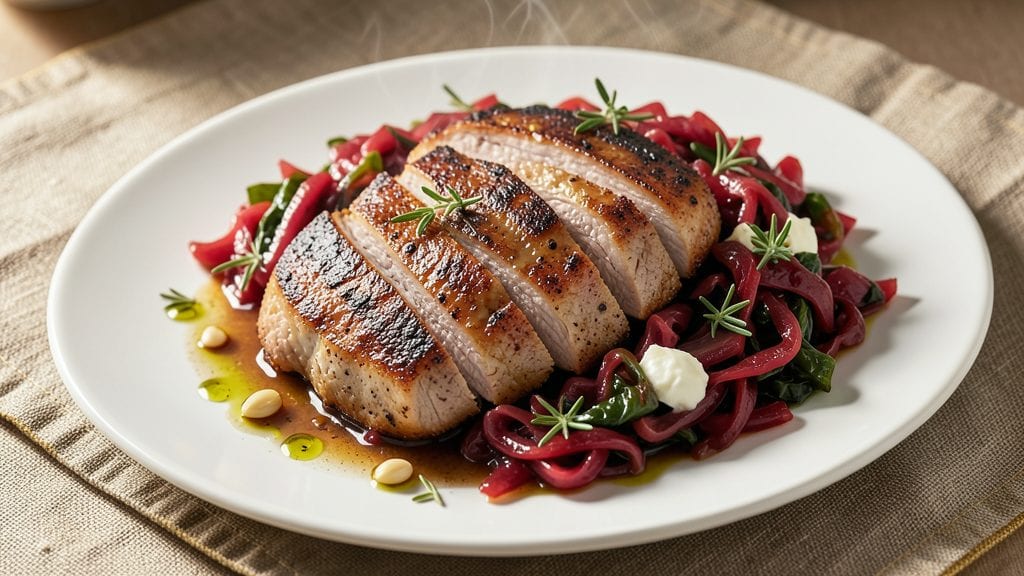
This boneless pork loin with sauerkraut recipe brings together tangy, fermented flavors with tender, juicy pork for a one-pan dinner that feels like a restaurant meal.
Growing up in small-town Georgia, I learned how sauerkraut could transform simple pork into something unforgettable—this version elevates that tradition with precision seasoning and a foolproof roasting technique.
The key lies in balancing the acidity of the sauerkraut with the richness of the pork, creating a harmony that’s both comforting and sophisticated.
The beauty of this recipe is its simplicity: a 30-minute prep followed by hands-off roasting at 375°F for about 45 minutes, depending on thickness. While the pork roasts, the sauerkraut gets warmed in the same pan, absorbing its caramelized juices for extra depth.
This method ensures crispy edges on the pork while keeping the interior perfectly tender, with the sauerkraut adding a bright, tangy contrast that cuts through the richness.
It’s the kind of dish that tastes even better the next day, making it ideal for meal prep or a hearty Sunday supper.
What you’ll end up with is a golden-brown pork loin sliced into perfect medallions, each bite offering a mix of savory, slightly sweet pork and the crisp-tender sauerkraut underneath. The flavors meld beautifully, creating a dish that’s satisfying enough for a weeknight but impressive enough for guests.
Serve it with roasted potatoes or crusty bread to soak up every last bit of the pan juices—this is pork done right, with a side that steals the show.
For those who love versatility, this recipe scales effortlessly—double the pork and sauerkraut for a crowd, or halve it for a cozy dinner for two. The leftovers reheat beautifully, making it a go-to for busy weeks. Here’s how to make it happen without stress or guesswork.
Ingredients for boneless pork loin and sauerkraut
Pantry staples meet restaurant-quality pork for a one-pan dinner that balances tangy fermented flavors with tender, juicy meat.
| Ingredient | Amount | Notes |
|---|---|---|
| Boneless Pork Loin 🥩 | 1 ½ lb | Center-cut, 1.5-inch thick slices |
| Sauerkraut 🥬 | 2 cups | Unopened, high-quality fermented |
| Extra-Virgin Olive Oil 🫒 | 2 tbsp | For searing and basting |
| Unsalted Butter 🧈 | 2 tbsp | Full-fat, cut into pieces |
| Fresh Thyme Leaves 🌿 | ¼ cup | Finely chopped, stems removed |
| Garlic Cloves 🧄 | 4 cloves | Peeled, thinly sliced |
| Diamond Crystal Kosher Salt 🧂 | 1 ½ tsp | For seasoning and brining |
| Freshly Ground Black Pepper 🌶️ | ½ tsp | Coarsely cracked |
| Apple Cider Vinegar 🍎 | 1 tbsp | For balancing acidity |
| Honey 🍯 | 1 tbsp | Light, for glaze |
| Yellow Onion 🧅 | 1 whole | Thinly sliced, caramelized |
| Russet Potatoes 🥔 | 1 ½ lb | For serving, cubed |
| Fresh Parsley 🌿 | 0.1 cup | Chopped, for garnish |
The boneless pork loin is the centerpiece—center-cut, 1.5-inch thick slices ensure even cooking and maximum tenderness. Source from a trusted butcher or high-quality grocery store like Whole Foods or Kroger, where the meat is consistently fresh. Look for bright red color and good marbling—this indicates quality and flavor. If you can't find center-cut, trim any visible fat to avoid flare-ups during searing. The sauerkraut should be unopened, high-quality fermented—avoid pre-shredded brands, which often contain fillers. Bragg or Rehr's are excellent choices, readily available at most supermarkets or specialty stores. For the extra-virgin olive oil, opt for a fruity, peppery variety like California Olive Ranch—it enhances the pork's natural richness without overpowering.
No fresh thyme? Dried thyme works at one-third the amount, but fresh is preferred for its vibrant aroma. Substituting garlic powder for minced garlic? Use half the quantity—fresh garlic adds depth that powder can't replicate. Running low on apple cider vinegar? White vinegar or lemon juice in equal parts works, though the flavor profile shifts slightly. For the honey glaze, if you prefer a deeper caramelization, add 1/2 teaspoon of Dijon mustard to the mixture. The yellow onion can be swapped for shallots if you prefer a milder flavor, though they're harder to find pre-sliced. For those avoiding honey, maple syrup is a suitable substitute—just reduce the quantity slightly since it's denser. The potatoes can be roasted ahead of time and reheated to save time on serving day.
Store the pork loin in the coldest part of your fridge, wrapped in parchment paper, for up to 3 days before cooking. Sauerkraut keeps indefinitely in the refrigerator once opened, but for best flavor, use it within 2 weeks. The extra-virgin olive oil should be stored in a cool, dark place—once opened, it lasts about 6 months in the pantry. Fresh thyme and parsley stay vibrant for 5-7 days when wrapped in damp paper towels and sealed in a plastic bag. The honey and apple cider vinegar can be kept at room temperature for 12 months, while the potatoes should be stored in a dark, cool place and used within 2 weeks. For meal prep, slice the pork and sauerkraut separately, then reheat in a skillet with a splash of water to restore moisture—leftovers keep for up to 4 days in the fridge.
Why You'll Love This Recipe
- One-Pan Magic: I swear by this recipe when I’m too tired to scrub pots—just sear the pork in olive oil, add the sauerkraut and butter, and let it all caramelize together. The juices from the pork melt into the sauerkraut, turning it into a rich, tangy bed without any extra bowls or straining.
- Unexpected Depth: That first bite of tender pork with the briny, slightly sweet sauerkraut? It’s like a flavor explosion you didn’t see coming. The thyme leaves add this fresh, earthy note that cuts through the richness, and honestly, the butter makes everything feel like a restaurant dish.
- Weeknight Hero: Between us, this is my go-to when I have friends over unexpectedly or when I’m prepping meals for the week. The leftovers reheat beautifully—just a quick warm in the oven—and it’s hearty enough to feed a crowd but simple enough for a lazy Tuesday.
- Budget-Friendly Luxury: Pork loin is affordable, sauerkraut lasts forever, and a little butter and olive oil stretch the flavors without breaking the bank. I’ll be real: it feels fancy, but the cost per serving is way lower than takeout or most restaurant meals. Plus, the leftovers taste even better the next day.
Step-by-step instructions for boneless pork loin with sauerkraut
This one-pan method delivers perfectly caramelized pork with tangy fermented flavors.
Prepare the Pork and Potatoes
Pat the 1½ lb boneless pork loin dry with paper towels—this ensures maximum browning. Season both sides generously with 1½ tsp diamond crystal kosher salt and ½ tsp freshly ground black pepper, pressing the seasoning into the meat so it adheres. Let the pork sit at room temperature for 15 minutes while you prepare the potatoes.
Cut the 1½ lb russet potatoes into 1-inch cubes and toss them with 2 tbsp extra-virgin olive oil, ensuring each piece is evenly coated. Spread the potatoes in a single layer on a parchment-lined baking sheet and roast at 425°F for 20 minutes, flipping halfway through. This pre-roasting step develops their flavor and prevents them from becoming soggy later. Remove them from the oven and set aside.
Sear the Pork and Build the Sauerkraut Base
Heat a large oven-safe skillet over medium-high heat until hot. Add 2 tbsp unsalted butter and let it melt, then add 2 tbsp extra-virgin olive oil to create a stable cooking surface. Place the pork loin in the skillet and sear for 4-5 minutes per side until deeply golden brown, pressing down gently with a spatula to prevent curling. This step is critical—don't rush it, as a good sear locks in juices.
Remove the pork and set it aside. In the same skillet, add the 1 yellow onion (thinly sliced) and cook for 5 minutes until softened. Stir in the 2 cups sauerkraut, breaking it up with a wooden spoon. Add ¼ cup finely chopped fresh thyme leaves, 4 garlic cloves (thinly sliced), 1 tbsp apple cider vinegar, and 1 tbsp honey. Simmer for 3 minutes until the mixture thickens slightly and the onions caramelize. The tangy-sweet balance here is what makes this dish shine.
Braise the Pork to Tender Perfection
Return the pork to the skillet, nestling it into the sauerkraut mixture. Pour in ½ cup water to create steam, then cover the skillet with a lid or foil. Transfer the skillet to a preheated 350°F oven and braise for 45-50 minutes, or until the pork reaches an internal temperature of 145°F when measured with a meat thermometer. The pork should be fork-tender but still hold its shape slightly—overcooking will make it dry.
During the last 10 minutes of cooking, add the pre-roasted potatoes to the skillet, stirring gently to coat them in the sauerkraut mixture. This ensures they absorb the flavors while finishing to a crispy edge. The potatoes will soak up the tangy, herby sauce beautifully, creating a harmonious one-pan meal.
Rest and Garnish for Serving
Remove the skillet from the oven and let the pork rest for 10 minutes before slicing. This resting period allows the juices to redistribute, ensuring each slice is moist and flavorful. While the pork rests, stir the skillet gently to reheat the potatoes and sauerkraut mixture, then transfer everything to a serving platter.
Slice the pork into ½-inch thick slices and arrange it over the potatoes and sauerkraut. Drizzle any accumulated juices from the skillet over the top for extra flavor. Garnish with ⅙ cup chopped fresh parsley and serve immediately. The contrast of tender pork, crispy potatoes, and tangy sauerkraut makes this dish unforgettable.
Pro Tips For Making Boneless Pork Loin And Sauerkraut
- Press That Pork Flat: I learned this the hard way—pork loin curls up when searing, and those edges end up undercooked. Use a spatula to press it down firmly during those 4-5 minutes per side. The extra contact time gives you that perfect crust without skipping a beat.
- Drain, Rinse, Repeat: Sauerkraut’s liquid is great for flavor, but too much in the pan makes the potatoes soggy. Drain the 2 cups, give it a quick rinse under cold water, then pat dry with a towel before adding it to the skillet. Trust me, the potatoes will thank you later.
- Don’t Skip the 15 Minutes: Room-temperature pork sears evenly and cooks through without gray bands. Skip this, and you’ll end up with a chilly center that takes forever to finish. While it sits, chop your thyme and slice your onion—double duty.
- Caramelize Onions First: The recipe says 5 minutes for the onions, but I push it to 7-8 until they’re golden and jammy. That extra time makes the sauerkraut base sing—sweet, tangy, and way more complex than if you rush it. (Yes, even if you’re impatient like me.)
Flavor customization for these flavors
Spicy Carolina Heat
For those who love a kick, I add 1 tbsp of Penzeys Smoked Chipotle Powder to the sauerkraut mixture during the simmering step. This South Carolina-inspired twist brings deep smoky heat that pairs perfectly with the pork’s natural richness.
I also increase the apple cider vinegar to 2 tbsp to balance the spice. The result? A dish with layers of smoky, tangy, and fiery flavors that’ll make your taste buds dance. 🌶️
Sweet & Smoky Maple-Glazed
Swap the honey for 2 tbsp pure maple syrup and add 1 tsp smoked paprika to the pork before searing. This New England-inspired glaze creates a caramelized crust with subtle smokiness.
I let the pork rest in the glaze for the final 5 minutes of braising to let the flavors meld. The contrast of sweet and smoky against the tangy sauerkraut is pure magic.
Herb-Infused German Style
Boost the thyme with 2 tbsp chopped fresh dill and 1 tbsp caraway seeds, lightly toasted, for an authentic German touch. I also add ½ cup reserved sauerkraut juices to the braising liquid for extra tang.
The caraway seeds add a nutty depth that cuts through the pork’s richness beautifully. This version feels like a cozy German kitchen come to life.
Creamy Mustard & Apple
For a tangy twist, stir ¼ cup crème fraîche and 2 tbsp Dijon mustard into the sauerkraut mixture after simmering. I also toss the pre-roasted potatoes with 1 tbsp grated Granny Smith apple before adding them to the skillet.
The mustard adds brightness, while the apple brings a crisp sweetness that balances the pork’s savory notes. This version feels like a cross between a brunch and a hearty dinner.
Smoky Bacon-Infused
Render 6 oz thick-cut bacon in the skillet before adding the onion, then use the bacon fat to sear the pork. Add 1 tbsp chopped bacon bits back into the sauerkraut mixture during the final simmer.
The smoky, salty bacon enhances the pork’s natural juices while adding a depth that makes every bite irresistible. This is my go-to when I want to feel like I’m eating at a Southern BBQ joint. 🔥
Nutrition facts
Frequently asked questions
Why does the pork need to rest before slicing?
Letting the pork rest for 10 minutes after cooking is essential—it allows juices trapped inside to redistribute evenly. Slicing too soon means dry edges and less flavorful bites. This simple step keeps every slice juicy and tender, just like it should be!
Can I use pre-shredded sauerkraut instead of unopened?
For best results, stick with unopened, high-quality fermented sauerkraut. Pre-shredded versions often contain additives that dilute the authentic tang and texture. If you're short on time, drain and rinse it first to reduce excess salt, but the flavor won't match.
What if my pork isn't fork-tender after 45 minutes?
Check the internal temperature—it should reach 145°F. If it's still firm, return it to the oven for another 10-15 minutes, tented with foil. Overcooking is the real risk here; medium-rare pork (140°F) works beautifully with this recipe too!
Can I make this recipe ahead of time?
Cook the pork and sauerkraut mixture ahead, then refrigerate. Reheat in the skillet with ½ cup water for 5-7 minutes over medium heat. The flavors actually improve as they meld overnight—perfect for meal prep!