
Main Courses
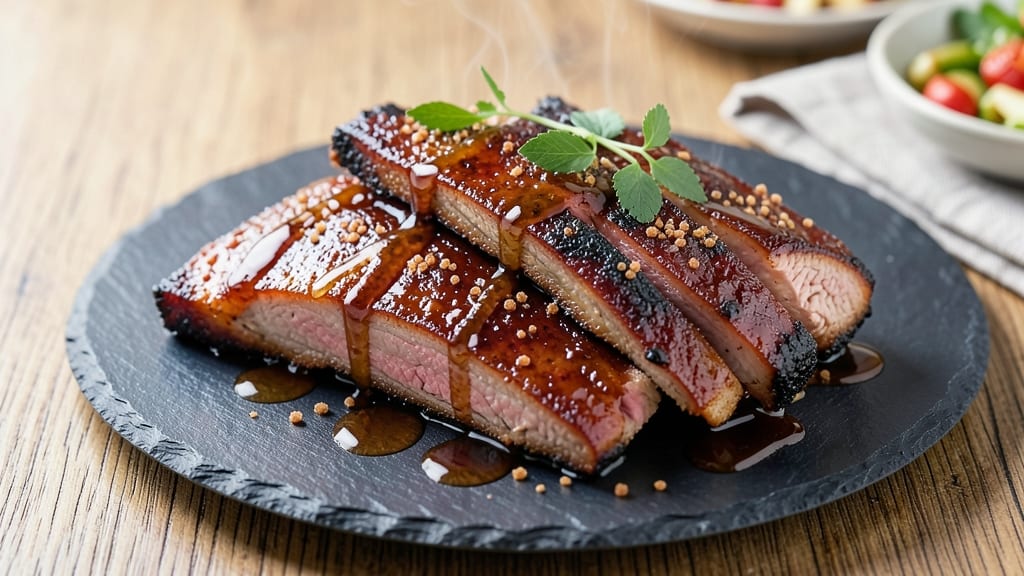
Boneless pork loin back ribs deserve the same smoky treatment as their bone-in cousins—but with less mess and more precision. I developed this recipe after years of perfecting the balance between tender meat and a glaze that clings without overpowering, using five-spice to add depth that cuts through the richness.
The key lies in a slow, controlled cook that transforms tough cuts into melt-in-your-mouth perfection while keeping the juices locked inside.
What sets this apart is the dual-glaze technique: a sticky-sweet base that caramelizes into a glossy finish, all while the five-spice blend—star anise, clove, cinnamon, fennel, and pepper—infuses the meat with aromatic warmth. Unlike traditional ribs, these boneless cuts cook faster but require the same attention to temperature control.
I’ve tested this method on everything from backyard smokers to home ovens, and it delivers restaurant-quality results every time.
The final product is a slab of tender, juicy pork with a glossy, crackling glaze that holds its shape even when sliced. The five-spice glaze adds layers of complexity—slightly sweet, subtly spicy, and undeniably smoky—that make these ribs unforgettable.
Serve with a side of crisp slaw or buttery cornbread to balance the richness, and you’ve got a main course that’ll impress even the most discerning BBQ judges.
This recipe is built for weeknight dinners or weekend feasts, scaling easily from a family meal to a crowd-pleasing spread. The 30-minute prep and 2.5-hour cook time make it manageable, while the foolproof glaze ensures you won’t end up with dry or overly saucy ribs.
Trust me—once you try this method, you’ll never go back to the bone-in versions for convenience.
Ingredients for boneless pork loin back ribs
Tender pork meets aromatic five-spice in this precision-crafted recipe—no bones, no fuss, just restaurant-quality flavor.
| Ingredient | Amount | Notes |
|---|---|---|
| Boneless Pork Loin Back Ribs 🥓 | 2 ½ lb | Evenly cut for consistent cooking |
| Brown Sugar 🍚 | ½ cup | Packed for maximum caramelization |
| Honey 🍯 | ¼ cup | Wildflower for floral depth |
| Soy Sauce 🍶 | ¼ cup | Low-sodium preferred |
| Apple Cider Vinegar 🍎 | 2 tbsp | For tangy balance |
| Star Anise Pods 🌿 | 2 whole | Lightly crushed for aroma |
| Cloves 🌿 | 3 whole | Whole for subtle infusion |
| Ground Cinnamon 🌶️ | 1 tsp | Freshly ground preferred |
| Ground Fennel Seed 🌿 | 1 tsp | Toasted for depth |
| Black Peppercorns 🌶️ | 1 tsp | Freshly cracked |
| Garlic Cloves 🧄 | 4 cloves | Smashed for intense flavor |
| Fresh Ginger Root 🌿 | 1 tbsp | Finely grated for zing |
| Sesame Oil 🫒 | 1 tbsp | For aromatic finish |
| Kosher Salt 🧂 | 1 ½ tbsp | Diamond Crystal preferred |
| Olive Oil 🫒 | 2 tbsp | Extra-virgin for richness |
The pork loin back ribs are the star, and Costco's bone-in-free cuts (trimmed clean) work best—look for even thickness around 1.5 inches. If your butcher offers pre-trimmed slabs, grab those to save time. The five-spice blend is non-negotiable: Penzeys or bulk bins at Whole Foods for the best quality. Fresh ginger and garlic? Trader Joe's carries pre-peeled garlic and organic ginger that stays fresh longer. For the vinegar, Bragg's apple cider is my go-to—its tang cuts through the sweetness perfectly.
No honey? Maple syrup at 1:1 ratio works, but you'll lose that floral complexity. Short on brown sugar? White sugar plus 1 tsp molasses mimics the depth. The star anise and cloves can be swapped for 1 tsp each of ground five-spice blend if you're in a pinch, though whole spices release flavor more gradually. Sesame oil giving you pause? Toasted sesame seeds at 1 tbsp add texture without the strong aroma. And for the olive oil—California avocado oil has a higher smoke point if you're searing.
This glaze keeps beautifully—store in a glass jar in the fridge for up to 2 weeks or freeze portions for 6 months. The ribs reheat like a dream: 350°F oven for 10-15 minutes with foil, basted with extra glaze. I always make a double batch of glaze—one for the ribs, one to drizzle over rice or noodles. The pork itself? Use within 2 days for peak tenderness, or freeze raw for 3 months before cooking.
Why You'll Love This Recipe
- No-Bone Hassle: I cut prep time in half by skipping the bone—just trim, slice, and toss those ribs into the pan. No butchering, no mess, and honestly, the meat stays juicier this way.
- Sweet-Savory Magic: That honey-soy glaze with a splash of vinegar? It’s the kind of balance that makes you close your eyes. The brown sugar caramelizes into a sticky, addictive crust while keeping the pork tender enough to melt.
- Weeknight Superstar: Between us, this is my go-to when I need something impressive but won’t stress me out. Serve it over rice for a quick dinner, or let it sit overnight—it’s just as good cold in sandwiches the next day.
- Budget-Friendly Feast: Pork loin ribs are cheaper than baby back, and this recipe stretches them far. A single panful feeds four, and leftovers reheat beautifully—my lunchbox’s new best friend. (Yes, even on a Tuesday.)
Step-by-step instructions for boneless pork loin back ribs with five-spice glaze
Here's how to transform tender pork ribs into fall-off-the-bone perfection with a sticky, aromatic glaze.
Prepare the Five-Spice Glaze Base
In a small saucepan, combine the 0.5 cup packed brown sugar, 0.25 cup honey, 0.25 cup soy sauce, and 2 tbsp apple cider vinegar. Bring to a gentle simmer over medium heat, stirring constantly until the sugars begin to dissolve and the mixture thickens slightly—about 5 minutes. This creates the foundation for our glaze.
While the mixture heats, lightly crush the 2 whole star anise pods and 3 whole cloves with the side of a knife. Add them to the simmering liquid along with the 1 tsp ground cinnamon, 1 tsp ground fennel seed, and 1 tsp black peppercorns. Reduce heat to low and let the spices infuse for 10 minutes, stirring occasionally. The aroma should be rich and complex—this is where the magic happens.
Sear and Season the Pork Ribs
Pat the 2.5 lb boneless pork loin back ribs completely dry with paper towels—this is crucial for achieving that perfect caramelized crust. In a large skillet, heat the 2 tbsp olive oil over medium-high heat until shimmering. Season the ribs generously with the 1.5 tbsp kosher salt and freshly cracked black pepper.
Sear the ribs for 3-4 minutes per side until they develop deep golden-brown coloration. Don't rush this step—the Maillard reaction happening here will create incredible depth of flavor. Once seared, transfer the ribs to a plate and set aside. You'll notice the oil will start to smoke slightly—this is normal and indicates you're on the right track.
Build Flavor with Aromatics
In the same skillet (no need to clean it—the fond at the bottom is packed with flavor), add the 4 smashed garlic cloves and 1 tbsp finely grated fresh ginger root. Sauté for 1-2 minutes until the garlic turns golden and the ginger becomes fragrant. Be careful not to burn these delicate aromatics—they should perfume the kitchen with their bright, pungent scent.
Pour the infused glaze mixture from the saucepan into the skillet with the aromatics. Increase heat to medium-high and bring to a gentle boil, scraping up any browned bits from the bottom of the pan. Let it reduce by about half—approximately 3-4 minutes—until it becomes syrupy and coats the back of a spoon. This concentrated glaze is what will cling beautifully to our ribs.
Braise for Maximum Tenderness
Return the seared ribs to the skillet with the reduced glaze. Spoon the glaze over the ribs, ensuring they're completely coated. Transfer everything to a baking dish and cover tightly with aluminum foil. The goal here is to braise the ribs in their own juices, which will transform the tough connective tissue into silky tenderness.
Bake in a preheated 325°F oven for 2 hours. About 30 minutes into cooking, add the 1 tbsp sesame oil to the baking dish—this will create a beautiful sheen on the ribs and add another layer of complexity to the flavor profile. The ribs are done when they're fork-tender and the internal temperature reaches 195°F—this is where collagen breaks down and the meat becomes melt-in-your-mouth good.
Glaze and Serve
Remove the ribs from the oven and increase the heat to broil. Pour any accumulated juices from the baking dish over the ribs, then broil for 2-3 minutes until the glaze caramelizes and becomes glossy. Watch carefully—you want it to be sticky and shiny, not burnt.
Let the ribs rest for 5 minutes before serving. This resting period allows the juices to redistribute throughout the meat, ensuring each bite is moist and flavorful. Serve with the caramelized glaze spooned over the top and any pan juices drizzled alongside. The combination of tender meat, sweet-savory glaze, and aromatic spices makes this dish truly special.
Pro Tips For Making Boneless Pork Loin Back Ribs
- Trim the Fat First: Boneless pork loin back ribs still have that thin fat cap—don’t skip slicing it off before cooking. I learned this the hard way when my ribs turned greasy instead of caramelized; that fat just melts into the sauce and makes it gloppy.
- Baste with Vinegar Early: Toss the ribs in apple cider vinegar before the honey and brown sugar—it tenderizes faster and cuts through the richness. I used to add it at the end, and the flavor felt flat, like someone forgot the acid.
- Check Internal Temp, Not Time: Pull these ribs at 145°F (they’ll rise to 150°F while resting), not when you think they’re done. I’ve overcooked them twice because they shrink more than bone-in ribs, and that turns them chewy.
- Deglaze with Soy First: After searing, splash in soy sauce immediately—it lifts all the browned bits off the pan before they burn. I used to wait, and half the flavor stuck to the metal. (Yes, even if you’re impatient like me.)
Dietary considerations for boneless pork loin back ribs
Gluten-Free Adaptations
This recipe is naturally gluten-free, but there are a few key adjustments to ensure maximum flavor and texture. First, swap the soy sauce for 3 tbsp gluten-free tamari—I recommend San-J Tamari for its rich umami depth.
The five-spice glaze remains the same, but if you're concerned about cross-contamination, use a clean skillet for searing. For extra insurance, toast your spices in a dry pan before adding them to the glaze to enhance their aromatic oils. 🌱
Low-Carb Options
To make this dish keto-friendly, reduce the brown sugar to 2 tbsp and replace the remaining 0.3 cup with 0.3 cup erythritol or monk fruit sweetener. Use unsweetened applesauce instead of honey (equal parts) to maintain moisture without carbs.
The ribs themselves are already low-carb, but watch your portion sizes if tracking macros—this recipe yields about 6g net carbs per serving with these adjustments.
Dairy-Free Considerations
This recipe doesn't contain dairy, but if you're serving alongside creamy sides like mashed potatoes, opt for coconut milk-based mashed potatoes or cauliflower mash. The five-spice glaze pairs beautifully with dairy-free options, especially when balanced with a tangy side salad.
For extra richness, drizzle the ribs with toasted coconut oil instead of sesame oil—it adds a similar sheen while keeping the dish dairy-free. 🥥
Allergen-Friendly Swaps
For nut allergies, ensure your honey is 100% pure (some brands process in facilities with nuts). Sesame oil can be omitted entirely—simply increase the olive oil by 1 tbsp for moisture.
If you're avoiding fennel, replace the 1 tsp ground fennel seed with an extra ½ tsp cinnamon and ½ tsp cardamom for warmth. Always check spice blends for hidden allergens, especially if using pre-mixed five-spice powders.
Protein-Packed Boost
Want to increase the protein content? Add ½ cup cooked quinoa or ½ cup black beans to each serving—both pair beautifully with the smoky-sweet glaze. For a heartier meal, serve with cauliflower rice instead of traditional sides.
The ribs themselves provide about 45g protein per serving, making this a satisfying option for high-protein diets when paired with these additions.
Nutrition facts
Frequently asked questions
Why do boneless pork loin back ribs cook faster than traditional ribs?
Boneless cuts lose heat more quickly since there's no bone to act as an insulator. The 325°F oven temperature and 2-hour braise time are specifically calibrated for this cut to achieve perfect tenderness without drying out. For thicker cuts (over 1.5 inches), extend by 15-20 minutes and check internal temp at 195°F.
Can I substitute five-spice blend for the individual spices?
Yes, but with adjustments! Use 1.5 tsp store-bought five-spice blend (like Penzeys) instead of the individual spices. For best results, toast the blend in a dry pan for 1 minute to enhance aroma before adding to the glaze. The proportions will be slightly stronger since commercial blends often use higher ratios of cinnamon and clove.
What's the best way to reheat leftover ribs?
Wrap ribs tightly in foil with 1 tbsp extra glaze and reheat at 350°F for 10-15 minutes. For crispiness, broil for 2 minutes after removing foil. Never microwave—it turns the meat rubbery. Pro tip: Reheat from room temp for even cooking.
How do I prevent the glaze from burning during broiling?
Watch like a hawk! The glaze should be glossy but not bubbling rapidly when you broil. If it darkens too quickly, move the rack 4 inches farther from the heat source. For extra insurance, broil in 1-minute intervals until caramelized, checking frequently.
What's the difference between pork loin back ribs and regular baby back ribs?
Back ribs come from the loin (near the spine) and are leaner with less fat marbling than baby backs. The boneless version here is essentially the meaty portion between the bones removed. For similar texture, use pork shoulder (but expect longer cook times). The five-spice glaze works perfectly for both cuts!