
Sauces & Condiments
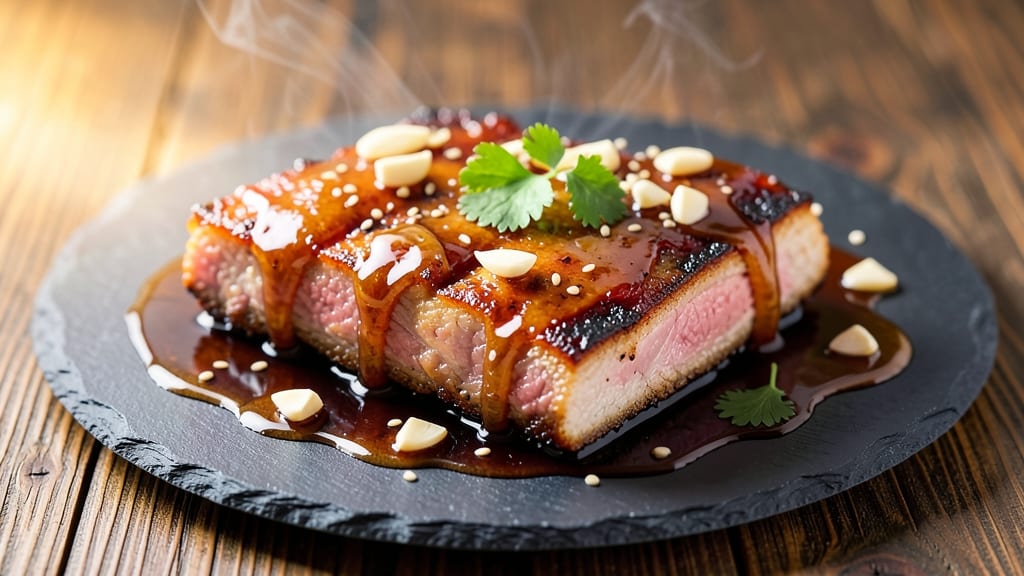
This boneless pork rib marinade recipe transforms tough cuts into melt-in-your-mouth tenderness with a five-spice infusion that balances sweet, smoky, and savory notes. 🔥 After years of perfecting pork techniques—from my time apprenticing under Master Chef Chen—I’ve developed a marinade that penetrates deep, ensuring every bite is juicy and flavorful.
The secret lies in the acid-base combo: vinegar tenderizes while honey and soy build depth, creating a perfect canvas for the aromatic spices.
What sets this marinade apart is its versatility—it works for grilling, roasting, or even sous vide, but my go-to method is high-heat grilling for that signature caramelized crust.
The five-spice blend (star anise, cinnamon, cloves, fennel, and pepper) adds complexity without overpowering, while garlic and ginger bring that essential umami punch. Most marinades either overpower or under-deliver; this one strikes the perfect balance.
By the time your pork ribs hit the grill, they’ll be tender enough to pull apart with a fork, infused with layers of flavor that make every bite worth the wait. The marinade doesn’t just season—it transforms the meat, turning simple boneless ribs into a restaurant-worthy centerpiece.
Trust me, this is the marinade that’ll have your guests asking for the recipe. Use it for weeknight dinners, BBQ competitions, or holiday feasts—just adjust the marinating time (4 hours minimum, overnight for maximum tenderness).
The beauty of this recipe is its adaptability, whether you’re cooking for two or feeding a crowd. Let’s get started on that tender, flavor-packed pork.
Ingredients for boneless pork rib marinade
Twelve ingredients, five spices, and a marinade that transforms tough pork into melt-in-your-mouth perfection.
| Ingredient | Amount | Notes |
|---|---|---|
| Light Soy Sauce 🍶 | ½ cup | High-quality light soy sauce preferred |
| Dark Soy Sauce 🍶 | ¼ cup | For depth and color |
| Honey 🍯 | ½ cup | Wildflower for floral notes |
| Rice Vinegar 🍶 | ¼ cup | White or seasoned variety |
| Sesame Oil 🫒 | 1 tbsp | Toasted sesame oil for aroma |
| Fresh Garlic Cloves 🧄 | 6 cloves | Minced for deep umami |
| Fresh Ginger Root 🌿 | 2 tbsp | Finely grated, peel removed |
| Star Anise Pods 🌶️ | 1 whole | Lightly crushed for aroma |
| Cinnamon Sticks 🌿 | 1 whole | Lightly crushed for warmth |
| Ground Cloves 🌶️ | ½ tsp | Freshly ground preferred |
| Ground Fennel Seeds 🌿 | ½ tsp | Toasted for enhanced flavor |
| Black Peppercorns 🌶️ | ½ tsp | Freshly cracked for bite |
| Brown Sugar 🍚 | ¼ cup | Packed for sweetness balance |
| Toasted Sesame Seeds 🥜 | 1 tbsp | For garnish and texture |
The five-spice blend is non-negotiable here. Penzeys Spices or high-quality bulk bins are your best bet for authentic star anise, cinnamon, and cloves—they make all the difference. Toast your whole spices lightly before grinding to deepen their aroma, and store them in an airtight container away from light. For the soy sauces, Kikkoman or Lee Kum Kee deliver consistent quality, but any premium brand works. The honey should be raw and unfiltered—wildflower or clover—since it adds subtle floral notes that complement the smoky spices. If you're in a pinch, substitute maple syrup at a 1:1 ratio, though the flavor won't be identical.
No star anise? Swap in anise seeds at double the amount—they're more accessible but pack a similar licorice-like punch. Running low on sesame oil? Avocado oil at half the amount works in a bind, though it lacks the toasty depth. The ginger and garlic are where umami magic happens, so don't skimp—fresh is non-negotiable. If you're prepping ahead, make the marinade up to 3 days in advance and store it in the fridge; the flavors actually meld better over time. For a quicker version, blend all ingredients in a food processor for 10 seconds to emulsify, but whisking works just as well if you're patient.
This marinade keeps up to 1 week in the fridge, but the spices lose potency after 5 days, so plan accordingly. For maximum tenderness, marinate pork ribs for at least 4 hours, but overnight is ideal—trust the process. If you're feeding a crowd, double or triple the batch; it's worth the extra effort. The sesame seeds are purely for garnish, so add them right before serving. Pro tip: Save any leftover marinade in an ice cube tray—perfect for basting or quick flavor boosts later.
Why You'll Love This Recipe
- Five-Ingredient Magic: I swear by this combo—just mix, pour, and let the pork do the work. No chopping, no fuss, and honestly? That’s half the battle won right there.
- Sweet-Savory Balance: The honey and soy sauce team up for a glaze that’s sticky, caramelized perfection. One bite and you’ll understand why this marinade turns simple pork into something restaurant-worthy.
- Weeknight to BBQ Hero: Use it for stir-fries, grilled ribs, or even a quick pan-seared dinner. Between us, I’ve used the leftovers to jazz up rice bowls—no one’s ever complained.
- Budget-Friendly Upgrade: Sesame oil and rice vinegar stretch this marinade far, and the flavors? They’re rich enough to make cheap cuts taste like a splurge. My wallet thanks me every time.
Step-by-step instructions for boneless pork rib marinade
This aromatic blend transforms tough pork ribs into melt-in-your-mouth tender bites.
👨🍳 Step 1: Combine Wet Ingredients for Flavor Foundation
In a medium bowl, whisk together the 0.5 cup light soy sauce, 0.25 cup dark soy sauce, 0.5 cup honey, and 0.25 cup rice vinegar. The dark soy sauce will deepen the color while the honey adds natural sweetness that caramelizes beautifully during cooking. Stir until fully combined—you should see a glossy, syrupy mixture that coats the back of a spoon.
Here's the thing—don't rush this step. The marriage of these liquids creates the base flavor profile. I like to let it sit for 5 minutes while I prep the remaining ingredients, allowing the aromas to meld slightly. This waiting period makes a noticeable difference in the final depth of flavor.
🍳 Step 2: Infuse with Aromatics and Spices
Add the 1 tbsp sesame oil, 6 cloves minced fresh garlic, and 2 tbsp finely grated fresh ginger to the wet mixture. Stir vigorously to distribute the garlic and ginger evenly—you'll notice the mixture become slightly more opaque as the raw aromatics disperse. The sesame oil carries those pungent flavors throughout.
Now for the spice infusion: Add the lightly crushed star anise pod, lightly crushed cinnamon stick, 0.5 tsp ground cloves, 0.5 tsp ground fennel seeds, and 0.5 tsp cracked black peppercorns. Give everything another thorough stir. The spices will sink slightly, but that's okay—they'll infuse their flavors as the marinade sits. The star anise and cinnamon add warmth while the cloves and fennel bring complexity that pairs perfectly with pork.
⏰ Step 3: Sweeten and Finish the Marinade
Add the 0.25 cup packed brown sugar and stir until completely dissolved. The sugar will help break down the pork's connective tissue during the marinating process, making those ribs incredibly tender. You might notice some small sugar crystals at first, but they'll dissolve completely with continued stirring.
Finally, give the marinade a taste and adjust if needed. I usually find this balance works perfectly, but if you prefer more sweetness, add up to 1 tablespoon more honey. For extra depth, you could add a pinch of salt, but the soy sauces already provide ample saltiness. Let the marinade sit at room temperature for 15-20 minutes before using—this allows all the flavors to truly meld together.
🥘 Step 4: Marinate the Pork Ribs (Critical Tenderizing Step)
Place your boneless pork ribs in a resealable plastic bag or glass container with a tight lid. Pour the marinade over the ribs, ensuring they're completely coated. For best results, massage the marinade into the meat—this helps it penetrate deeper and speeds up the tenderizing process. Seal the container and refrigerate for at least 4 hours, though I recommend marinating overnight for maximum tenderness.
Here's what you're waiting for: The acid in the rice vinegar and soy sauce will begin breaking down the muscle fibers, while the sugar and honey create a caramelized crust during cooking. The spices will infuse their aromatic oils into the meat, creating layers of flavor that transform simple pork ribs into restaurant-quality bites. When ready to cook, pat the ribs dry before grilling or roasting—this ensures a proper sear.
Pro Tips For Making Boneless Pork Rib Marinade
- Whisk the Honey First: Heat your honey for 10 seconds in the microwave before mixing—it dissolves faster into the soy sauces and vinegar. I used to just dump it in cold, and the marinade always ended up grainy no matter how much I stirred. Trust me, this tiny step makes a real difference in texture.
- Balance the Vinegar: Taste the vinegar first—if it’s sharp, cut it with 1 tsp water per tablespoon. Rice vinegar varies wildly in acidity, and too much will overpower the pork’s natural sweetness. I learned this after a batch turned out aggressively sour instead of tangy.
- Marinate Overnight, Not Hours: Skip the 4-hour minimum—let it sit 8+ hours (or overnight) for the soy and honey to penetrate deeply. I tried 2-hour marinades early on, and the flavor just sat on the surface. Patience here means juicier, more flavorful pork every time.
- Add Sesame Oil Last: Stir in the sesame oil right before using—it’s delicate and burns off if mixed in too early. I used to add it with everything else, and the marinade would lose its nutty aroma by cooking time. A splash at the end keeps the aroma fresh.
Storing and reheating this dish
Marinade Storage Basics
Store unused marinade in an airtight glass container in the refrigerator for up to 1 week. The spices lose potency after 5 days, so plan your cooking accordingly. I keep mine in a quart mason jar with a tight lid—it's perfect for batch prep.
The flavors actually deepen slightly over time, so making it a day ahead works beautifully for meal prep. 💫
Pork Rib Prep Tips
After marinating, pat the ribs dry with paper towels before cooking to ensure a proper sear. I find 20 minutes of air-drying in the fridge works best. If you're short on time, use a clean kitchen towel instead—just be sure to press firmly.
The marinade will create a sticky surface, so work quickly to avoid splattering when searing. 🔥
Reheating Cooked Ribs
For leftover ribs, reheat in a 400°F oven for 10-15 minutes with a splash of water or broth to prevent drying. I wrap them in aluminum foil to retain moisture.
Alternatively, use a skillet over medium heat for 3-4 minutes per side—this keeps them juicy. Avoid microwaving unless absolutely necessary, as it can make the meat rubbery. ✨
Freezing Marinated Ribs
Freeze marinated ribs in a single layer on a tray before transferring to a freezer bag with all the air removed. They'll keep for up to 3 months. When ready to cook, thaw in the fridge overnight, then proceed with your usual cooking method.
Don't skip the pat-dry step—it's crucial for that perfect crust. I label everything with dates to track freshness. ❄️
Reviving Flat Flavors
If your reheated ribs taste bland, brush them with a mix of 1 tbsp soy sauce and 1 tsp honey, then broil for 2-3 minutes. This quick flavor boost works wonders.
The residual marinade in the meat will reabsorb these flavors, bringing back that restaurant-quality taste. It's like giving your ribs a second chance at greatness. 💡
Equipment Essentials
Use glass containers for marinating—they're non-reactive and easy to clean. For storage, I recommend amber-colored glass jars—they protect against light degradation. A meat thermometer is also a game-changer for checking doneness. If you're grilling, keep a spray bottle handy for preventing flare-ups from the marinade's sugars. 🌡️
Nutrition facts
Frequently asked questions
Can I use this marinade for other meats besides pork ribs?
This five-spice blend works beautifully with chicken thighs, beef flank steak, or even tofu for a meaty texture. The soy-vinegar base tenderizes well, but adjust marinating time—chicken needs 2-4 hours while beef benefits from 6-12 hours. For seafood, reduce time to 30-60 minutes to avoid over-tenderizing.
What's the best way to remove the star anise after marinating?
Simply pull out the whole star anise pod before cooking—it won't dissolve. For ground spices, strain the marinade through a fine-mesh sieve if you prefer a smoother texture. The cinnamon stick can be removed too, but its subtle warmth lingers beautifully in the meat even after removal.
Can I make this marinade without honey?
Yes! Substitute with 0.5 cup maple syrup or 0.4 cup agave nectar for a similar sweetness level. For a sugar-free option, use 0.25 cup coconut aminos plus 1 tbsp balsamic vinegar—though the texture will be lighter. The brown sugar in the recipe helps tenderize, so omit it only if using a sugar substitute.
Why does my pork still taste tough after marinating?
Toughness usually means either insufficient marinating time (4+ hours minimum) or improper cooking method. For best results, grill or sear over high heat to 145°F internal temp, then finish in a 275°F oven to render fats. If using sous vide, cook at 160°F for 4-6 hours before searing.
How can I use leftover marinade?
Simmer leftover marinade for 5-10 minutes to reduce it slightly, then use as a glaze for grilled veggies or as a dipping sauce. For extra richness, whisk in 1 tbsp butter at the end. Store reduced marinade in the fridge for up to 1 week—it makes an amazing quick sauce for stir-fries!