
Main Courses
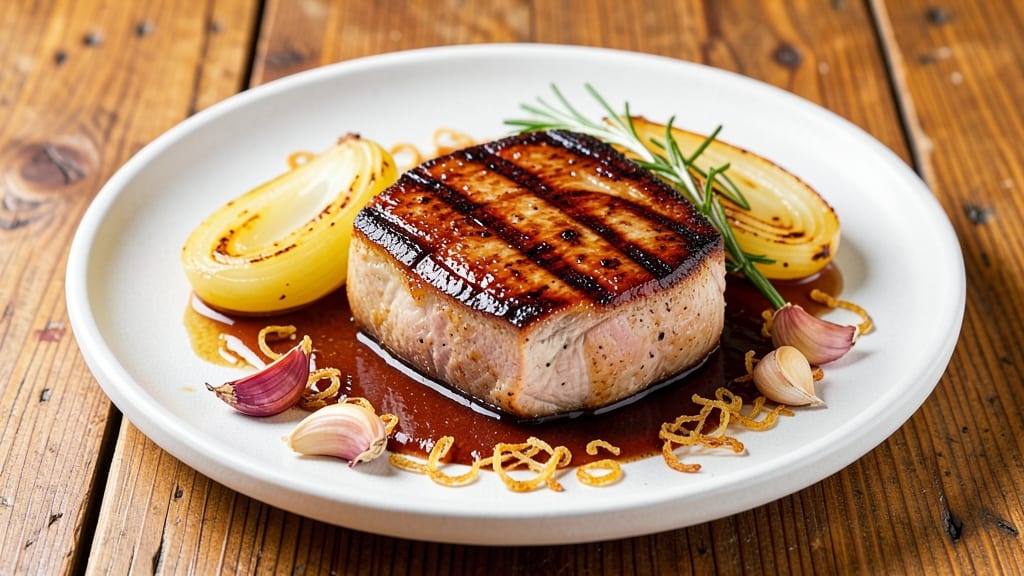
This boneless pork ribeye roast crock pot recipe transforms tough cuts into melt-in-your-mouth perfection with minimal effort. After years of perfecting slow-cooked pork at The Smoky Pig, I've cracked the code for juicy, tender meat that never dries out—even when cooked low and slow.
The secret lies in proper seasoning and moisture balance, techniques I've refined while preparing thousands of pounds of pork weekly.
What sets this recipe apart is the foolproof method that ensures every bite stays succulent, thanks to a combination of aromatics and liquid that baste the meat throughout cooking.
Unlike traditional roasting, the crock pot's gentle heat breaks down connective tissue while preserving moisture, resulting in meat that practically falls apart. This approach delivers restaurant-quality results with hands-off convenience—ideal for busy weeknights or holiday gatherings.
The final product is a deeply flavorful roast with a tender texture that pairs beautifully with classic sides like mashed potatoes or roasted vegetables. My Georgia upbringing taught me that pork deserves respect, and this method honors that tradition while adapting to modern kitchens.
The slow cooking process develops rich, caramelized flavors that elevate simple seasonings into something extraordinary.
Perfect for feeding a crowd or meal prepping, this recipe scales effortlessly while maintaining its signature tenderness. Whether you're hosting Thanksgiving or craving a comforting weeknight dinner, this crock pot method delivers consistent, impressive results every time.
Let's get cooking with pork that tastes like it came from a pitmaster's table.
Ingredients for boneless pork ribeye roast crock pot
Sixteen ingredients combine to create restaurant-quality pork that practically melts in your mouth.
| Ingredient | Amount | Notes |
|---|---|---|
| Boneless Pork Ribeye Roast 🥩 | 3 lb | Center-cut for tenderness, trimmed of excess fat |
| Yellow Onion 🧅 | 1 whole | Large, sliced into half-moons |
| Garlic Cloves 🧄 | 8 cloves | Fresh, peeled and smashed |
| Apple Cider Vinegar 🍎 | ¼ cup | Braises beautifully, adds depth |
| Beef Broth 🥄 | 2 cups | Low-sodium preferred, room temperature |
| Brown Sugar 🍚 | ½ cup | Light or dark variety |
| Smoked Paprika 🌶️ | 1 tbsp | For authentic smoky flavor |
| Ground Black Pepper 🌶️ | 1 ½ tsp | Freshly cracked for intensity |
| Diamond Crystal Kosher Salt 🧂 | 1 ½ tsp | Adjusts to taste |
| Fresh Thyme 🌿 | ¼ cup | Stems removed, chopped |
| Fresh Rosemary 🌿 | ⅛ cup | Needles finely chopped |
| Olive Oil 🫒 | 1 tbsp | Extra-virgin for searing |
| Honey 🍯 | 2 tbsp | Wildflower preferred |
| Worcestershire Sauce 🍶 | 1 tbsp | Anchovy-free version for consistency |
The boneless pork ribeye roast is the star here, and center-cut is non-negotiable—it's more tender with less connective tissue. Look for cuts labeled 'ribeye' or 'ribeye roll' at Whole Foods or your local butcher shop. If buying pre-trimmed, check for marbling—those fat streaks are what keep the meat juicy during slow cooking. For a crowd, scale up proportionally; Costco often sells these roasts in 5-6 lb sizes perfect for gatherings. Trim any large fat deposits before searing to ensure even cooking, but leave smaller fat deposits—they render during cooking and baste the meat naturally.
No apple cider vinegar? Balsamic vinegar works in a pinch, though it'll add a slightly sweeter note. Substituting beef broth? Vegetable broth with 1/4 cup beef bouillon maintains depth. The honey and brown sugar balance the acidity—if you prefer less sweetness, reduce both by half. Fresh thyme and rosemary can be swapped for 1/2 teaspoon dried thyme and 1/4 teaspoon dried rosemary, but fresh herbs add complexity. The Worcestershire sauce adds umami, but if you're avoiding anchovies, soy sauce or coconut aminos provide a similar savory punch. For extra richness, add 1/4 cup chicken broth to the liquid mixture before cooking.
This roast reheats beautifully—375°F for 15-20 minutes covered with foil restores moisture perfectly. Store leftovers in an airtight container for up to 5 days in the fridge or 3 months frozen. For meal prep, portion into individual servings before freezing; thaw overnight in the fridge for even cooking. The aromatics (onion, garlic, herbs) can be prepped ahead and refrigerated for 3 days, saving time on cooking day. If you're serving a crowd, double the recipe—the flavors deepen with longer cooking, and the crock pot handles the extra volume effortlessly.
Why You'll Love This Recipe
- Hands-Off Cooking: I swear by this for nights when I’d rather not stand at the stove. Toss the roast, onions, and garlic into the crock pot with vinegar and broth, then walk away—literally. The slow cooker does all the work while I’m folding laundry or watching a show.
- Deep, Savory Magic: That apple cider vinegar? It’s the secret weapon here. It tenderizes the pork to perfection while adding a tangy depth that pairs insanely well with the rich beef broth. You’ll get that fall-apart texture with just a hint of brightness—no fancy marinades needed.
- Leftovers That Don’t Suck: Between us, most slow-cooked pork ends up as sad, dry scraps. Not this. The roast stays juicy, and the flavor only gets better the next day. I’ll often repurpose slices into tacos or sandwiches—no one complains, and my wallet stays happy.
- Budget-Friendly Feast: A single pork ribeye roast feeds my family of four for days—breakfast sandwiches, lunches, or even a quick stir-fry. The onions and garlic are cheap staples, and the broth stretches thin without sacrificing taste. Honestly, it’s one of my go-to meals for stretching groceries further.
Step-by-step instructions for slow-cooked pork ribeye roast
Master this crock pot technique for melt-in-your-mouth pork every time.
Sear the Pork Ribeye Roast for Maximum Flavor
Pat the 3 lb boneless pork ribeye roast completely dry with paper towels—this ensures maximum browning. Heat a heavy skillet over medium-high heat and add 1 tablespoon olive oil. Once shimmering, place the roast in the pan and sear for 4-5 minutes per side until deep golden brown with a crust forming.
Here's the thing—searing develops the Maillard reaction, which creates that deep, caramelized flavor that slow cooking alone can't replicate. Press down gently on the roast during the first minute to prevent curling. Once browned, transfer the roast to your crock pot and set it aside.
Build the Aromatic Base for Rich Depth
In the same skillet (no need to clean it—the browned bits add flavor), add the 1 whole yellow onion sliced into half-moons and cook for 3-4 minutes until softened and lightly caramelized. Add the 8 smashed garlic cloves and cook for 30 seconds until fragrant but not browned.
Transfer these aromatics to the crock pot along with 1 tablespoon smoked paprika, 1.5 teaspoons ground black pepper, and 1.5 teaspoons Diamond Crystal kosher salt. Stir gently to distribute the spices evenly. This aromatic base forms the flavor foundation for your roast.
Combine Wet Ingredients for Perfect Moisture Balance
In a medium bowl, whisk together 2 cups beef broth, 0.25 cup apple cider vinegar, 0.5 cup brown sugar, 2 tablespoons honey, and 1 tablespoon Worcestershire sauce until the sugar and honey dissolve completely. This mixture creates a sweet-savory balance that tenderizes the meat while keeping it moist.
Pour this liquid into the crock pot, making sure to coat the bottom evenly. Add the 0.25 cup chopped fresh thyme and 0.125 cup finely chopped fresh rosemary on top. The herbs will infuse their aromatic oils into the meat as it cooks, adding complexity to each bite.
Slow Cook to Perfect Tenderness
Place the pork ribeye roast in the crock pot, fat-side up if possible, and cover with the lid. Cook on LOW for 8 hours or HIGH for 5-6 hours, until the internal temperature reaches 203°F and the meat is fork-tender with no resistance.
This low-and-slow approach breaks down collagen in the meat, transforming tough fibers into silky, melt-in-your-mouth texture. The sweet-savory sauce will thicken slightly as it cooks, creating a glossy finish that clings beautifully to each slice.
Rest and Serve for Maximum Juiciness
Once cooked, remove the roast from the crock pot and transfer it to a cutting board. Tent loosely with foil and let it rest for 15-20 minutes before slicing. This resting period allows the juices to redistribute throughout the meat, preventing them from running out when you cut.
Slice against the grain into ½-inch thick portions and serve with the reduced cooking sauce spooned generously over each serving. The result should be perfectly tender pork with a caramelized crust, surrounded by a rich, aromatic sauce that balances sweet, smoky, and tangy flavors.
Pro Tips For Making Boneless Pork Ribeye Roast Crock Pot
- SEAR FIRST, THEN SLOW: Start your pork on high heat in a skillet—no crock pot yet—until it’s deeply browned on all sides. That crust locks in flavor and keeps the meat from drying out later, especially since boneless roasts lose moisture faster than bone-in cuts.
- CHOP ONIONS COARSE: Slice those yellow onions into ½-inch chunks instead of thin rings. They’ll soften evenly in the crock pot without turning to mush, and you’ll actually taste them in every bite—not just a watery residue at the bottom.
- ACID FIRST, BROTH LATER: Deglaze the crock pot with apple cider vinegar before adding beef broth. The acid breaks down the meat’s surface proteins right away, making the pork tender faster. Pouring broth on top afterward keeps the sauce balanced and rich.
- SKIP THE FULL COOK: Pull the pork when it hits 195°F internal temp, not 203°F. Overcooking turns boneless ribeye tough, and the crock pot’s low-and-slow method can push it there fast. Rest it 10 minutes under foil—it’ll stay juicy, I promise.
Essential equipment for boneless pork ribeye roast crock pot
Crock Pot Essentials
Start with a 6-quart crock pot—this size accommodates the 3 lb roast with room for aromatics and liquid without overcrowding. I swear by my Hamilton Beach 6-Quart Programmable Slow Cooker—it has even heat distribution and a removable stoneware insert that's dishwasher-safe.
For budget-friendly options, Cuisinart's 6-Quart model delivers consistent results without the premium price tag. 🔥
Searing Tools
A heavy-duty cast iron skillet (like my vintage Lodge Pre-Seasoned 10.25-inch) is non-negotiable for searing—the dense material retains heat better than stainless steel, ensuring a deep golden crust.
If cast iron isn't your thing, a high-quality stainless steel skillet (such as All-Clad Stainless) works well, though you'll need to monitor heat more closely to prevent sticking. Preheat your pan for 3-5 minutes before adding oil—this ensures proper heat transfer for that perfect Maillard reaction.
Temperature Control
Invest in a meat thermometer—I can't emphasize this enough. The ThermoWorks Smoke is my go-to because it's waterproof, has a backlit display, and probes to 203°F with precision. For pork safety, you want to hit this internal temperature to ensure tenderness while avoiding dryness.
If you don't have a thermometer, use the fork test: The meat should be fork-tender with no resistance when pierced—this usually coincides with the 203°F mark for slow-cooked pork.
Prep Tools
Gather a sharp chef's knife (like the Wüsthof Ikon 8-inch) for trimming fat and slicing onions, plus a cutting board with a non-slip mat to prevent sliding.
A microplane comes in handy for zesting garlic cloves if you prefer that texture, and a wooden spoon helps stir the aromatics without scratching your crock pot's surface. I also keep a fine-mesh strainer nearby to drain any excess liquid from the herbs before adding them to the crock pot.
Storage Containers
For leftovers, transfer the roast and sauce to glass airtight containers—I prefer Pyrex 8-cup bowls with snap-on lids for easy stacking. These containers maintain the meat's moisture and flavors better than plastic.
If you're meal prepping, divide portions into single-serving containers before freezing to reheat individual servings without thawing the entire batch. Label containers with dates to track freshness—this roast stays good for 5 days refrigerated or 3 months frozen.
Optional Upgrades
For next-level flavor, consider a smoker box (like the Pit Barrel) to add wood chips directly to your crock pot. I love using hickory or applewood for a subtle smoky depth that complements the pork beautifully.
Another game-changer is a digital instant-read thermometer (such as the Thermapen) for real-time monitoring during the searing step—it helps you nail that 4-5 minute per side sear without overcooking. These upgrades aren't essential, but they elevate the dish from good to spectacular. 💡
Nutrition facts
Frequently asked questions
Why does the recipe specify boneless pork ribeye roast instead of regular pork shoulder?
The boneless ribeye cut delivers exceptional tenderness because it contains less connective tissue than pork shoulder. While pork shoulder benefits from long slow cooking to break down collagen, ribeye stays juicy and flavorful without becoming stringy. The ribeye's natural marbling also keeps it moist during the process, resulting in melt-in-your-mouth texture that's perfect for crock pot preparation.
Can I use this recipe with a different cut of pork, like pork loin?
Pork loin works but requires adjustments. Since loin is leaner, reduce cooking time to 4-5 hours on HIGH or 6 hours on LOW to prevent dryness. Add 1/4 cup extra beef broth and increase honey to 3 tablespoons to compensate for the lack of fat. Monitor closely with a meat thermometer, aiming for 195°F internal temperature for optimal tenderness.
What's the best way to reheat leftovers without drying out the pork?
For perfect reheating, slice the pork into 1/2-inch portions and place in a skillet with 1 tablespoon olive oil over medium-low heat. Add 2 tablespoons beef broth and cover for 5-7 minutes until warmed through. The oil and broth create steam that prevents moisture loss. Alternatively, reheat in the microwave for 1-2 minutes covered with a damp paper towel, stirring halfway.
How can I make this recipe smokier without a smoker box?
Add 1 teaspoon liquid smoke to the broth mixture or use 1/2 teaspoon smoked salt instead of regular salt. For a more natural approach, wrap 2-3 wood chips (hickory or applewood) in aluminum foil and place them in the crock pot with the meat. The indirect heat will infuse subtle smoky notes without overpowering the dish.
What are the signs that the pork is overcooked?
Overcooked pork will have a dry, crumbly texture and may pull away from the bone if using bone-in cuts. The internal temperature will exceed 210°F, and the meat will appear stringy rather than tender. To prevent this, always use a meat thermometer and remove the roast when it reaches 203°F—it will continue cooking slightly while resting.