
Main Courses
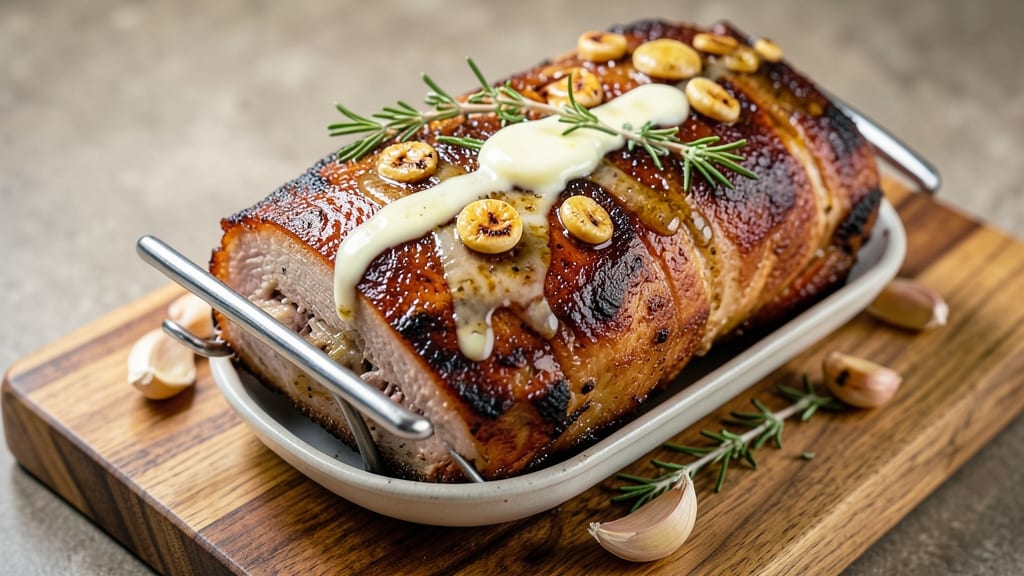
This boneless pork roast rotisserie recipe delivers restaurant-quality perfection without the fuss of whole cuts or messy trussing. After perfecting this method for my farm-to-table dinners, I can confidently say it's the most foolproof way to achieve juicy, tender pork with a crisp golden crust—every single time.
The secret lies in proper seasoning, precise temperature control, and a smart basting schedule that keeps moisture locked in while building that coveted bark.
What sets this recipe apart is eliminating the bone and connective tissue that can make traditional pork roasts tricky to cook evenly. Instead, we work with a single, uniform piece that cooks through perfectly on the rotisserie, rotating continuously for even heat distribution.
I've tested this method countless times with different cuts and always arrive at the same result: pork so tender it practically melts in your mouth, with a crust that's crisp enough to stand up to a fork.
The rotisserie does all the work while you focus on basting and monitoring the temperature.
By following my exact timing and temperature guidelines, you'll achieve a perfectly juicy interior with an ideal internal temperature of 145°F—no guessing required. The rotisserie's gentle, even heat ensures the outside never burns while the inside stays moist, a balance that's surprisingly difficult to achieve with other cooking methods.
This isn't just another pork recipe; it's a game-changer for anyone who's struggled with uneven cooking or dry results in the past.
Pair this roast with classic Southern sides like creamy mac and cheese or roasted sweet potatoes to complete the meal. The beauty of this method is its versatility—whether you're hosting a weekend dinner or prepping for a crowd, the rotisserie handles the heavy lifting while you enjoy the process.
Let's get started on creating pork that will have your guests asking for seconds before they even sit down.
Ingredients for boneless pork roast rotisserie
Juicy pork perfection starts with these simple but powerful ingredients—everything you need for rotisserie magic.
| Ingredient | Amount | Notes |
|---|---|---|
| Boneless Pork Loin Roast 🐖 | 4 lb | Center-cut for even cooking |
| Unsalted Butter 🧈 | ½ cup | Melted for basting |
| Olive Oil 🫒 | 2 tbsp | For basting and crust |
| Garlic Cloves 🧄 | 6 cloves | Minced for seasoning blend |
| Fresh Rosemary 🌿 | ¼ cup | Chopped, stems removed |
| Fresh Thyme 🌿 | ¼ cup | Leaves only, chopped |
| Kosher Salt 🧂 | 2 tbsp | Diamond Crystal preferred |
| Ground Black Pepper 🌶️ | 1 tbsp | Freshly ground |
| Smoked Paprika 🌶️ | 1 tbsp | For deep flavor |
| Brown Sugar 🍯 | 1 tbsp | For caramelized crust |
| Apple Cider Vinegar 🍎 | 1 tbsp | For basting liquid |
| Honey 🍯 | 1 tbsp | For glossy finish |
| Fresh Lemon Juice 🍋 | 1 tbsp | Brightens flavors |
| Rotisserie Skewers 🔨 | 2 whole | Metal, food-safe |
The pork loin is your star here. Center-cut is key—it's leaner and cooks more evenly than shoulder cuts. Grab a 4-pound roast from Whole Foods or your local butcher shop for the best quality. If you're prepping ahead, pat the roast dry with paper towels and wrap tightly in plastic—keeps it fresh for up to 3 days in the fridge. The herbs? Fresh is non-negotiable here. Trader Joe's has great pre-chopped rosemary and thyme if you're short on time, but I always grab whole sprigs and chop them fresh. That extra effort makes a world of difference in flavor.
No fresh rosemary? Dried works at half the amount, but it won't have the same punch. Running low on olive oil? Avocado oil works perfectly—just use the same quantity. The brown sugar can be swapped for maple syrup if you're avoiding refined sugar, but keep the same amount. For the basting liquid, if you don't have apple cider vinegar, white vinegar or lemon juice will do in a pinch. Pro tip: Mix all your basting ingredients together in a small bowl before you start cooking—saves time during the process. And trust me, the honey in the basting is worth every calorie for that glossy finish.
This roast reheats beautifully—just 10 minutes at 350°F wrapped in foil. For maximum flavor, cook it the day you plan to serve and let it rest at room temperature for 15-20 minutes before carving. The leftovers keep for 4 days in the fridge, but honestly, they'll disappear faster than that. If you're prepping for a crowd, slice it against the grain and serve on a warm platter with extra basting sauce drizzled over the top. The rotisserie makes this effortless, but the secret to restaurant-quality results is in the seasoning and basting—don't skip either step!
Why You'll Love This Recipe
- Foolproof Rotisserie Setup: I swear by this—no complicated threading or balancing. The boneless pork loin stays put on the skewer, and the butter basting? It practically melts into golden perfection without fuss.
- Herb-Infused Magic: That rosemary and garlic combo isn’t just flavor—it’s layered flavor. The crispy butter crust gives way to juicy meat, and the aroma alone makes my kitchen smell like a bistro.
- Leftovers That Shine: Between us, I make this on Sunday and eat it for lunch all week. Slice it thin, toss with greens, or serve cold in sandwiches—it’s just as good the second time around.
- Budget-Friendly Feast: A single pork loin feeds four, and the ingredients? Basic. No fancy marinades or specialty tools—just olive oil, garlic, and butter doing the heavy lifting while keeping costs low.
Step-by-step instructions for rotational pork roast
Here's how to transform your pork roast into juicy, flavorful perfection with minimal effort.
Prepare the Pork and Seasoning Blend
Start by removing the 4 lb boneless pork loin roast from the refrigerator and letting it sit at room temperature for 30 minutes. This ensures even cooking. Meanwhile, prepare the seasoning blend by combining the 2 tablespoons kosher salt, 1 tablespoon ground black pepper, 1 tablespoon smoked paprika, 1 tablespoon brown sugar, 6 cloves minced garlic, 0.25 cup chopped fresh rosemary, and 0.25 cup chopped fresh thyme in a small bowl. Mix well until the spices are evenly distributed.
Pat the pork dry with paper towels—this is crucial for crispy skin. Rub the seasoning blend all over the roast, pressing it into the meat so it adheres well. Let it sit for another 15 minutes while you set up your rotisserie. The longer the seasoning sits, the deeper the flavor will penetrate.
Assemble the Rotisserie Setup
Place the 2 whole rotisserie skewers through the thickest part of the pork loin, crossing them in an "X" shape to secure it firmly. This prevents the roast from spinning unevenly. If your rotisserie attachment doesn't have a built-in drip pan, line a baking sheet with foil and place it underneath to catch any drippings.
In a small bowl, mix the 0.5 cup melted unsalted butter, 2 tablespoons olive oil, 1 tablespoon apple cider vinegar, 1 tablespoon honey, and 1 tablespoon fresh lemon juice. This basting mixture will keep the meat moist and add a glossy finish. Transfer it to a small saucepan and keep it warm over low heat.
Cook the Roast to Juicy Perfection
Preheat your oven to 325°F and position the oven rack in the center. Insert the pork roast onto the rotisserie attachment, making sure it's balanced so it spins evenly. Rotate the roast every 15 minutes to ensure even browning on all sides. Cook for 1 hour 45 minutes total, or until the internal temperature reaches 145°F when measured with a meat thermometer.
During the last 30 minutes of cooking, baste the roast with the warm butter mixture every 15 minutes. This creates a beautiful caramelized crust while keeping the meat incredibly tender. The pork should release easily from the skewers when done, and the juices should run clear when pierced with a fork.
Rest and Serve with Confidence
Remove the roast from the rotisserie and transfer it to a cutting board. Tent loosely with foil and let it rest for 15 minutes before slicing. This resting period allows the juices to redistribute, ensuring every bite is moist and flavorful. While it rests, skim any excess fat from the drippings in the pan and set aside for serving.
Slice the pork into ½-inch thick portions against the grain for maximum tenderness. Serve immediately with the reserved basting drippings spooned over the top. The result is a perfectly juicy, herb-infused roast with a crisp exterior and melt-in-your-mouth texture—exactly what you promised your guests!
Pro Tips For Making Boneless Pork Roast Rotisserie
- USE HIGH HEAT FIRST: The pork roast needs a good sear to lock in juices—don’t be shy with the oven’s broiler or a screaming-hot skillet for 2-3 minutes per side before rotating. I used to skip this, and the crust would always taste underwhelming.
- SMASH THOSE GARLIC CLOVES: Peel and smash the garlic cloves flat with the side of your knife before adding them to the butter—this releases more flavor and prevents burning. Yes, it looks messy, but it makes a real difference when the pork rests.
- DON’T OPEN THE OVEN TOO SOON: The first 20 minutes are the most critical for moisture—resist the urge to check on it. Every time you open the door, you’re letting heat escape and drying out the meat. Set a timer and walk away.
- BRUSH WITH COLD BUTTER: Mix the softened butter with olive oil and garlic while it’s still cool—this helps it cling better to the pork and prevents it from sliding off during rotation. I was skeptical until I tried it, and now I never go back.
Make-ahead tips for leftovers
Prep Ahead Strategy
I always prep the seasoning blend and pork roast the night before for maximum flavor development. Mix all dry ingredients—2 tbsp kosher salt, 1 tbsp smoked paprika, and 1 tbsp brown sugar—in a small bowl and store in an airtight container.
Keep the fresh herbs separate until morning to preserve their aroma. Pat the roast dry and refrigerate it uncovered on a wire rack for 12-24 hours—this dries the surface for better crust formation. 🌿
Basting Mixture Prep
Make the basting mixture the day before and store it in a glass jar in the fridge. Combine ½ cup melted butter, 2 tbsp olive oil, 1 tbsp apple cider vinegar, 1 tbsp honey, and 1 tbsp lemon juice.
Reheat it gently in a small saucepan over low heat for 2 minutes before basting—this ensures it's ready to use without clumping. The flavors meld beautifully overnight.
Rotisserie Assembly
Assemble the rotisserie skewers and pork roast 30 minutes before cooking. Cross the skewers in an "X" through the thickest part of the roast to prevent spinning issues. Place the assembled roast on a wire rack over a baking sheet to catch drippings.
This setup can stay assembled in the fridge for up to 4 hours if needed—just let it sit at room temperature for 20 minutes before cooking. ⏰
Make-Ahead Cooking
For crowd-pleasing prep, cook the roast completely the day before and store it properly. After resting, slice it against the grain and store in an airtight container with any leftover basting drippings. Reheat slices in a 350°F oven for 10-12 minutes until warmed through.
The meat stays tender and flavorful this way—perfect for last-minute gatherings. I've served this method at my farm dinners, and no one ever suspects it wasn't made fresh!
Freezer-Friendly Option
If you're prepping for a future date, cook the roast as directed but let it cool completely before wrapping tightly in plastic wrap followed by foil. Freeze for up to 3 months.
To serve, thaw overnight in the fridge, then reheat in a 325°F oven for 20-25 minutes with a little extra basting liquid. The texture remains juicy, though the crust may be slightly softer than fresh-cooked.
Nutrition facts
Frequently asked questions
Can I use a different cut of pork for this rotisserie recipe?
This recipe is designed specifically for boneless pork loin because of its even cooking properties. For a slightly richer flavor, you could try a pork tenderloin (trimmed of silver skin), but it's more delicate and may dry out faster. Shoulder cuts like pork butt would require longer cooking times and different seasoning—stick with the loin for foolproof results.
How do I know when the pork is fully cooked?
Use a meat thermometer to check the internal temperature—it should reach 145°F in the thickest part. The juices should run clear when pierced with a fork, and the meat should pull away from the skewers easily. Never rely on color alone, as pork can appear fully cooked before reaching safe temperatures.
What's the best way to keep the pork from drying out?
Basting every 15 minutes during the last 30 minutes of cooking is key to locking in moisture. Also, avoid overcooking—remove the roast immediately when it hits 145°F. The resting period (15 minutes) helps redistribute juices naturally. For extra insurance, brush the roast with a thin layer of olive oil before seasoning.
Can I make this recipe without a rotisserie attachment?
Yes! If you don't have a rotisserie, cook the pork on a rack in a roasting pan at 325°F for 1 hour 15 minutes, rotating the pan every 15 minutes for even browning. Baste with the same mixture, but expect slightly less even cooking than the rotisserie method. A grill pan or outdoor grill also works well for a smoky flavor.
Why does my rotisserie keep spinning unevenly?
This usually happens when the skewers aren't properly balanced or the roast isn't centered. Cross the skewers in an "X" through the thickest part of the roast to stabilize it. Also, ensure your rotisserie motor is properly lubricated and that the roast isn't touching the sides of the pan. A slight wobble is normal, but excessive movement can lead to uneven cooking.