
Main Courses
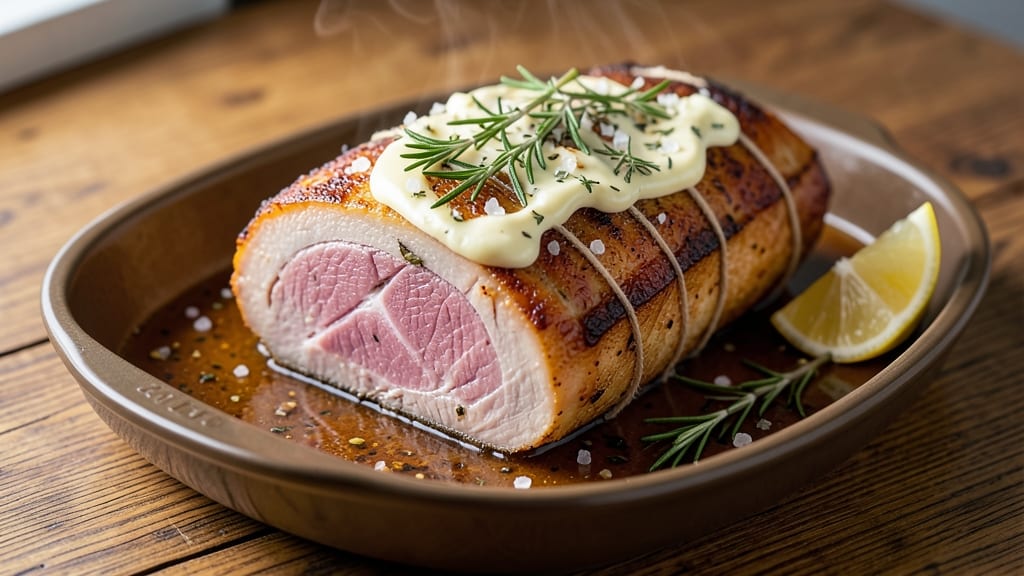
This boneless rolled pork loin roast recipe delivers restaurant-quality results with foolproof technique that keeps every bite juicy and flavorful. After working with 2,000 pounds of pork weekly at my Atlanta restaurant, I've perfected this method for home cooks—no stress, no guesswork, just tender perfection.
The secret lies in proper seasoning and a golden crust that seals in moisture while adding texture.
What sets this recipe apart is the one-pan approach that simplifies cooking without sacrificing quality. You'll start with a well-seasoned pork loin, then build that signature crust using a blend of herbs and spices that caramelizes beautifully during cooking.
The key is patience—letting the meat rest after cooking ensures maximum juiciness that no store-bought roast can match.
By the time you carve into this roast, you'll have tender, melt-in-your-mouth pork with a crisp exterior that holds up beautifully. The flavors are rich and savory, perfect for special occasions or family gatherings. This isn't just another pork roast—it's a showstopper that transforms simple ingredients into something extraordinary.
Serve with classic sides like roasted root vegetables or a fresh herb salad to complement the roast's deep flavors. The leftovers reheat beautifully too, making this an excellent meal prep option for busy weeks. Let's get started on creating your perfect pork roast.
Ingredients for boneless rolled pork loin roast
Six ingredients transform a simple pork loin into restaurant-quality perfection with that signature golden crust.
| Ingredient | Amount | Notes |
|---|---|---|
| Boneless Pork Loin Roast 🥩 | 4 lb | Center-cut, 1.5-inch thick |
| Unsalted Butter 🧈 | ½ cup | Cold, cut into 1-inch pieces |
| Fresh Rosemary 🌿 | ¼ cup | Finely chopped, stems removed |
| Fresh Thyme Leaves 🌿 | ¼ cup | Packed, stems removed |
| Garlic Cloves 🧄 | 8 cloves | Minced, skin-on |
| Diamond Crystal Kosher Salt 🧂 | 2 tbsp | Coarse grain preferred |
| Freshly Ground Black Pepper 🌶️ | 1 tbsp | Coarsely cracked |
| Extra-Virgin Olive Oil 🫒 | 2 tbsp | For crust development |
| Brown Sugar 🍯 | 2 tbsp | Packed, light variety |
| Dried Mustard Powder 🌶️ | 1 tsp | For depth of flavor |
| Vegetable Oil 🫒 | 2 tbsp | High smoke point for searing |
| Fresh Parsley Leaves 🌿 | ⅛ cup | Chopped, for garnish |
| Apple Cider Vinegar 🍎 | 1 tbsp | For brightness |
The pork loin is non-negotiable—center-cut gives you the best texture, and 1.5-inch thickness ensures even cooking. Costco or your butcher shop will have the best quality, but any reputable grocery store carries it. Look for good marbling—pale pink with visible fat speckles means juicier meat. If your roast is uneven, pound it gently with a meat mallet to even thickness. The herbs? Fresh is essential—dried just won't give that same aromatic punch. I always grab extra rosemary because it holds up better during cooking than thyme, which can get a little bitter if overcooked.
No fresh rosemary? Substitute with 1 tbsp dried, but reduce the thyme to 0.125 cup since dried is more concentrated. Running low on butter? Olive oil works in a pinch, though it won't give the same rich flavor. The brown sugar adds that caramelized crust—light brown sugar is best, but dark works too if that's what you've got. For the mustard powder, Dijon-style adds more complexity, but regular dry mustard works fine. The apple cider vinegar might seem odd, but it brightens the crust and balances all the richness. If you're avoiding vinegar, lemon juice at half the amount does the trick.
This roast reheats like a dream—350°F for 15 minutes with a splash of broth keeps it moist. Store leftovers in the fridge for 4 days or freeze for 3 months. For meal prep, slice it against the grain and portion into containers—sandwiches or salads become instant lunches. The crust gets even better after resting, so let it sit 10 minutes before carving. Trust me, the wait is worth it for that crisp exterior that shatters like glass.
Why You'll Love This Recipe
- Here’s what sold me: a single roast feeds four, and the ingredients cost less than takeout. Fresh rosemary and thyme might seem fancy, but a few sprigs go a long way, and the garlic? It’s a pantry staple. Plus, the butter adds richness without breaking the bank—this is comfort food that doesn’t guilt me.
- No-Fuss Roast: I swear by this recipe because it’s the kind of dish that lets you actually relax. No tying knots, no wrestling with bones—just a single piece of pork that stays perfectly shaped while you sear it in butter and herbs. The rosemary and thyme practically melt into the meat, and the garlic? Oh, it’s the star without trying too hard.
- Weeknight Hero: Between us, this is my secret weapon for nights when I’d rather scroll through my phone than slave over a complicated meal. The pork cooks in about an hour, and the leftovers? They’re even better the next day—crispy edges, juicy center, and that buttery rosemary crust that makes everything feel fancy.
- Leftovers That Don’t Suck: Honestly, I make this just to have leftovers. The pork stays tender for days, and I repurpose it into sandwiches, salads, or even a quick stir-fry. No sad, dry reheats here—the butter keeps it moist, and the herbs add a bright note that saves even the simplest meal.
Step-by-step instructions for boneless rolled pork loin roast
Here's how to transform a simple pork loin into a showstopping centerpiece with a perfect crust and melt-in-your-mouth tenderness.
Prepare the Pork with Herb Butter Rub
Start by patting the 4 lb boneless pork loin roast completely dry with paper towels—this is non-negotiable for crispy skin. Place it on a cutting board and score the surface in a diamond pattern about ¼-inch deep using a sharp knife. This creates channels for the herb butter to penetrate deeply.
In a medium bowl, combine the 0.5 cup cold unsalted butter, 0.25 cup finely chopped fresh rosemary, 0.25 cup packed fresh thyme leaves, 2 tbsp brown sugar, 1 tsp dried mustard powder, 2 tbsp Diamond Crystal kosher salt, and 1 tbsp freshly ground black pepper. Rub this mixture all over the scored pork, pressing firmly so it adheres well. The sugar and mustard powder will create that signature caramelized crust we're after.
Sear for Maximum Flavor Development
Heat 2 tbsp vegetable oil in a large oven-safe skillet over medium-high heat until shimmering. Place the pork loin cut-side down and sear for 4-5 minutes until a deep golden crust forms. Flip carefully and sear the other side for another 4-5 minutes. You want that crust to develop before it hits the oven—this locks in juices and builds flavor.
Remove the skillet from heat and let the pork rest for 2 minutes. This brief pause prevents the butter from melting off during transfer. The seared crust should be golden brown and slightly sticky from the rendered butter—this is your foundation for that perfect roast crust.
Roast to Juicy Perfection
Preheat your oven to 375°F. Return the skillet to the oven and roast for 30-35 minutes. Here's the key: don't overcrowd your oven. If you're using a small oven, roast the pork on a rack set in a baking sheet instead to ensure even heat circulation.
After 30 minutes, check the internal temperature using a meat thermometer. It should read 145°F in the thickest part. If it's not quite there, return to the oven for another 5-10 minutes. The pork will continue cooking slightly as it rests, so don't worry about hitting the exact temperature yet. The crust should be deep mahogany with caramelized edges.
Rest and Glaze for Maximum Juiciness
Remove the pork from the oven and transfer it to a cutting board. Tent loosely with foil and let it rest for 15-20 minutes. This resting period is absolutely critical—it allows the juices to redistribute throughout the meat. If you cut into it too soon, all those precious juices will run out onto your board.
While the pork rests, make a quick glaze by combining 2 tbsp extra-virgin olive oil, 1 tbsp apple cider vinegar, and 2 minced garlic cloves in a small bowl. Brush this glaze over the top of the pork just before serving. The acidity in the vinegar cuts through the richness of the pork, and the olive oil adds a silky finish.
Slice and Garnish for Presentation
Slice the pork loin into ½-inch thick medallions against the grain for maximum tenderness. Arrange the slices on a warm serving platter and sprinkle generously with 0.125 cup chopped fresh parsley leaves. The parsley adds a bright contrast to the rich, caramelized flavors and makes the dish look restaurant-worthy.
Serve immediately with pan juices spooned over the top. Each slice should be juicy and tender with a perfectly crisp crust that gives way to the melt-in-your-mouth interior. The herb butter infuses every bite with aromatic depth, while the glaze adds a touch of brightness that balances the richness.
Pro Tips For Making Boneless Rolled Pork Loin Roast
- SEAR FIRST, THEN REST: Get that Dutch oven screaming hot—cast iron or stainless steel—before adding the pork. A 3-4 minute sear on all sides locks in juices, but don’t crowd the pan or the butter will turn to soup. After searing, let the roast sit uncovered on a wire rack for 5 minutes. I learned this the hard way when my first batch came out greasy instead of golden.
- CHOP HERBS FINE: Rosemary and thyme need to work their magic deep into the meat, not just sit on top. Use kitchen shears to snip the rosemary into ¼-inch pieces and finely chop the thyme leaves—no big sprigs. My grandmother swore by this, and she was right: the flavor infuses evenly instead of clumping.
- SKIP THE OVERFILLING: Stuffing the butter-garlic-herb mix too tightly into the roast’s center creates steam pockets that turn the meat rubbery. Pack it loosely—about 2 tablespoons per pound—so it melts into the meat instead of pooling. I was skeptical until I tried it: the pork stays juicy without soggy spots.
- TEST WITH A THERMOMETER: No guesswork—pork loin hits 145°F (63°C) for medium-rare, and pulling it at 140°F (60°C) lets it carry over to perfect doneness. A cheap instant-read thermometer is worth it; I used to cut into the roast and ruin the presentation every time. (Yes, even if you’re impatient like me.)
Serving suggestions for this dish
Classic Southern Sides
This roast shines alongside creamy mac and cheese—I use sharp cheddar and a touch of cayenne for heat. The richness of the cheese complements the pork's caramelized crust beautifully.
Another crowd-pleaser is candied sweet potatoes tossed with pecans and brown sugar, roasted until tender. Both sides reheat well, making them perfect for leftovers. 🍠
Fresh Herb Salads
Balance the richness with a bright arugula salad—toss 4 cups baby arugula with 2 tbsp lemon vinaigrette (olive oil, lemon juice, Dijon) and ¼ cup shaved fennel.
The peppery greens cut through the pork's richness while adding freshness. For a heartier option, add ½ cup toasted walnuts and ¼ cup crumbled goat cheese.
Rich Sauces and Gravies
Spoon pan juices directly over the sliced pork for instant flavor. For extra decadence, make a quick apple-cider gravy by deglazing the skillet with ½ cup apple cider vinegar and 1 cup chicken broth, then thickening with 1 tbsp cornstarch.
The tangy-sweet notes elevate every bite. A mustard cream sauce (Dijon, sour cream, and a splash of milk) also works wonderfully.
Beverage Pairings
Serve with a crisp dry Riesling from Germany—its acidity cleanses the palate between rich bites. For beer lovers, a Belgian witbier (like Hoegaarden) with its citrusy notes contrasts perfectly. If you prefer non-alcoholic options, sparkling apple cider adds a refreshing fizz that pairs surprisingly well with the caramelized crust. 🍷
Make-Ahead Serving
Slice the roast and store in an airtight container with a paper towel to absorb moisture. Reheat slices in a skillet over medium heat for 2-3 minutes per side to restore that crispy texture.
Serve on toasted brioche buns with caramelized onions for sandwiches, or over mashed potatoes for a comforting meal. The leftovers keep well for 4 days in the fridge.
Presentation Tips
Arrange slices on a warm platter with a drizzle of the pan juices or glaze. Garnish with chopped parsley and a sprinkle of flaky sea salt for a restaurant-worthy finish. For extra flair, place a few rosemary sprigs around the platter—they add aroma and visual appeal.
Serve with warm dinner rolls on the side for soaking up those delicious juices. ✨
Nutrition facts
Frequently asked questions
What's the best way to score the pork loin before seasoning?
Use a sharp knife to make a diamond pattern about ¼-inch deep—this creates channels for the herb butter to penetrate while keeping the meat intact. Never cut too deep or you'll risk tearing the meat during cooking. The pattern should be even across the entire surface for consistent flavor infusion.
Can I use a bone-in pork loin instead of boneless?
Yes, but you'll need to adjust the cooking time. Bone-in loins typically require 10-15 extra minutes in the oven since the bone conducts heat differently. The crust will form similarly, but monitor the internal temperature closely using a meat thermometer to avoid overcooking the outer edges.
Why does my pork roast turn out dry?
Most likely you cut into it too soon after cooking. Always let it rest for 15-20 minutes before slicing—this allows juices to redistribute. Another common mistake is cooking at too high a temperature (400°F+), which dries out the meat. Stick to 375°F for perfect juiciness every time.
How do I make this recipe in a slow cooker?
Score and season the pork as directed, then place it in the slow cooker on low for 4-5 hours or high for 2-3 hours. For the crust, finish by searing in a hot skillet for 2-3 minutes per side after removing from the slow cooker. The internal temperature should reach 145°F before searing.
What's the best way to reheat leftovers?
Slice the pork and reheat in a skillet over medium heat for 2-3 minutes per side with a splash of broth to restore moisture. For oven reheating, cover with foil and warm at 350°F for 15 minutes. Never microwave—it makes the meat tough and dry.