
Recipes/Cooking
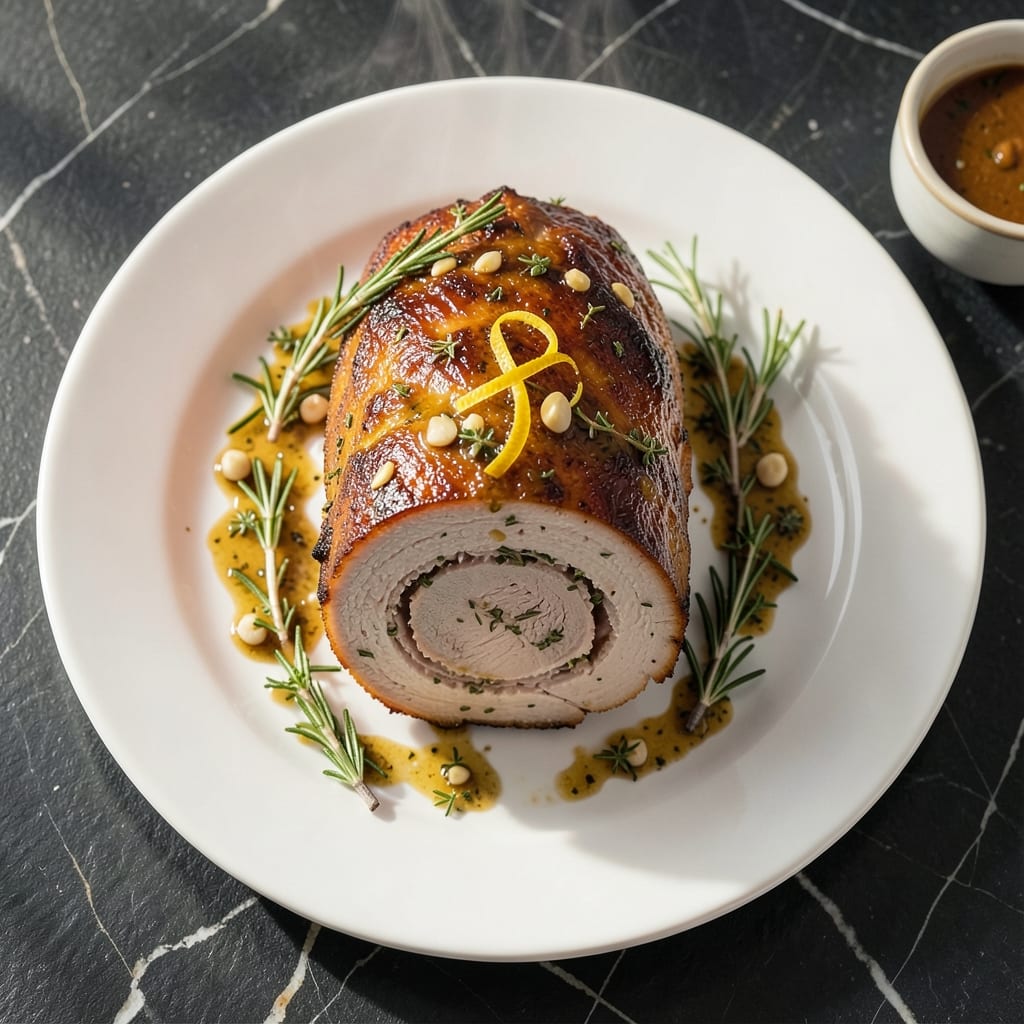
This boneless rolled pork roast recipe NZ transforms Sunday dinner into a Kiwi-inspired feast. I developed this method to maximize flavor while keeping the process simple and foolproof for home cooks.
The secret lies in a herb-infused rub that penetrates the meat as it roasts, creating a tender, juicy center with a golden crust. A hot oven start ensures proper browning before the slower finish guarantees even cooking throughout.
What emerges is a centerpiece worthy of any gathering—succulent pork with aromatic herbs and a perfectly caramelized exterior. The technique works every time, whether you're feeding family or hosting friends.
Serve with roasted vegetables or a fresh salad for a complete meal that feels special without the fuss.
Ingredients for boneless rolled pork roast recipe nz
A Kiwi-inspired feast starts with a simple herb-infused rub and quality pork loin.
| Ingredient | Amount | Notes |
|---|---|---|
| Boneless Pork Loin Roast 🥩 | 2 ½ lb | Rolled and tied, skin-on for crispiness |
| Fresh Rosemary 🌿 | 2 tbsp | Finely chopped, fresh preferred |
| Fresh Thyme Leaves 🍃 | 2 tbsp | Stripped from stems, fresh |
| Garlic Cloves 🧄 | 6 cloves | Minced for rub penetration |
| Olive Oil 🫒 | ¼ cup | Extra-virgin for rub consistency |
| Dijon Mustard 🟡 | 2 tbsp | Smooth variety for binding |
| Kosher Salt 🧂 | 1 tbsp | Diamond Crystal preferred for even seasoning |
| Freshly Ground Black Pepper 🌶️ | 1 tsp | Coarse grind for texture |
| Dry White Wine 🍷 | ½ cup | Sauvignon Blanc or Pinot Grigio |
| Chicken Stock 💧 | ½ cup | Low-sodium for reduction control |
| Honey 🍯 | 1 tbsp | For glaze caramelization |
| Unsalted Butter 🧈 | 2 tbsp | For basting, softened |
| Yellow Onion 🧅 | 1 whole | Medium, quartered for roasting bed |
| Carrots 🥕 | 3 whole | Peeled, cut into chunks |
| Celery Stalks 🥬 | 3 whole | Cut into 2-inch pieces |
The pork loin is non-negotiable here—boneless, rolled, and tied ensures even cooking and that perfect spiral when sliced. Source from New Zealand butchers if available (look for the silver fern mark), or any reputable local butcher with high turnover. The fresh herbs must be vibrant and aromatic—skip anything wilted or dried out. For the wine, a crisp Sauvignon Blanc (preferably from Marlborough) complements the pork beautifully.
No fresh herbs? Dried at one-third the amount, but rehydrate in warm water first. Out of Dijon? Whole grain mustard adds nice texture. For a non-alcoholic option, apple cider with a splash of vinegar mimics the wine’s acidity. The honey can be swapped for maple syrup (use slightly less as it’s thinner). If avoiding dairy, olive oil replaces butter for basting—less rich but still effective.
The roast can be prepped 12 hours ahead—rub it down, wrap tightly, and refrigerate. Leftovers keep 4-5 days in the fridge or freeze for 3 months. Reheat gently in a covered dish with a splash of stock to prevent drying out (worth the extra minute).
Why You'll Love This Recipe
- One Pan Magic: Honestly, I just rub the pork with garlic, rosemary, and thyme, roll it up, and let the oven do the work—one dish, minimal cleanup.
- Herb-Infused Perfection: That rosemary and thyme crust with the garlic? It makes every bite ridiculously good, no fancy techniques needed.
- Feeds a Crowd: I made this for Sunday lunch and had enough for sandwiches the next day—my kids even fought over the leftovers.
- Budget-Friendly Star: A pork loin roast is affordable, and with just olive oil and herbs, I turn it into something that tastes way more expensive than it is.
Step-by-step instructions for boneless rolled pork roast
Master the technique and you'll achieve tender, herb-infused pork with a caramelized crust.
Prepare the Herb and Garlic Rub
In a small bowl, combine the 0.25 cup olive oil, 2 tbsp Dijon mustard, 1 tbsp kosher salt, 1 tsp freshly ground black pepper, minced 6 cloves garlic cloves, 2 tbsp fresh rosemary, and 2 tbsp fresh thyme leaves. Stir until the mixture forms a cohesive paste with visible herb flecks throughout.
The Dijon acts as an emulsifier, binding the fat and seasonings to the meat. I use a fork for mixing—it breaks up the herbs better than a spoon. Let the rub sit for 5 minutes to allow the flavors to meld before applying it to the pork.
Sear and Season the Pork Loin
Pat the 2.5 lb boneless pork loin roast thoroughly dry with paper towels. This critical step ensures proper browning. Rub the herb mixture all over the pork, pressing it into the crevices and between the rolled layers if your roast is tied.
Heat a large oven-safe skillet or Dutch oven over medium-high heat. Add the pork and sear on all sides for about 2-3 minutes per side until deep golden brown. The fond (browned bits) left in the pan will become the base for your pan sauce.
Transfer the seared roast to a plate. The crust should be well-browned but not burnt—you're building flavor, not carbon.
Create the Roasting Bed and Deglaze
In the same hot pan, add the quartered 1 whole yellow onion, chunked 3 whole carrots, and 3 whole celery stalks. Sauté for 3-4 minutes until the vegetables begin to brown and soften slightly.
Pour in the 0.5 cup dry white wine, scraping up all the browned bits from the bottom of the pan. Let it reduce by half—this takes about 2-3 minutes. The alcohol will cook off, leaving concentrated flavor behind.
Add the 0.5 cup chicken stock and 1 tbsp honey, stirring to combine. This liquid will keep the pork moist during roasting while creating a flavorful basting liquid.
Roast to Perfection
Return the pork to the pan, placing it on top of the vegetables. Transfer the entire pan to a preheated 375°F oven. Roast uncovered for 45-55 minutes, basting with the pan juices every 15 minutes.
For the final 10 minutes, add the 2 tbsp unsalted butter to the pan. This creates a rich, glossy finish on the pork. The roast is done when an instant-read thermometer inserted into the thickest part registers 145°F.
Rest and Serve
Transfer the pork to a cutting board and tent loosely with foil. Let it rest for 15 minutes—this allows the juices to redistribute throughout the meat. The internal temperature will rise to 150-155°F during this time.
Slice the pork into ½-inch thick pieces and arrange on a platter. Spoon the pan vegetables and juices over the top. The pork should be juicy with a well-browned crust, and the vegetables should be tender with a slight caramelization.
Pro Tips For Making Boneless Rolled Pork Roast Recipe Nz
- Rest Before Slicing: Give the roast a solid 15 minutes under foil after cooking—this keeps the juices inside instead of all over your cutting board. I learned this the hard way after serving dry pork too many times.
- Score the Fat: Cut shallow slits into the fat cap before seasoning so the rosemary, thyme, and garlic actually penetrate the meat. Sounds tedious, but it makes a real difference in flavor.
- Don’t Overcrowd the Pan: Use a roasting tray with space around the pork so it browns instead of steams. After one soggy roast, I finally figured out this was the culprit.
- Crush the Garlic: Lightly crush the garlic cloves before stuffing them into the rolls—this releases more flavor without turning them bitter. My grandmother swore by this, and she was right.
Perfect pairings for this boneless rolled pork roast recipe nz
Kiwi Vegetable Sides
Roast kūmara (sweet potato) wedges alongside the pork—they'll absorb the pan juices beautifully. Toss 2 lbs kūmara with 2 tbsp olive oil and roast at 375°F for 30-40 minutes. The natural sweetness pairs perfectly with the herb crust. 🥗
Fresh Salad Pairing
A simple watercress and orange salad cuts through the richness. Toss 4 cups watercress with segments from 2 oranges and a light lemon vinaigrette. The peppery greens and citrus notes refresh your palate between bites.
Wine Matching
New Zealand Sauvignon Blanc is my top choice—its crisp acidity and grassy notes complement the herbs. For red lovers, a light Pinot Noir from Central Otago works beautifully. Serve slightly chilled for best results. 🍷
Sauce Options
Reduce the pan juices with 1 tbsp apple jelly for a quick glaze. Or blend the roasted vegetables with ½ cup chicken stock for a rustic sauce. Both take 5 minutes and add restaurant-quality finish to your plate.
Bread and Carbs
Serve with crusty bread to soak up the delicious juices. I love a fresh ciabatta loaf warmed in the oven for 5 minutes. The chewy texture makes each bite more satisfying.
Fruit Accompaniment
Add sliced apples and pears to the roasting pan during the last 20 minutes. Their natural sweetness caramelizes alongside the pork, creating a simple but elegant side dish. 💫
Nutrition facts
Frequently asked questions
Can I use a different cut of pork?
For best results, stick with a boneless loin. Shoulder cuts have more fat and connective tissue, requiring longer cooking. The rolled and tied shape ensures even cooking and beautiful presentation.
How do I prevent the pork from drying out?
Don’t skip the resting time! Letting it sit for 15 minutes after roasting allows juices to redistribute. Basting every 15 minutes with pan juices also keeps it moist.
What if I don’t have a meat thermometer?
Press the pork with tongs—it should feel firm yet springy. For medium doneness, aim for slight give. A thermometer is most accurate, but this trick works in a pinch.
Can I make this in a slow cooker?
Yes, but texture will differ. Sear first, then cook on low for 6-7 hours. The crust won’t be as crispy, but the flavors will still shine.