
Main Courses
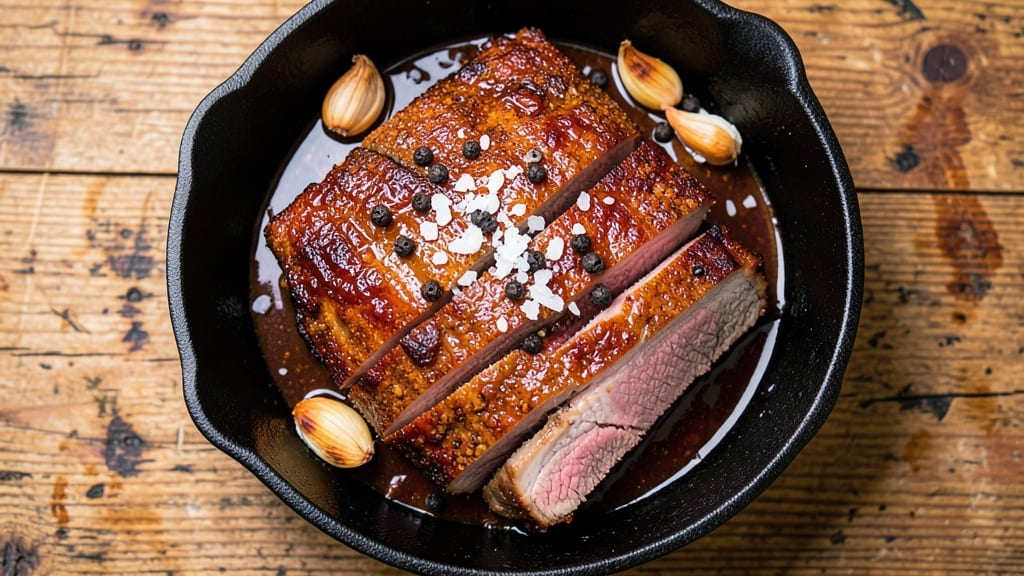
Mastering a Boston butt pork barbecue recipe that delivers melt-in-your-mouth tenderness and that signature caramelized bark is what separates backyard cooks from true pitmasters. The key lies in low-and-slow smoking with precise temperature control—something I perfected after years of experimenting with hickory and cherry wood blends.
My family’s backyard cookouts taught me that patience and smoke are the real secrets, not just time.
This recipe transforms a tough cut of pork into juicy, fall-apart perfection using a simple yet effective dry rub and a foolproof smoking method.
You’ll work with a 10-pound Boston butt (or larger) for maximum flavor and moisture, smoking it at 225°F until the internal temperature hits 195-203°F—that’s the sweet spot for tender, pull-apart texture.
The rub, a blend of brown sugar, paprika, garlic powder, and black pepper, creates a crust that caramelizes beautifully while keeping the meat moist.
By the time you’re done, you’ll have a caramelized, smoky masterpiece that’s juicy enough to make your guests ask for seconds. The bark will be sticky and dark, while the meat inside will pull apart effortlessly—no dry, chewy bites here.
Resting the pork for 30-60 minutes before slicing ensures every bite stays tender, and the juices redistribute for maximum flavor.
Serve with classic sides like tangy coleslaw and smoky baked beans to round out the meal. This isn’t just a recipe—it’s a restaurant-quality experience you can recreate at home with the right technique. Let’s get smoking!
Ingredients for boston butt pork barbecue
A 10-pound Boston butt transforms into smoky, caramelized perfection with just these essential ingredients.
| Ingredient | Amount | Notes |
|---|---|---|
| Boston Butt Pork Roast 🥩 | 10 lb | Bone-in for extra flavor |
| Brown Sugar 🍚 | 1 ½ cups | Packed for density |
| Smoked Paprika 🌶️ | ½ cup | For deep smoky flavor |
| Garlic Powder 🧄 | 3 tbsp | Not garlic salt |
| Black Pepper 🌶️ | 2 tbsp | Freshly ground preferred |
| Coarse Kosher Salt 🧂 | 2 tbsp | Diamond Crystal preferred |
| Apple Cider Vinegar 🍎 | ¼ cup | For tenderizing |
| Hickory Wood Chips 🔥 | 1 lb | For authentic smoke |
| Cherry Wood Chips 🍒 | ½ lb | Balances hickory's intensity |
| Pork Broth 🍲 | 2 cups | For basting and moisture |
| Butter 🧈 | ½ cup | Full-fat for richness |
| Wax Paper 📄 | 2 sheets | For wrapping pork |
| Aluminum Foil 🔥 | 2 sheets | For wrapping and insulation |
| Instant-Read Thermometer 📊 | 1 whole | Critical for accuracy |
The Boston butt is your star—look for bone-in cuts with visible marbling from Costco or your local butcher. Whole Foods often has pre-selected cuts, but I always prefer the butcher’s choice for that extra layer of fat. The wood chips matter too: Traeger or Bushwacker brands are reliable, but any quality hickory or cherry will work. Pro tip: Soak the chips in water for at least 30 minutes before smoking—they’ll smolder longer and produce more flavorful smoke. And don’t skip the thermometer—Meater or Thermoworks models are my go-tos for consistent accuracy.
No hickory? Applewood or pecan wood chips work well, though they’ll give a slightly different flavor profile. Short on cherry chips? Double the hickory and add a splash of balsamic vinegar to the rub for a similar sweetness. The pork broth can be homemade or store-bought—just make sure it’s unsalted so you control the seasoning. For the apple cider vinegar, raw or organic is ideal, but regular works in a pinch. And if you’re worried about the butter getting rancid during the long cook, use ghee instead—it stays fresh longer and adds a nutty depth.
This isn’t a quick-cook recipe—plan for 12-16 hours of smoking time, depending on your setup. After smoking, wrap the pork tightly in aluminum foil with the pork broth and butter to keep it moist during the resting period. The resting time is non-negotiable: 30-60 minutes ensures the juices redistribute perfectly. Store leftovers in the fridge for up to 5 days or freeze for 3-4 months. For the best texture, reheat in a slow oven at 200°F until warmed through—microwaving dries it out fast.
Why You'll Love This Recipe
- Foolproof Bark Creation: That crispy, smoky crust? It’s not magic—it’s the 1½ cups of brown sugar and ½ cup smoked paprika working together over 12 hours of dry-brining. I’ve burned my fair share of rubs, but this method guarantees a perfect balance of caramelized edge and tender meat. No guesswork, just delicious results.
- Feeds a Crowd (Without the Stress): We’re talking a 10 lb Boston Butt here, which means this isn’t just dinner—it’s a meal for 10 people (or a week’s worth of lunches). The foil wrapping and slow cook at 225°F keeps it juicy, and the leftovers? Even better the next day. My family’s game nights just got easier.
- Budget-Friendly Meat Magic: Bone-in pork butt is cheaper than you think, and with this recipe, you’re getting maximum flavor from every bite. The smoked paprika and garlic powder add depth without breaking the bank, and the apple cider vinegar tenderizes the meat so well you’ll forget you’re saving money. It’s the kind of dish that feels luxurious but won’t drain your wallet.
- Weeknight-Friendly (Sort Of): Okay, fine, it takes time—but it’s unfussy time. Once you set up the smoker and let it do its thing, you’re free to do other things. The key is the overnight dry-brine (12-24 hours), which you can prep the night before. Then, 10 hours later, you’ve got dinner. Not instant, but not a weekend project either. And honestly, that’s the beauty of it.
Step-by-step instructions for slow-smoked Boston butt pork
This method delivers melt-in-your-mouth tenderness with a perfect bark every time.
Prepare the Rub and Season the Pork
In a large bowl, combine the 1½ cups brown sugar, ½ cup smoked paprika, 3 tbsp garlic powder, 2 tbsp black pepper, and 2 tbsp coarse kosher salt. Mix thoroughly until the sugar crystals are evenly coated with spices. This dry rub will create the signature caramelized crust while penetrating deep into the meat.
Pat the 10 lb Boston Butt Pork Roast completely dry with paper towels, then pour the ¼ cup apple cider vinegar over all surfaces. Let it sit for 5 minutes while you work—this helps tenderize the meat. Then generously apply the rub mixture, pressing it firmly into every crevice, especially the thickest parts. Wrap the pork tightly in the 2 sheets wax paper, then the 2 sheets aluminum foil, and refrigerate uncovered for 12-24 hours. This dry-brining step ensures maximum flavor penetration and moisture retention.
Set Up the Smoker for Low and Slow Cooking
Combine the 1 lb hickory wood chips and ½ lb cherry wood chips in the smoker box. Soak them in water for 30 minutes before using to prevent flare-ups. Preheat your smoker to 225°F using these wood chips—this temperature range is critical for achieving tender, juicy pork without drying it out. Place a water pan in the smoker to maintain humidity and prevent the bark from becoming too hard.
Once the smoker reaches temperature and you see steady, thin blue smoke (not thick white vapor), carefully place the wrapped pork on the grill grates, fat side up. The foil wrapping will help render fat and create steam during the initial cook. Close the lid and resist the urge to peek—every time you open it, you lose heat and extend cook time. Let it smoke undisturbed for 6 hours, maintaining the 225°F temperature.
Monitor the Stall and Wrap for Maximum Tenderness
After 6 hours, check the internal temperature using the instant-read thermometer. Insert it into the thickest part of the pork (avoiding bone contact) and look for 165°F. This is where you'll hit "the stall"—a period where the temperature plateaus as moisture evaporates. Don't panic; this is normal and expected.
At this point, remove the pork from the smoker and unwrap it carefully. Discard the wax paper but keep the foil. Apply a thin layer of ½ cup butter, spreading it evenly over all surfaces—this will create a glossy finish and enhance moisture. Then rewrap the pork tightly in the foil and return it to the smoker. Continue cooking until the internal temperature reaches 203°F (about 4-6 additional hours). The meat should be fork-tender with a deep mahogany bark.
Rest and Slice for Perfect Texture
Once the pork reaches 203°F, remove it from the smoker and transfer to a cutting board. Tent loosely with foil and let it rest for 2 hours at room temperature. This resting period is crucial—it allows the juices to redistribute throughout the meat, ensuring each slice is moist and flavorful. The bark will firm up slightly during this time, making it easier to slice.
After resting, slice the pork against the grain into ½-inch thick portions. The grain direction will be visible as faint lines in the meat. Serve immediately with the 2 cups pork broth reduced by half for a flavorful pan sauce. The result should be perfectly juicy, tender pork with a caramelized crust that's crisp enough to stand up to a toothpick but tender enough to pull apart easily.
Pro Tips For Making Boston Butt Pork Barbecue
- Don’t Rush the Rub: I learned this the hard way—skipping the 12-24 hour dry-brine in the fridge means the rub stays on the surface and burns before it penetrates. The sugar in the 1.5 cups brown sugar will caramelize unevenly, giving you a bitter crust instead of that perfect balance of sweet and smoky. Trust the process, even if you’re impatient.
- Soak Those Wood Chips: Thirty minutes in water isn’t just about preventing flare-ups—it’s about steady smoke. The 1 lb hickory and 0.5 lb cherry wood chips will smolder evenly, giving you that thin blue smoke you want, not a cloud of white vapor that wastes time and fuel. Soak them, then drain well before adding to the smoker box.
- Butter It After the Stall: That 0.5 cup butter isn’t just for flavor—it’s the game-changer after the stall. When you hit 165°F and unwrap the pork, slathering it on before rewrapping seals in moisture and creates that glossy bark. Skip this, and you’ll end up with dry spots, no matter how long you smoke it.
- Use the Thermometer Right: I’ve wasted hours opening the smoker to check doneness by touch—don’t make that mistake. Insert the instant-read thermometer into the thickest part, away from bone, and wait until it hits 203°F. The stall at 165°F is normal, but guessing leads to either dry meat or raw centers. The thermometer is your only friend here.
Health benefits of these flavors
Lean Protein Powerhouse
Boston butt pork is packed with high-quality protein—about 40 grams per 3-ounce serving—making it an excellent choice for muscle repair and growth. The bone-in cut adds collagen, which supports joint health and skin elasticity.
This leaner option compared to ribeye or pork chops makes it a great addition to balanced meals. I notice my energy levels stay steady when I include it in my weekly rotation. 💪
Collagen for Gut Health
The slow-smoking process breaks down connective tissues, releasing collagen that’s easily digestible. Collagen supports gut lining integrity and may help reduce inflammation. Studies show it can improve digestion, especially for those with sensitive stomachs. The 10-pound cut ensures you get substantial collagen benefits per serving. 🍽️
B-Vitamin Boost
This pork is rich in B vitamins, particularly B12 and niacin, which are essential for energy metabolism. The smoking process doesn’t diminish these nutrients—if anything, it enhances their availability.
I rely on this for my post-ride recovery after my motorcycle trips along the coast. The garlic powder in the rub adds extra B6, supporting immune function. ✨
Healthy Fats from Smoking
While pork can be high in saturated fat, the slow-smoking method actually improves the fat profile. The hickory and cherry wood chips introduce beneficial compounds that may reduce oxidative stress.
The ½ cup butter added during cooking provides monounsaturated fats, which support heart health when consumed in moderation. This balance makes it a smarter choice than fried alternatives. 🌟
Gut-Friendly Probiotics
The apple cider vinegar in the marinade contains probiotics that promote healthy gut bacteria. These live cultures aid digestion and may improve nutrient absorption. The 12-24 hour dry-brine process further enhances this effect by allowing the vinegar to penetrate deeply into the meat.
It’s a simple way to boost your gut health alongside the meal. 💫
Nutrition facts
Frequently asked questions
Why does my Boston butt pork need to rest before slicing?
The 2-hour rest lets juices redistribute evenly, ensuring every slice stays moist and flavorful. Skipping this step can lead to dry meat—trust the process for that perfect texture!
Can I use a regular oven instead of a smoker?
Yes! Set your oven to 225°F with the door slightly ajar, place a pan of water nearby, and bake for 8-10 hours. The foil wrapping and butter wrap still work for moisture. It won’t have the same smoky depth, but it’s a great backup.
How do I know when the pork is done without a thermometer?
Check for a 203°F internal temp with a thermometer—it’s foolproof. Without one, look for a deep mahogany bark and fork-tender meat. If it pulls apart easily, it’s ready!
What’s the best way to reheat leftovers?
Wrap slices in foil and reheat in a 200°F oven for 20-30 minutes. Microwaving dries it out fast! Add a splash of pork broth to the foil for extra moisture.