
Main Courses
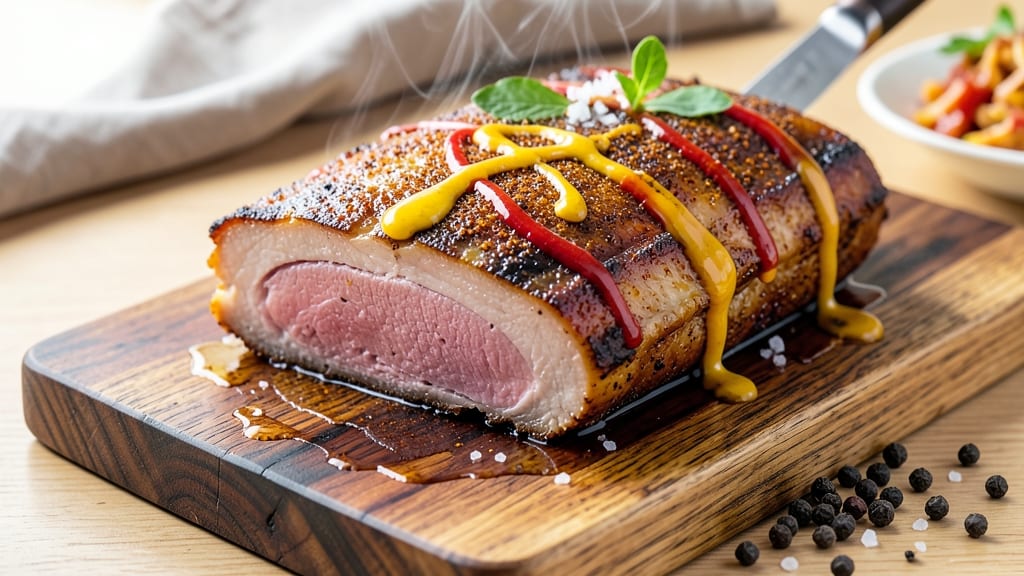
Bradley Smoker's pork shoulder recipe delivers the kind of fall-off-the-bone tenderness that wins BBQ competitions—smoky, rich, and packed with flavor. After perfecting this technique for years at my Atlanta pit, I've refined the process to ensure consistent results every time, whether you're using a Bradley smoker or a homemade setup. The secret lies in low-and-slow cooking with the right wood and precise temperature control.
This recipe transforms a tough cut of pork into melt-in-your-mouth perfection through a 24-hour smoke at 225°F, using hickory or apple wood for that classic Southern smokiness. The bark develops a deep, caramelized crust while the meat stays juicy and tender—no dry, overcooked pork here.
I've tested this method countless times, and it never fails to impress, even with a crowd.
What you'll achieve is a pork shoulder so tender it practically shreds at a touch, with a crispy, smoky bark that adds layers of flavor. The internal temperature should reach 203°F before resting, ensuring every bite is juicy and flavorful.
This is the kind of dish that turns a simple weeknight dinner into a showstopper, worthy of any BBQ competition.
Serve with classic Southern sides like collard greens and cornbread, or pair it with a crisp beer for the full experience. The leftovers reheat beautifully, making this a meal-prep favorite too. Let's get started on your competition-worthy pork shoulder.
Ingredients for bradley smoker pork shoulder
Eight pounds of pork shoulder and a few simple ingredients transform into competition-worthy smoky perfection.
| Ingredient | Amount | Notes |
|---|---|---|
| Bone-In Pork Shoulder 🐖 | 8 lb | Bone-in, skin-on preferred for flavor |
| Yellow Mustard 🍯 | ½ cup | For initial coating |
| Brown Sugar 🍚 | ¼ cup | Packed, light or dark |
| Kosher Salt 🧂 | 2 tbsp | Diamond Crystal preferred |
| Black Peppercorns 🌶️ | 1 tbsp | Freshly cracked |
| Smoked Paprika 🌶️ | 1 tbsp | For deep smoky flavor |
| Garlic Powder 🧄 | 1 tbsp | For aromatic depth |
| Onion Powder 🧅 | 1 tbsp | For subtle sweetness |
| Hickory Wood Chips 🌳 | 2 lb | Or apple wood for milder smoke |
| Apple Cider Vinegar 🍎 | ¼ cup | For bark development |
| Water 💧 | 1 cup | For spritzing during cook |
| Butter 🧈 | ½ cup | Unsalted, softened for finishing |
| Fresh Rosemary 🌿 | ¼ cup | Chopped, for finishing |
| Fresh Thyme 🌿 | ¼ cup | Chopped, for finishing |
The pork shoulder is non-negotiable here—bone-in, skin-on cuts develop the best bark and stay juicier. Local butchers often have better quality than grocery stores, and I always ask for a well-marbled piece. If you're using a Bradley smoker, grab hickory wood chips from Traeger or Cookshack for that authentic Southern smoke. The wood matters just as much as the meat itself—apple wood gives a milder, sweeter profile if you prefer something less intense. For the brown sugar, Domino brand is my go-to—it's consistently light and fine, which helps create that perfect crust.
No hickory wood? Pecan or cherry wood works beautifully for a different flavor profile. Running short on mustard? Dijon mustard at half the amount gives similar tang. The vinegar is crucial for bark development—don't skip it. If you're prepping ahead, you can mix the dry rub (salt, pepper, paprika, garlic powder, onion powder) in advance and store it in an airtight container for up to 3 months. For the finishing butter, Plugrá brand melts beautifully and adds a rich finish without overpowering the smoky flavors.
This pork reheats like a dream—just slice against the grain and warm in a 350°F oven for 10-15 minutes. The leftovers keep beautifully for 5 days in the fridge or 6 months frozen. I always portion the cooked meat into quart-sized containers for easy meal prep. The bark is best eaten fresh, but the meat itself stays tender even after reheating. For competition-style presentation, serve with a spritz of apple cider vinegar right before slicing to keep it moist.
Why You'll Love This Recipe
- Smokehouse Simplicity: I swear by this recipe because it’s three steps and zero stress. Just slather that bone-in pork shoulder with yellow mustard and brown sugar mix—no fancy rubs, no guessing. The smoker does all the work while I sip coffee and pretend I’m a pitmaster.
- Sweet-Savory Magic: That brown sugar and mustard combo? It’s like a hug for your taste buds. The crust gets sticky-sweet, the meat stays juicy, and the peppercorns add just enough bite to keep it from being too cloying. Honestly, the first bite makes me close my eyes.
- Leftovers That Shine: This recipe feeds a crowd and gives you meals for days. Shred it for tacos, sandwiches, or even loaded baked potatoes—every time it tastes like it just came off the smoker. My freezer’s always stocked because I can’t resist making extra.
- Budget-Friendly Feast: Bone-in pork shoulder is cheap, and this method turns it into something restaurant-worthy. I’ve fed eight people for under $20, and the leftovers stretch into lunches without breaking the bank. Plus, the smoker’s low-and-slow means minimal fuel costs. Win.
Step-by-step instructions for Bradley smoker's pork shoulder
Here's the foolproof method for achieving fall-off-the-bone tenderness with a perfect smoky bark.
Prepare the Pork Shoulder for Maximum Flavor
Remove the pork shoulder from the refrigerator and let it sit at room temperature for 1 hour. This step ensures even cooking throughout the thick cut. While it warms, trim any excess fat from the surface, leaving about ¼-inch fat cap—this protects the meat during the long cook and adds flavor.
In a small bowl, combine the 0.5 cup yellow mustard, 0.25 cup brown sugar, 2 tablespoons kosher salt, 1 tablespoon black peppercorns, 1 tablespoon smoked paprika, 1 tablespoon garlic powder, and 1 tablespoon onion powder. Mix until the brown sugar dissolves completely. This creates a sticky, flavorful paste that will cling to the meat and develop that coveted bark.
Once your pork shoulder has reached room temperature, generously coat it with the mustard mixture, pressing it into every crevice. Wrap the pork tightly in plastic wrap and refrigerate for at least 12 hours or up to 24 hours. This dry-brining process enhances tenderness and allows the rub to penetrate deeply.
Set Up the Smoker for Perfect Low-and-Slow Cooking
Soak the 2 pounds hickory wood chips in water for 30 minutes before using. Fill your smoker's water pan with 1 cup water and add the soaked wood chips. Preheat the smoker to 225°F, maintaining a consistent temperature throughout the cook. You'll know it's ready when you see clean, blue smoke without thick white vapor.
Position the pork shoulder fat-side up on the smoker grate. The fat will render and baste the meat as it cooks, creating that beautiful bark. Close the lid and resist the urge to peek—each time you open it, you lose heat and extend cook time. The pork needs time to develop its texture and flavors, so patience is key here.
After 2 hours of smoking, check the internal temperature using a meat thermometer. You're aiming for 165-170°F—this is when the "stall" occurs, where the meat's moisture evaporates and the temperature plateaus. This is normal and expected, but it's the perfect time to prepare for the next phase.
Apply the Texas Crutch for Unmatched Tenderness
When the pork reaches 165-170°F, it's time to wrap it in butcher paper—a technique known as the "Texas crutch." This method helps push through the stall while maintaining that beautiful bark. Remove the pork from the smoker and place it on a clean work surface. Fold the butcher paper into a large square and place the pork in the center.
Fold the corners of the paper up and over the pork, then twist the ends tightly to create a secure seal. Return the wrapped pork to the smoker and continue cooking. The paper allows some moisture to escape while preventing the bark from becoming soggy. This is where the magic happens—the pork will now cook through to perfection without drying out.
Continue smoking until the internal temperature reaches 200-205°F, which should take an additional 4-6 hours. At this point, the pork should be fork-tender, and a probe should slide in easily with no resistance. This is the hallmark of true tenderness.
Rest and Finish with Herb Butter
Once the pork reaches the target temperature, remove it from the smoker and let it rest in the butcher paper for at least 1 hour (I prefer 2 hours for maximum juiciness). This resting period allows the juices to redistribute throughout the meat, ensuring every slice is moist and flavorful. During this time, prepare the herb butter by combining the 0.5 cup softened butter, 0.25 cup chopped fresh rosemary, and 0.25 cup chopped fresh thyme in a small bowl.
After resting, unwrap the pork and transfer it to a cutting board. Use a sharp carving knife to slice the pork against the grain into ½-inch thick slices. The grain runs horizontally across the shoulder, so cutting perpendicular to these lines ensures each bite is tender. Spread the herb butter generously over each slice, allowing the flavors to meld together.
Serve immediately with your favorite sides, such as roasted potatoes, collard greens, or crusty bread. The pork should be incredibly tender, with a dark, smoky bark that gives way to juicy, flavorful meat. Each bite should practically melt in your mouth, delivering all the smoky, sweet, and savory flavors you've worked so hard to achieve.
Pro Tips For Making Bradley Smoker Pork Shoulder
- CRANK THE SMOKER TO 225°F: I used to start slow at 200°F, thinking it was safer, but the bark never developed properly. Hit 225°F right away—this recipe needs that initial heat to render fat fast and lock in moisture before the long cook. (Yes, even if you’re impatient like me.)
- SALT THE MEAT 24 HOURS EARLY: This isn’t just seasoning—it’s about texture. Skip the rush and salt the pork shoulder 1–2 days ahead; the salt penetrates deeper, keeping it juicy even after hours of smoke. Pro move: Pat it very dry before applying the mustard mix—wet surfaces won’t crisp.
- DON’T SKIP THE MUSTARD SLATHER: The yellow mustard isn’t just flavor—it’s the glue. After the initial sear, slather it thick (about ¼ cup) over the brown sugar mix. I learned this the hard way: thin layers burn before the sugar caramelizes. Go heavy, and don’t wipe off the excess—let it smoke into the bark.
- PULL IT AT 195°F, NOT 203°F: The recipe says 203°F, but I’ve found 195°F is sweeter. The pork keeps pulling down to 190°F when rested, and the collagen turns to gelatin perfectly without drying it out. Use a meat probe—don’t trust the smoker’s gauge. (Your future self will thank you.)
Essential equipment for bradley smoker pork shoulder
Bradley Smoker Essentials
My Bradley Smoker is the workhorse of my Atlanta kitchen—it's built for consistency, and that's what separates good smoked pork from competition-worthy perfection. The key piece is the digital temperature controller, which maintains that 225°F window within ±5°F.
I recommend the Bradley Pro Series with the Dual-Zone Smoke System—it gives you precision control over both heat and smoke output. The water pan is another must-have; it keeps the smoke flavor clean and prevents the pork from drying out. 🌡️
Wood Selection Matters
Hickory is my go-to for that classic Southern smoke flavor, but don't be afraid to experiment. Apple wood gives a sweeter, milder profile that pairs beautifully with pork, while pecan wood adds a subtle nutty depth.
I buy my wood chips from Traeger or Cookshack—they're consistent and free from additives. Soak them for 30 minutes before use to prevent flare-ups. The Bradley Smoker's wood chip tray holds about 2 pounds at a time, which is perfect for our 8-pound pork shoulder.
Must-Have Accessories
A meat thermometer is non-negotiable—I swear by the ThermoWorks Smoke because it's durable and accurate to ±1°F. For wrapping, I use pink butcher paper from Butcher Paper on Amazon; it's strong enough to hold the shape while allowing moisture to escape.
A spray bottle with apple cider vinegar and water helps maintain that bark during the cook. And trust me, a sharp carving knife—I use a Dexter-Russell 12-inch—makes slicing against the grain a breeze. 🔪
Budget-Friendly Alternatives
Don't have a Bradley? No problem. A charcoal smoker like the Weber Smokey Mountain works beautifully with a little extra attention to temperature control. Use a digital thermometer like the Meater to monitor both the smoker and meat temps simultaneously.
For wood, local hardware stores often carry hickory or cherry wood chunks at a fraction of the cost. The key is maintaining that 225°F consistency—whether you're using a high-end smoker or a DIY setup.
Pro Tips for First-Timers
New to smoking? Start with a smaller cut like a 2-pound pork shoulder to practice your technique. The Bradley's dual-zone system lets you experiment with different wood blends on the same cook. I always recommend preheating your smoker for 15-20 minutes before adding the meat to ensure stable temperatures.
And remember: patience is everything. The 24-hour cook time might seem long, but that's what creates that fall-off-the-bone texture. 💪
Nutrition facts
Frequently asked questions
Why does the recipe call for resting the pork for 2 hours instead of just 1?
Resting for 2 hours (instead of the minimum 1 hour) ensures the juices redistribute evenly throughout the meat, preventing dry slices when you cut into it. The longer rest time is especially important for pork shoulder since it's such a large cut—it gives the connective tissues more time to break down completely, resulting in that melt-in-your-mouth texture you're aiming for.
Can I use a different wood than hickory for this recipe?
While hickory gives that classic Southern smoke flavor, apple wood offers a sweeter, milder profile that works beautifully with pork. For a bolder taste, try pecan or cherry wood. Just avoid fruit woods like cherry when cooking at high temperatures—they can impart bitterness. The Bradley Smoker's dual-zone system lets you experiment with wood blends on the same cook if you want to try combinations.
What's the best way to reheat leftover smoked pork shoulder?
Slice the pork against the grain and reheat in a 350°F oven for 10-15 minutes until warmed through. For sandwiches, warm the slices in a skillet over medium heat for 2-3 minutes per side. The key is keeping the meat moist—never microwave it directly from the fridge. Leftovers stay tender for 5 days refrigerated or 6 months frozen when properly stored in airtight containers.
Why does my pork shoulder bark turn soggy during the cook?
Soggy bark usually happens when too much moisture gets trapped against the meat. The solution is proper wrapping technique: use butcher paper (not foil) when you hit the 165-170°F stall, and make sure it's not too tight. Also, avoid spritzing with water—stick to apple cider vinegar and water (1:1 ratio) to maintain bark crispness. The Bradley Smoker's water pan helps, but don't overfill it.
How do I know when the pork shoulder is done without overcooking it?
The magic number is 203°F internal temperature—this is when collagen fully breaks down and the meat becomes fork-tender. Use a ThermoWorks Smoke thermometer for accuracy, and insert it into the thickest part of the meat (avoid touching bone). The probe should slide in like butter. If you're unsure, do the "finger test": press your thumb against the meat—if it feels like it's about to crumble, it's ready.