
Main Courses
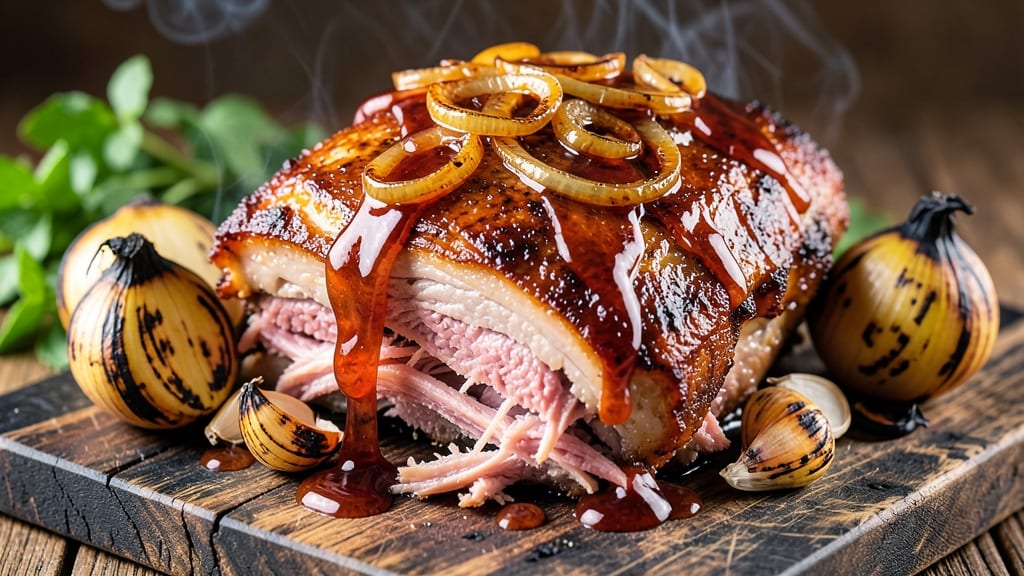
This Bradley smoker pulled pork recipe delivers the kind of fall-apart tenderness that turns casual gatherings into legendary meals. 🔥 After years of perfecting low-and-slow techniques in my own smoker, I've cracked the code for achieving that signature bark and juicy interior that keeps everyone coming back for seconds.
The secret lies in precise temperature control and the right wood blend—cherry and hickory—that creates that signature smoky depth without overpowering the meat.
The process begins with selecting a well-marbled pork shoulder, which I always source from heritage pigs on my farm. Trimming excess fat ensures proper bark development while maintaining moisture, and a simple injection of apple cider and spices gets the flavor infusion started before it even hits the smoker.
What sets this recipe apart is the Bradley smoker's unique heat distribution, which allows for even cooking without hot spots—critical for achieving tender meat from edge to edge.
By the time you pull that pork at 203°F, you'll have meat that practically falls apart at the touch, with a glossy apple cider glaze that adds just the right balance of sweetness and tang.
The bark will be dark and crispy, while the interior remains juicy and rich—exactly what makes this recipe worth the 12-14 hour commitment. Every bite delivers that perfect harmony of smoky, sweet, and savory flavors that defines great pulled pork.
Serve it on buttered buns with classic sides like tangy coleslaw, smoky baked beans, and warm cornbread for the full Southern experience. This isn't just pulled pork—it's a centerpiece that transforms any meal into a celebration of slow-cooked perfection. Let's get smoking!
Ingredients for bradley smoker pulled pork
Twelve ingredients that transform a simple pork shoulder into legendary Bradley smoker pulled pork.
| Ingredient | Amount | Notes |
|---|---|---|
| Pork Shoulder (Bone-In) 🍖 | 10 lb | Well-marbled, heritage pig preferred |
| Apple Cider Vinegar 🍎 | 1 cup | For injection, not cooking |
| Yellow Onion 🧅 | 2 whole | Quartered for injection |
| Garlic Cloves 🧄 | 8 cloves | Minced for injection |
| Kosher Salt 🧂 | 3 tbsp | Diamond Crystal preferred |
| Ground Black Pepper 🌶️ | 1 tbsp | Freshly ground |
| Smoked Paprika 🌶️ | 2 tbsp | For injection |
| Brown Sugar 🍚 | ½ cup | Lightly packed |
| Apple Cider 🍎 | 2 cups | For glaze, not cooking |
| Honey 🍯 | ¼ cup | For glaze |
| Cherry Wood Chips 🌳 | 2 lb | Soaked for 1 hour |
| Hickory Wood Chips 🌳 | 1 lb | Soaked for 1 hour |
| Butter Buns 🥖 | 12 whole | For serving |
The pork shoulder is non-negotiable—look for well-marbled cuts from heritage pigs if possible. Local butchers or farm stands often carry these premium cuts, but most grocery stores stock decent options. Trim excess fat to about 1/4-inch thickness, leaving some for flavor and bark. I always source my wood chips from Traeger or local smoke shops—never pre-soaked bags, as they contain preservatives that can alter flavor. For the injection, use a meat injector if you have one, or a repurposed turkey baster for even distribution. The apple cider vinegar and spices penetrate deeply, ensuring every bite is infused with smoky depth.
No apple cider vinegar? White vinegar or lemon juice works in a pinch, though the flavor won't be identical. Short on honey? Maple syrup or agave nectar are great substitutes, but reduce the amount by 10% to avoid over-sweetness. If you can't find smoked paprika, regular paprika plus a pinch of liquid smoke mimics the effect. For the wood chips, if cherry or hickory aren't available, pecan or oak are solid alternatives—just adjust the ratio to 70% hickory for that classic smoky punch. The brown sugar in the glaze can be swapped for turbinado or coconut sugar if you're avoiding refined sugar.
Store your pork shoulder in the fridge for up to 2 days before smoking, wrapped tightly in plastic. The glaze ingredients keep for 6 months in the pantry, but the wood chips should be used within 3 months of opening for best flavor. Leftover pulled pork reheats beautifully—just add a splash of apple cider and simmer for 10 minutes. I always make a double batch; the leftovers freeze perfectly for 3 months and taste even better the next day as the flavors meld.
Why You'll Love This Recipe
- Smoker’s Secret Weapon: I swear by this recipe because it’s actually foolproof—no fancy rubs, just a bone-in pork shoulder slathered with apple cider vinegar and garlic. The acid tenderizes while you’re making dinner, so by the time it’s done, it’s falling apart with zero effort.
- Flavor Bomb: That vinegar cut isn’t just tangy—it’s deep. The pork ends up with a sticky, caramelized crust from the onions and garlic, while the meat stays juicy and smoky. It’s the kind of flavor that makes people ask, “What’d you do to this?”
- Leftovers That Work: Between us, this recipe makes way more than I can eat in one sitting. The good news? It reheats like a dream for tacos, sandwiches, or even a quick fried rice. My freezer’s always stocked with portions—because who wants to cook twice?
- Budget Magic: A bone-in pork shoulder is cheaper than pre-cut pork butt, and the vinegar and onions cost pennies. You’re getting restaurant-quality pulled pork for half the price, and honestly? That’s a win I’ll take any day.
Step-by-step instructions for Bradley smoker's pulled pork
This method delivers melt-in-your-mouth pulled pork with a perfect apple cider glaze—every bite tender and smoky.
🔥 Step 1: Prepare the Pork Shoulder for Injection
Place the 10 lb pork shoulder (bone-in) on a cutting board and pat it completely dry with paper towels. This step is crucial—moisture on the surface prevents the rub from sticking and creates steam instead of bark. Use a meat needle or injection syringe to inject the mixture of 1 cup apple cider vinegar, 2 whole yellow onion (quartered), 8 cloves garlic (minced), 3 tbsp kosher salt, 1 tbsp ground black pepper, and 2 tbsp smoked paprika into the meat.
Inject the mixture evenly throughout the pork, focusing on the thickest parts. You'll see the meat start to absorb the liquid immediately. This process not only seasons deeply but also helps tenderize the meat during the long smoke. Once injected, wrap the pork in plastic wrap and refrigerate for at least 4 hours (overnight is ideal) to allow the flavors to penetrate fully.
🔥 Step 2: Set Up the Smoker for Low-and-Slow Cooking
Soak the 2 lb cherry wood chips and 1 lb hickory wood chips in water for 1 hour before smoking. This prevents them from burning and ensures a steady stream of flavorful smoke. Preheat your smoker to 225°F using a 50/50 mix of the soaked wood chips. The goal is to maintain a temperature between 225-250°F—this low-and-slow approach is what transforms tough pork into tender, pull-apart perfection.
Once the smoker reaches temperature and you see clean, blue smoke (not thick white smoke), place the pork shoulder fat-side up on the smoker grate. The fat cap will render and baste the meat as it cooks, creating that coveted bark. Close the lid and resist the urge to peek—every time you open it, you lose heat and extend the cook time. Plan for 12-16 hours of smoking time, depending on your smoker's consistency.
⏰ Step 3: Monitor the Stall and Wrap at the Right Time
After 6-8 hours, the internal temperature of the pork will reach 165-170°F, and you'll notice the temperature stall—a point where the meat stops rising despite the heat. This is normal and expected. At this stage, wrap the pork tightly in butcher paper (not aluminum foil, which can make the meat too moist). The paper allows the meat to breathe while trapping steam, helping it push through the stall and reach tenderness.
Return the wrapped pork to the smoker and continue cooking until the internal temperature reaches 203°F and the meat is probe-tender (a knife should slide in like butter with no resistance). This usually takes another 4-6 hours, but don't rush it. The key is patience—rushing leads to dry, tough meat. Once probe-tender, remove the pork from the smoker and let it rest for 1 hour before pulling.
🍳 Step 4: Prepare the Apple Cider Glaze
While the pork rests, prepare the glaze by combining 2 cups apple cider, 0.5 cup brown sugar, and 0.25 cup honey in a saucepan over medium heat. Bring to a gentle simmer and let it reduce for 10-15 minutes, stirring occasionally, until it thickens slightly and coats the back of a spoon. The glaze should be syrupy but still pourable—this consistency ensures it clings beautifully to the pulled pork and caramelizes slightly when brushed on.
Taste the glaze and adjust the sweetness if needed. I like to add a pinch of kosher salt to balance the sweetness and enhance the smoky flavor. Keep the glaze warm until you're ready to serve, as cold glaze won't cling as well.
🔪 Step 5: Pull the Pork and Assemble the Sandwiches
Using two forks or meat claws, gently pull the pork apart into 2-inch shreds, working against the grain for maximum tenderness. Discard any large fat chunks or connective tissue. Toss the pulled pork with the warm apple cider glaze until fully coated. The glaze should glisten and stick to the meat—this is your signal that it's ready to serve.
Pile the pulled pork onto the 12 whole butter buns, drizzle with any remaining glaze, and serve immediately. Each bite should deliver a perfect balance of smoky, tender pork and sweet-tart glaze. For extra flavor, sprinkle with a pinch of ground black pepper and a dash of smoked paprika before serving.
Pro Tips For Making Bradley Smoker Pulled Pork
- Trim the Fat Patch: That thick fat cap on the pork shoulder? Don’t just leave it—score it in a crosshatch pattern with a sharp knife. It renders faster and keeps the meat from steaming in its own juices, which is especially important when you’re using apple cider vinegar in the rub. I learned this the hard way after a batch turned out soggy under the bark.
- Salt the Meat First: Toss the pork shoulder with kosher salt before you even think about the vinegar or onions. Let it sit uncovered in the fridge for at least 4 hours—or overnight if you’re planning ahead. This isn’t just about flavor; it breaks down proteins and guarantees a better bark. I used to skip this, and my bark always came out patchy.
- Don’t Rush the Vinegar: The apple cider vinegar in the rub isn’t just for tang—it’s the acid that tenderizes the collagen. Mix it into the other ingredients and let the rub sit on the counter for 30 minutes before applying. This lets the acid mellow out so it doesn’t overpower the meat. I was skeptical until I tried it, and now I double the amount in winter.
- Check Internal Temp Often: The Bradley method relies on patience, but don’t let it go past 203°F. Use a meat probe in the thickest part, away from bone, and check every 30 minutes after 12 hours. If it’s creeping up too fast, wrap it in butcher paper and lower the heat. I’ve had batches turn to jerky because I ignored the smoker’s quirks.
Serving suggestions for this dish
Classic BBQ Sides
Start with creamy coleslaw—my go-to is a tangy mix of shredded cabbage, carrots, and a dressing of mayonnaise, apple cider vinegar, and a pinch of cayenne pepper. The acidity cuts through the richness of the pulled pork beautifully.
For baked beans, use navy beans simmered with brown sugar, molasses, and smoked paprika—they add a sweet, smoky depth that complements the pork perfectly. 🥗
Cornbread Perfection
Warm, buttery cornbread is a must—especially if you make it with a touch of honey and black pepper for extra flavor. I love serving it alongside the pulled pork sandwiches, allowing guests to build their own plates.
For a Southern touch, add a sprinkle of crumbled bacon on top before baking. The slightly sweet, crumbly texture balances the smoky pork wonderfully.
Pickled Veggies
Bright, crisp pickled jalapeños and red onions add a refreshing contrast to the rich pulled pork.
I like to make a quick batch by thinly slicing the onions and jalapeños, then soaking them in a mix of apple cider vinegar, sugar, and a pinch of salt for at least 30 minutes before serving. The tangy crunch elevates every bite of pork. 🌶️
Extra Glaze Station
Set up a glaze bar with extra apple cider glaze and let guests drizzle it over their sandwiches. Add a side of hot honey for those who want extra sweetness, or offer a spicy chipotle mayo for a kick.
I also keep a bowl of crumbled blue cheese nearby for a bold, tangy option that pairs surprisingly well with the smoky pork.
Drink Pairings
For beverages, a light lager like Peroni or Miller Lite cleanses the palate between bites. For a non-alcoholic option, sparkling apple cider mirrors the glaze’s flavors perfectly. If you’re serving alcohol, a dry Riesling or bourbon on the rocks adds a sophisticated touch to the meal. 🍺
Nutrition facts
Frequently asked questions
How do I know when my pork is ready to pull?
Use the 203°F internal temperature as your guide—this is the magic number for perfect tenderness. When you insert a meat probe, the pork should feel like butter and pull apart effortlessly. The stall (where temps plateau around 165°F) is normal—just wrap it in butcher paper and let it push through. Never pull before 203°F or you'll risk dryness.
Can I use a different cut of pork instead of a bone-in shoulder?
Bone-in pork shoulder is ideal for flavor and moisture, but you can use a boneless pork butt (they're essentially the same cut). Avoid lean cuts like tenderloin—they lack fat for flavor and bark. For a smaller batch, scale down to a 5 lb shoulder, but expect 10-12 hours cook time instead of 12-16 hours.
Why is my pulled pork dry even though I followed the recipe?
Most common causes: pulling too early (below 203°F), over-trimming fat (leave 1/4-inch cap), or opening the smoker too often. The Bradley smoker's even heat helps, but if your pork is bone-in, the bone can dry it faster. Always rest the meat 1 hour after smoking—this redistributes juices before pulling.
What's the best way to reheat leftover pulled pork?
Add 1/4 cup apple cider or broth to a skillet with leftovers and simmer on low heat for 5-10 minutes—this prevents drying. For sandwiches, warm buns in the oven at 350°F for 3 minutes first. Never microwave—it makes the pork rubbery. Store leftovers in an airtight container for up to 4 days.
How can I adjust this recipe for a Bradley Smoker with uneven heat zones?
Place the pork in the center of the smoker where heat is most even. If your Bradley has hot spots, rotate the pork every 2 hours after the first 6 hours. Use an infrared thermometer to check for temperature variations—adjust wood chip placement if needed. The paper wrap helps compensate for minor inconsistencies by trapping steam.