
Main Courses
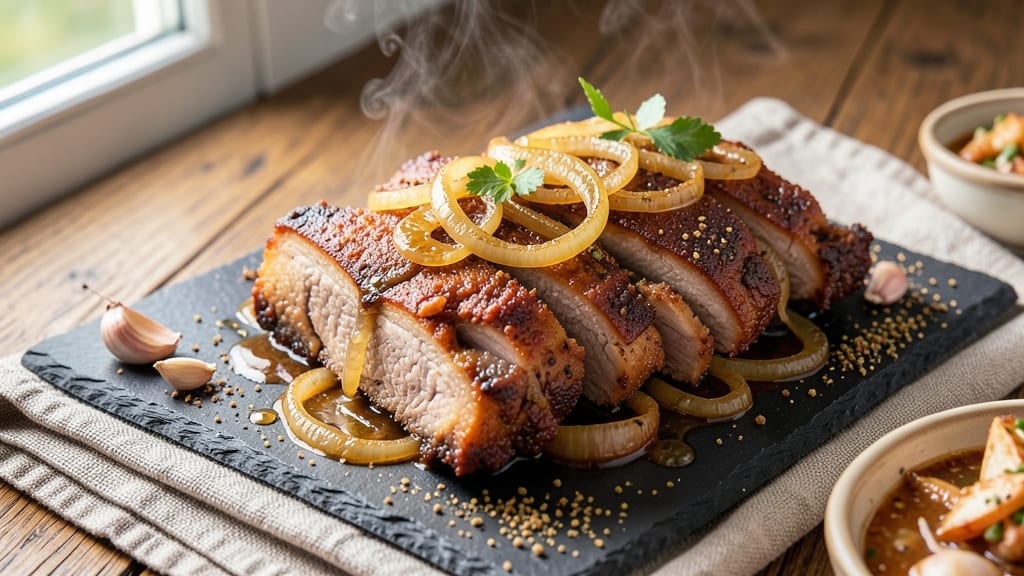
This braised pork carnitas recipe transforms tough pork shoulder into melt-in-your-mouth shreds with deep, smoky flavor that rivals any taco stand. The slow-simmering process breaks down collagen for tender perfection, while traditional lard rendering creates that signature crispy texture.
I developed this method after years of perfecting my pitmaster techniques—it’s the kind of dish that turns weeknight dinners into celebrations.
The secret lies in the balance of time and technique: a long, low braise develops rich, caramelized fond on the bottom of the pot, while high-heat finishing creates those coveted crispy edges. Unlike quick-cooked versions, this method delivers restaurant-quality texture and depth—no shortcuts, just pure, satisfying flavor.
The result? Pork so tender it practically falls apart at the touch, with layers of smoky, savory goodness in every bite.
What you’ll end up with is a versatile dish that works as tacos, burrito bowls, or even a hearty breakfast hash. The slow-cooked pork absorbs all the aromatics—garlic, cumin, oregano—while staying juicy and flavorful.
Serve it with charro beans, cilantro-lime rice, and fresh pico de gallo for a meal that’s equal parts comforting and exciting. This isn’t just pork; it’s a flavor experience that’ll have everyone asking for seconds.
Whether you’re cooking for a crowd or treating yourself to a special meal, this recipe delivers professional-level results with minimal fuss. The long braise means you can prep ahead and walk away, letting the flavors meld while you handle other tasks.
By the time you’re ready to serve, your kitchen will smell like a smoky fiesta, and your taste buds will thank you. Let’s get started on this crowd-pleaser.
Ingredients for braised pork carnitas
Six pounds of pork shoulder, smoky spices, and a slow-simmered secret to melt-in-your-mouth carnitas perfection.
| Ingredient | Amount | Notes |
|---|---|---|
| Pork Shoulder (Bone-In) 🥩 | 4 lb | Well-marbled, cut into 2-inch chunks |
| Lard (or Unsalted Butter) 🧈 | ½ cup | For crispy edges, rendered |
| Yellow Onion 🧅 | 1 whole | Chopped into 1/2-inch pieces |
| Garlic Cloves 🧄 | 8 cloves | Minced, for aromatic depth |
| Ground Cumin 🌿 | 2 tbsp | Toasted for richer flavor |
| Dried Oregano 🍃 | 1 ½ tbsp | Mexican oregano preferred |
| Smoked Paprika 🌶️ | 1 tbsp | For authentic smoky flavor |
| Bay Leaves 🍃 | 2 whole | Fresh for best aroma |
| Beef Broth 💧 | 2 cups | Low-sodium preferred |
| Orange Juice 🍊 | ½ cup | Freshly squeezed for brightness |
| Orange Zest 🍊 | 1 tbsp | Brightens the braise |
| Salt 🧂 | 1 ½ tsp | Diamond Crystal preferred |
| Black Peppercorns 🌶️ | ½ tsp | Freshly cracked for heat |
| Vegetable Oil 🫒 | 2 tbsp | For initial searing |
| Lime Juice 🍋 | 1 tbsp | Freshly squeezed for acidity |
The pork shoulder is non-negotiable—bone-in for richer flavor, and marbling is key. Grab a well-marbled cut from Whole Foods or your local butcher, and ask for a 4-pound roast to ensure even cooking. If you can't find lard, unsalted butter works in a pinch, though it won't crisp as dramatically. The orange juice and zest are what set this apart from traditional carnitas—freshly squeezed is a must, not bottled. For the spices, Penzeys or Mexican markets carry the best cumin and oregano, but the grocery store stuff will do if you're in a hurry.
No lard? Rendered bacon fat or even duck fat works beautifully for that signature crisp. Running short on orange juice? Substitute with apple cider vinegar at half the amount—it adds tang without the sweetness. The beef broth can be swapped for chicken broth if you're vegetarian-adjacent, but the depth of beef flavor is ideal here. For the paprika, smoked is essential—regular paprika won't give you that authentic taco stand taste. And if you're prepping ahead, freeze the raw pork and aromatics in a bag for up to 3 months.
This braise gets better the next day—plan ahead. Store leftovers in the fridge for 5-6 days or freeze for 3 months in airtight containers. For crispy carnitas, reheat in a skillet with a splash of oil until golden. The rendered lard or butter can be saved and reused for cooking—just store it in the fridge. And if you're making a big batch, double the spices and keep the pork in the same pot for even more flavor infusion.
Why You'll Love This Recipe
- One-Pot Magic: I swear by this recipe because it’s literally one pot, one lid, and done. No chopping mountains of veggies—just dice an onion, smash a few garlic cloves, and let the lard render into golden perfection while you stir in cumin. That’s it. (Yes, even on a Tuesday night.)
- Deep, Smoky Richness: The bone-in pork shoulder? It melts into buttery, fall-apart goodness, while the cumin and lard create this earthy, caramelized depth that tastes like a hug from a Mexican abuela. Honestly, the first bite makes me forget I’m cooking.
- Leftover Goldmine: This dish begs to be made extra—because it’s even better the next day. Shred it for tacos, stir it into rice, or toss it into eggs. I’ve fed a crowd with one batch, and it’s still my go-to for lazy Sundays or post-workout meals.
- Budget-Friendly Hero: Pork shoulder is cheap, and this recipe stretches it into ridiculously satisfying portions. Between us, I’ve made this for $3 a serving, and no one ever complains. (My wallet thanks me every time.)
Step-by-step instructions for braised pork carnitas
Here's how to transform a simple pork shoulder into tender, smoky-sharp carnitas with melt-in-your-mouth texture.
Sear the Pork Shoulder for Deep Flavor
Heat a large Dutch oven over medium-high heat and add the 2 tablespoons vegetable oil. Once shimmering, add the 4 lb pork shoulder in a single layer, working in batches if needed. Press down gently with a spatula to ensure even contact with the pan—this prevents curling and guarantees a perfect sear.
Sear each side for 5-6 minutes until the pork develops a deep golden-brown crust. The fat should render out and sizzle audibly. This step creates the foundational flavor through the Maillard reaction, so don't rush it. Once browned on all sides, remove the pork and set it aside on a plate.
Build the Aromatic Base
In the same Dutch oven, reduce heat to medium and add the 0.5 cup lard (or unsalted butter). Melt completely, then add the chopped 1 whole yellow onion and minced 8 cloves garlic. Cook for 5-6 minutes, stirring occasionally, until the onions soften and turn translucent.
Add the 2 tablespoons ground cumin, 1.5 tablespoons dried oregano, and 1 tablespoon smoked paprika. Stir constantly for 30 seconds until the spices are fragrant and toasted—this releases their essential oils and deepens their flavor. Here's the thing—don't let the spices burn, or they'll turn bitter. Keep the heat at a steady medium.
Deglaze and Simmer the Braise
Pour in the 2 cups beef broth, scraping up any browned bits from the bottom of the pot with a wooden spoon. This deglazing step captures all the flavor you worked so hard to create. Add the 0.5 cup orange juice, 1 tablespoon orange zest, 1.5 teaspoons salt, and 0.5 teaspoon black peppercorns. Stir everything together until the spices are fully dissolved.
Return the pork shoulder to the pot, along with the 2 whole bay leaves. Bring the mixture to a gentle simmer over medium-low heat. The liquid should bubble softly but not vigorously—this ensures even cooking without boiling off the liquid too quickly. Cover the pot and let it simmer for 2 hours, checking occasionally to ensure the liquid doesn't reduce too much.
Finish and Shred the Pork
After 2 hours, remove the lid and increase the heat to medium. Add the 1 tablespoon lime juice and simmer uncovered for an additional 15-20 minutes, allowing the liquid to reduce slightly and concentrate the flavors. The pork should be fork-tender at this point—when you pierce it with a fork, the meat should shred easily.
Use two forks to shred the pork directly in the pot, breaking it down into bite-sized pieces. Taste the braising liquid and adjust seasoning if needed—you might need a pinch more salt or a splash of lime juice to balance the flavors. The carnitas should have a tender, almost falling-apart texture with a rich, smoky depth from the spices and citrus brightness.
Pro Tips For Making Braised Pork Carnitas
- CRANK THE HEAT FIRST: Start your pork shoulder in a screaming-hot Dutch oven—no baby steps. The initial sear locks in juices and builds flavor fast, even if the meat looks raw underneath. I used to rush this, and the pork ended up gray and bland. Give it 8-10 minutes until deep brown, then back off to low.
- SLICE THE ONION THIN: Don’t dice those onions—slice them paper-thin. They’ll soften into the braise without turning to mush, and you’ll actually taste them in every bite. I learned this the hard way when my carnitas tasted like onion soup. A sharp knife and a steady hand make this easy.
- STOP WHEN IT’S TENDER: Pull the pork when it’s fork-tender, not shreddable. Overcooking turns it into mush, and you’ll lose that perfect pull-apart texture. Test a small piece—if it falls apart with light pressure, it’s done. (Yes, even if the internal temp says 200°F.)
- USE LARD, NOT BUTTER: Lard renders cleanly and adds fat without burning, while butter burns fast and ruins the braise. If you’re set on butter, use unsalted and add it at the end—just enough to glaze the pork. I’ve tried both, and lard wins every time for crispy, flavorful carnitas.
Perfect pairings for this dish
Taco Night Essentials
Start with warm corn tortillas—I prefer Mission brand for their perfect balance of texture and pliability. For a classic setup, serve with charro beans (pinto beans simmered with bacon, jalapeños, and epazote) and cilantro-lime rice.
The beans add fiber and heartiness, while the rice soaks up the smoky pork juices beautifully. 🌽
Don’t skip the pico de gallo—I make mine with diced Roma tomatoes, red onion, jalapeño, cilantro, and a squeeze of lime. The acidity cuts through the richness of the pork, balancing every bite.
For extra crunch, add crispy fried shallots or tostadas on the side. Trust me, your guests will love the texture contrast.
Breakfast Hash Upgrade
Turn your carnitas into a Saturday morning hash by dicing potatoes and bell peppers, then frying them in lard until crispy. Layer with the shredded pork, fried eggs, and a sprinkle of crumbled queso fresco.
The smoky pork adds depth to the breakfast plate, while the eggs provide richness. Serve with salsa verde for a tangy finish. 🍳
For a brunch twist, add caramelized onions and avocado slices on top. The creamy avocado balances the saltiness of the pork, and the onions add a sweet, jammy element. This hash is perfect for feeding a crowd—just double the carnitas and prep the veggies ahead.
Beverage Pairings
A Mexican lager like Modelo Especial or Pacífico is my go-to for tacos—its crisp, clean finish cleanses the palate between bites. For something stronger, a reposado tequila (like Don Julio) with a splash of orange juice mirrors the citrus notes in the braise.
The smoky agave pairs perfectly with the pork’s depth. 🍺
Non-alcoholic? Try horchata—its cinnamon and rice milk sweetness contrasts the savory pork. Or go for a sparkling lime soda (like Jarritos) for a refreshing, citrusy kick. Avoid heavy beers or wines—they’ll overpower the dish’s delicate balance of smoky and citrusy flavors.
Global Twists
For a Korean-inspired take, serve the carnitas in ssamjang (a spicy-sweet fermented chili paste) with kimchi and steamed rice. The funky, tangy kimchi cuts through the pork’s richness, while the ssamjang adds a bold, umami depth. Wrap everything in lettuce leaves for a fresh, crunchy bite. 🌶️
Or try a Mediterranean fusion—top the pork with crumbled feta, kalamata olives, and a drizzle of orange-infused olive oil. Serve with warm pita bread and a tzatziki dip.
The briny olives and creamy feta add a surprising but delicious contrast to the smoky pork. It’s a flavor adventure your taste buds will thank you for!
Nutrition facts
Frequently asked questions
Why does this braised pork carnitas taste different from traditional Mexican carnitas?
The key difference is the braising technique and citrus infusion. Traditional Mexican carnitas are often roasted with lard until crispy, but this braised version develops deeper, smoky layers from the slow simmer with beef broth and spices. The addition of orange juice and zest adds a bright, tangy contrast that cuts through the richness, making it more complex than classic versions. Think of it as a fusion of old-world braising with Mexican flavors.
Can I use pork butt instead of pork shoulder for this recipe?
Yes! Pork butt (also called Boston butt) works beautifully—it's slightly leaner but still tender when braised. Just be aware it may take 30-45 minutes longer to reach fork-tenderness. For best results, use a 4-5 lb cut and follow the same cooking time, checking for doneness at 2 hours 30 minutes. The flavor will be slightly different but equally delicious.
How do I get the pork extra crispy like taco stand carnitas?
For that signature crispy texture, finish the pork in a hot skillet after shredding. Heat 1-2 tablespoons of lard or oil in a large pan over medium-high heat. Add the shredded pork in batches, stirring constantly for 3-4 minutes until golden and crispy. The high heat caramelizes the edges while keeping the inside tender. Work in batches to avoid steaming the pork.
Can I make this recipe in a slow cooker instead of a Dutch oven?
Use a 6-quart slow cooker on low for 8-10 hours or high for 5-6 hours. Sear the pork first in a skillet, then transfer it to the slow cooker with all the aromatics. The citrus and spices will infuse beautifully. For crispy edges, finish the pork in a hot skillet after cooking. The texture will be slightly more tender but just as flavorful.
What's the best way to reheat leftover braised pork carnitas?
For best results, reheat in a skillet with a splash of water or broth over medium heat. The moisture keeps the pork tender while the high heat creates crispy edges. If using leftovers from the fridge, warm them gradually to 165°F to prevent drying out. Store in airtight containers for up to 5-6 days or freeze for 3 months. Never microwave without adding liquid—it makes the pork rubbery.