
Main Courses
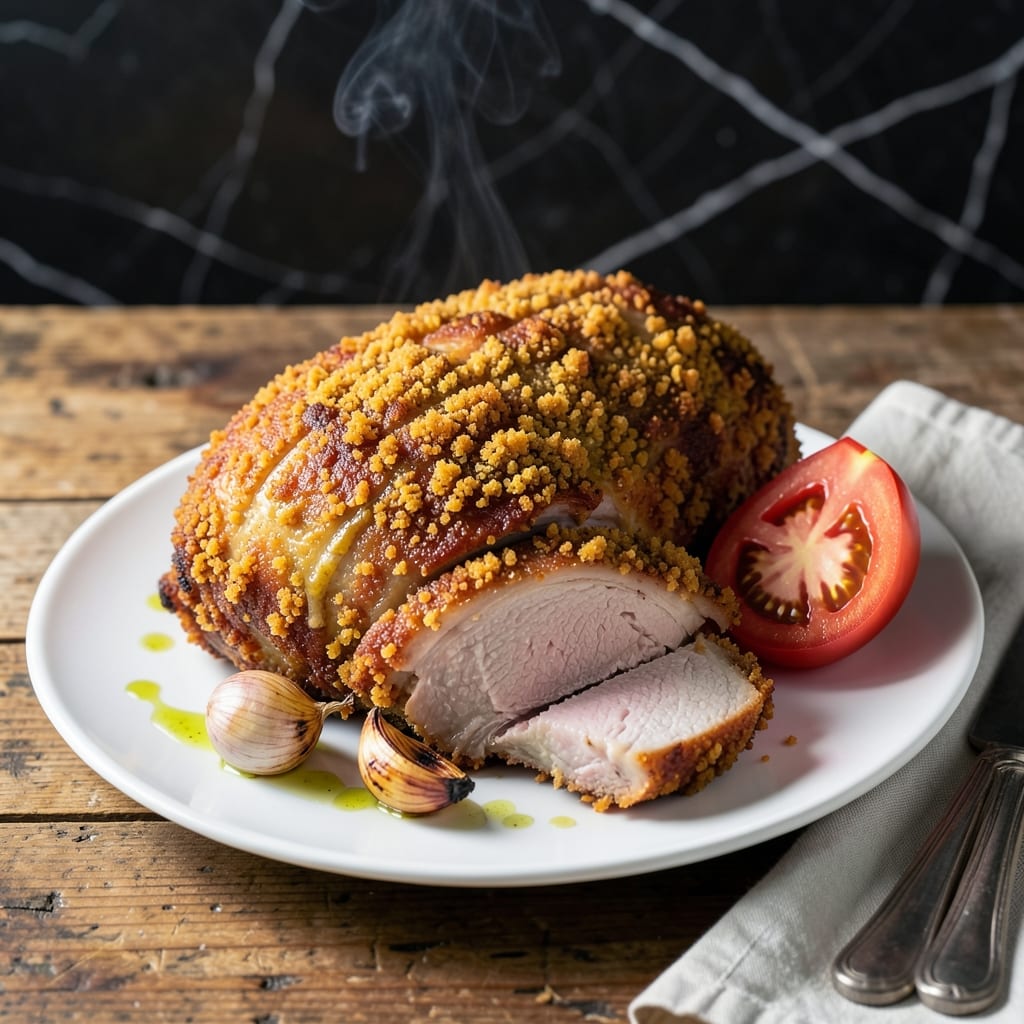
This breaded pork roast recipe delivers a crispy golden crust with a perfectly moist center every time. Growing up in Georgia, I learned that pork deserves respect—and this method proves it.
The secret is a two-step breading process using flour, egg wash, and seasoned breadcrumbs. I use heritage pork from my farm for the best flavor, but any quality cut will work. The oven finish ensures even cooking without drying out the meat.
What emerges is a centerpiece worthy of Sunday dinner: golden, crispy exterior giving way to tender, juicy pork inside. The breading locks in moisture while adding texture that contrasts beautifully with the meat.
Serve with roasted vegetables or mashed potatoes to complete the meal. Here's how to achieve this restaurant-quality dish at home.
Ingredients for breaded pork roast
Heritage pork, crispy breading, and a few pantry staples create this showstopper Sunday roast.
| Ingredient | Amount | Notes |
|---|---|---|
| Pork Shoulder Roast 🥩 | 2 ½ lb | Bone-in heritage pork preferred |
| All-Purpose Flour 🌾 | 1 ½ cups | For initial dredging coat |
| Large Eggs 🥚 | 3 whole | Beaten for egg wash |
| Panko Breadcrumbs 🍞 | 2 cups | Japanese-style for extra crunch |
| Dijon Mustard 🟡 | 3 tbsp | Adds tang to breading |
| Garlic Powder 🧄 | 2 tsp | For seasoning breadcrumbs |
| Onion Powder 🧅 | 2 tsp | Enhances savory flavor |
| Paprika 🌶️ | 1 tbsp | Sweet or smoked variety |
| Dried Thyme 🌿 | 1 tsp | For aromatic depth |
| Kosher Salt 🧂 | 1 ½ tsp | Diamond Crystal preferred |
| Black Pepper 🌶️ | 1 tsp | Freshly ground preferred |
| Olive Oil 🫒 | ½ cup | For searing pork |
| Unsalted Butter 🧈 | 4 tbsp | Melted for breading |
The pork is everything here. Heritage breeds from local farms (or Whole Foods if you're in the city) have the best marbling and flavor. Look for shoulder or Boston butt cuts—bone-in keeps it moist through cooking. If you're buying from a butcher, ask for a 2.5-pound roast with the skin on for extra crunch. Costco has solid heritage pork options at a fair price if you're feeding a crowd.
No panko? Regular breadcrumbs work but won't give you that same shatteringly crisp crust. Out of Dijon? Whole-grain mustard at equal amount adds a similar tang. The garlic and onion powders are non-negotiable for the seasoning blend, but fresh minced garlic (about 4 cloves) can stand in if that's all you've got. For the paprika, smoked adds a nice depth if you're grilling the roast instead of oven-baking.
The breaded roast keeps 3-4 days in the fridge—reheat in the oven to maintain that crispy crust. Freeze uncooked portions for up to 2 months. Leftovers make killer sandwiches (trust me on this).
Why You'll Love This Recipe
- One Bowl Wonder: I just toss the flour, eggs, and panko in one bowl—no extra dishes, no fuss.
- Crispy & Tangy: The panko gives that golden crunch while the Dijon mustard adds a sharp kick that cuts through the richness.
- Feeds My Crew: This roast stretches for sandwiches, tacos, or dinner plates—my family of four gets two meals out of it.
- Budget Hero: Pork shoulder is cheap, and a little goes a long way with that breading to bulk it up.
Step-by-step instructions for breaded pork roast
Here's how I get that perfect crunchy crust while keeping the inside juicy and tender.
Prep the Pork and Seasoning Station
Pat the 2.5 lb Pork Shoulder Roast completely dry with paper towels. This is non-negotiable—moisture is the enemy of crispy breading. I like to let it sit at room temperature for 30 minutes while I set up my breading station.
In a shallow dish, combine the 1.5 cups All-Purpose Flour with 1.5 tsp Kosher Salt, 1 tsp Black Pepper, 1 tbsp Paprika, 1 tsp Dried Thyme, 2 tsp Garlic Powder, and 2 tsp Onion Powder. Mix well so every bite of pork gets that full flavor profile.
Create the Breading Assembly Line
Beat the 3 whole Large Eggs in a second shallow dish with the 3 tbsp Dijon Mustard. The mustard adds a subtle tang that cuts through the richness of the pork. In a third dish, combine the 2 cups Panko Breadcrumbs with the 4 tbsp Unsalted Butter (melted and cooled slightly).
The butter in the panko creates that extra-crispy crust we're after. I melt the butter first so it distributes evenly through the breadcrumbs. This three-step process (flour, egg wash, panko) is what gives you that restaurant-quality crunch.
Bread the Pork Thoroughly
Dredge the pork in the flour mixture first, pressing gently to ensure an even coat. Shake off any excess—you want a thin, even layer. Then dip it into the egg mixture, letting any excess drip off. Finally, press it firmly into the buttery panko mixture, making sure every surface is well coated.
Here's the thing—I always let the breaded pork rest for 10 minutes before cooking. This helps the coating adhere better and prevents it from falling off during cooking. The breading should look dry to the touch when it's ready.
Sear and Roast to Perfection
Heat the 0.5 cup Olive Oil in a large oven-safe skillet or Dutch oven over medium-high heat. When it's shimmering but not smoking, carefully add the breaded pork. Sear for 3-4 minutes per side until the crust is deep golden brown.
Transfer the skillet to a preheated 375°F oven and roast for 45-60 minutes, or until an instant-read thermometer inserted into the thickest part reads 145°F. The crust should be crispy and the juices should run clear when pierced.
Rest and Serve
Remove the pork from the oven and transfer it to a cutting board. Tent loosely with foil and let it rest for 10-15 minutes. This resting period allows the juices to redistribute, ensuring every bite stays moist.
Slice against the grain into thick pieces. The crust should crackle slightly when you cut into it, revealing tender, juicy meat underneath. Serve immediately while the breading is still at its crispiest. The contrast between the crunchy exterior and moist interior is what makes this dish special.
Pro Tips For Making Breaded Pork Roast
- Pat It Dry: Press the pork shoulder with paper towels before dredging—any moisture will make the breading slide right off, and I learned this the hard way after my first three attempts ended up soggy.
- Chill Between Layers: Pop the floured pork in the fridge for 10 minutes before dipping in egg, then again after breading—this keeps the coating from absorbing too much oil and falling apart mid-fry.
- Use Room-Temp Eggs: Cold eggs straight from the fridge make the mustard seize up and clump; let them sit out for 15 minutes so the Dijon blends smooth and coats every nook.
- Toast the Panko: Toss the breadcrumbs in a dry pan for 2-3 minutes until golden—sounds like extra work, but it adds a nutty crunch that plain panko just can’t match, and I was skeptical until I tried it.
Common mistakes when making great breaded pork roast
Skipping the Dry Step
Never skip patting the 2.5 lb Pork Shoulder Roast completely dry. Moisture prevents the flour from adhering properly, leading to a sad, soggy crust. I use 3-4 paper towels to ensure every surface is bone-dry before breading. 💡
Rushing the Breading
Let the breaded pork rest for 10 minutes after coating. This allows the egg wash to set, preventing the breading from sliding off during cooking. I learned this the hard way during my first BBQ competition— lost half the crust to the pan.
Overcrowding the Pan
Use a skillet large enough to accommodate the roast with space to spare. Crowding lowers the oil temperature, causing the breading to absorb oil instead of crisping. My 12-inch cast iron is perfect for this 2.5 lb cut.
Incorrect Oil Temperature
Test the 0.5 cup Olive Oil before adding pork—it should shimmer but not smoke. Too cool and you’ll get greasy breading; too hot and it’ll burn before cooking through. I use a thermometer to hit 350-375°F precisely.
Skipping the Rest
Always let the roast rest for 10-15 minutes after cooking. Slicing too soon causes juices to escape, leaving dry meat. The crust stays crispy if you tent loosely with foil—no steam buildup. 🔥
Underseasoning the Breading
Don’t be shy with the seasonings in your flour and panko. The 1.5 tsp Kosher Salt, 1 tbsp Paprika, and other spices need to be bold enough to flavor both the crust and the meat beneath it.
Nutrition facts
Frequently asked questions
Can I use regular breadcrumbs instead of panko?
You can, but the texture won't be as crispy. Panko's coarse texture creates that signature crunch, while regular breadcrumbs tend to absorb more oil and soften during cooking.
What's the best way to keep the breading from falling off?
Let the breaded roast rest for 10 minutes before cooking. This helps the egg wash set and adhere properly to the meat. Press firmly when coating to ensure full contact.
Can I make this in an air fryer instead of the oven?
Cook at 375°F for 35-40 minutes, flipping halfway. The air fryer's circulation creates an extra crispy crust while keeping the center moist.
How do I know when the pork is done?
Use a meat thermometer. The internal temperature should reach 145°F in the thickest part. The juices should run clear when pierced with a knife.