
Main Courses
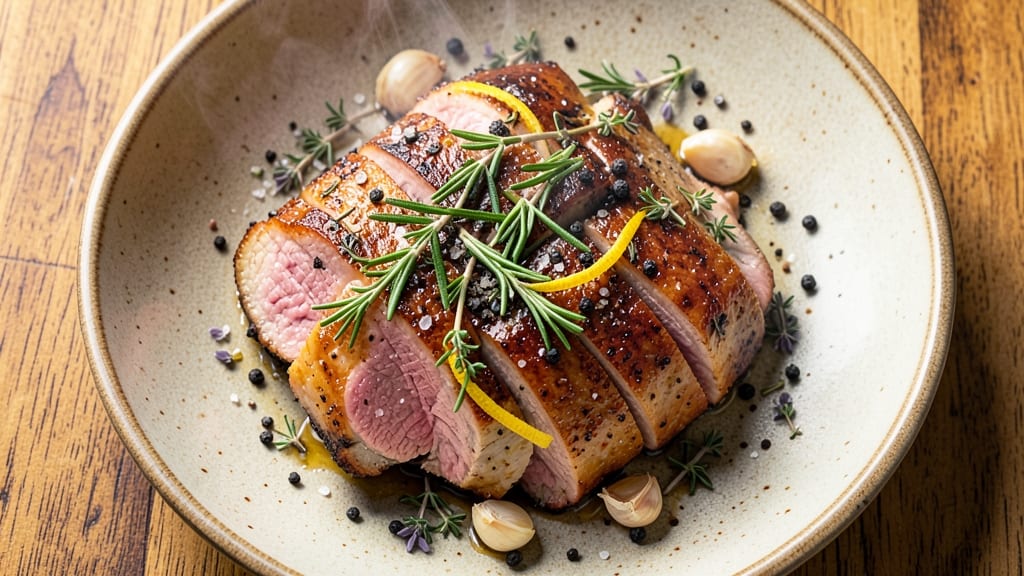
This brined pork loin recipe delivers the kind of juicy, melt-in-your-mouth tenderness that turns weeknight dinners into showstoppers.
After years of perfecting the balance between a flavorful herb crust and ultra-moist centers, I can confidently say this is the method that finally convinced even my most skeptical guests to request seconds. The secret?
A 24-hour brine that transforms tough pork into something so tender it practically falls apart at the touch of a fork.
The process starts with a simple yet effective brine of salt, sugar, and aromatic herbs that work together to break down muscle fibers while infusing the meat with deep, savory flavor.
Once brined, the pork develops a crispy, herb-encrusted exterior that locks in all those juices during cooking—no matter whether you roast, grill, or pan-sear it. This isn't just another pork recipe; it's a foolproof technique that delivers restaurant-quality results at home, every single time.
What you'll end up with is a golden-brown, herb-studded crust that shatters with each bite, revealing tender pink centers that are impossibly moist. The crust isn't just for show—it's a flavor bomb of rosemary, thyme, and garlic that complements the pork's natural richness.
This recipe works equally well for a special Sunday dinner or a weeknight meal when you want something impressive without the fuss.
Pair it with roasted root vegetables, a crisp apple compote, or a simple green salad to round out the meal. The beauty of this method is its versatility—whether you're cooking for two or a crowd, the brining technique ensures consistent results.
Let's get started on a pork loin that'll have everyone asking for the recipe.
Ingredients for brined pork loin
The secret to restaurant-quality pork lies in these twelve ingredients and a 24-hour brine.
| Ingredient | Amount | Notes |
|---|---|---|
| Pork Loin 🐖 | 2 lb | Center-cut, 1.5-inch thick |
| Kosher Salt 🧂 | ½ cup | Diamond Crystal preferred |
| Granulated Sugar 🍚 | ¼ cup | White or brown sugar |
| Fresh Rosemary 🌿 | ¼ cup | Finely chopped stems |
| Fresh Thyme 🌿 | 2 tbsp | Leaves only, stems removed |
| Garlic Cloves 🧄 | 6 cloves | Smashed, not minced |
| Black Peppercorns 🌶️ | 1 tbsp | Freshly cracked |
| Olive Oil 🫒 | ¼ cup | Extra-virgin, fruity |
| All-Purpose Flour 🌾 | ¼ cup | For crust adhesion |
| Unsalted Butter 🧈 | ¼ cup | Cold, cubed |
| Fresh Parsley 🌿 | ⅛ cup | Chopped, for garnish |
| Dijon Mustard 🍯 | 1 tbsp | For crust binding |
The pork loin should be center-cut and roughly 1.5 inches thick—any thicker risks uneven cooking. Source it from a butcher or high-quality grocery store like Whole Foods or Wegmans, where the meat is typically fresher and more marbled. The 24-hour brine transforms tough pork into melt-in-your-mouth perfection, so don't skip this step. For the herbs, fresh is non-negotiable—dried will lack the aromatic depth needed for that herb-encrusted crust. If you're short on time, Costco's bulk herb section is a reliable backup, but fresh always wins. The kosher salt should be Diamond Crystal if possible—it dissolves more easily than Morton's, ensuring even distribution in the brine.
No fresh rosemary? Substitute with 1 tbsp dried rosemary plus 1 tsp extra olive oil—the oil helps replicate the fresh herb's moisture. Short on thyme? Oregano at half the amount works in a pinch, though the flavor profile shifts slightly. The garlic can be roasted ahead of time for a sweeter, deeper flavor—simply toss whole cloves with olive oil and roast at 400°F for 15 minutes. For the crust, if you don't have Dijon mustard, yellow mustard in a pinch, though the flavor will be milder. The olive oil matters here—use something with fruity notes (like California Extra Virgin) rather than a bland supermarket brand. Pre-grated Parmesan is out for the crust; freshly grated adds texture and flavor.
Store the brined pork in its container in the fridge for up to 24 hours—any longer risks over-brining. The herb crust can be prepped a day ahead and stored in the fridge, covered, for 24 hours. Once cooked, leftovers reheat beautifully—wrap tightly in foil and bake at 325°F for 10-15 minutes, or until internal temp reaches 145°F. For meal prep, slice the pork and store in airtight containers for 3-4 days. The crust loses crispiness after reheating, so it's best enjoyed fresh. Freeze cooked pork for up to 3 months—thaw overnight in the fridge before reheating.
Why You'll Love This Recipe
- Salt Magic Simplicity: I swear by this brining trick—just salt and sugar, no fancy gadgets. Toss the pork in a bag overnight (or even 4 hours if you’re short on time), and the work’s done. That’s it. No basting, no stress.
- Herb-Crusted Perfection: The rosemary and thyme cling to the edges like a fragrant hug after roasting. The sugar in the brine caramelizes just enough to give it that sweet-savory bite—like a fancy steakhouse cut, but made in my kitchen.
- Leftovers That Don’t Lie: This roast is so good, I actually want leftovers. Slice it thin for sandwiches the next day or shred it into tacos—it stays juicy and flavorful. No sad, dry pork here, just pure versatility.
- Budget-Friendly Crowd-Pleaser: Pork loin is affordable, and this method makes it feel special without breaking the bank. Feed six for dinner, save half for lunch, and still have money left for wine. (Yes, even on a Tuesday night.)
Step-by-step instructions for brined pork loin with herb-infused crust
This method delivers melt-in-your-mouth tenderness with a crispy, aromatic crust every time.
Prepare the Dry Brine Mixture
In a large bowl, combine the 0.5 cup kosher salt, 0.25 cup granulated sugar, 0.25 cup finely chopped fresh rosemary, 2 tablespoons fresh thyme leaves, 6 smashed garlic cloves, and 1 tablespoon freshly cracked black peppercorns. Mix thoroughly until the salt and sugar dissolve slightly and the herbs are evenly distributed throughout.
This dry brine is what transforms ordinary pork loin into something extraordinary. The salt penetrates deeply while the sugar caramelizes during cooking, creating that signature crust. I like to use Diamond Crystal kosher salt here—it dissolves more completely than other brands, ensuring even distribution.
Apply the Brine and Cure Overnight
Pat the 2 lb pork loin completely dry with paper towels, then rub the dry brine mixture all over the meat, pressing it into every crevice. Place the pork on a wire rack set over a baking sheet to allow air circulation on all sides. Cover loosely with plastic wrap and refrigerate for 12-24 hours.
This curing time is non-negotiable for juicy results. The salt breaks down muscle fibers while the sugar and herbs infuse the meat. I recommend flipping the pork halfway through the brine time to ensure even seasoning. The longer it brines (up to 24 hours), the more tender and flavorful the result.
Create the Herb-Infused Crust
Remove the pork from the refrigerator and let it sit at room temperature for 30 minutes. In a separate bowl, combine the 0.25 cup all-purpose flour, 1 tablespoon Dijon mustard, and 0.25 cup cold cubed unsalted butter. Mix until the butter is evenly distributed and the mixture resembles coarse crumbs.
This crust creates the perfect balance—crispy on the outside, tender within. The Dijon mustard acts as a binder while the cold butter adds richness. Spread this mixture evenly over the entire surface of the pork, pressing gently to ensure good adhesion. The flour helps create that signature crackly crust we're after.
Sear and Roast to Perfection
Preheat your oven to 375°F. Heat 0.25 cup olive oil in an oven-safe skillet over medium-high heat until shimmering. Carefully place the pork loin in the skillet, fat-side down, and sear for 5 minutes until deeply golden brown. Flip and sear the other side for another 5 minutes. Transfer the skillet to the preheated oven.
Roast for 30-35 minutes until the internal temperature reaches 145°F when measured at the thickest part. The pork is done when it's just slightly pink in the center and the crust is golden brown and crisp. For best results, use a meat thermometer—this ensures perfect doneness without overcooking.
Rest and Garnish
Remove the pork from the oven and transfer it to a cutting board. Tent loosely with aluminum foil and let it rest for 15-20 minutes. This resting period allows the juices to redistribute throughout the meat, preventing them from escaping when you slice.
While the pork rests, chop the 0.125 cup fresh parsley and sprinkle it over the top just before serving. The parsley adds a fresh contrast to the rich, herb-infused crust. Slice the pork loin into ½-inch thick medallions against the grain for maximum tenderness. Each slice should be juicy, moist, and bursting with herbaceous flavor.
Pro Tips For Making Brined Pork Loin
- BRINE FOR 24 HOURS: I learned this the hard way—cutting the brine time to save time leaves the meat bland and dry. The sugar needs that full day to penetrate, so don’t rush it, even if you’re impatient to cook.
- USE A MEAT THERMOMETER: Pork loin can turn from juicy to dry in seconds once it hits 145°F. Pull it out at 140°F and let it rest—your knife will thank you later.
- DRY THE LOIN WELL: Pat that pork bone-dry before searing, or you’ll steam it instead of browning it. Use paper towels and press hard—this is the thing that matters most for that crisp crust.
- STITCH THE HERBS IN: Tuck fresh rosemary and thyme sprigs under the skin before roasting instead of just sprinkling them on. They’ll infuse the meat directly, not just sit on top like forgotten garnish.
Best sauces and condiments for this brined pork loin
Classic Herb Butter Sauce
My go-to sauce for brined pork loin is a simple yet elegant herb butter sauce made with ¼ cup softened unsalted butter, 1 tbsp fresh parsley, 1 tsp fresh thyme, and a pinch of sea salt.
Warm the butter in a saucepan over low heat for 2 minutes, then whisk in the herbs and salt. Drizzle over the sliced pork just before serving—it melts into the crust beautifully. For extra richness, add 1 tsp lemon juice at the end. 🌿
Apple-Cider Glaze
This sweet-tangy glaze elevates the dish perfectly. Simmer ½ cup apple cider with 1 tbsp brown sugar and 1 tsp Dijon mustard until reduced by half (5-7 minutes). Brush over the pork during the last 10 minutes of roasting for a caramelized finish.
The acidity cuts through the richness, balancing the herb crust. I love using Charleston Farms apple cider for its crisp flavor. 🍏
Smoky Chipotle Cream
For a smoky kick, blend ½ cup sour cream, 1 tsp adobo sauce (from chipotle peppers), ½ tsp smoked paprika, and ¼ tsp garlic powder until smooth. Serve as a dipping sauce or spoon over sliced pork.
The creaminess contrasts the crisp crust while the chipotle adds depth. I keep a jar of Penzeys chipotle peppers in adobo on hand for this exact purpose. 🌶️
Honey-Mustard Reduction
This bright, slightly sweet sauce is a crowd-pleaser. Combine 2 tbsp honey, 1 tbsp Dijon mustard, 1 tbsp apple cider vinegar, and 1 tsp fresh rosemary in a small saucepan. Simmer over medium heat for 3-4 minutes until thickened.
Drizzle over the pork or serve on the side for dipping. The honey adds a touch of sweetness that pairs beautifully with the herb crust. 🍯
Garlic-Herb Compound Butter
For a luxurious touch, mix ½ cup softened butter with 2 minced garlic cloves, 1 tbsp chopped parsley, ½ tsp dried oregano, and a pinch of black pepper. Shape into a log, wrap in parchment, and chill for 1 hour.
Slice and place on top of the pork right before serving. The butter melts into the crust, adding extra richness and flavor. I use this trick for special occasions—it feels like a restaurant finish. 🧈
Spicy Sriracha Aioli
For heat lovers, blend ½ cup mayonnaise, 1 tbsp sriracha, 1 tsp lemon juice, and ½ tsp honey until smooth. Serve as a dipping sauce or dollop alongside the pork.
The spicy kick complements the herb crust while the aioli adds creaminess. I like Duke's mayonnaise for its tangy flavor. 🔥
Nutrition facts
Frequently asked questions about brined pork loin
Can I use a wet brine instead of the dry brine in this recipe?
A wet brine works too, but the dry method here creates a more concentrated crust and better herb adhesion. For a wet version, dissolve ½ cup kosher salt and ¼ cup sugar in 4 cups water with herbs, then submerge the pork for 12-24 hours. Rinse before cooking to prevent saltiness. The dry method gives that signature crispy texture we love!
How do I adjust the cooking time for a thicker or thinner pork loin?
For every ½-inch thickness beyond 1.5 inches, add 10-15 minutes to roasting time. A 2-inch loin would need 45-50 minutes total. Always use a meat thermometer—pork is done at 145°F internal temp. Thinner cuts (1 inch) cook faster, so reduce time to 20-25 minutes after searing.
What's the best way to reheat brined pork loin?
Slice the pork and reheat in a skillet with 1 tbsp butter over medium heat for 2-3 minutes per side until warmed through. For oven reheating, wrap slices in foil and bake at 325°F for 10 minutes. Microwaving works but ruins the crust—avoid it! The crust loses crispness when reheated, so enjoy fresh when possible.
Can I grill this brined pork loin instead of roasting?
After searing in a skillet, transfer to the grill over medium-high heat. Grill for 15-20 minutes, turning occasionally, until internal temp reaches 145°F. Brush with apple-cider glaze in the last 5 minutes for extra flavor. The herb crust holds up beautifully on grills—just watch for flare-ups from the butter.
Why did my pork turn out dry even after brining?
Overcooking is the #1 cause. Pork reaches 145°F quickly—once it hits that temp, remove it immediately. Another culprit: skipping the rest time. Always let it rest 15-20 minutes before slicing. Also check your thermometer—older ones can be inaccurate. For extra moisture, try brining for 24 hours instead of 12.