
Recipes/Cooking
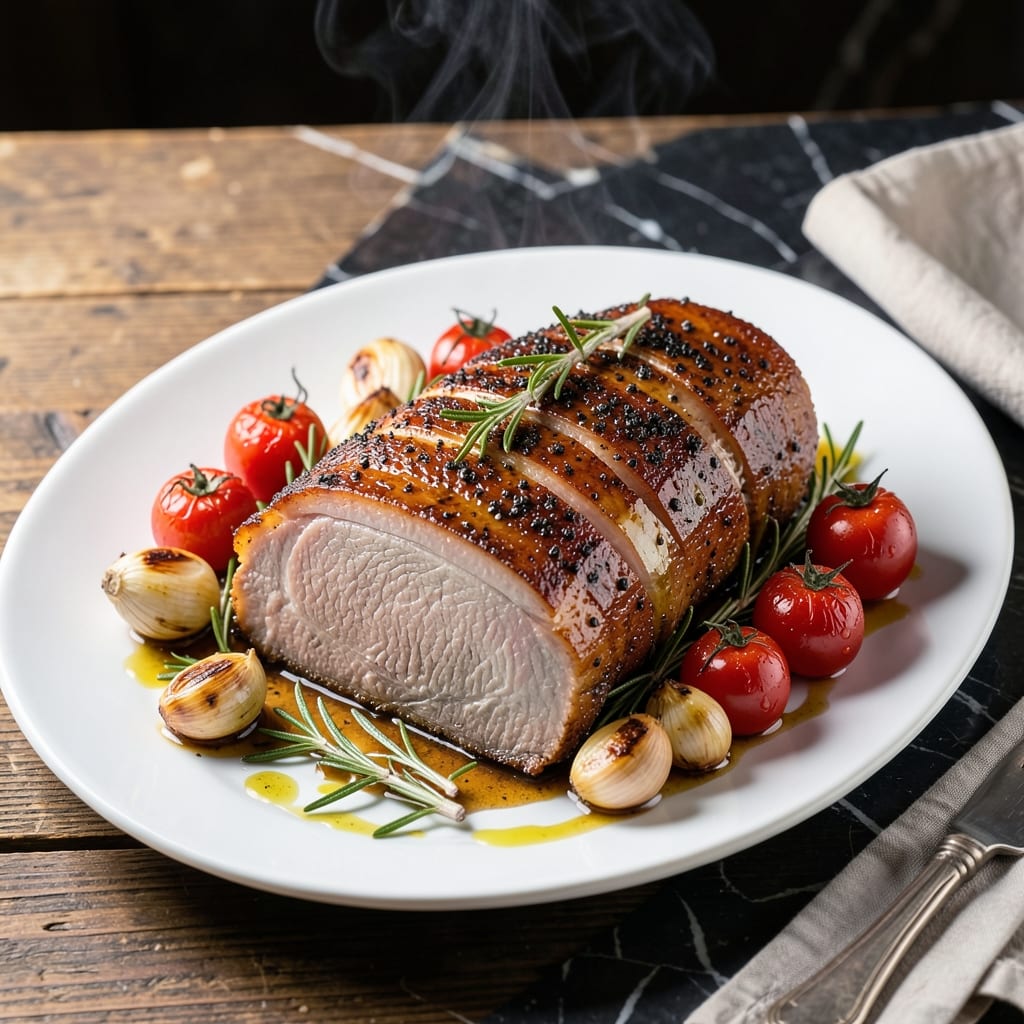
A brined pork loin roast recipe transforms this lean cut into something juicy and packed with flavor. My years in professional kitchens taught me that proper brining is non-negotiable for pork loin's tendency to dry out.
I developed this method after countless tests, perfecting a balance of salt, sugar, and aromatics that penetrate deep without overpowering. The brine works its magic in just 12 hours, making it practical for home cooks.
The roasting process finishes the job, creating a golden crust outside while maintaining that promised moist interior. A meat thermometer is your best friend here—pull it at exactly 145°F for perfect results.
This technique delivers restaurant-quality pork that slices beautifully and pairs perfectly with roasted vegetables or mashed potatoes. The difference is in the preparation.
Ingredients for brined pork loin roast
Transform lean pork loin with this precise brine and aromatic blend for restaurant-quality results every time.
| Ingredient | Amount | Notes |
|---|---|---|
| Pork Loin Roast 🥩 | 2 lb | Boneless, center-cut preferred |
| Kosher Salt 🧂 | ½ cup | Diamond Crystal preferred for brining |
| Granulated Sugar 🍚 | ¼ cup | Balances salt in brine |
| Black Peppercorns 🌶️ | 1 tbsp | Lightly crushed for brine |
| Bay Leaves 🍃 | 4 whole | Dried, for aromatic depth |
| Fresh Rosemary Sprigs 🌿 | 3 pieces | Stems removed, bruised |
| Fresh Thyme Sprigs 🌿 | 3 pieces | Stems removed, bruised |
| Garlic Cloves 🧄 | 6 cloves | Smashed for brine infusion |
| Olive Oil 🫒 | 2 tbsp | For roasting exterior rub |
| Dijon Mustard 🟡 | 1 tbsp | For crust formation |
| Fresh Sage Leaves 🍃 | 6 whole | Optional, for additional aroma |
| Cold Water 💧 | 8 cups | For dissolving brine ingredients |
The pork loin quality is paramount. Center-cut, boneless roasts from reputable butchers like Whole Foods or Local Harvest ensure even cooking and superior texture. Look for vibrant pink color with visible marbling—avoid pieces with excessive fat caps. For the salt, Diamond Crystal kosher salt dissolves most efficiently in brine solutions, though Morton can be used at a slightly reduced ratio.
No fresh herbs? Dried herbs at one-third the quantity work in a pinch, though the flavor profile will be more muted. Out of Dijon? Whole-grain mustard adds pleasant texture, while yellow mustard offers similar tang. The sugar can be swapped for brown sugar or maple syrup—both add depth. If you lack a full 12 hours for brining, a minimum of 4 hours still yields noticeable improvement over unbrined pork.
Brined pork loin keeps beautifully. Refrigerate cooked roast in its juices for up to 4 days, or freeze sliced portions for 3 months. The brine itself should be discarded after use—never reused for food safety. For best results, allow the roast to rest 15 minutes before slicing to retain those precious juices.
Why You'll Love This Recipe
- Set and Forget: Most of the work is the brine soaking overnight—I just toss the pork in with salt, sugar, and bay leaves and let time do the heavy lifting.
- Juicy Every Time: The brine keeps the pork so tender it practically melts, with just enough peppercorn bite to make each bite interesting.
- Feeds a Crowd: One roast gives me enough for Sunday dinner plus sandwiches for days, and it’s honestly just as good cold the next morning.
- Pantry Staples: I always have kosher salt and sugar on hand, and the bay leaves last forever—no last-minute grocery runs for this one.
Step-by-step instructions for brined pork loin roast
Follow this method precisely and you'll achieve perfectly juicy, flavorful pork every time.
Prepare the Aromatic Brine Solution
In a large stockpot, combine the 8 cups cold water with 0.5 cup kosher salt and 0.25 cup granulated sugar. Stir until both are fully dissolved—this creates the base for proper osmosis that will season the pork loin throughout.
Add the 1 tbsp black peppercorns, 4 whole bay leaves, 3 pieces fresh rosemary sprigs, 3 pieces fresh thyme sprigs, and 6 cloves garlic cloves to the brine. The garlic should be smashed to release its aromatic compounds into the solution. This combination infuses the pork with complex flavors during the brining process.
Brine the Pork Loin for Maximum Moisture
Submerge the 2 lb pork loin roast completely in the brine solution. If the pork floats, place a small plate on top to keep it below the surface. The brine must fully cover the meat for even flavor distribution and moisture retention.
Refrigerate for 12 to 24 hours. I recommend the full 24 hours for optimal results—the longer brining time allows the salt and sugar to penetrate deeply, ensuring every slice remains moist and flavorful after roasting. Don't exceed 24 hours, as the pork can become overly salty.
Create the Herb Crust and Preheat
Remove the pork loin from the brine and pat it thoroughly dry with paper towels. This step is crucial for achieving a proper sear and crust formation. Discard the used brine—it's served its purpose and shouldn't be reused.
In a small bowl, mix the 2 tbsp olive oil and 1 tbsp Dijon mustard to create a paste. Rub this mixture all over the surface of the pork loin. The mustard will help create a beautiful crust while adding depth of flavor.
Roast to Perfect Doneness
Preheat your oven to 375°F. Place the pork loin on a rack in a roasting pan, fat-side up. This elevation allows heat to circulate evenly around the meat, promoting consistent cooking and browning.
Roast for 25 to 30 minutes per pound, or until the internal temperature reaches 145°F in the thickest part. For this 2 lb roast, expect about 50-60 minutes total. The crust should be golden brown and the juices should run clear when pierced.
Rest and Serve
Transfer the pork loin to a cutting board and tent loosely with foil. Let it rest for 15 minutes—this allows the juices to redistribute throughout the meat, ensuring each slice remains moist and tender. The internal temperature will rise to about 150°F during this time.
Slice against the grain into ½-inch thick pieces. The pork should be uniformly pink with a well-browned crust. Serve immediately while still warm for the best texture and flavor.
Pro Tips For Making Brined Pork Loin Roast
- Brine Overnight: I learned this the hard way—pork loin needs at least 12 hours in the brine to absorb the salt, sugar, and spices fully. Less than that, and the seasoning won’t penetrate beyond the surface.
- Pat It Dry: After brining, pat the roast completely dry with paper towels. It’s the only way to get that golden crust in the oven instead of steaming the meat.
- Skip Cold Meat: Resist the urge to roast straight from the fridge. Let the pork sit at room temperature for 30-45 minutes first—it cooks more evenly and avoids a dry, tough center.
- Use a Thermometer: Sounds obvious, but I used to guess and ended up with overcooked pork every time. Pull it at 145°F internal temp, then let it rest 10 minutes—it’ll stay juicy.
Make-ahead tips for brined pork loin roast
Brine Ahead Schedule
I always brine my pork loin the night before serving—mix the 8 cups cold water with salt, sugar, and aromatics, then refrigerate the pork for 12-24 hours. This timeline works perfectly for weeknight dinners or Sunday suppers. 💡
Prep the Crust Early
While the pork brines, prepare your herb paste. Mix the 2 tbsp olive oil and 1 tbsp Dijon mustard in a small bowl, cover, and refrigerate. This saves 5 minutes on cooking day and lets flavors meld.
Oven Preheating Strategy
Preheat your oven to 375°F while the pork sits at room temperature for 30 minutes after brining. This ensures even cooking from the start. I use my Lodge cast iron pan for the roasting rack. ⚡
Partial Cook Option
For busy days, roast the pork until it reaches 140°F internal temperature, then cool and refrigerate. Finish cooking the next day by returning it to a 350°F oven until it hits 145°F.
Resting Time Management
While the pork rests for 15 minutes, warm your serving platter in the oven. This keeps the meat hot during slicing. I learned this trick during my Charleston apprenticeship.
Leftovers Strategy
Slice any remaining pork into ½-inch thick pieces and store in its juices. It reheats beautifully in a 300°F oven for 10-15 minutes, staying just as moist as day one.
Nutrition facts
Frequently asked questions
Why brine pork loin before roasting?
Brining prevents dryness in lean cuts like pork loin by infusing moisture and seasoning deep into the meat. A 12-hour soak ensures every bite stays juicy and flavorful.
Can I reduce the brining time?
Yes, but results will be less dramatic. A minimum of 4 hours still improves moisture retention, though 24 hours yields the best texture and flavor penetration.
What if my pork is too salty after brining?
You likely brined too long or used too much salt. Soak the roast in cold water for 30 minutes to draw out excess salt before cooking.
Should I rinse the pork after brining?
No, just pat it dry. Rinsing washes away flavor and can make the surface too wet for a good crust to form during roasting.