
Sauces & Condiments
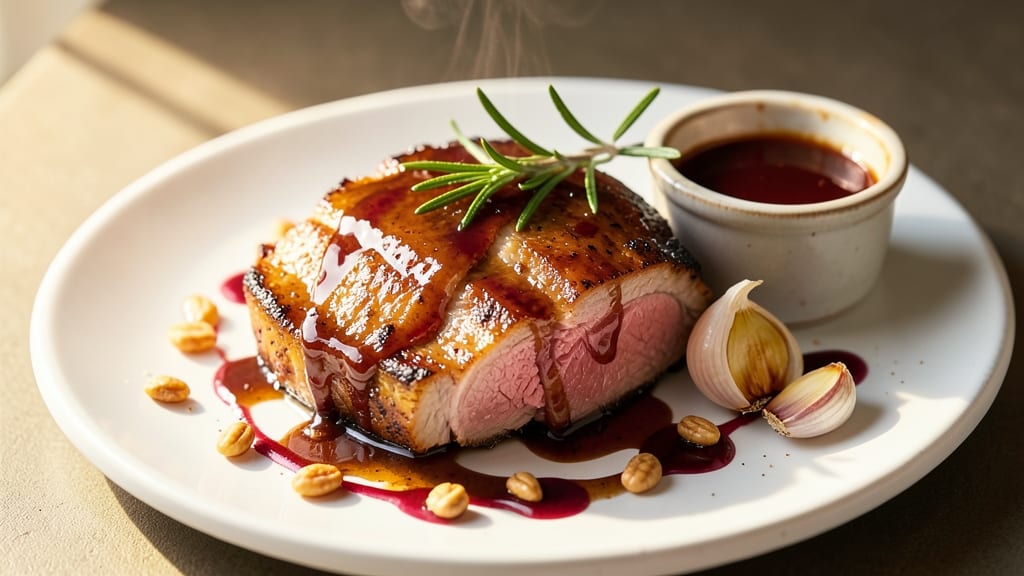
This brown sugar glazed pork tenderloin recipe delivers a perfect balance of caramelized crust and juicy centers—exactly what you need for a weeknight dinner that feels like a restaurant meal. 🔥 After years of perfecting pork cuts in my Atlanta kitchen, I've developed a method that ensures tender, flavorful results every time, without the guesswork.
The secret lies in a simple glaze that transforms ordinary pork into something extraordinary.
The process is straightforward but precise: sear the tenderloin to lock in juices, then brush with a rich brown sugar glaze that caramelizes beautifully. With just 30 minutes of active time, you'll have a dish that's impressive enough for guests but simple enough for weeknights.
The glaze isn't just sweet—it's savory too, with a touch of mustard and spices that cut through the richness. Trust me, this is one recipe that never disappoints.
What you'll end up with is a tender pork tenderloin with a glossy, caramelized crust that's impossible to resist. The inside stays moist and flavorful, while the glaze adds a perfect sweet-savory balance.
It's the kind of dish that pairs beautifully with roasted vegetables or a simple side salad, making it versatile for any occasion. The aroma alone will have everyone gathering around your table.
Whether you're feeding a family or hosting dinner guests, this recipe scales perfectly and delivers consistent results. The technique is foolproof, and the flavor combination is hard to beat. Let's get started on creating a pork tenderloin that's sure to become a favorite in your rotation.
Ingredients for brown sugar glazed pork tenderloin
Pork tenderloin takes center stage with this caramelized glaze—just 12 ingredients, restaurant-quality results.
| Ingredient | Amount | Notes |
|---|---|---|
| Pork Tenderloin 🍖 | 1 ½ lb | Center-cut, trimmed of fat |
| Light Brown Sugar 🍚 | ½ cup | Packed, not granulated |
| Dijon Mustard 🍯 | 2 tbsp | High-quality brand preferred |
| Balsamic Vinegar 🍷 | 1 tbsp | Aged, not balsamic glaze |
| Olive Oil 🫒 | 2 tbsp | Extra-virgin, fruity variety |
| Garlic Cloves 🧄 | 3 cloves | Minced, fresh preferred |
| Ground Black Pepper 🌶️ | 1 tsp | Freshly cracked preferred |
| Kosher Salt 🧂 | 1 ½ tsp | Diamond Crystal preferred |
| Fresh Rosemary 🌿 | ¼ cup | Finely chopped, stems removed |
| Unsalted Butter 🧈 | 2 tbsp | Cold, cubed for searing |
| Honey 🍯 | 1 tbsp | Wildflower preferred |
| Apple Cider Vinegar 🍏 | 1 tsp | Optional, for tang |
The pork tenderloin is your star, so center-cut is non-negotiable—it's leaner and more tender. Whole Foods or local butchers often have the best cuts, but any reputable grocery store's meat department should carry it. Trim any visible fat before cooking, and pat it dry with paper towels—this helps the sear develop that gorgeous crust. For the brown sugar, light or dark doesn't matter here, but packed means no extra measuring. The Dijon mustard? Maille or Whole Foods brand are my go-tos—they've got that perfect balance of tang and creaminess. Fresh rosemary is ideal, but dried works in a pinch at one-third the amount. Just make sure it's labeled as culinary rosemary, not ornamental.
No Dijon mustard? Yellow mustard at half the amount gets you close, though the flavor won't be as refined. Running out of balsamic vinegar? Red wine vinegar plus a pinch of sugar mimics the depth. The honey can be swapped for maple syrup, but it'll be less floral. For the glaze, I always toast the spices—garlic, pepper, and rosemary—with the butter for 30 seconds in a cold pan. This step builds layers of flavor that you won't get otherwise. If you're short on time, skip it, but trust me, it's worth the extra minute. The olive oil matters too—avoid the cheap stuff. A good EVOO makes all the difference in the final gloss of the glaze.
This glaze keeps beautifully—store it in a jar in the fridge for up to 1 month. The pork itself reheats well, but it's best served fresh off the grill or pan. If you're prepping ahead, glaze the pork and refrigerate uncovered for 30 minutes before cooking—this helps the sugar caramelize faster. Leftovers? 3-4 days in the fridge, or freeze for 3 months. I always slice it against the grain for those perfect, tender bites. Pair with roasted Brussels sprouts or a crisp arugula salad to let the pork shine.
Why You'll Love This Recipe
- One-Pan Magic: I swear by this recipe when I’m too tired to scrub a million dishes. Just sear the pork, toss it in the glaze—Dijon mustard and balsamic do the heavy lifting—and let the oven work its magic. That sticky, caramelized crust? Zero effort, all flavor.
- Sweet-Savory Balance: Between us, the combo of brown sugar’s deep caramel and balsamic’s tang is chef’s kiss. The Dijon mustard cuts through the sweetness just enough to keep it sophisticated, not cloying. I’ll take that over dry, boring pork any day.
- Weeknight to Dinner Party: This glaze turns a simple pork tenderloin into something that feels special—no one will guess it took me 25 minutes. Serve it with roasted potatoes for a casual dinner or pair it with asparagus for a fancier night. Honestly, it’s my secret weapon for when I don’t want to overthink it.
- Leftovers That Don’t Suck: Between us, most pork leftovers are sad. Not this. The glaze keeps it juicy, and the flavors only get better the next day. I’ll slice it for sandwiches, shred it into tacos, or toss it into a grain bowl—no one complains, and my wallet thanks me.
Step-by-step instructions for brown sugar glazed pork tenderloin
Here's how to create a perfectly caramelized crust with impossibly juicy centers—no guesswork, just foolproof technique.
🔥 Step 1: Sear the Pork for Maximum Flavor
Heat a large oven-safe skillet over medium-high heat until it's screaming hot. Add the 2 tablespoons unsalted butter and let it melt completely, watching for golden brown flecks to form at the bottom—this is your flavor foundation. Remove the pan from heat and carefully add the 1.5 lb pork tenderloin, turning to coat evenly in the butter.
Return the skillet to medium-high heat and sear the pork for 3-4 minutes per side until it develops a deep golden-brown crust. Press down gently on the fillet during the first minute—this prevents it from curling and ensures even contact with the pan. You'll know it's ready when the pork releases easily from the skillet (no need to force it).
👨🍳 Step 2: Build the Glaze with Sweet and Tangy Notes
While the pork rests briefly, reduce the heat to medium and add 2 tablespoons olive oil to the same skillet. Toss in the 3 minced garlic cloves and cook for 30 seconds until fragrant—don't let them brown or they'll turn bitter. Immediately add the 0.5 cup packed light brown sugar and stir to combine with the garlic and any browned bits clinging to the pan.
Pour in the 1 tablespoon balsamic vinegar and 1 tablespoon honey, scraping up all those delicious caramelized bits from the bottom. Let the mixture bubble for 1-2 minutes until the sugar begins to melt and form a syrupy consistency. Here's the thing—if you see the glaze getting too dark, add a splash of water to lighten it. We want caramelized, not burnt.
🥘 Step 3: Glaze and Roast to Juicy Perfection
Return the seared pork to the skillet and spoon the glaze evenly over the top. Transfer the skillet to a 425°F preheated oven and roast for 15-20 minutes until the internal temperature reaches 145°F (use a meat thermometer). The glaze should bubble and caramelize beautifully, forming a glossy crust. If it's not bubbling vigorously after 10 minutes, give it a quick stir to redistribute the glaze.
Here's where it gets fun—the pork is done when it hits 145°F internally, but the magic happens when you baste it one final time. Remove the pork from the oven and brush any remaining glaze over the top. Return it to the oven for 2-3 minutes to set the glaze into a sticky, caramelized crust. That's your signal it's ready to serve—juicy pink centers with a perfect balance of sweet and savory.
⏰ Step 4: Rest and Serve with Confidence
Transfer the pork to a cutting board and let it rest for 5-10 minutes before slicing. This resting period is non-negotiable—it allows the juices to redistribute throughout the meat, ensuring every slice stays moist and flavorful. While it rests, use a spoon to scrape up any remaining glaze from the skillet and drizzle it over the sliced pork.
Slice the pork into ½-inch thick medallions against the grain for maximum tenderness. The result should be a beautiful contrast: a glossy, caramelized crust that gives way to impossibly juicy, pink centers. Serve immediately with the pan juices spooned over the top—every bite delivers that perfect balance of sweet, tangy, and savory flavors we promised.
Pro Tips For Making Brown Sugar Glazed Pork Tenderloin
- SEAR FIRST, GLAZE LATER: I learned this the hard way—skipping the sear means your pork will stay bland and pale. Hit the tenderloin with a hot pan and olive oil for 2-3 minutes per side until it’s golden before adding the mustard-balsamic mix. That crust locks in flavor and keeps the glaze from turning into a sad, runny pool.
- WHISK THE GLAZE THICK: Brown sugar and Dijon mustard clump like a stubborn toddler’s hair if you don’t mix them properly. Whisk the sugar, mustard, balsamic, and a splash of water (about 2 tablespoons) until it’s smooth and syrupy—no grainy bits. Thin it with water gradually; you can always add more, but you can’t un-clump what’s already stuck.
- DON’T BAKE COVERED: Your pork will steam into a sad, gray sponge if you tent it with foil. Let that glaze caramelize by baking uncovered for the last 10-15 minutes—just keep an eye on it. If it’s browning too fast, slide it under the broiler for 2 minutes (watch like a hawk). The contrast of crispy edges and tender meat is worth the vigilance.
- SALT THE PORK TWICE: I used to salt once, right before baking, and wondered why my pork tasted flat. Salt the tenderloin generously (1 tsp kosher salt per pound) first thing, let it sit 10 minutes, then pat it very dry before searing. The second salt hit comes after searing—just a pinch on the crust right before glazing. Double salting = deeper flavor, no guesswork.
Make-ahead tips for this dish
Prep Ahead Glaze
Make the glaze a day ahead for deeper flavor development. Combine 0.5 cup packed brown sugar, 2 tbsp Dijon mustard, 1 tbsp balsamic vinegar, 1 tbsp honey, 2 tbsp olive oil, and 1 tsp apple cider vinegar in a bowl.
Store in an airtight container in the fridge—it'll thicken slightly, which is perfect for brushing. I always add a pinch of salt to the glaze when I make it ahead, as the flavors intensify overnight. 🥄
Marinate Overnight
For even more tender pork, marinate the tenderloin overnight. Mix 2 tbsp olive oil, 1 tbsp Dijon mustard, 1 tsp kosher salt, ½ tsp black pepper, and 1 tbsp chopped rosemary in a bowl.
Place the pork in a resealable plastic bag, pour the marinade over it, and refrigerate for 12-24 hours. This method transforms the meat into melt-in-your-mouth perfection. Just pat it dry before searing to ensure that perfect crust. 🌟
Partial Cook Method
Cook the pork halfway, then finish it later for a stress-free dinner. Sear the tenderloin as directed, then transfer it to a plate and refrigerate uncovered for 30 minutes to cool. Store it in an airtight container in the fridge for up to 2 days before completing the cook.
When ready to serve, reheat the pork in a skillet over medium heat for 5-7 minutes per side, basting with the reserved glaze. This approach is a game-changer for busy nights. ✨
Glaze Storage Tips
Save any leftover glaze in a small jar in the fridge for up to 1 month. It's perfect for brushing on chicken, fish, or even roasted vegetables. I keep a jar in my pantry at all times—it’s my secret weapon for quick weeknight meals.
When reheating, gently warm the glaze in a small saucepan over low heat to maintain its consistency. Avoid microwaving, as it can make the glaze too runny. 💡
Freezer-Friendly Prep
Freeze the fully cooked pork in single-serving portions for quick meals. Slice the pork into medallions and place them on a parchment-lined tray. Freeze until solid, then transfer to a freezer-safe bag.
When ready to eat, thaw in the fridge overnight and reheat in a skillet with a splash of water or reserved glaze. The texture stays tender, and the glaze reheats beautifully. This is my go-to for lazy Sundays. ❄️
Make-Ahead Serving Suggestions
Prep sides in advance to create a complete meal. Roast vegetables like Brussels sprouts or sweet potatoes the day before and reheat them in the oven while the pork finishes cooking. Assemble a simple salad with arugula, shaved fennel, and a light vinaigrette to serve alongside.
I also love making a batch of my grandmother’s cornbread—it pairs perfectly with the sweet-savory pork. Everything can be prepped ahead, so you only need to focus on the final steps. 🍽️
Nutrition facts
Frequently asked questions
Can I use granulated sugar instead of brown sugar in the glaze?
You can substitute granulated sugar, but it won't caramelize as beautifully. Brown sugar's molasses content creates that rich, deep flavor and glossy finish. If using granulated, add 1 teaspoon molasses or corn syrup per ½ cup to mimic the texture and depth. The glaze will still work, but the color and taste will be slightly different.
How do I prevent the pork from drying out?
Never skip the resting step—this is critical for juicy pork! After cooking, let it rest for 5-10 minutes before slicing. Also, avoid overcooking: use a meat thermometer and remove the pork at 145°F (it'll rise to 150°F while resting). For extra moisture, brush the pork with a little extra glaze during the last 2-3 minutes of cooking.
Can I make this recipe in a slow cooker?
The slow cooker won't give you the same caramelized crust, but you can adapt the recipe. Sear the pork first, then place it in the slow cooker with the glaze ingredients (minus the butter). Cook on low for 4-5 hours, basting occasionally. For better results, finish by broiling for 3-5 minutes to create a quick glaze crust. The texture will be tender but less crispy.
What's the best way to reheat leftovers?
Reheat sliced pork in a skillet over medium-low heat with a splash of water or reserved glaze to keep it moist. Cover the pan for 3-5 minutes until warmed through. Avoid microwaving—it makes the pork rubbery. For whole tenderloin leftovers, wrap tightly in foil and bake at 300°F for 15-20 minutes before slicing.
Why did my glaze turn too dark/burnt?
This happens when sugar caramelizes too quickly. Keep heat at medium when building the glaze, and stir frequently. If it gets too dark, add 1 tablespoon water to lighten it. For future attempts, reduce the sugar slightly (¼ cup) or use a touch of honey to help control the caramelization. The glaze should be amber, not black—it's still safe to eat but may taste bitter.