
Main Courses
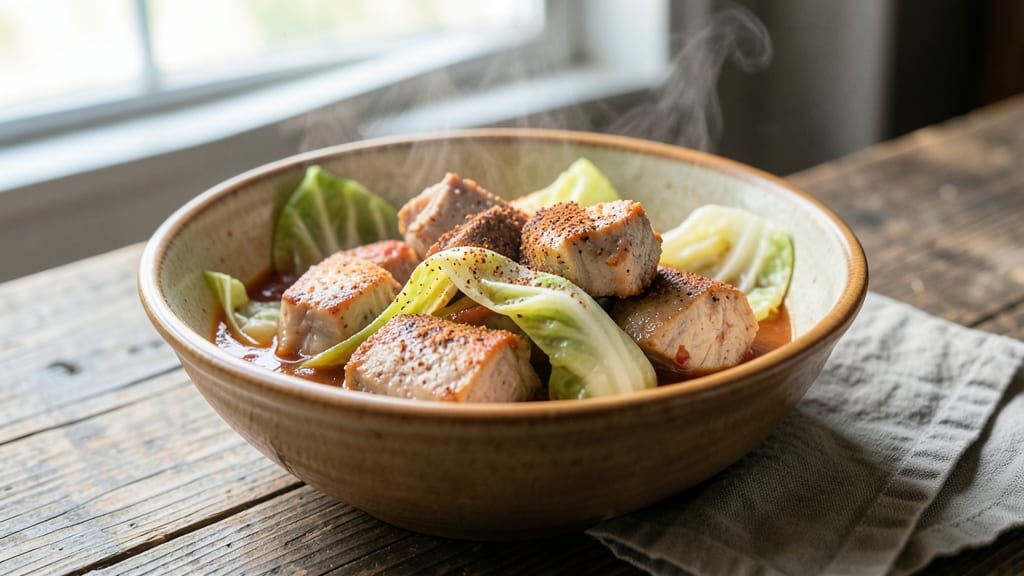
This Bulgarian pork and cabbage recipe brings the hearty flavors of the Balkans to your table with tender pork and cabbage simmered in a rich tomato-spiced sauce. 🌟 As someone who grew up surrounded by pork-centric Southern gatherings, I know how transformative a well-spiced stew can be—this one delivers deep, savory notes that make every bite satisfying.
The secret lies in slow-cooking the pork until it's fork-tender while letting the cabbage soften just enough to absorb all that flavorful broth.
Traditionally, Bulgarian cooks prepare this dish with a blend of spices that includes paprika, black pepper, and bay leaves, creating a warm, aromatic base. The pork, often cut into chunks or even left as a whole shoulder, becomes melt-in-your-mouth tender after hours of simmering.
This method ensures the meat stays juicy while the cabbage develops a subtle sweetness that balances the dish perfectly. The result is a stew that's hearty enough for a family dinner but simple enough for a weeknight meal.
What makes this recipe truly special is its versatility. Serve it with a side of crusty bread to soak up the rich sauce, or pair it with a dollop of yogurt sauce for a refreshing contrast.
The flavors deepen as it sits, making it even better the next day—ideal for meal prep or leftovers. Whether you're cooking for a crowd or treating yourself to a comforting meal, this Bulgarian pork and cabbage stew delivers restaurant-quality results with minimal effort.
For those who love exploring regional cuisines, this dish offers a taste of Bulgaria's rich culinary traditions. The combination of pork, cabbage, and spices creates a harmonious balance that's both familiar and exciting.
Once you try it, you'll understand why this stew has been a staple in Bulgarian homes for generations. Let's get cooking!
Ingredients for bulgarian pork and cabbage
Pork shoulder, cabbage wedges, and bold spices come together for a hearty Bulgarian stew.
| Ingredient | Amount | Notes |
|---|---|---|
| Pork Shoulder 🥩 | 3 lb | Bone-in for best flavor |
| Green Cabbage 🥬 | 2 lb | Whole head, cut into wedges |
| Tomato Paste 🍅 | ½ cup | Squeeze tube or canned |
| Red Wine 🍷 | 1 cup | Bold dry variety preferred |
| Onions 🧅 | 2 whole | Yellow or red, chopped |
| Garlic Cloves 🧄 | 6 cloves | Minced for depth of flavor |
| Smoked Paprika 🌶️ | 2 tsp | Sweet or hot variety |
| Ground Black Pepper 🌶️ | 1 tsp | Freshly cracked preferred |
| Bay Leaves 🍃 | 2 whole | Fresh or dried |
| Olive Oil 🫒 | ¼ cup | Extra-virgin for richness |
| Salt 🧂 | 1 ½ tsp | Kosher or sea salt |
| Water 💧 | 2 cups | For simmering |
| Fresh Parsley 🌿 | ¼ cup | Chopped for garnish |
The pork shoulder is the star here—look for a piece with good marbling for juiciness. Costco or Trader Joe's usually have great deals on bone-in cuts, which stay more flavorful. If you can't find a whole shoulder, two pork chops or even pork ribs work in a pinch, but they'll cook faster. For the cabbage, green cabbage is traditional, but red adds a nice color contrast. Just make sure it's fresh—no slimy leaves. The tomato paste? Squeeze tubes are perfect for this recipe—no waste, and they keep forever. I grab mine at Walmart because it's cheap and reliable.
No red wine? Beef broth with a splash of balsamic vinegar works just as well. The paprika is non-negotiable—it gives that signature Bulgarian warmth. If you can't find smoked, regular paprika plus a pinch of liquid smoke does the trick. Fresh bay leaves are ideal, but dried are fine too (just halve the amount). Want to skip the wine entirely? Apple cider vinegar adds brightness. The onions and garlic can be swapped for shallots if you're feeling fancy, but I keep it simple with what I've got. And if your cabbage is wilting, soak it in cold water for 10 minutes to crisp it back up.
This stew tastes even better the next day—make extra! It keeps for 4-5 days in the fridge, and freezes beautifully for up to 3 months. I portion mine into containers with a splash of broth so it reheats perfectly. The sauce thickens as it cools, so add a splash of water when reheating. For serving, I always toss in fresh parsley at the end—it brightens up the whole dish. Leftovers? Perfect for sandwiches or over mashed potatoes.
Why You'll Love This Recipe
- One-Pot Magic: I swear by this recipe—just brown the pork, toss in chopped cabbage and onions, then let the wine and tomato paste work their sauce magic. No extra pots, no fuss, just hands-off cooking while you sip something cold.
- Deep, Rich Layers: That red wine simmering with tomato paste? It builds a sauce so savory and slightly sweet, it sticks to every bite. The cabbage softens just enough to soak it up, while the pork stays juicy—like a hug in a bowl.
- Meal Prep MVP: Between us, this is my go-to for busy weeks. The flavors actually improve the next day (yes, even on a Tuesday night), and it reheats like a dream. Pack it for lunches or freeze portions—no one will guess it’s not fresh.
- Budget-Friendly Feast: Pork shoulder stretches forever, and cabbage is dirt cheap. A bottle of wine and a small can of tomato paste turn this into a hearty, filling meal that feeds four for under $15. My wallet and my family thank me every time.
Step-by-step instructions for Bulgarian pork and cabbage stew
Here's how to create this hearty, tomato-spiced Bulgarian classic with melt-in-your-mouth pork.
🔥 Step 1: Sear the Pork Shoulder for Deep Flavor
Pat the 3 lb pork shoulder dry with paper towels and cut it into 2-inch chunks. Heat 0.25 cup olive oil in a large Dutch oven over medium-high heat until shimmering. Working in batches, add the pork and sear for 3-4 minutes per side until deep golden brown with crispy edges.
Here's the thing—don't rush this step. You want that beautiful crust that'll carry all those smoky flavors. Remove the pork and set it aside on a plate. If the oil isn't hot enough, the pork will steam instead of sear. You'll know it's ready when you see those perfect golden spots.
👨🍳 Step 2: Build the Tomato-Spice Base
In the same Dutch oven, add the 2 chopped whole onions and cook for 5-6 minutes until softened and lightly caramelized. Stir in the 6 minced garlic cloves and cook for 30 seconds until fragrant—don't let it burn, just wake up those flavors.
Reduce heat to medium and add the 0.5 cup tomato paste, 2 tsp smoked paprika, 1 tsp ground black pepper, and 1.5 tsp salt. Stir vigorously for 2 minutes until the paste darkens and thickens. This creates the rich, spiced base that'll infuse the pork.
🍳 Step 3: Deglaze and Simmer the Stew
Pour in the 1 cup red wine and scrape up all those browned bits from the bottom of the pot—this is where all the flavor lives. Let it simmer for 3-4 minutes until reduced by half. Add the 2 whole bay leaves and 2 cups water, then return the pork to the pot.
Bring to a gentle boil, then reduce heat to low and cover partially. Let it simmer for 1 hour 30 minutes, turning the pork occasionally, until it's fork-tender. The sauce should be thick and rich, coating the pork beautifully. If it gets too thick, add a splash of water.
🥘 Step 4: Add the Cabbage and Finish Cooking
Cut the 2 lb green cabbage into 8 wedges, keeping the core intact. Arrange them in the pot around the pork, cut-side down. Cover and simmer for another 30-45 minutes until the cabbage is tender but still holding its shape and the pork is falling apart easily.
Here's where it gets good—the cabbage should be just tender enough to pierce with a fork but still have some bite. The pork should be so tender it practically melts in your mouth. If the liquid reduces too much, add a little more water to keep everything moist.
🍽️ Step 5: Garnish and Serve Warm
Remove the bay leaves and discard them. Stir in the 0.25 cup chopped fresh parsley just before serving. The bright green color contrasts beautifully with the deep red sauce and golden pork. Ladle the stew into bowls, making sure each serving gets generous portions of both pork and cabbage.
This dish tastes even better the next day as the flavors meld together. Serve with warm crusty bread to soak up all that delicious sauce. The combination of tender pork, slightly sweet cabbage, and rich tomato-spice sauce makes this a true comfort food winner.
Pro Tips For Making Bulgarian Pork And Cabbage
- Sear the Pork First: That pork shoulder won’t render fat properly if you just toss it in cold. Hit it with a hot, oiled pan until deep brown—about 5 minutes per side—before adding anything else. I learned this the hard way when my first batch turned out dry; the crust locks in moisture as it braises.
- Shred the Cabbage Coarse: No need for fine julienne—chunky 1-inch strips keep the texture satisfying. Over-shredding makes it mushy, and you’ll regret it when the dish turns into a watery stew. Think "handfuls" not "confetti."
- Deglaze with Wine Early: Don’t wait until the end to add the red wine—pour it in right after searing the onions and tomato paste. That way, the alcohol burns off slowly, deepening the flavor instead of just adding a boozy afterthought. (Yes, it smells like a bar at first—that’s the point.)
- Skip the Crowded Pot: Pork shoulder needs room to breathe. If you pile everything in at once, the cabbage will steam instead of caramelize. Brown the pork first, then layer the cabbage loosely on top—it’ll settle as it cooks, but not so much it turns soggy.
Serving suggestions for this recipe
Crusty Bread Pairing
Nothing complements this stew like a warm, crusty loaf of bread to soak up that rich tomato-spiced sauce. I love using a sourdough or rustic Italian bread—their dense texture holds up perfectly while absorbing all the flavors.
For extra authenticity, try a Bulgarian-style lepinja (a traditional flatbread) if you can find it at specialty stores. 🥖
Pro tip: Toast your bread lightly before serving—it crisps up beautifully and prevents sogginess. If you're feeling fancy, brush the toasted bread with garlic-infused olive oil and sprinkle with flaky sea salt before serving. The contrast of warm bread against the hearty stew is pure comfort food magic.
Yogurt Sauce Contrast
A dollop of Bulgarian yogurt sauce (similar to tzatziki) adds a refreshing contrast to the rich stew. Mix ½ cup plain yogurt with 1 tbsp chopped dill, 1 tbsp minced garlic, 1 tbsp lemon juice, and a pinch of salt.
Serve it on the side or spoon it directly into the stew bowl for a bright, cooling element. 🥛
For extra depth, stir in 1 tsp grated cucumber or a few drops of hot sauce to balance the richness. This sauce is especially good if you're serving the stew during hot summer months or if you have spicy heat lovers at your table.
Pickled Vegetable Garnish
Brighten the dish with quick-pickled red onions or carrots—just thinly slice ½ red onion and 1 carrot, then soak in ½ cup vinegar, 1 tbsp sugar, and a pinch of salt for 15 minutes.
The tangy crunch cuts through the richness of the pork and cabbage beautifully. 🥕
You can also use pickled jalapeños for heat lovers, or cornichons for a French-Bulgarian fusion twist. These pickled veggies add a pop of color and acidity that makes every bite more dynamic.
Warm Potato Side
For a heartier meal, serve this stew alongside creamy mashed potatoes or roasted baby potatoes. Toss 1 lb baby potatoes in 2 tbsp olive oil, 1 tsp smoked paprika, and salt, then roast at 400°F for 30 minutes until golden and crispy.
The starchy potatoes balance the richness of the stew perfectly. 🥔
If you're short on time, instant potatoes work in a pinch—just stir in 2 tbsp sour cream and 1 tbsp butter for extra creaminess. This side is especially comforting on chilly evenings.
Fresh Herb Finishes
Before serving, garnish each bowl with fresh parsley, dill, or even chopped cilantro for a burst of freshness. I often mix 1 tbsp chopped parsley with 1 tsp chopped dill for a herbaceous finish that brightens the dish.
The contrast of fresh herbs against the deep, spiced flavors is what makes this stew feel restaurant-quality. 🌿
For a smoky touch, sprinkle with crumbled feta cheese or toasted pine nuts just before serving. These finishing touches elevate the dish from homey to impressive without much effort.
Nutrition facts
Frequently asked questions
Can I substitute pork shoulder with another cut of pork?
For a quicker cooking time, use pork chops or pork ribs—they'll cook in about 20-25 minutes instead of the full 2 hours. If using bone-in ribs, cut them into 2-inch pieces for even cooking. For a richer flavor, try pork belly, but reduce the cooking time to 1 hour since it's more tender. Just be sure to adjust the liquid and simmering time accordingly.
Why does my Bulgarian pork and cabbage stew taste bland?
Blandness usually comes from two things: under-seasoning or overcooking. First, check your spices—make sure you're using smoked paprika (not regular) and freshly cracked black pepper. Second, don't overcook the cabbage—it should be tender but still hold its shape. For extra depth, add 1 tsp Worcestershire sauce or 1 tbsp balsamic vinegar to the sauce at the end. Simmering too long can also dilute the flavors, so keep the heat at a gentle simmer.
Can I make this recipe in an Instant Pot or slow cooker?
Yes! For an Instant Pot, sear the pork first, then add all ingredients except the cabbage. Cook on high pressure for 45 minutes, then add the cabbage wedges and cook for an additional 10 minutes. For a slow cooker, follow the same steps but cook on low for 6-7 hours or high for 3-4 hours. The key is to avoid overcooking the cabbage—it should stay slightly firm. Both methods work well, but the Instant Pot gives you more control over timing.
What's the best way to store and reheat leftovers?
Store leftovers in an airtight container in the fridge for up to 5 days or freeze for 3 months. To reheat, add a splash of water or broth to prevent drying out, then warm on the stove over medium-low heat until bubbly. Microwaving works too, but cover with a damp paper towel to retain moisture. The flavors actually improve the next day as the spices meld together—this stew tastes even better reheated!
How can I make this dish vegetarian?
Swap the pork for extra-firm tofu, mushrooms, or smoked tempeh for a meaty texture. Press the tofu to remove excess water, then marinate it in 1 tbsp soy sauce, 1 tsp smoked paprika, and 1 tsp garlic powder for 30 minutes before cooking. Use vegetable broth instead of water and add 1 tbsp tomato paste to deepen the flavor. The cabbage and spices will still shine, creating a hearty vegetarian version that's just as satisfying.