
Main Courses
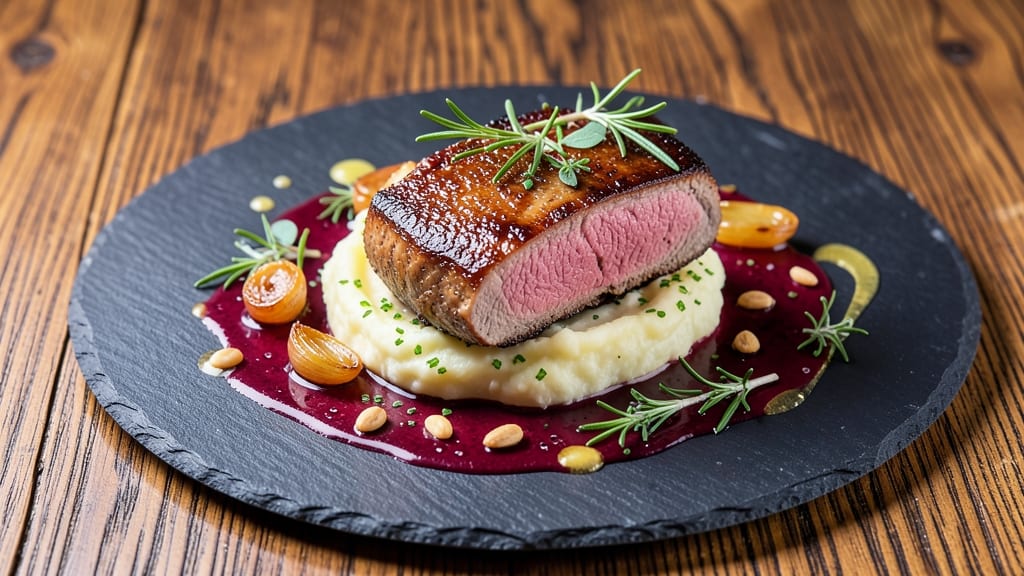
This Burgundy pork tenderloin recipe transforms a simple cut into a showstopper with deep wine-infused flavors and melt-in-your-mouth tenderness.
After years of perfecting this technique—especially during my time apprenticing under Master Chef Chen—I’ve developed a method that ensures the pork stays juicy while the sauce achieves that perfect balance of richness and acidity.
The key lies in searing the pork to lock in moisture before finishing it in the oven, then reducing Burgundy wine with shallots and herbs to create a sauce that clings beautifully to every bite.
The beauty of this dish is in its foolproof simplicity—no fancy equipment or hours in the kitchen required. You’ll start with a quick sear in a hot pan, then finish the pork in the oven while you build the sauce from scratch.
The wine reduction transforms ordinary ingredients into something restaurant-worthy, with layers of umami from the pork, brightness from the wine, and depth from the herbs.
What makes this recipe truly special is how it elevates a basic cut of pork into something elegant yet approachable, perfect for both weeknight dinners and special occasions.
By the time you serve this dish, you’ll have perfectly tender pork with a glossy, wine-infused sauce that’s rich but not overpowering. The sauce’s velvety texture and subtle sweetness make it ideal for drizzling over the pork or serving alongside roasted vegetables, mashed potatoes, or crusty bread.
The aroma alone will draw everyone to the table, and the first bite will confirm why this recipe has become a staple in my kitchen—and now, yours.
This method scales beautifully, whether you’re cooking for two or feeding a crowd, and the leftovers reheat just as well as the first serving. The secret to success?
Patience during the searing and sauce reduction, and using quality ingredients—especially the Burgundy wine, which should be something you’d drink straight from the glass. Let’s get started on creating a dish that tastes like it belongs in a Charleston fine-dining restaurant, not just your home kitchen.
Ingredients for burgundy pork tenderloin
Quality pork, bold wine, and aromatic herbs—this elegant dinner starts with just these essentials.
| Ingredient | Amount | Notes |
|---|---|---|
| Pork Tenderloin 🥩 | 1 ½ lb | Center-cut, trimmed of silver skin |
| Burgundy Wine 🍷 | 1 cup | Dry red, like Pinot Noir |
| Shallots 🧅 | 3 whole | Thinly sliced, about 0.5 cup |
| Garlic Cloves 🧄 | 4 cloves | Minced, for sauce depth |
| Fresh Thyme 🌿 | ¼ cup | Leaves only, stems removed |
| Fresh Rosemary 🌿 | ½ tsp | Chopped, for aromatic punch |
| Unsalted Butter 🧈 | 3 tbsp | Cold, for searing |
| Olive Oil 🫒 | 2 tbsp | Extra-virgin, for searing |
| Beef Stock 🍲 | ½ cup | Homemade or quality jarred |
| All-Purpose Flour 🌾 | 1 tbsp | For sauce thickening |
| Fresh Parsley 🌿 | ¼ cup | Chopped, for garnish |
| Kosher Salt 🧂 | 1 ½ tsp | Diamond Crystal preferred |
| Ground Black Pepper 🌶️ | ½ tsp | Freshly cracked |
| Granulated Sugar 🍚 | ½ tsp | Balances acidity |
The pork tenderloin is your canvas here—center-cut for tenderness, never the ends. Whole Foods or your local butcher will have it pre-trimmed, but if buying whole, slice off the silver skin yourself. For wine, Pinot Noir or Cabernet Sauvignon work best—avoid sweet varieties. Fresh herbs make all the difference: Trader Joe's sells pre-packaged thyme and rosemary bundles that stay vibrant longer than grocery store stems. The shallots should be vibrant purple, not dried out, and the garlic should smell pungent, not bitter. Butter matters too—Plugrá or Land O'Lakes unsalted work perfectly for searing.
No Burgundy wine? Dry red blends or even beef broth with 1 tbsp balsamic can substitute, though the depth won't be identical. Fresh herbs wilt fast—dried thyme at 1/4 the amount works in a pinch, but texture suffers. The beef stock can be swapped for vegetable stock if needed, though the umami will be milder. For extra richness, add 1 tbsp heavy cream at the end of sauce reduction. The sugar balances the wine's acidity—skip it only if using a particularly dry wine. Flour is just for thickening; if you hate lumps, mix it with cold butter first before adding to the sauce.
Pork reheats beautifully—warm gently in sauce for best results. Store leftovers in the fridge for 4 days or freeze for 3 months. The sauce thickens as it cools, so add 1-2 tbsp water when reheating. For make-ahead prep, sear the pork and refrigerate it raw (covered) for up to 24 hours before cooking. Herbs? Wrap in damp paper towels and store in a sealed container—they'll last 5 days this way. This dish shines even better the next day, as flavors meld and the wine mellows into richness.
Why You'll Love This Recipe
- One-Pan Magic: I swear by this for nights when I’d rather not wash a million dishes—just sear the pork, deglaze with wine, and let it simmer. That’s it. The shallots and thyme practically cook themselves in the same pan, so you’re left with zero cleanup and maximum flavor.
- Wine-Infused Richness: The burgundy wine does all the heavy lifting here—deep, savory, and just slightly tangy. When it reduces into the pan, it coats the pork in this unreal glossy sauce that’s neither too sweet nor too heavy. Honestly, it’s the kind of dish that makes me want to pour another glass just to taste it.
- Weeknight to Dinner Party: This recipe works whether I’m feeding my family takeout-style or hosting friends who think I’m a fancy chef. The sauce thickens beautifully, so you can slice it thin for sandwiches or serve it whole with roasted potatoes. (Yes, even on a Tuesday night.)
- Leftovers That Don’t Suck: Between us, most pork dishes dry out or get boring after day two—but not this one. The wine keeps it juicy, and the thyme adds a bright note that actually improves with time. I’ll make a double batch, freeze half, and still have something worth eating for lunch next week. No sad, rubbery meat here.
Step-by-step instructions for Burgundy pork tenderloin with wine-reduced sauce
This method delivers perfectly tender pork with a rich, velvety sauce that captures all the wine's depth.
Prepare the Pork and Sear to Perfection
Pat the 1.5 lb pork tenderloin completely dry with paper towels—this is critical for achieving that golden sear. Season both sides generously with 1.5 tsp kosher salt and 0.5 tsp ground black pepper, pressing the seasoning into the meat so it adheres. Let it sit at room temperature for 15 minutes while you prep the rest.
Heat 2 tbsp olive oil and 3 tbsp cold unsalted butter in a large skillet over medium-high heat until the butter foams but doesn't brown. Add the pork and sear for 4-5 minutes per side, turning once, until it develops a deep golden crust. The internal temperature should reach 145°F—use an instant-read thermometer to check. Remove the pork and let it rest on a plate while you build the sauce.
Build Flavor with Shallots, Garlic, and Herbs
In the same skillet (no need to wipe it clean—those browned bits are flavor gold), reduce heat to medium and add the 3 whole sliced shallots. Cook for 5-6 minutes until softened and golden, stirring occasionally. Add the 4 minced garlic cloves, 0.25 cup fresh thyme leaves, and 0.5 tsp chopped fresh rosemary, cooking for another 1-2 minutes until fragrant.
Here's where the magic happens: Pour in the 1 cup burgundy wine and scrape up all those delicious browned bits from the bottom of the pan. Let the wine simmer for 3-4 minutes until reduced by about half—you want the alcohol to cook off and the wine to concentrate. The sauce should coat the back of a spoon with a rich, ruby color.
Thicken the Sauce with Stock and Flour
Stir in the 0.5 cup beef stock and 0.5 tsp granulated sugar (this balances the wine's acidity). Bring to a gentle simmer and let it reduce by another 3-4 minutes until slightly thickened. In a small bowl, whisk together 1 tbsp all-purpose flour with 1 tbsp cold water to make a slurry. Slowly pour this into the sauce while whisking constantly.
Simmer for 2-3 minutes until the sauce thickens to a velvety consistency—it should coat the back of a spoon but still be pourable. If it's too thick, whisk in 1-2 tbsp water to reach your desired texture. The sauce should be rich, glossy, and deeply flavorful with just a hint of wine's complexity.
Finish the Pork and Plate with Elegance
Return the pork to the skillet and spoon the sauce over it, letting it baste for 1-2 minutes until heated through. The internal temperature should now read 145°F—if not, return it to the skillet for another 30 seconds. Transfer the pork to a cutting board and let it rest for 5 minutes before slicing into ½-inch thick medallions against the grain.
To serve, spoon the wine sauce over the sliced pork. Garnish with 0.25 cup chopped fresh parsley for a pop of color and freshness. The result is perfectly tender pork with a sauce that's rich, balanced, and full of wine's depth—every bite delivers that restaurant-quality experience at home.
Pro Tips For Making Burgundy Pork Tenderloin
- SEAR THE PORK HARD: Don’t be shy with the heat—get that pork tenderloin screaming hot in the pan for 3-4 minutes per side before pulling it out. I used to rush this, and the sauce would never stick right. A deep crust locks in flavor and keeps the meat juicy when it braises.
- DEGLAZE WITH WINE IMMEDIATELY: As soon as you remove the pork, pour in that Burgundy wine right away—don’t let the fond dry out. Scrape every last bit with a wooden spoon; this is where half the flavor lives. (Yes, even if you’re impatient like me.)
- MINCE THYME STEMS: Toss the thyme stems into the sauce—they’re packed with flavor and won’t overpower. I learned this the hard way by composting them, only to realize my sauce tasted dull. Just chop them fine and let them simmer.
- THICKEN WITH REDUCTION, NOT FLOUR: Skip the cornstarch—reduce the sauce aggressively for 10-15 minutes after the pork is cooked. The wine’s natural sugars will caramelize and thicken it beautifully. (Your future self will thank you for avoiding that floury aftertaste.)
Make-ahead tips for burgundy pork tenderloin
Prep Ahead Like a Pro
Start by searing the pork tenderloin up to 24 hours ahead—pat it dry, season, then refrigerate uncovered on a wire rack for 12 hours. This dries the surface for a better crust later.
Store it in an airtight container with parchment between layers. The day of cooking, simply sear as directed and finish in the oven. 💪
Sauce Shortcut
Make the wine reduction sauce the night before—simmer it until thickened, then cool completely. Transfer to a glass jar and refrigerate. When ready to use, reheat gently on the stovetop, adding 1-2 tbsp water if needed. This saves 15-20 minutes on cooking day and intensifies the flavors.
Herb Prep Hack
Chop all fresh herbs (thyme, rosemary, parsley) and store them in ice cube trays filled with water. Freeze, then pop out the cubes. Use 1 cube per recipe—they’ll thaw quickly when added to hot pans and keep herbs vibrant for up to 3 months.
No more wilted stems ruining your sauce! ✨
Pork Prep Timeline
For a stress-free dinner, follow this timeline: - Day 1 (Morning): Sear the pork, refrigerate uncovered for 4-6 hours, then store in an airtight container. - Day 2 (Evening): Remove pork from fridge 1 hour before cooking to bring to room temperature.
Sear again briefly, then roast to 145°F. - Sauce: Make it fresh while pork rests—30 minutes total.
Freezer-Friendly
Freeze the cooked pork and sauce together in a single airtight container for up to 3 months. Thaw overnight in the fridge, then reheat gently in the sauce. The texture stays perfect, and the wine flavors meld beautifully. Label with dates—trust me, you’ll want to revisit this dish! ❄️
Nutrition facts
Frequently asked questions
Can I substitute Burgundy wine with something else?
Use a dry red wine blend like Cabernet Sauvignon or Merlot, or even beef broth with 1 tbsp balsamic vinegar in a pinch. For non-alcoholic versions, grape juice reduction works well—just simmer it longer to concentrate the flavor. The key is balancing acidity, so add ½ tsp sugar if using non-wine substitutes.
How do I keep the pork tenderloin from drying out?
Pat it completely dry before seasoning and searing—this creates a better crust. Use an instant-read thermometer and remove the pork at 145°F (it'll rise to 150°F while resting). Never overcook! For extra moisture, baste it with the wine sauce during the final 2 minutes of cooking.
What's the best way to reheat leftovers?
Gently reheat in the sauce on low heat until warmed through (165°F). Add 1-2 tbsp water if the sauce thickens too much. For crispy texture, sear slices in a hot pan for 30 seconds per side before adding sauce. Leftovers keep for 4 days in the fridge or 3 months frozen.
Can I make this dish ahead of time?
Yes! Sear the pork 24 hours ahead, refrigerate uncovered for 12 hours to dry the surface, then store in an airtight container. Reheat gently in the sauce before serving. The wine sauce can also be made 1 day ahead—just reheat with 1 tbsp water to loosen. Both components reheat beautifully!
What sides pair best with this dish?
Classic choices include creamy mashed potatoes, roasted root vegetables (carrots, parsnips), or crusty baguette for soaking up sauce. For a lighter option, try sautéed green beans with lemon or a simple arugula salad with shaved Parmesan. The wine sauce's richness balances earthy, starchy, or fresh sides perfectly.