
Main Courses
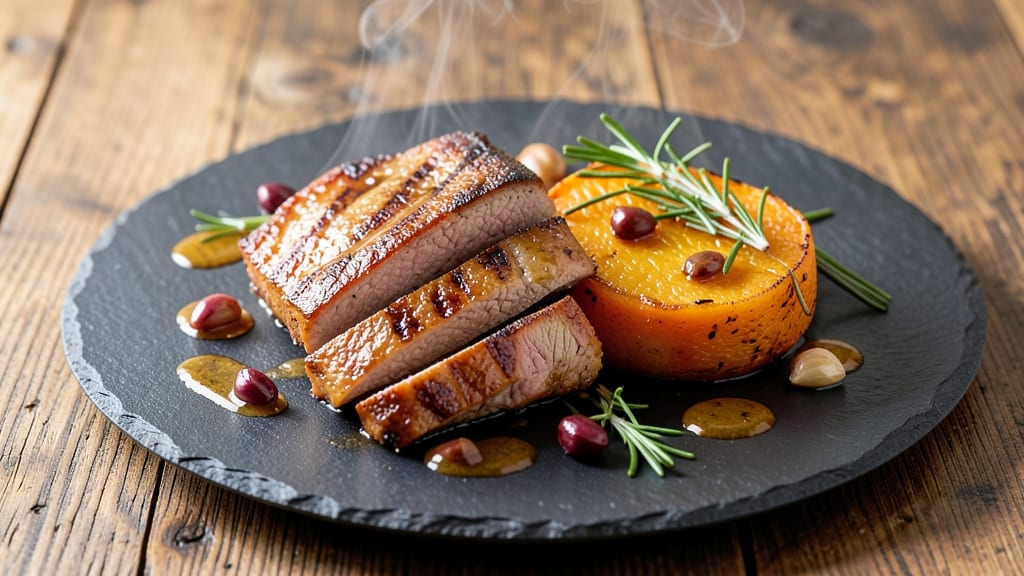
This butternut squash and pork tenderloin recipe delivers a perfect marriage of tender pork and caramelized sweetness that transforms weeknight dinners into restaurant-worthy meals. 🔥 After years of perfecting this dish in my restaurant kitchen, I've simplified it for home cooks without sacrificing flavor—just a few key techniques make all the difference.
The secret lies in balancing the natural sweetness of the squash with the savory depth of herb-crusted pork, creating a harmony that's both elegant and approachable.
The pork tenderloin gets its signature crispness from a foolproof herb crust that seals in juices while developing a golden-brown exterior, while the butternut squash roasts until its edges caramelize into sweet, glass-like perfection.
What makes this recipe work is the timing—both components finish cooking at the same time, so you're not stuck waiting or dealing with overcooked meat. The result? A plate that's visually stunning with that beautiful contrast of creamy squash and crispy pork, all while delivering maximum flavor in every bite.
This dish comes together in about 45 minutes of active prep followed by hands-off roasting, making it perfect for weeknight dinners or special occasions. The herb crust on the pork adds layers of aromatic depth, while the squash's natural sweetness balances the savory notes beautifully.
Serve with a simple arugula salad or crusty bread to soak up every last bit of that rich pan sauce—trust me, you'll want to lick the plate clean.
What I love most about this recipe is how versatile it is—you can adjust the herbs in the crust based on what you have on hand, or swap the roasting method for grilling in warmer months.
The balance of textures and flavors makes it equally impressive served family-style or plated individually. Let's get cooking—this is one dish that always delivers when you need to impress.
Ingredients for butternut squash and pork tenderloin
Restaurant-quality ingredients for a showstopping weeknight meal—where tender pork meets caramelized sweetness.
| Ingredient | Amount | Notes |
|---|---|---|
| Pork Tenderloin 🥩 | 1 ½ lb | Center-cut for even cooking |
| Butternut Squash 🎃 | 2 lb | Medium-sized, peeled and cubed |
| Olive Oil 🫒 | ½ cup | Extra-virgin for richness |
| Fresh Rosemary 🌿 | ¼ cup | Finely chopped, stems removed |
| Fresh Thyme 🌿 | ¼ cup | Leaves only, stems removed |
| Garlic Cloves 🧄 | 6 cloves | Minced for herb crust |
| Diamond Crystal Kosher Salt 🧂 | 1 ½ tbsp | For seasoning and crust |
| Freshly Ground Black Pepper 🌶️ | 1 tsp | Freshly cracked for flavor |
| Brown Sugar 🍯 | 2 tbsp | Lightly packed for caramelization |
| Honey 🍯 | 1 tbsp | Wildflower preferred |
| Balsamic Vinegar 🍷 | 1 tbsp | Aged for depth |
| Fresh Sage Leaves 🌿 | ⅛ cup | Whole leaves for garnish |
| Unsalted Butter 🧈 | 2 tbsp | Cold, cubed for crust |
The pork tenderloin is your star here, so prioritize center-cut—it's more tender and cooks evenly. Whole Foods or your local butcher carry the best cuts, but most grocery stores have it pre-trimmed. Look for good marbling (those little white streaks of fat) for extra juiciness. If you're buying a whole squash, medium-sized butternuts (about 2-3 lbs) work perfectly—they're easier to peel and cube than the giant ones. For the herbs, fresh is non-negotiable here. Trader Joe's has great pre-chopped rosemary and thyme if you're short on time, but I always grab whole stems and chop them myself for better flavor. The garlic? Freshly minced makes all the difference—don't use that pre-minced jar stuff.
No fresh rosemary? Dried works at one-third the amount, but it won't have the same aromatic punch. Short on thyme? Fresh oregano or marjoram are good swaps, though the flavor profile shifts slightly. The brown sugar and honey combo is what caramelizes that squash to perfection—don't substitute white sugar, it won't develop the same depth. For the balsamic, aged 25+ years adds complexity, but regular grocery store balsamic will work in a pinch. The butter for the crust? Cold and cubed is key—it creates that perfect crisp. If you're out, coconut oil works too, though the flavor will be slightly different.
Pork tenderloin stays fresh 3-4 days in the fridge, but use it within 2 days for best texture. Squash keeps 1 week unpeeled, but once cut, store it airtight for 3-4 days. The herb crust mixture (butter, garlic, herbs, salt) can be prepped ahead and stored 2 days in the fridge—just bring it to room temp before using. This dish reheats beautifully—350°F for 10 minutes brings it back to life. I always make extra because the leftovers are even better the next day—perfect for quick lunches or dinner reheats.
Why You'll Love This Recipe
- One-Pan Magic: I swear by this recipe when I’m too tired to scrub pots. Toss the cubed squash and pork on a sheet pan with olive oil, rosemary, and thyme—no chopping boards, no mess. The squash caramelizes while the pork sears, and honestly? That’s my kind of dinner.
- Herb-Packed Pork: The rosemary and thyme cling to the pork like it’s their job, giving every bite this earthy, aromatic punch. Between us, I’ve tried store-bought seasonings, but fresh herbs? That’s the difference between “meh” and “I’ll have seconds.”
- Weeknight to Weekend: Works for busy nights (toss in some potatoes for extra volume) and fancier dinners (add a drizzle of honey and balsamic at the end). My college-aged son even asked for it at Thanksgiving—proof it’s not just a Tuesday night fix.
- Leftovers That Don’t Suck: The pork stays tender for days, and the squash reheats like a dream (microwave or oven, no judgment). I’ll be real: I’ve eaten this cold in a wrap the next day, and it’s still spot-on. Budget-friendly? Check. Zero food waste? Double check.
Step-by-step instructions for butternut squash and pork tenderloin
Here's how to balance sweet caramelized squash with perfectly herb-crusted pork.
👨🍳 Step 1: Prep the Pork with Herb Butter Crust
Pat the 1.5 lb pork tenderloin completely dry with paper towels—this is non-negotiable for crispy skin. In a small bowl, mix together the 2 tbsp unsalted butter (cold and cubed), 2 tbsp brown sugar, 1 tbsp honey, 1 tbsp balsamic vinegar, 1.5 tbsp diamond crystal kosher salt, 1 tsp freshly ground black pepper, 6 cloves minced garlic, 0.25 cup finely chopped fresh rosemary, and 0.25 cup fresh thyme. Rub this mixture all over the pork, pressing firmly so it adheres. Let it sit at room temperature for 15 minutes—this ensures even cooking and maximum flavor penetration.
While the pork rests, preheat your oven to 400°F. Place the pork on a wire rack set over a baking sheet (the rack allows air circulation for crispy skin). Here's the thing—don't skip the rack. Without it, the pork will steam instead of sear.
🔥 Step 2: Roast the Pork to Perfect Medium-Rare
Roast the pork for 20-25 minutes, until the internal temperature reaches 145°F (use a meat thermometer for accuracy). You'll know it's ready when the crust is deep golden brown and the pork releases easily from the rack. The reason we stop at medium-rare is that pork continues cooking slightly as it rests, and overcooking leads to dry, tough meat. Real talk: if you cut into it too early, you'll lose precious juices.
Transfer the pork to a cutting board and let it rest for 10 minutes before slicing. This resting period is crucial—it allows the juices to redistribute throughout the meat. Tent loosely with foil to keep it warm while you prepare the squash.
🍳 Step 3: Caramelize the Butternut Squash
While the pork rests, heat 0.25 cup olive oil in a large oven-safe skillet over medium heat. Add the 2 lb cubed butternut squash in a single layer, ensuring the pieces aren't crowded. Cook undisturbed for 5-7 minutes until the squash develops golden brown spots. This initial searing builds flavor and prevents soggy squash.
In a small bowl, whisk together the remaining 0.25 cup olive oil, 1 tbsp honey, and 1 tbsp balsamic vinegar. Pour this mixture over the squash and toss gently to coat. Transfer the skillet to a 425°F preheated oven and roast for 20-25 minutes, until the squash is tender when pierced with a fork and the edges are caramelized. The squash should have a beautiful glossy sheen from the honey-balsamic glaze.
🥘 Step 4: Finish with Fresh Herbs and Garnish
Remove the squash from the oven and sprinkle with 0.125 cup fresh sage leaves. Toss gently to distribute the herbs evenly. Meanwhile, slice the rested pork into ½-inch thick medallions. Arrange the pork and squash on a serving platter, drizzling any pan juices from the pork over the top for extra flavor.
Here's where it gets fun—garnish with additional fresh rosemary sprigs and thyme leaves for a pop of color and aroma. Serve immediately while the pork is still juicy and the squash is warm. The contrast of tender, herb-crusted pork with sweet, caramelized squash makes this dish truly special.
Pro Tips For Making Butternut Squash And Pork Tenderloin
- SEAR THE PORK HOT: Get your pan screaming hot—think smoke starting to curl—before adding the pork tenderloin. I used to rush this and ended up with steamed pork instead of a flavorful crust. A quick 3-4 minute sear on both sides locks in juices and builds that caramelized base for the squash to soak up later.
- PEEL THE SQUASH SMART: Skip the tedious peeling by cutting the squash in half, scooping out the seeds, then running a spoon along the flesh to pop off the skin—no knife required. The skin’s tough to bite through anyway, and you’ll save 10 minutes of frustration. Just make sure to cut off any bumpy bits where the skin’s thick.
- DON’T OVERCROWD THE PAN: If you’re roasting the squash and pork together, spread them out in a single layer—no overlapping. I learned this after my first batch turned out soggy because the squash steamed instead of roasting. A crowded pan = sad, soft squash. Give everything room to crisp.
- SALT THE PORK TWICE: Season the tenderloin generously before searing, then again after it’s roasted. The first layer dissolves into the meat as it cooks, but the second layer—applied while it’s still warm—sticks to the surface and makes a real difference in flavor. Yes, even if you’re impatient like me.
Best sauces and condiments for this butternut squash and pork tenderloin
Honey-Balsamic Glaze
This simple but transformative glaze ties the dish together with its perfect balance of sweet and tangy notes. I combine 2 tbsp honey with 1 tbsp aged balsamic vinegar and whisk until smooth—this ratio creates the ideal harmony.
Brush it over the roasted squash during the final 5 minutes of cooking to intensify the caramelization. 🍯 For extra depth, add ½ tsp Dijon mustard to the glaze for a subtle tang.
Creamy Sage Butter Sauce
After roasting the pork, I save the pan drippings and whisk them with 2 tbsp cold unsalted butter and 1 tbsp chopped fresh sage until emulsified. This sauce adds richness without overpowering the dish.
Serve it alongside the pork and squash for dipping or drizzling. For a lighter version, replace half the butter with ¼ cup heavy cream.
Herb-Infused Olive Oil
Heat ¼ cup extra-virgin olive oil with 1 tbsp minced garlic and 1 tsp dried oregano until fragrant. Drizzle this aromatic oil over the finished dish for an extra layer of flavor. I like to use this for both the squash and pork, adding it after roasting to maintain crispness.
Store any leftover oil in a glass jar in the fridge for up to 2 weeks.
Spiced Apple Butter
For a fall-inspired twist, warm 2 tbsp unsweetened apple butter with ½ tsp ground cinnamon and ¼ tsp cayenne pepper. Spoon this over the squash before serving—it adds a warm, slightly spicy contrast to the savory pork.
I recommend Mott's Unsweetened for the best texture. This works especially well if you're serving the dish with a side of wild rice.
Crispy Onion Jam
Caramelize ½ cup thinly sliced yellow onions in 1 tbsp butter until golden, then add 1 tbsp brown sugar and 1 tsp apple cider vinegar. Simmer until thickened into a jam-like consistency.
Spoon this over the pork slices for a sweet, jammy contrast that pairs beautifully with the squash. Store leftovers in the fridge for up to 5 days.
Lemon-Herb Crème Fraîche
Mix ¼ cup crème fraîche with 1 tbsp fresh lemon juice, 1 tbsp chopped dill, and a pinch of salt. This bright, tangy sauce cuts through the richness of the pork and adds a refreshing finish.
I like to serve it on the side for dipping or dolloped over the squash. For a dairy-free option, use coconut yogurt instead.
Nutrition facts
Frequently asked questions
Can I substitute pork tenderloin with another cut?
For this recipe, pork tenderloin is ideal because of its lean texture and quick cooking time. However, you could use bone-in pork chops (increase cook time by 5-7 minutes) or pork loin roast (adjust for 1.5 lbs total). Avoid fatty cuts like ribs or shoulder—they'll release too much fat and require different seasoning techniques. The herb crust works beautifully on any tender cut, though!
How do I prevent the pork from drying out?
Three key steps: Don't overcook (use a meat thermometer—145°F is perfect), rest the meat for 10 minutes before slicing, and pat it completely dry before seasoning. The herb butter crust also helps seal in juices. If your kitchen runs hot, reduce oven temp to 375°F and cook for 25-30 minutes instead.
Can I make this dish ahead of time?
The pork can be cooked and sliced up to 2 days ahead, then reheated at 350°F for 10 minutes. The squash reheats well too—store it separately and warm in a 350°F oven for 15 minutes. For best results, reheat both components separately and assemble just before serving. The herb crust stays crispy when reheated gently.
What's the best way to serve this dish?
This elegant pairing works beautifully with crusty bread for soaking up pan juices, a simple arugula salad with lemon vinaigrette, or mashed sweet potatoes for a heartier meal. For extra flair, drizzle with the creamy sage butter sauce from the instructions. The contrast of textures—crispy pork, creamy squash, and fresh greens—makes it a complete meal.
Why does my squash turn out mushy?
Overcrowding the pan or cutting the squash too small are the most common culprits. Always arrange squash pieces in a single layer and cut them 1.5-inch cubes (not smaller). Start with medium heat to develop color, then finish in the oven. The honey-balsamic glaze helps caramelize the edges—don't skip this step! If using pre-cut squash, pat it dry first to remove excess moisture.