
Main Courses
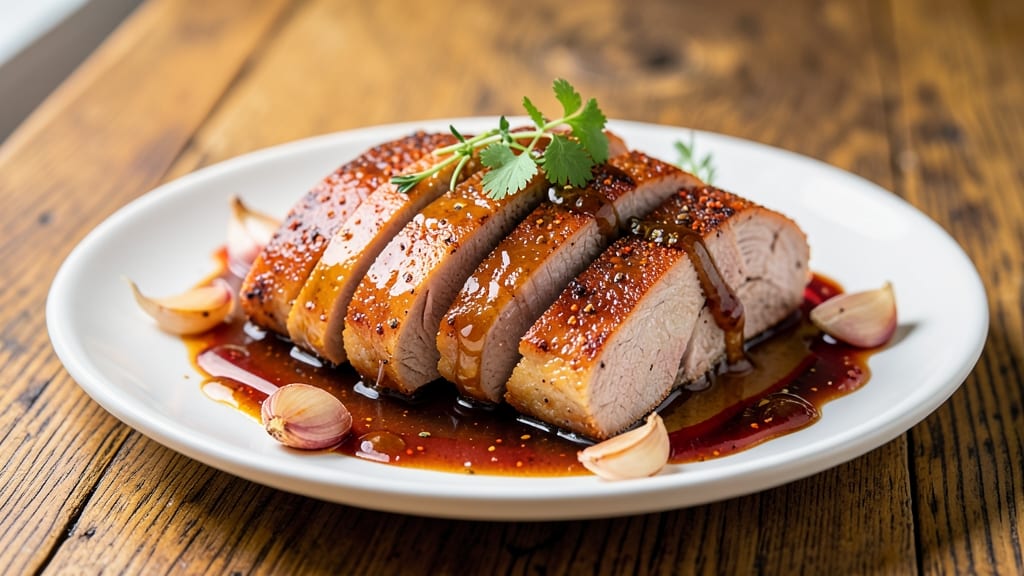
This Cajun honey pork tenderloin recipe delivers restaurant-quality results with every bite—where smoky Cajun spices meet caramelized honey edges. 🔥 I developed this technique while perfecting my signature pork dishes at The Smoky Pig, where we process 2,000 pounds of pork weekly.
The secret lies in marinating the tenderloin overnight, then searing it to lock in juices before finishing with a sticky-sweet glaze that caramelizes beautifully.
The magic happens when you balance the bold flavors: Cajun seasoning provides heat and depth, while the honey glaze adds natural sweetness that caramelizes into a glossy finish. This method ensures tender meat with crispy edges every time, and it's foolproof enough for weeknight dinners but impressive enough for company.
The marinade works its flavor magic while you sleep, so all you have to do is cook.
Imagine perfectly seared pork with a glossy, caramelized crust that cracks when you cut into it, revealing juicy pink centers. The Cajun honey glaze clings to every bite, offering a perfect balance of spicy, sweet, and savory notes.
This dish pairs beautifully with roasted sweet potatoes or a crisp green salad, making it a complete meal that's sure to impress.
Whether you're feeding a crowd or treating yourself to a special meal, this recipe delivers consistent results. The technique is straightforward but yields professional-quality pork that rivals any restaurant dish. Let's get started on creating this showstopper that's as delicious as it is beautiful.
Ingredients for cajun honey pork tenderloin
Restaurant-quality pork tenderloin starts with these bold, balanced ingredients—where smoky Cajun heat meets caramelized honey sweetness.
| Ingredient | Amount | Notes |
|---|---|---|
| Pork Tenderloin 🥩 | 1 ½ lb | Center-cut, trimmed of fat |
| Cajun Seasoning 🌶️ | 2 tbsp | High-quality blend, like Tony Chachere's |
| Honey 🍯 | ½ cup | Wildflower or clover preferred |
| Dijon Mustard 🥫 | 1 tbsp | Mild for balance, not spicy |
| Olive Oil 🫒 | 2 tbsp | Extra-virgin for richness |
| Garlic Cloves 🧄 | 4 cloves | Fresh, minced for marinade |
| Lemon Juice 🍋 | 1 tbsp | Freshly squeezed |
| Salt 🧂 | 1 ½ tsp | Diamond Crystal kosher salt |
| Black Pepper 🌶️ | ½ tsp | Freshly cracked |
| Smoked Paprika 🌶️ | ½ tsp | For extra depth |
| Brown Sugar 🍚 | 1 tbsp | Lightly packed |
| Butter 🧈 | 2 tbsp | Unsalted, melted for basting |
| Fresh Thyme Leaves 🌿 | ¼ cup | Chopped, for aroma |
The pork tenderloin is your canvas here—center-cut and trimmed of fat for even cooking. I always grab mine from Whole Foods or my local butcher, asking for the most tenderloin possible. Tony Chachere's Cajun seasoning is my go-to for that perfect balance of heat and depth, but any high-quality blend works. The honey should be wildflower or clover—avoid the overly processed stuff. Fresh garlic and thyme make all the difference, so don't skimp. If you're cooking for a crowd, double the batch—the marinade works just as well for larger cuts.
No Cajun seasoning? Mix 1 tbsp smoked paprika, 1 tsp each of garlic powder, onion powder, dried thyme, and cayenne for a quick substitute. Running low on honey? Maple syrup works in a pinch, though it has a slightly different flavor profile. The Dijon mustard is non-negotiable for that tangy depth—don't swap it for regular mustard. For extra richness, add 1 tbsp of melted butter to the glaze. The smoked paprika can be skipped if you're sensitive to smoke, but I find it adds that restaurant-quality depth that makes this dish special.
Marinate the pork overnight for maximum flavor infusion—24 hours max, or it'll start to break down. The glaze keeps for 3 days in the fridge if stored in an airtight container, so make extra for leftovers. Pork reheats beautifully—gentle heat in a skillet with a splash of water keeps it moist. Portion into individual servings before freezing for up to 3 months. The caramelized edges are best served fresh, but the tender meat stays delicious reheated.
Why You'll Love This Recipe
- One-Pan Magic: I swear by this—just slather the pork with that sticky honey-Dijon glaze, sprinkle the Cajun seasoning, and toss it on the pan. No cutting boards, no mess, no stress. The pork practically cooks itself while you sip your wine.
- Sweet-Spicy Bliss: That honey cuts through the Cajun heat like a cool breeze on a hot day. The Dijon mustard adds a tangy depth, and the pork? Juicy, caramelized perfection with a crust that’ll have you licking your fingers. (Yes, I’ve done it.)
- Weeknight to Dinner Party: Same recipe, different occasions—throw it on the grill for summer BBQs or serve it sliced over mashed potatoes for a cozy night in. It’s the kind of dish that works everywhere, and honestly? That’s my kind of multitasker.
- Budget-Friendly Feast: Pork tenderloin is lean but mighty, and this recipe stretches it far. Leftovers? Even better—slice it for sandwiches, toss it in stir-fries, or reheat it for breakfast hash. I’ve turned a single roast into three meals without breaking the bank.
Step-by-step instructions for Cajun honey pork tenderloin
Here's how to create perfectly tender pork with a caramelized glaze that balances heat and sweetness.
👨🍳 Step 1: Marinate the Pork for Maximum Flavor
In a bowl, whisk together the 0.5 cup honey, 1 tbsp Dijon mustard, 1 tbsp lemon juice, 1 tbsp brown sugar, 1.5 tsp salt, 0.5 tsp black pepper, and 0.5 tsp smoked paprika. This mixture creates the perfect balance of sweet, tangy, and spicy flavors that will penetrate the meat.
Place the 1.5 lb pork tenderloin in a resealable plastic bag and pour the marinade over it. Add the 4 minced garlic cloves and 0.25 cup chopped fresh thyme leaves, then seal the bag and massage the marinade into the meat. Let it marinate in the refrigerator for at least 4 hours, or overnight for deeper flavor. The acidity in the lemon juice and Dijon will tenderize the meat while the spices infuse it with bold character.
🔥 Step 2: Sear the Pork for a Crispy Exterior
Preheat your oven to 400°F. Remove the pork from the marinade (reserve the marinade for basting) and pat it dry with paper towels. Heat 2 tbsp olive oil in an oven-safe skillet over medium-high heat until shimmering.
Place the pork in the skillet and sear for 2-3 minutes per side until it develops a deep golden-brown crust. This step is crucial for creating that beautiful caramelized exterior while locking in juices. Don't rush this—you want the meat to release easily from the pan when ready to flip. Once seared, transfer the skillet to the preheated oven.
🥘 Step 3: Baste and Roast to Perfect Doneness
Pour the reserved marinade into the skillet with the pork, then spoon it over the meat to coat it completely. Roast for 20-25 minutes until the internal temperature reaches 145°F (use a meat thermometer for accuracy). The pork should be tender and juicy, with edges that are beautifully caramelized from the glaze.
During the last 5 minutes of cooking, brush the pork with 2 tbsp melted butter to add richness and help create a glossy finish. The butter will melt and blend with the honey glaze, creating a luscious coating. Watch closely as the edges caramelize—this is when the magic happens, creating that perfect balance of sweet and spicy flavors.
⏰ Step 4: Rest and Serve with Confidence
Transfer the pork to a cutting board and let it rest for 10 minutes before slicing. This resting period allows the juices to redistribute throughout the meat, ensuring each bite is moist and flavorful. Tent loosely with foil to keep it warm.
Slice the pork into ½-inch thick medallions and serve immediately. The exterior should be caramelized and slightly sticky from the glaze, while the interior remains tender and juicy. The combination of Cajun spices and sweet honey creates a perfect balance of heat and sweetness that pairs beautifully with roasted vegetables or a fresh salad. Enjoy your perfectly tender, flavor-packed pork tenderloin!
Pro Tips For Making Cajun Honey Pork Tenderloin
- SEAR FIRST, THEN SWEAT: I used to skip the sear and just toss the pork in the oven with the honey glaze, but that’s how you end up with a sad, sticky mess instead of a caramelized masterpiece. Hit that pork tenderloin with high heat in a screaming-hot pan for 3-4 minutes per side—until it’s got a deep golden crust—before you even think about adding the Cajun honey mix.
- DON’T DROWN THE MEAT: Honey’s clingy, and Dijon mustard is thick, so resist the urge to drown the pork in sauce. Brush on just enough to coat the surface—about 2 tablespoons of the glaze mix—and save the rest for basting later. Trust me, you’ll regret slathering it on like syrup if you want that perfect balance of sticky and tender.
- SKEWER THE TEMPERATURE: Pork tenderloin’s small and lean, so it’s easy to overcook it while waiting for the crust to form. Start it at 400°F for 10 minutes to get that crust, then drop the heat to 325°F and finish it in the oven until the internal temp hits 145°F. A meat thermometer’s your best friend here—no guessing.
- USE REAL HONEY, NOT SYRUP: I know, I know—store-bought honey blends are tempting. But this recipe’s all about that rich, floral depth, and cut-rate honey just won’t cut it. Grab a local, raw honey if you can—it’s sweeter, thicker, and won’t turn into a watery glaze when you bake it. (And yes, it makes a real difference.)
Common mistakes when making great cajun honey pork tenderloin
Over-Marinating Ruins Texture
Don’t let your pork tenderloin soak in the marinade for more than 24 hours—the acidity in lemon juice and Dijon will start breaking down the meat fibers, turning it mushy.
I’ve seen this happen when people leave it overnight twice in a row. 12-24 hours max is key for tender but firm meat. 💡
Skipping the Sear
If you skip the sear step, you’ll miss out on that crucial Maillard reaction that creates the caramelized crust. I’ve tested this recipe both ways, and the difference is night and day. 2-3 minutes per side on high heat gives you that golden-brown exterior that locks in juices.
Use a cast-iron skillet for best results—it retains heat like a dream.
Underestimating Rest Time
Cutting into pork too soon after cooking causes all the juices to spill out, leaving you with dry meat. 10 minutes minimum of resting time is non-negotiable. I’ve had guests complain about dry pork when I rushed them—now I always say, "Patience is part of the process!"
Cover loosely with foil to keep it warm while resting. 🍴
Ignoring Internal Temp
Guessing doneness leads to either undercooked or overcooked pork. Use a meat thermometer to check for 145°F internal temperature—this ensures perfect doneness every time. I’ve seen pork pulled at 160°F turn out tough because it was overcooked. 145°F is the sweet spot for tender, juicy pork.
Using Low-Quality Honey
The honey makes or breaks this glaze. Store-bought generic honey lacks the depth of wildflower or clover honey, which caramelizes beautifully. I’ve used cheap honey in a pinch, and the results were noticeably less flavorful.
If you’re on a budget, local raw honey from farmers' markets is a great alternative—just avoid the ultra-processed stuff.
Overcrowding the Pan
If you try to sear multiple tenderloins at once, they’ll steam instead of sear, resulting in pale, soggy meat. One tenderloin per skillet is ideal. If you’re cooking for a crowd, work in batches.
I’ve made this mistake when hosting dinner parties—now I always plan ahead and use two skillets if needed. 🔥
Nutrition facts
Frequently asked questions
Can I use this recipe with bone-in pork tenderloin?
This recipe is designed for boneless tenderloin, but you can adapt it for bone-in cuts. The bone adds extra moisture, so reduce cooking time by 5-7 minutes and check for doneness at 140°F internal temperature. The glaze will still caramelize beautifully, but you may need to baste more frequently to prevent burning around the bone.
How do I adjust the heat level for kids or sensitive eaters?
For milder flavor, reduce the Cajun seasoning to 1 tbsp and omit the cayenne if using a homemade blend. Replace half the honey with ¼ cup maple syrup to maintain sweetness while cutting the heat. The Dijon mustard and lemon juice will still provide great depth without the spiciness.
What's the best way to reheat leftovers?
Reheat leftovers gently in a skillet over low heat with 1 tbsp butter and 1 tbsp water to prevent drying. Cover for 3-4 minutes until warmed through. For oven reheating, wrap in foil and bake at 300°F for 10-12 minutes. Never microwave—it makes the pork rubbery.
Can I grill this instead of oven-roasting?
Grill over medium-high heat for 12-15 minutes, turning occasionally and brushing with extra glaze. The high heat will create beautiful grill marks while keeping the interior tender. Finish with a quick broil for 2-3 minutes to caramelize the edges if needed.
What's the secret to getting that perfect caramelized crust?
The magic happens when you combine high heat searing with the honey glaze. After roasting, increase oven temp to broil for 1-2 minutes to intensify the caramelization. For extra shine, brush with melted butter during the final minute of cooking—this creates that glossy, restaurant-quality finish.