
Main Courses
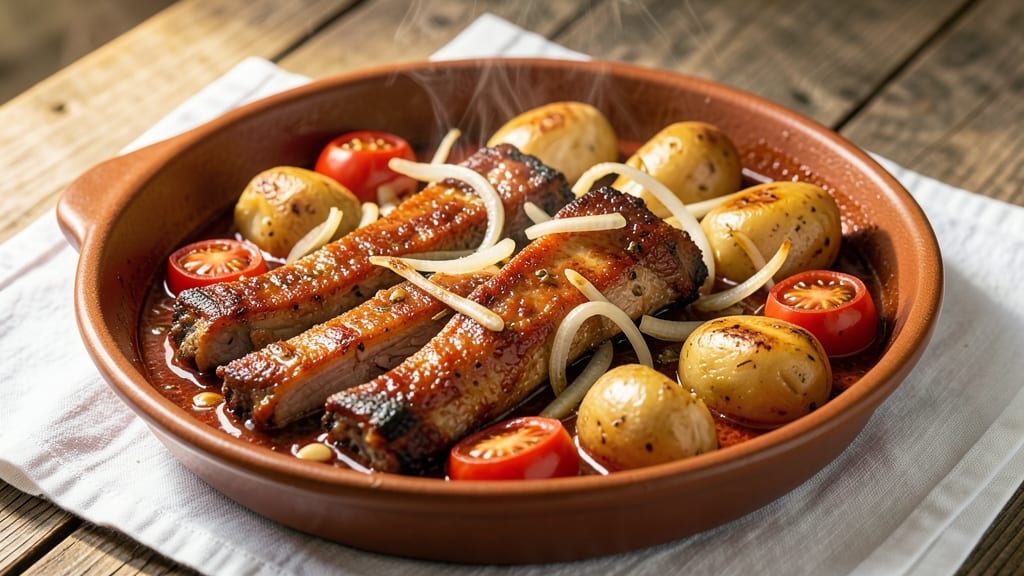
This caldereta pork ribs recipe from Panlasang Pinoy transforms humble ingredients into a rich, slow-braised masterpiece that carries the heart of Filipino home cooking. 🔥 The secret lies in the balance of tangy vinegar, sweet tomatoes, and tender pork ribs that melt into the sauce—just like my abuela used to make.
Every bite delivers that perfect harmony of savory, sweet, and slightly acidic flavors that define this beloved Filipino classic.
The magic happens in the slow braising process, where pork ribs become fork-tender while absorbing the deep, caramelized sauce. Traditional caldereta relies on simple pantry staples—tomatoes, potatoes, and vinegar—but it’s the technique that elevates it: simmering until the sauce thickens into a velvety, flavorful blanket around the meat.
This isn’t just a recipe; it’s a celebration of Filipino comfort food that’s perfect for family gatherings or cozy weeknight dinners.
By the time you serve this dish, your kitchen will smell like home, and your table will be covered with steaming rice ready to soak up every last drop of that luscious sauce.
The potatoes will be perfectly tender, the ribs will pull apart easily, and the sauce will coat every bite with its signature richness. It’s the kind of meal that turns ordinary evenings into special memories—just like the ones my abuela used to share.
Whether you’re making it for a crowd or a quiet dinner for two, this caldereta delivers restaurant-quality results with minimal fuss. The best part? Leftovers taste even better the next day, making it the ultimate meal-prep-friendly dish. Let’s get cooking!
Ingredients for caldereta pork ribs recipe panlasang pinoy
Six ingredients transform into a slow-braised Filipino masterpiece—just like abuela used to make.
| Ingredient | Amount | Notes |
|---|---|---|
| Pork Ribs 🥩 | 3 lb | Bone-in, meaty cuts preferred |
| Canned Tomatoes 🍅 | 2 cans | 28 oz each, San Marzano if available |
| White Vinegar 💧 | ½ cup | White or apple cider vinegar |
| Yellow Onions 🧅 | 2 whole | Medium, sliced into wedges |
| Russet Potatoes 🥔 | 1 ½ lb | Medium, whole and unpeeled |
| Garlic Cloves 🧄 | 6 cloves | Fresh, minced for depth |
| Olive Oil 🫒 | ¼ cup | Extra-virgin for richness |
| Bay Leaves 🌿 | 2 whole | Dried, for aromatic base |
| Ground Black Pepper 🌶️ | 1 tsp | Freshly ground for heat |
| Salt 🧂 | 1 ½ tsp | Kosher or sea salt |
| Sugar 🍚 | 1 tbsp | White granulated sugar |
| Green Bell Pepper 🌶️ | 1 whole | Medium, sliced for freshness |
| Fresh Parsley 🌿 | ¼ cup | Chopped, for garnish |
The pork ribs are the star here—bone-in, meaty cuts are non-negotiable for that signature fall-apart texture. Costco or your local butcher shop are great spots to find them fresh. If you can't get bone-in, don't stress—just ask for the meatiest pork ribs available. The canned tomatoes? San Marzano is ideal, but any good-quality canned tomatoes will work. Look for ones with minimal additives—just tomatoes, salt, and maybe a splash of acidity. The potatoes should be firm and unblemished, nothing waxy or shriveled.
No San Marzano tomatoes? Trader Joe's or Whole Foods carry excellent imported options, but regular store-brand canned tomatoes work in a pinch. The vinegar adds that signature tang—apple cider vinegar gives a slightly sweeter note if you prefer. Fresh garlic and parsley make all the difference, but dried garlic powder at half the amount will work if you're in a bind. The bell pepper is optional but adds a lovely freshness to cut through the richness. If you're feeling adventurous, swap it for a red bell pepper for a different flavor profile.
This dish tastes even better the next day as the flavors meld together. Store leftovers in an airtight container in the fridge for up to 5 days, or freeze for 3 months. I always make a double batch—one for dinner, one for lunches. The sauce thickens beautifully over time, so reheating is a breeze. Just add a splash of water or vinegar if it gets too thick. The ribs and potatoes reheat perfectly in the sauce, so you won't lose any of that rich flavor.
Why You'll Love This Recipe
- One-Pot Magic: I swear by this recipe—just ribs, tomatoes, vinegar, and onions simmering together until the sauce thickens like a dream. No extra pots, no fuss, and the vinegar cuts through the richness so perfectly, it feels like a shortcut to restaurant-quality flavor.
- Fork-Stopping Sauce: That tangy-sweet balance from the canned tomatoes and vinegar? It’s ridiculously good, especially when the potatoes soak it up like sponges. The ribs stay tender but hold their shape—no mushy disappointment here.
- Leftovers That Win: Honestly, I make this on Sundays because the second day is even better. The flavors meld deeper, the sauce clings to everything, and it reheats like a cozy hug. My kids actually ask for leftovers—rare, I know.
- Budget-Friendly Feast: Pork ribs and potatoes stretch across meals without breaking the bank. A single batch feeds four hearty eaters, and the vinegar and canned tomatoes keep costs low. Plus, it’s the kind of dish that makes you feel like you’re treating yourself, even on a tight budget.
Step-by-step instructions for caldereta pork ribs
Here's how to create this rich, tangy Filipino classic with melt-in-your-mouth ribs.
🔥 Step 1: Sear the Pork Ribs for Deep Flavor
Heat the 0.25 cup olive oil in a large Dutch oven over medium-high heat until shimmering. Pat the 3 lb pork ribs completely dry with paper towels—this ensures maximum browning. Working in batches if needed, sear the ribs for 4-5 minutes per side until they develop a deep golden-brown crust. You'll know they're ready when they release easily from the pan.
This initial searing builds the foundation for all that rich, caramelized flavor. Don't rush this step—I press down gently on the ribs during the first minute to prevent curling. Transfer the seared ribs to a plate and set aside.
🍳 Step 2: Build the Tomato-Vinegar Base
In the same Dutch oven, reduce heat to medium and add the 2 whole yellow onions (sliced into wedges) and 1 whole green bell pepper (sliced). Cook for 5-6 minutes until softened and slightly caramelized. Add the 6 cloves garlic cloves (minced) and cook for 30 seconds until fragrant—this prevents bitter garlic flavors.
Pour in the 2 cans canned tomatoes (crushed by hand if not already), 0.5 cup white vinegar, 1 tbsp sugar, 1.5 tsp salt, and 1 tsp ground black pepper. Stir well and bring to a gentle simmer. Here's the thing—adding the vinegar early helps break down the collagen in the ribs for tender results.
🥘 Step 3: Braise the Ribs with Aromatics
Return the seared ribs to the pot along with the 2 whole bay leaves. Add 1.5 lb russet potatoes (whole and unpeeled) and enough water to just cover the ingredients. Bring to a boil, then reduce heat to low and cover partially. This is where the magic happens—braising for 1 hour 30 minutes until the ribs are fork-tender and the sauce has thickened to a rich consistency.
Real talk: The potatoes should be tender but still hold their shape when pierced with a fork. If the liquid reduces too much before the ribs are done, add ½ cup water to maintain moisture. The bay leaves infuse subtle earthy notes that complement the tangy tomato base.
⏰ Step 4: Finish and Garnish
Once the ribs are tender, remove them from the pot and set aside. Skim any excess fat from the surface of the sauce, then return the ribs to the pot. Increase heat to medium-high and simmer uncovered for 5-7 minutes to reduce the sauce slightly and intensify the flavors.
Garnish with 0.25 cup chopped fresh parsley and serve immediately with steamed rice. The sauce should coat the back of a spoon with a perfect balance of sweet, tangy, and savory notes. Each bite delivers tender, fall-off-the-bone ribs in a luscious, slightly thickened sauce.
Pro Tips For Making Caldereta Pork Ribs Recipe Panlasang Pinoy
- Simmer Slow and Low: I learned this the hard way—rushing the simmering turns your caldereta into a watery mess. Once the ribs are browned and the onions caramelized, drop the heat to lowest possible and let it bubble gently for at least 45 minutes. The sauce thickens as it works, not before.
- Cut Ribs Between Bones: Skipping this step means tough, chewy meat. Use kitchen shears to snip the ribs between the bones (not through them) before cooking—this keeps them tender and lets the sauce penetrate every bite. Yes, it’s tedious, but your future self will notice the difference.
- Deglaze with Vinegar Early: My grandmother swore by this: splash in half the white vinegar right after browning the ribs, before adding tomatoes. The acid cuts through the fat immediately, preventing a greasy sauce later. Save the rest for balancing flavor at the end.
- Potatoes Last 15 Minutes: Adding potatoes too soon turns them to mush. Toss them in only after the ribs and sauce have simmered for 30 minutes—just warm them through so they soak up flavor without falling apart. (Pro move: Parboil them first if you’re impatient.)
Regional styles of this recipe
Classic Filipino Style
This is the traditional version you’ll find in most Filipino homes—just like my abuela used to make. The key is balancing the vinegar for tang, tomatoes for sweetness, and potatoes for hearty texture. I always use San Marzano tomatoes when available, but any good-quality canned tomatoes work.
The ribs should be bone-in for maximum flavor, and the sauce needs time to develop its signature richness through slow braising. 🥔
Visayan-Inspired Twist
In the Visayas region, caldereta often includes hard-boiled eggs and sardines for extra depth. I add 2 hard-boiled eggs (peeled and halved) in the last 10 minutes of cooking, along with 1 can (5 oz) sardines in oil for a briny, umami boost.
The eggs soak up the sauce beautifully, adding a creamy contrast to the tender ribs. This version feels extra special for family gatherings.
Bicolano-Style Variations
Bicolano caldereta swaps vinegar for coconut milk and adds chili peppers for heat. I replace the 0.5 cup vinegar with 1 can (13.5 oz) coconut milk and add 1-2 fresh red chilies (sliced) in the braising stage.
The sauce becomes richer and slightly spicy, with a tropical twist. Garnish with toasted coconut flakes for texture. This version feels like a vacation in every bite. 🌶️
Modern Shortcut Version
For busy weeknights, I simplify by using pre-cut pork ribs (about 2 lbs) and frozen potatoes (peeled and cubed). Skip the searing step and add everything to the pot at once—just reduce braising time to 1 hour.
The sauce still turns out flavorful, though slightly less caramelized. This version proves caldereta can be quick without sacrificing taste. Perfect for when David insists on leftovers for lunch! ⏰
Regional Potato Swaps
In some regions, sweet potatoes replace russets for a naturally sweeter sauce. I’ve also seen taro root used for a nutty depth. For a modern twist, try fingerling potatoes—they hold their shape better and add rustic charm.
Just adjust cooking time by 10-15 minutes to ensure tenderness. The sauce absorbs differently, so taste and adjust seasoning before serving.
Garnish Like a Pro
Fresh parsley is classic, but I love adding cilantro for a brighter note or green onions for a pop of color. For extra flair, sprinkle toasted sesame seeds or crushed peanuts on top.
In Bicol, they finish with chili oil drizzled over the dish. Garnishes elevate the presentation and add another layer of flavor—don’t skip this step! 🌿
Nutrition facts
Frequently asked questions
Can I substitute bone-in pork ribs with boneless pork shoulder?
Yes, but the texture and cooking time will differ. Use 2 lbs boneless pork shoulder instead of 3 lbs bone-in ribs and cut it into 2-inch chunks. The braising time will be slightly shorter (1 hour 15 minutes) since boneless meat cooks faster. The sauce will still be rich, but you'll lose that signature fall-off-the-bone tenderness. For best results, marinate the pork shoulder in 1 tbsp vinegar and 1 tbsp soy sauce for 30 minutes before cooking.
How do I know when the pork ribs are perfectly tender?
Use the fork test: Insert a fork into the thickest part of a rib. If it slides in with minimal resistance and the meat pulls apart easily, the ribs are done. They should feel tender but not mushy. For extra assurance, check the internal temperature—it should reach 195°F to 203°F (the collagen breaks down at this range, making the meat fork-tender). Pro tip: The sauce should also thicken noticeably as the ribs release their juices.
Can I make this recipe in a slow cooker?
Sear the ribs as directed, then transfer everything (including the sauce ingredients) to a 6-quart slow cooker. Cook on low for 6-7 hours or high for 3-4 hours, adding ½ cup water if the liquid reduces too much. The slow cooker method is perfect for hands-off cooking, and the ribs will turn out just as tender. Just skip the final reduction step—serve it straight from the pot with steamed rice.
Why does my sauce taste too sour or vinegary?
This usually happens when the vinegar overpowers the other flavors. Balance it by adding 1 tbsp sugar or ½ tsp salt to sweeten the acidity. You can also stir in 1 tbsp tomato paste or 1 mashed potato from the pot to dilute the tang. For future batches, reduce the vinegar to ¼ cup if you prefer a milder taste. Taste as you go—adjust gradually to avoid overcorrecting.
What’s the best way to reheat leftovers?
Reheat gently to preserve the sauce’s texture. Place leftovers in a pot over low heat and add 2-3 tbsp water or vinegar to loosen the sauce. Simmer for 5-7 minutes until everything is heated through. Avoid microwaving—it makes the sauce watery. For extra richness, stir in 1 tbsp butter or 1 tbsp coconut milk at the end. Leftovers taste even better the next day as flavors meld!