
Recipes/Cooking
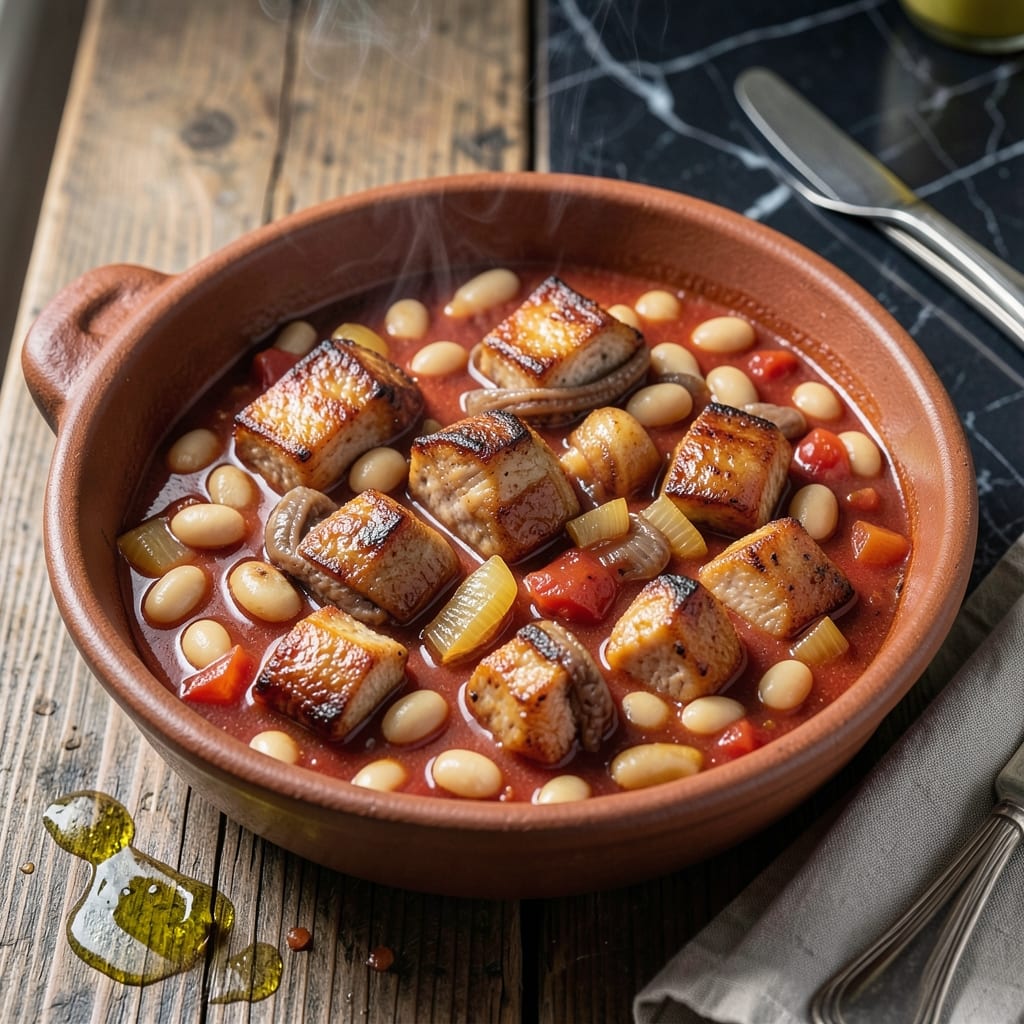
This callos with pork and beans recipe delivers the rich, hearty flavors of traditional Filipino stew. My years in professional kitchens taught me that slow cooking transforms tough cuts into tender, flavorful perfection.
The secret lies in layering flavors—browning the meat first, then building depth with garlic, onions, and spices. Callos requires patience, but the reward is a robust stew with melt-in-your-mouth texture.
Every spoonful offers a complex blend of savory pork, earthy beans, and the distinctive taste of properly prepared tripe. This is comfort food that satisfies on the deepest level.
Serve with steamed rice to soak up every drop of the aromatic broth. The flavors only improve overnight.
Ingredients for callos with pork and beans
Rich, hearty ingredients for a Filipino stew with deep, layered flavors.
| Ingredient | Amount | Notes |
|---|---|---|
| Beef Tripe 🥩 | 2 lb | Cleaned, cut into 1-inch pieces (honeycomb preferred) |
| Pork Belly 🥓 | 1 lb | Cut into 1-inch cubes |
| White Beans 🫘 | 2 cans | Drained and rinsed (garbanzo or cannellini) |
| Garlic Cloves 🧄 | 8 cloves | Minced for deep flavor |
| Yellow Onion 🧅 | 1 whole | Large, diced |
| Tomato Sauce 🍅 | 1 cup | For rich base |
| Beef Broth 🥣 | 4 cups | Low-sodium preferred |
| Soy Sauce 🫒 | ¼ cup | Filipino brand like Silver Swan |
| Bay Leaves 🌿 | 2 pieces | Dried, for aroma |
| Black Peppercorns 🌶️ | 1 tsp | Whole, lightly crushed |
| Paprika 🌶️ | 1 tsp | Sweet or smoked for depth |
| Salt 🧂 | 1 tbsp | Adjust to taste |
| Olive Oil 🫒 | 2 tbsp | For browning meat |
| Vinegar 🍋 | 2 tbsp | White or cane for brightness |
| Chorizo Sausage 🌭 | ½ lb | Spanish or Filipino style, sliced |
The tripe is non-negotiable for authentic callos. Honeycomb tripe from Filipino markets or Whole Foods has the best texture—avoid pre-cooked as it gets rubbery. Pork belly adds richness, but pork shoulder works in a pinch. Look for tripe with even color and no strong odor (a mild, clean smell means it's fresh). Chorizo ties everything together—Spanish or Filipino both work.
No tripe? Ox feet or beef shank give similar gelatinous body to the broth. Out of pork belly? Pork shoulder or ribs add the same richness. White beans can be swapped for kidney or pinto—just don’t use black beans (they turn the stew gray). For the vinegar, calamansi juice is traditional if you can find it. Soy sauce can be tamari for gluten-free.
This stew tastes even better the next day. Store in the fridge for up to 5 days or freeze for 3 months. Reheat gently to keep the tripe tender—our grandmas always say slow heat preserves texture. Always serve with steamed rice to soak up that aromatic broth.
Why You'll Love This Recipe
- One Pot Meal: I love that this dish simmers in a single pot—tripe, pork belly, and white beans soak up all the garlic and onion flavor with barely any cleanup.
- Deep, Meaty Richness: The pork belly melts into the beans while the tripe adds this hearty, slightly chewy bite that’s just packed with savory depth.
- Feeds a Hungry Crowd: Between the beans stretching the meat and the bold flavors holding up, this easily serves six with leftovers for lunch the next day.
- Budget Stretcher: Pork belly and tripe are inexpensive cuts, and dried white beans keep costs low—yet it tastes like a slow-cooked feast.
Step-by-step instructions for callos with pork and beans
Build layers of flavor with these straightforward, time-tested steps for authentic richness.
Brown the Meats for Deep Flavor
Heat the 2 tbsp Olive Oil in a large pot over medium-high heat. Add the 1 lb Pork Belly cubes and cook for 5-6 minutes, stirring occasionally, until the edges turn golden brown and the fat begins to render. This step creates the foundation of flavor for your stew.
Push the pork belly to one side and add the sliced 0.5 lb Chorizo Sausage. Cook for 3-4 minutes until it develops a slight crust and releases its smoky, spiced oils. The combination of rendered pork fat and chorizo oil will give your callos its characteristic depth and complexity.
Sauté Aromatics and Toast Spices
Add the diced 1 whole Yellow Onion to the pot and sauté for 3-4 minutes until it becomes translucent and starts to soften. Then stir in the minced 8 cloves Garlic Cloves and cook for 30-60 seconds until fragrant—be careful not to let it burn.
Stir in the 1 tsp Paprika and 1 tsp Black Peppercorns (lightly crushed) and toast for 20-30 seconds until the spices become aromatic. This brief toasting intensifies their flavors and ensures they bloom in the hot oil, maximizing their impact on the dish.
Build the Stew Base and Simmer
Pour in the 1 cup Tomato Sauce, 0.25 cup Soy Sauce, and 2 tbsp Vinegar. Stir well to combine, scraping up any browned bits from the bottom of the pot. Add the 2 lb Beef Tripe pieces and 4 cups Beef Broth, then bring the mixture to a boil.
Once boiling, reduce the heat to low, add the 2 pieces Bay Leaves, and cover the pot. Let it simmer for 1.5 to 2 hours, stirring occasionally, until the tripe is tender and the flavors have melded. The tripe is done when it can be easily pierced with a fork and has a slightly chewy texture.
Incorporate Beans and Finish Seasoning
Stir in the drained and rinsed 2 cans White Beans and season with 1 tbsp Salt. Adjust the seasoning to taste, keeping in mind that the soy sauce already adds saltiness. Simmer uncovered for an additional 15-20 minutes to allow the beans to absorb the flavors.
The stew should have a rich, slightly thick consistency with the tripe and pork belly meltingly tender. The beans will plump up and soak in the savory sauce, adding heartiness to each bite. Remove the bay leaves before serving.
Pro Tips For Making Callos With Pork And Beans
- Parboil the Tripe: I learned this the hard way—soak and parboil the beef tripe for 10-15 minutes first to cut the gamy smell and toughen it up for the long simmer ahead.
- Render the Belly: Start the pork belly in a cold pan and render the fat slowly, about 8-10 minutes, until crisp edges form—it builds a flavor base nothing else can.
- Skip the Salt Early: Resist the urge to salt the beans before they’re tender; it toughens them up and adds an hour to your cook time.
- Use Canned Beans: After burning three batches waiting for dried beans to soften, I finally switched to canned white beans—drain, rinse, and add them 30 minutes before serving.
Pro cooking tips for perfect results
Tripe Prep Perfection
Clean tripe thoroughly under cold water, scrubbing with salt and vinegar to remove any lingering odors. I soak mine in ice water for 1 hour to firm up the texture before cubing. This step is crucial for that melt-in-your-mouth result we all love. 💪
Layer Flavors Like a Pro
Brown your meats in batches to avoid crowding the pot—I use my vintage Lodge cast iron for even heat. The pork belly fat renders first, creating the perfect base for the chorizo's smoky notes to build upon.
Simmering Success
Keep your simmer gentle, just a few bubbles breaking the surface. I learned from my grandma in Georgia that low and slow is the only way to get tripe tender without turning it mushy. Cover the pot to trap steam and speed up cooking.
Bean Timing Matters
Add beans only after the tripe is nearly tender—about 1.5 hours in. This prevents them from turning to mush while still absorbing all those rich flavors. I use cannellini beans for their firm texture. 🌟
Seasoning Strategy
Taste as you go, but remember: soy sauce adds saltiness. I start with ½ the recommended salt and adjust at the end. The vinegar brightens all the flavors—don't skip it!
Resting Ritual
Let your callos rest 30 minutes off heat before serving. This lets the flavors meld and the tripe reabsorb some broth. My championship-winning trick is adding a splash of calamansi juice at the end for that authentic Filipino touch.
Nutrition facts
Frequently asked questions
Can I use canned tripe instead of fresh?
Fresh is best for texture, but canned works in a pinch. Rinse thoroughly to remove the metallic taste, then simmer 30 minutes longer to soften. Expect a slightly firmer bite than fresh.
Why does my stew taste bland?
Tripe needs bold flavors. Boost depth with extra soy sauce or vinegar, and don’t skip browning the meats—it’s where the magic starts. Simmering 2 hours minimum lets flavors meld properly.
How do I store leftovers safely?
Cool completely, then refrigerate in airtight containers for up to 5 days. For longer storage, freeze for 3 months. Reheat gently on the stove to preserve texture.
Can I make this in a slow cooker?
Yes! Brown meats first, then transfer to the slow cooker with all ingredients. Cook on low for 8 hours or high for 5-6 hours. Add beans the last hour to prevent mushiness.