
Main Courses
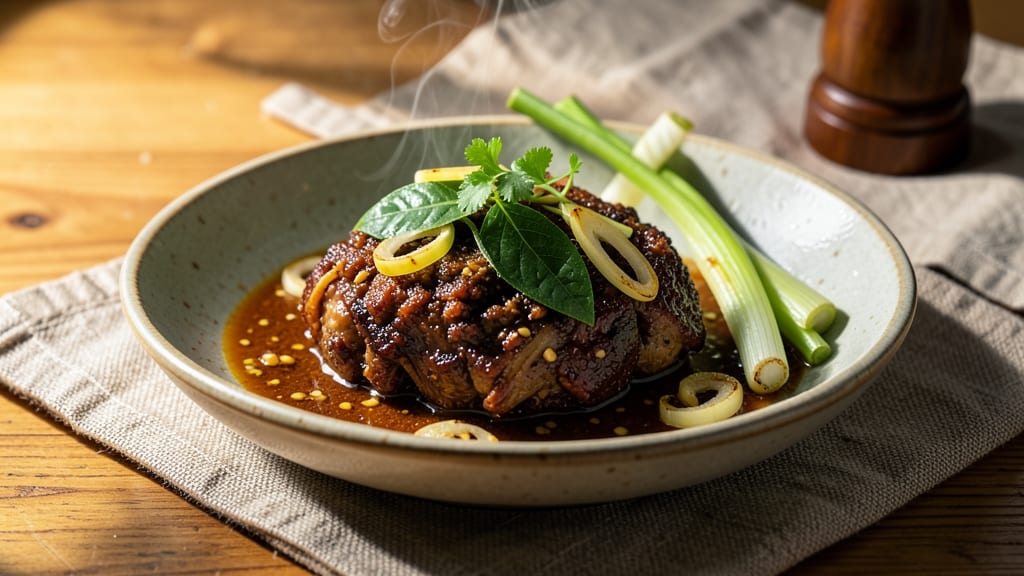
This Cambodian ground pork recipe brings the vibrant flavors of Southeast Asia to your kitchen with fragrant lemongrass and kaffir lime leaves. After years of perfecting this dish, I've found the secret lies in balancing the bright citrus notes of lime with the earthy warmth of lemongrass and garlic.
The result is a dish that's both aromatic and deeply satisfying, with tender pork that absorbs all the complex flavors.
The recipe starts with ground pork seared until golden, then simmered in a sauce that combines traditional Cambodian spices with fresh herbs. What makes this dish special is the combination of sweet, sour, and savory elements - a balance that's both familiar and exciting.
The kaffir lime leaves add a unique citrus aroma that's essential to authentic Cambodian cuisine, while the lemongrass brings that signature Southeast Asian fragrance.
By the time you're done, you'll have a dish that's rich in flavor and texture - tender pork with a slightly crispy exterior, all coated in a glossy sauce that's fragrant with garlic and herbs.
The dish pairs beautifully with steamed jasmine rice, which soaks up all the delicious juices. This recipe delivers restaurant-quality results that will transport you to the streets of Phnom Penh.
Whether you're serving this for a special dinner or simply craving something different, this Cambodian ground pork recipe is sure to impress. The flavors are complex enough to satisfy seasoned food lovers, yet simple enough for weeknight cooking.
Let's get started on creating this fragrant, flavorful dish that captures the heart of Cambodian cuisine.
Ingredients for cambodian ground pork
These aromatic ingredients transform simple ground pork into a fragrant Cambodian masterpiece.
| Ingredient | Amount | Notes |
|---|---|---|
| Ground Pork 🥩 | 1 ½ lb | 80% lean, finely ground |
| Lemongrass Stalks 🌿 | 3 whole | Bruised and cut into 2-inch pieces |
| Kaffir Lime Leaves 🍋 | 4 whole | Lightly bruised, stems removed |
| Garlic Cloves 🧄 | 8 cloves | Minced or finely chopped |
| Shallots 🧅 | ½ cup | Finely chopped (about 4 medium) |
| Fresh Galangal 🌿 | ¼ cup | Finely chopped (or substitute ginger) |
| Coconut Milk 🥥 | 1 can | Full-fat, 13.5 oz can |
| Fish Sauce 💧 | 2 tbsp | High-quality, like Red Boat |
| Palm Sugar 🍯 | 2 tbsp | Or light brown sugar |
| Lime Juice 🍋 | ½ cup | Freshly squeezed |
| Vegetable Oil 🫒 | 2 tbsp | For cooking |
| Salt 🧂 | 1 tsp | Kosher or sea salt |
| Black Pepper 🌶️ | ½ tsp | Freshly ground |
| Fresh Cilantro 🌿 | ¼ cup | Chopped, for garnish |
| Red Chili Peppers 🌶️ | 2 whole | Thinly sliced, optional for heat |
Lemongrass and kaffir lime leaves are the heart of this dish—find them at Asian markets or well-stocked grocery stores. Look for stalks that are pale green and firm, with no brown spots. Galangal (that peppery ginger relative) is key—if you can't find it, ginger works in a pinch, though it's not identical. The fish sauce should smell pungent and salty, not fishy or off. Red Boat is my go-to brand, but any reputable Asian market label will do. For the pork, 80% lean ground pork gives the best texture—it's juicier than leaner cuts. Bruise the lemongrass by banging it on a cutting board before chopping to release more flavor.
No galangal? Ginger at half the amount works, though it's not the same. Short on fish sauce? Soy sauce plus a pinch of sugar mimics some of the umami, but it won't be identical. The palm sugar can be swapped for light brown sugar or honey—just taste as you go. For extra heat, add chili paste or sambal oelek to taste. The coconut milk should be full-fat for richness—light coconut milk won't work here. If you can't find kaffir lime leaves, lime zest plus a splash of lime juice gives a similar bright note, though it's not the same aromatic punch.
This dish tastes even better the next day as the flavors meld. Store leftovers in an airtight container in the fridge for up to 4 days or freeze for 3 months. I like to double the recipe—it's perfect for meal prep. The sauce thickens as it cools, so a splash of water or coconut milk thins it out when reheating. Serve over steamed jasmine rice to soak up every last bit of that fragrant sauce.
Why You'll Love This Recipe
- No Chopping Marathon: The lemongrass and kaffir lime leaves do all the work—just bruise them lightly with the side of your knife. No julienne skills required, and the aroma alone makes the kitchen smell like a Cambodian street market in minutes.
- Umami Bomb: That crispy, caramelized edge on the pork? It’s the garlic and shallots playing hide-and-seek with the lemongrass’s citrusy punch. One bite and you’ll understand why this dish sneaks up on you—it’s ridiculously good.
- Leftover Reinvention: Turn tomorrow’s lunch into tonight’s hero. Fry up the leftovers with a fried egg on top for a quick breakfast, or toss them into rice paper rolls for a no-fuss appetizer. (Yes, even on a Tuesday night.)
- Budget-Friendly Powerhouse: Ground pork stretches further than you’d think, and lemongrass/kaffir lime leaves last longer than you’d expect if you store them right. Honestly, this recipe makes me feel like I’m eating fancy without breaking the bank.
Step-by-step instructions for Cambodian ground pork with lemongrass and kaffir lime
Here's how to transform simple ingredients into a fragrant, aromatic dish that captures Cambodia's bold flavors.
Prepare the Aromatic Base
Heat the 2 tablespoons vegetable oil in a large skillet over medium-high heat. Add the 3 whole lemongrass stalks (cut into 2-inch pieces) and 4 whole kaffir lime leaves (lightly bruised). Sauté for 2-3 minutes until the lemongrass begins to soften and release its citrusy aroma. This step builds the dish's signature fragrance—don't rush it.
Next, add the 8 cloves garlic cloves (minced) and 0.5 cup shallots (finely chopped). Cook for another 2-3 minutes until the garlic turns golden and the shallots soften. You'll notice the kitchen filling with that unmistakable lemongrass scent—this is your first sign the flavors are developing properly. Keep the heat at medium-high to prevent burning the delicate aromatics.
Cook the Ground Pork Thoroughly
Push the aromatics to one side of the skillet and add the 1.5 lb ground pork in batches, breaking it apart with a wooden spoon. Cook for 5-7 minutes, stirring frequently, until the pork loses its raw color and develops a light brown crust. The pork should be fully cooked—no pink should remain when you check the center with a fork.
Once the pork is fully browned, add the 0.25 cup fresh galangal (finely chopped) and stir for 1 minute until fragrant. This root adds a peppery, citrusy depth that's essential to the dish. If using ginger as a substitute, add it now along with the galangal. The galangal will soften quickly, so don't let it sit too long in the hot pan.
Build the Flavorful Sauce
Pour in the 1 can coconut milk and stir well to combine with the pork mixture. Add the 2 tablespoons fish sauce, 2 tablespoons palm sugar, and 0.5 cup lime juice. Bring the mixture to a gentle simmer over medium heat, then reduce the heat to low and let it cook uncovered for 10-12 minutes, stirring occasionally. You'll see the sauce thicken slightly as it reduces.
Here's where the magic happens: the fish sauce adds umami depth, the palm sugar balances the acidity from the lime, and the coconut milk creates a rich, velvety texture. Taste the sauce as it simmers—you might want to adjust the balance between sweet, salty, and tangy. If it needs more brightness, add a splash more lime juice. If it needs more depth, add a bit more fish sauce.
Finish and Garnish
Stir in the 1 teaspoon salt and 0.5 teaspoon black pepper, then add the 2 whole red chili peppers (thinly sliced) if using. Cook for another 2-3 minutes to let the chilies infuse their heat into the sauce. Remove the skillet from heat and let it sit for 5 minutes—this resting period allows all the flavors to meld together.
Before serving, stir in the 0.25 cup fresh cilantro (chopped) and adjust the seasoning one final time. The dish should be aromatic, balanced between sweet, salty, and tangy with a hint of spice. Serve immediately over steamed jasmine rice to soak up every last bit of that fragrant sauce. The combination of the tender pork, aromatic broth, and fresh herbs creates a dish that's both comforting and exciting.
Pro Tips For Making Cambodian Ground Pork
- CHAR THE GARLIC FIRST: I learned this the hard way—sautéing garlic with lemongrass and shallots until it’s deep golden (not just pale) builds the flavor base. Push the pan hard enough to make the shallots caramelize slightly—this is where the dish gets its depth, not just the spices.
- SLICE THE LEMONGRASS LENGTHWISE: Skip the mincing. Split the stalks lengthwise and bruise them with the side of your knife before adding to the pan—this releases the oils without turning your pork into a mushy mess. (Yes, even if you’re impatient like me.)
- DON’T OVERWORK THE PORK: Once it’s cooked through, stop stirring. Letting it sit undisturbed for 2–3 minutes lets the juices redistribute instead of turning it into a dense, greasy clump. A quick flip with a spatula at the end? That’s all it takes.
- USE FRESH KAFIR LIME, NOT DRIED: Dried leaves lose their citrusy punch. If you can’t find fresh, finely mince the zest of 1 lime and add it at the end—but the real thing makes a real difference. Tear the leaves, not chop them, to keep the aroma intact.
Regional styles of cambodian ground pork
Phnom Penh Street Style
This version is all about bold, vibrant flavors just like you'd find at a bustling street food stall in Cambodia's capital. The key difference? We add 1 tablespoon of grated palm sugar at the very end to caramelize slightly over high heat for 2-3 minutes.
This creates a beautiful glaze that mirrors the sticky-sweet sauces you'd find at local eateries. I also like to finish with thinly sliced Thai chilies and a squeeze of fresh lime right at the table—just like the vendors do. 🌶️
For serving, I recommend crispy pork rinds (chicharrón) on the side to scoop up the sauce. The crunch contrasts perfectly with the tender pork and creamy coconut milk. This version is perfect when you want to capture that authentic street food experience at home.
Northern Cambodian Twist
In Cambodia's cooler northern regions, they often incorporate dried shrimp paste (kapi) for extra umami depth. For this version, add 1 tablespoon of kapi when you first sauté the lemongrass and garlic—it'll toast beautifully and infuse the entire dish with its nutty, savory flavor.
I also recommend reducing the coconut milk by 10% more to create a thicker, more concentrated sauce that's better suited for colder weather. 🥥
Pair this version with steamed glutinous rice instead of jasmine rice, as it's more traditional in northern Cambodia. The slightly sticky texture helps balance the rich, savory flavors. For extra authenticity, garnish with fresh mint leaves instead of cilantro—they're more commonly used in northern preparations.
Vegetarian Adaptation
While this dish traditionally uses pork, you can create an equally delicious vegetarian version by substituting 1.5 lbs of finely chopped mushrooms (shiitake or oyster) along with 1 cup of firm tofu pressed and crumbled.
The mushrooms will absorb all the aromatic flavors beautifully. I recommend adding 1 teaspoon of soy sauce along with the fish sauce to compensate for the umami difference. 🍄
For texture, I like to add ½ cup of cooked quinoa or brown rice to the dish when serving. This gives a satisfying bite that mimics the ground pork's texture. The dish still maintains its signature Cambodian flavors while being completely plant-based.
Spicy Sambok Lork Style
This fiery variation comes from Cambodia's northern border regions where chili is king. After building your base, add 2 tablespoons of Sambal Oelek along with the coconut milk, then increase the cooking time to 15 minutes to let the heat develop fully.
For extra intensity, I recommend adding 1 teaspoon of chili flakes at the end. This version is so spicy that I serve it with cooling cucumber slices on the side to balance the heat. 🌶️💨
The Sambok Lork style traditionally includes dried shrimp for extra depth. Add 2 tablespoons of dried shrimp when you first toast the aromatics—they'll crisp up beautifully and add a wonderful oceanic flavor. This version is perfect for those who love their food with serious heat and complex layers of flavor.
Nutrition facts
Frequently asked questions
What makes this Cambodian pork dish different from Thai or Vietnamese versions?
This recipe captures Cambodia's unique balance of flavors using kaffir lime leaves and galangal—both more aromatic than their Thai/Vietnamese counterparts. The sauce relies on fish sauce and palm sugar for that signature sweet-savory profile, while the coconut milk adds richness without overpowering the delicate pork. The dish also typically includes lemongrass bruised for maximum fragrance, which gives it that distinct Cambodian aroma.
Can I substitute regular ginger for galangal?
Yes, but expect a slightly different flavor profile. Use half the amount of ginger (about 1.5 tablespoons) since it's milder. Galangal has a peppery, citrusy note that's essential to authentic Cambodian cuisine, but ginger will still add warmth. For best results, toast the ginger in the oil first to enhance its flavor.
How do I know when the ground pork is fully cooked?
The pork should be fully cooked when it reaches an internal temperature of 160°F and loses its raw pink color. Break apart the meat with a fork—it should be crumbly and no longer pink in the center. Cooking it thoroughly ensures safety while maintaining tenderness. For extra insurance, cook it 2-3 minutes longer after it loses its pink color.
What's the best way to store leftovers?
Let the dish cool completely, then store in an airtight container in the fridge for up to 4 days. The flavors actually improve overnight as they meld together. For longer storage, freeze for up to 3 months
Why does my sauce taste too salty?
Fish sauce is potent, so taste as you go! If it's too salty, balance it with more lime juice or coconut milk to dilute the saltiness. For a sweeter profile, add a pinch more palm sugar. Remember, you can always adjust the seasoning at the end—don't be afraid to taste and modify. The goal is a harmonious blend of sweet, salty, and tangy flavors.