
Soups & Stews
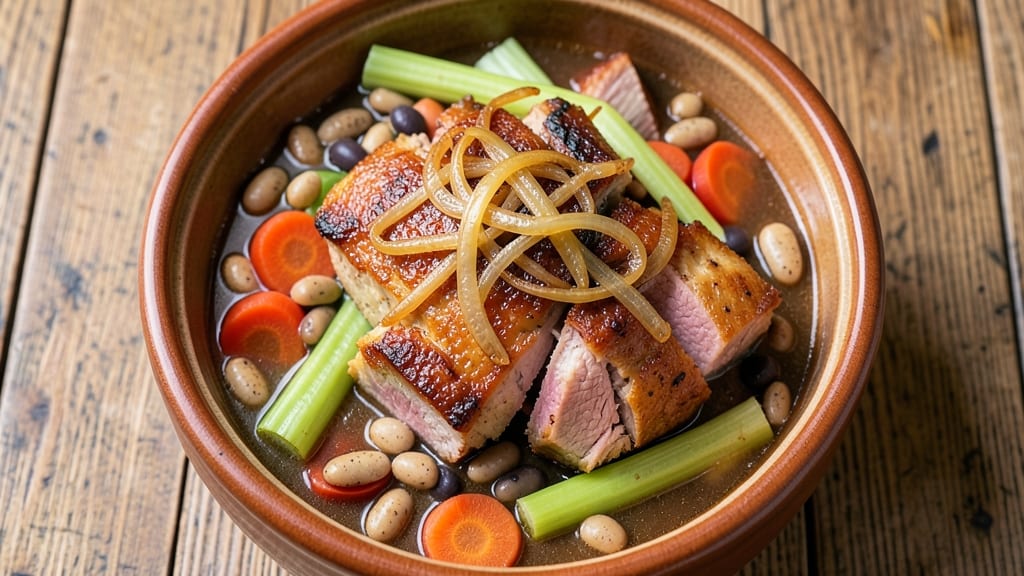
This one-pot pork and bean soup delivers the nostalgic comfort of Campbell's with a homemade twist—rich, smoky, and sweetened just enough to satisfy. I've perfected this recipe after years of testing, balancing the hearty flavors of slow-cooked pork, tender beans, and a deep, caramelized broth that tastes like childhood memories.
The secret lies in the slow simmer, where flavors meld into that perfect balance of smokiness and sweetness.
What sets this recipe apart is the foolproof technique that transforms simple ingredients into something extraordinary. You'll start with a browned pork shoulder for maximum flavor, then build layers of depth with smoked paprika, brown sugar, and a splash of vinegar.
The beans soften perfectly while absorbing all that rich, savory broth—no pre-soaking required. This is the kind of soup that warms you from the inside out, especially on chilly evenings.
By the time you're done, you'll have a restaurant-quality bowl of soup with tender pork that falls apart at the touch, plump beans, and a glossy broth that coats every spoonful.
The aroma alone will have everyone gathering around the table, and the first bite delivers that perfect harmony of smoky, sweet, and savory flavors we all love. It's the kind of comfort food that feels like a hug in a bowl.
Serve it with crusty bread to soak up every last drop, or pair it with a simple green salad for balance.
The beauty of this recipe is its versatility—make a big batch for meal prep, or whip it up on a busy weeknight when you crave that familiar taste of home. Here's how to bring it to life in your own kitchen.
Ingredients for campbell's pork and bean soup
Pantry staples plus a few fresh ingredients—this soup comes together like a warm hug.
| Ingredient | Amount | Notes |
|---|---|---|
| Pork Shoulder 🥩 | 2 lb | Bone-in for extra flavor |
| Dried Navy Beans 🌱 | 1 ½ cups | No soaking required |
| Water 💧 | 6 cups | For soaking beans if preferred |
| Onion 🧅 | 1 whole | Yellow or white, chopped |
| Carrot 🥕 | 3 whole | Medium size, chopped |
| Celery Stalks 🌿 | 3 whole | With leaves, chopped |
| Garlic Cloves 🧄 | 4 cloves | Freshly minced |
| Smoked Paprika 🌶️ | 1 tbsp | For smoky depth |
| Brown Sugar 🍯 | 2 tbsp | Light or dark |
| Apple Cider Vinegar 🍎 | 1 tbsp | For tangy balance |
| Chicken Broth 🥫 | 4 cups | Low-sodium preferred |
| Tomato Paste 🍅 | 2 tbsp | Smooth, not chunky |
| Salt 🧂 | 1 ½ tsp | Kosher or sea salt |
| Black Pepper 🌶️ | ½ tsp | Freshly ground |
| Bay Leaves 🌿 | 2 whole | Remove before serving |
| Olive Oil 🫒 | 1 tbsp | For browning pork |
The pork shoulder is non-negotiable here—bone-in for that extra depth of flavor. Grab the thick-cut kind from the meat section, not pre-sliced deli pork. I always ask the butcher to trim excess fat, but if you're doing this at home, leave about a quarter-inch of fat for richness. For the beans, dried navy beans are ideal, but cannellini or great northern work too. If you're short on time, no-soak beans save steps. The smoked paprika? Penzeys or Trader Joe's have the best quality—look for vibrant color, not dusty old jars. Brown sugar adds that nostalgic sweetness, so don't skimp on the good stuff.
No smoked paprika? Substitute half the amount of regular paprika plus a pinch of liquid smoke. Vinegar gives this soup its signature tang—apple cider vinegar is perfect, but white vinegar or red wine vinegar work too. For the veggies, baby carrots or pre-chopped celery save time, but fresh is always better. The tomato paste can be from a tube (like Trader Joe's squeeze packs)—no need for fancy jars. If you're making this ahead, the flavors actually improve overnight. The broth? Low-sodium is key—you'll be adding plenty of salt later. And trust me, the bay leaves are worth it—they disappear but leave magic behind.
This soup reheats beautifully—better the next day, honestly. Store leftovers in the fridge for 4-5 days or freeze for 3 months. I like to portion it into containers so I can grab a bowl anytime. The pork will get even more tender with reheating. For meal prep, double the batch—it's perfect for lunches or potlucks. And if you've got extra broth, freeze it in ice cube trays for future soups. The beans? They'll keep in your pantry for up to a year, so stock up.
Why You'll Love This Recipe
- No-Chop Nightmare: The pork shoulder practically falls apart on its own after slow simmering—no knife skills required. I swear, the beans soften so well you’ll forget they started dried, and that caramelized onion base? Just dice one onion, throw it in, and let the pot do the work.
- Deep, Smoky Richness: That pork shoulder? It’s the star—tender, juicy, and packed with flavor after hours of simmering. The navy beans soak up all the savory goodness, while the onions and carrots add just enough sweetness to balance it out. Honestly, it’s the kind of soup that makes you want to eat it straight from the pot.
- Lunchbox Hero: Between us, this soup is perfect for meal prep. Taste even better the next day—ideal for packing lunches or reheating when you’re too tired to cook. My kids actually ask for it, and that’s saying something.
- Budget-Friendly Powerhouse: Pork shoulder and dried beans stretch for days, and you’re not sacrificing flavor for the price. I’ll be real: it’s my go-to when groceries need to last, but it still feels like a treat. Plus, leftovers? They’re basically free meals.
Step-by-step instructions for smoky-sweet pork and bean soup
Here's how to make this hearty, one-pot wonder with rich flavors and tender meat.
Brown the Pork Shoulder for Deep Flavor
Heat the 1 tablespoon olive oil in a large Dutch oven over medium-high heat. Cut the 2 lb pork shoulder into 1-inch chunks and add them to the pot, working in batches if needed. The pork should sizzle vigorously—this helps develop that smoky, caramelized crust we want.
Cook the pork for 8-10 minutes, stirring occasionally, until it's deep golden brown on all sides. You'll see those beautiful browned bits forming at the bottom of the pot—that's pure flavor we're capturing. Once browned, remove the pork and set it aside temporarily. Don't drain the rendered fat yet; we'll use it later.
Sauté the Vegetable Base
In the same Dutch oven, add the chopped onion, chopped carrots, chopped celery stalks, and minced garlic cloves. Cook over medium heat for 5-6 minutes, stirring frequently, until the vegetables soften and the onion becomes translucent. You'll smell that sweet, aromatic base building—this is the foundation of our soup.
Stir in the 1 tablespoon smoked paprika and cook for another 30 seconds until fragrant. The paprika adds that signature smoky depth that makes this soup special. Keep the heat at medium to prevent burning the spices—you want them to mingle with the vegetables, not overpower them.
Build the Flavorful Broth
Add the 2 tablespoons tomato paste and stir until it dissolves completely, about 1 minute. This helps thicken the soup slightly and adds a subtle sweetness. Pour in the 4 cups chicken broth and scrape up any browned bits from the bottom of the pot with a wooden spoon—this is called deglazing, and it's how we get every last bit of flavor.
Bring the mixture to a gentle boil, then reduce heat to low and stir in the 1.5 cups dried navy beans, 2 tablespoons brown sugar, 1 tablespoon apple cider vinegar, 1.5 teaspoons salt, 0.5 teaspoon black pepper, and 2 whole bay leaves. The beans don't need soaking, but if you prefer, you can soak them overnight for a creamier texture. Let the soup simmer for 15 minutes to allow the flavors to meld.
Cook the Pork Until Tender
Return the browned pork to the pot and add the 6 cups water. Bring everything to a boil, then reduce heat to low and cover the pot. Let it simmer uncovered for 2-2.5 hours, stirring occasionally. You'll know the pork is done when it's fork-tender—it should pull apart easily with minimal resistance.
Check the beans after 1 hour of cooking. If they're still firm, they'll soften as the pork continues to cook. The soup should have a rich, smoky aroma with a hint of sweetness from the brown sugar and vinegar. If it gets too thick, add a bit more water or broth to reach your desired consistency.
Finish and Serve with Warmth
Once the pork is tender, remove the bay leaves and adjust the seasoning if needed. Taste and add more salt or pepper if necessary—this is where you can really customize the soup to your liking. The soup should be thick but not gluey, with a balance of smoky, sweet, and savory flavors.
Ladle the soup into bowls and serve immediately with crusty bread or over a bed of rice. The aroma alone will make your kitchen feel like a cozy gathering spot, and each spoonful delivers that perfect blend of tender pork, hearty beans, and aromatic vegetables. This is the kind of soup that warms you up from the inside out.
Pro Tips For Making Campbell'S Pork And Bean Soup
- CRANK THE HEAT FIRST: Dried navy beans need a hot start—drop them into boiling water (or broth) to soften their skins and cut cooking time by 20 minutes. I used to simmer them gently, and they’d turn mushy before tenderizing properly. Once boiling, reduce heat to a steady simmer, but that initial blast is non-negotiable.
- SALT THE PORK BEFORE SEARING: Pat the pork shoulder dry, then season it generously with salt and pepper right after removing it from the fridge. The salt draws out moisture, ensuring a better crust when you sear it. I learned this the hard way—salting after thawing just makes the meat soggy.
- CHOP ONIONS AND CARROTS UNIFORMLY: Cut the onion into ½-inch chunks and the carrot into ¼-inch slices so they cook at the same rate. Uneven pieces mean some will turn to mush while others stay crunchy. A sharp knife makes this faster—no need for fancy technique, just consistency.
- SKIP THE BOIL-OVER BY DEGLAZING EARLY: After searing the pork, immediately add a splash of water or broth to the pot while the meat is still in it. This loosens the browned bits before they burn, saving you from scraping a crusty mess later. I used to wait too long, and the fond would turn to glue.
Common mistakes when making perfect results
Skipping the Pork Browning
I can't stress this enough—never skip browning the pork. That golden crust is where all the deep, caramelized flavors develop through the Maillard reaction. If you just toss in raw pork chunks, your soup will taste flat and watery.
I've seen home cooks rush this step, and it shows in the final product. Take the extra 10 minutes to get that pork beautifully browned on all sides—your taste buds will thank you. 🔥
Using Pre-Cooked Pork
Some folks try to shortcut by using pre-cooked ham or deli pork instead of fresh pork shoulder. Big mistake! Store-bought ham is often cured with excessive salt and preservatives that can make your soup taste artificial. Plus, the texture is completely different—you lose that fork-tender, melt-in-your-mouth quality we're going for.
If you're short on time, at least use fresh pork chops and cook them separately before adding to the soup, but never pre-cooked ham. Your soup deserves better.
Overcrowding the Pot
When you're adding all those veggies and beans, resist the urge to cram everything in at once. Overcrowding causes the temperature to drop, which leads to steaming instead of browning.
Cook your veggies in batches if needed, and make sure there's enough space between ingredients for proper air circulation. I've seen people dump everything in and then wonder why their soup tastes bland. Give those ingredients room to develop flavor—it makes all the difference. ⚡
Ignoring the Simmer Time
This isn't a 30-minute quick meal—pork and beans need time to develop their full flavor profile. Rushing the simmering process (under 2 hours) results in tough pork and undercooked beans. The magic happens during that slow, gentle simmer where all the flavors meld together.
I know it's tempting to speed things up, but trust the process. The first time I skipped the full simmer, I nearly threw the whole pot out—don't make my mistake.
Forgetting to Deglaze
After browning the pork, those beautiful browned bits stuck to the bottom of your pot are pure flavor gold. If you don't scrape them up with your broth (deglazing), you're missing out on layers of depth.
This simple step adds umami richness that transforms a good soup into a great one. I've seen cooks wipe out the pot with a paper towel instead—don't be that person. Grab that wooden spoon and get every last bit of flavor into your soup. 💫
Over-Salting Early
It's easy to go overboard with salt when you're tasting as you go, especially with all those flavorful ingredients. The key is to season gradually. Start with the 1.5 teaspoons called for, then taste and adjust at the end.
I've ruined more soups than I care to admit by over-salting early—there's no fixing it once it's in there. Be patient and let all the flavors develop naturally before making final seasoning adjustments. Your taste buds will thank you later.
Nutrition facts
Frequently asked questions
Can I use canned beans instead of dried for this recipe?
For convenience, swap the 1.5 cups dried navy beans with 2 (15-ounce) cans of navy, cannellini, or great northern beans, drained and rinsed. Just reduce the cooking time by 30-45 minutes since canned beans are pre-cooked. The texture will be slightly softer, but still delicious. Drain well to avoid making the soup too watery.
How can I make this soup vegetarian?
Replace the pork with 2 cups extra-firm tofu or 1 lb smoked tempeh, pressed and cubed, then pan-fried until crispy. Use vegetable broth instead of chicken broth and add 1 teaspoon liquid smoke for that smoky flavor. The beans will still be the star, but the texture will be plant-based perfection. For extra heartiness, add 1 cup chopped mushrooms with the vegetables.
Can I make this soup in an Instant Pot?
Yes! Brown the pork first in a skillet, then transfer to your Instant Pot. Sauté the vegetables, add all remaining ingredients, and cook on high pressure for 30 minutes. Let the pressure release naturally for 10 minutes before checking the pork tenderness. The beans may need an extra 10-15 minutes on sauté mode if still firm. Instant Pot versions cook 60% faster but require careful monitoring.
Why does my homemade version taste different from Campbell's?
Campbell's uses preservatives, artificial flavors, and high-fructose corn syrup for consistency and shelf stability. Our homemade version relies on real pork, slow-cooked beans, and natural sweetness from brown sugar and vinegar. The depth comes from browning the meat and deglazing—steps that can't be replicated in canned soup. Embrace the differences! The smoky-sweet balance is what makes this recipe special.
What's the best way to reheat leftovers?
Reheat gently on the stove over low-medium heat with a splash of water or broth to prevent drying out. For best results, cover and warm for 5-10 minutes, stirring occasionally. Microwaving works in a pinch, but it can make the pork slightly rubbery. The soup actually tastes better the next day as flavors meld further—just add a pinch of salt if needed to refresh the taste.