
Main Courses
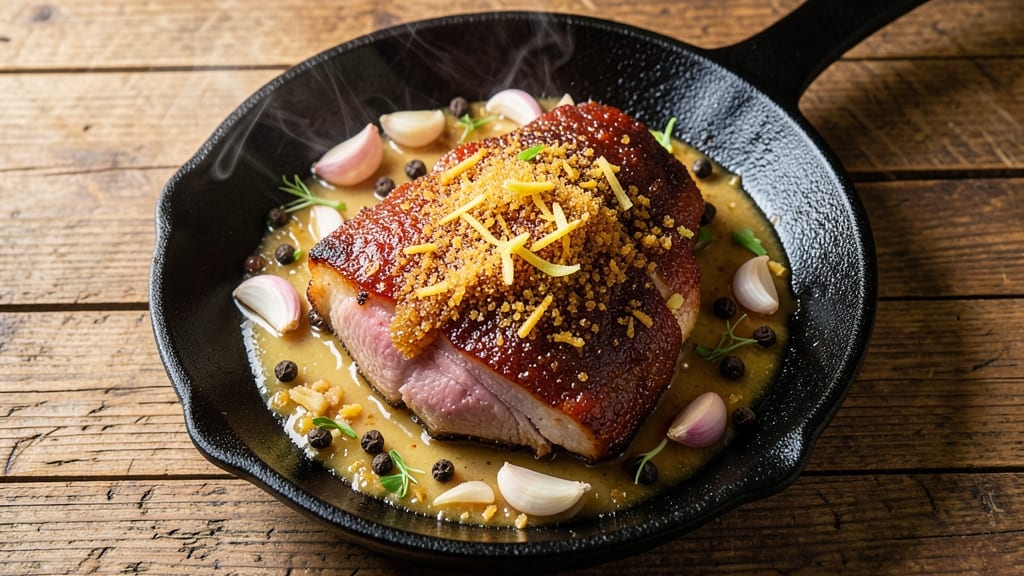
This candied pork belly recipe turns tough cuts into melt-in-your-mouth perfection with a crispy caramelized crust that shatters at every bite. Growing up in small-town Georgia, I learned this technique from my grandmother, who swore by slow-cooked pork as the heart of any feast.
The secret lies in the balance of sugar and time—patient cooking until the exterior turns golden and glass-like while the inside remains tender.
This recipe requires just a few pantry staples and two hours of hands-off cooking, making it ideal for special occasions or weekend projects. The process begins with a dry brine to enhance flavor, followed by a slow sear in a cast iron skillet—my preferred tool for even heat distribution.
Every step builds layers of sweetness and depth, culminating in a dish that commands attention at any table.
By the final hour, your kitchen will fill with an intoxicating aroma of caramelized sugar and smoky pork, signaling dinner is ready. The result is a silky interior that practically falls apart, encased in a crackling shell of amber caramel.
Serve with pickled vegetables or a simple rice pilaf to complement its rich, complex flavors without overpowering them.
Whether you're preparing for a holiday gathering or treating yourself to a luxurious meal, this candied pork belly delivers restaurant-quality results at home. The technique is foolproof once you understand the key stages—brining, searing, and slow reduction. Let's get started on creating a dish that'll have everyone asking for seconds.
Ingredients for candied pork belly
Pantry staples meet Southern tradition—just a handful of ingredients transform tough pork into luxurious, caramelized perfection.
| Ingredient | Amount | Notes |
|---|---|---|
| Pork Belly (Skin-On) 🥓 | 2 lb | Thick-cut, fat cap intact |
| Granulated Sugar 🍚 | 1 cup | Light brown preferred |
| Kosher Salt 🧂 | ½ cup | Diamond Crystal preferred |
| Black Peppercorns 🌶️ | 1 tbsp | Freshly cracked preferred |
| Fresh Ginger 🌿 | 1 tbsp | Finely grated, aromatic |
| Garlic Cloves 🧄 | 6 cloves | Smashed, skin-on |
| Honey 🍯 | ½ cup | Wildflower preferred |
| Apple Cider Vinegar 🍶 | 2 tbsp | Raw, unfiltered |
| Unsalted Butter 🧈 | ½ cup | Cold, cubed |
| Extra-Virgin Olive Oil 🫒 | 2 tbsp | High smoke point |
| Fresh Rosemary 🌿 | ¼ cup | Needles only, chopped |
| Fresh Thyme 🌿 | ¼ cup | Leaves only, stems removed |
| Cast Iron Skillet 🔥 | 1 whole | 12-inch diameter preferred |
The pork belly is non-negotiable here. Thick-cut with a fat cap is key—it renders beautifully and keeps the meat moist. Costco or your local butcher are your best bets for quality cuts. Look for marbling throughout the meat, not just on the surface. If you can't find thick-cut, ask for the belly with the most fat. The sugar? Light brown adds molasses notes, but white works in a pinch. I always grab Diamond Crystal kosher salt—it dissolves better than table salt. Fresh herbs matter too: Trader Joe's has great bundles of rosemary and thyme that stay fresh longer than grocery store stalks.
No fresh ginger? Ground ginger at half the amount works, but you'll lose some depth. Short on honey? Maple syrup is a 1:1 swap, though it's slightly heavier. The apple cider vinegar can be omitted if you're avoiding acid, but it helps tenderize the meat. For the butter, European-style (like Plugrá) has higher fat content—perfect for crisping. No cast iron? A heavy stainless steel pan works, but it won't brown as well. The skillet needs to be bone-dry before adding oil—no wet spots or it'll steam instead of sear.
This keeps beautifully. Wrap the cooked belly tightly in parchment paper and foil, then refrigerate for up to 5 days. For longer storage, freeze portions in airtight containers for 3 months. Reheat in a 350°F oven for 15 minutes to restore crispiness. I always make extra—it reheats even better than it tastes fresh. Slice against the grain for perfect bite-sized pieces. The caramelized crust is delicate, so serve it immediately after reheating.
Why You'll Love This Recipe
- One-Pan Magic: Honestly, this is the kind of dish where you throw everything in that cast iron skillet and forget about cleanup. No last-minute scrubbing of pots or frantic chopping—just the pork belly, sugar, and herbs, all baking together until the fat renders and the sugar turns golden. My daughter even helped press the seasoning into the skin, and it still came out perfect.
- Crispy-Creamy Perfection: That crackly sugar crust? It’s like eating candy, but the inside is so tender it melts in your mouth. The ginger and garlic in the cure add a sharp, aromatic punch, while the honey-glaze at the end ties it all together with something sweet and sticky. Trust me, the first bite will make you forget you ever doubted caramelized pork.
- Feeds a Crowd (or Just You): I made this for Thanksgiving leftovers and it disappeared in under 20 minutes. But honestly, it’s just as good for a lazy Sunday lunch or when you’re craving something decadent without the fuss. Slice it thick, serve it on crusty bread, and watch people go back for seconds. The leftovers even reheat beautifully—just wrap it tight and pop it in the fridge for up to five days.
- Budget-Friendly Luxury: Two pounds of pork belly might sound pricey, but this recipe stretches it into enough servings to feed four people (or two hungry people twice). The sugar and herbs are cheap, and the honey and butter elevate it without breaking the bank. It’s the kind of dish where you spend a little more upfront but end up with something that tastes like a restaurant—without the wait or the bill.
Step-by-step instructions for candied pork belly
Here’s how to transform thick-cut pork belly into a caramelized masterpiece with silky meat inside.
Cure and Season the Pork Belly
Place the 2 lb pork belly (skin-on) in the 12-inch cast iron skillet, skin-side up. In a bowl, combine the 1 cup granulated sugar, ½ cup kosher salt, 1 tbsp freshly cracked black peppercorns, 1 tbsp finely grated fresh ginger, and all 6 smashed garlic cloves (skin-on). Sprinkle this mixture evenly over the pork belly, pressing it into the meat and skin. The sugar and salt will draw out moisture, creating the perfect foundation for caramelization.
Cover the skillet loosely with aluminum foil and refrigerate for 24 hours. This curing process ensures the pork belly develops a deep, complex flavor and prevents it from drying out during cooking. Flip the pork belly halfway through to ensure even seasoning. Real talk: Don’t skip this step—it’s what transforms ordinary pork into something extraordinary.
Render the Fat and Caramelize the Sugar
Remove the pork belly from the refrigerator and let it sit at room temperature for 30 minutes. Preheat your oven to 325°F. Place the cast iron skillet with the pork belly on the middle rack and bake for 1 hour. The fat will begin to render, and the sugar will start to caramelize, creating a sticky, glossy crust.
After 1 hour, increase the oven temperature to 375°F. At this point, the sugar should be forming a deep amber crust on the skin. If it’s not yet caramelized, continue baking for another 10-15 minutes until the skin turns a rich, golden-brown color. Here’s the thing—this is the moment that matters: the sugar needs to fully melt and caramelize to create that signature crispy texture. If it looks uneven, use a spoon to spread the caramelized sugar evenly over the skin.
Glaze and Baste for Maximum Crisp
In a small saucepan, combine the ½ cup honey, 2 tbsp apple cider vinegar, ½ cup cold unsalted butter (cubed), 2 tbsp extra-virgin olive oil, ¼ cup chopped fresh rosemary, and ¼ cup fresh thyme. Bring the mixture to a gentle simmer over medium-low heat, stirring occasionally until the butter melts and the honey fully incorporates. This glaze will add moisture and depth of flavor while enhancing the caramelization.
Once the glaze is smooth, remove the pork belly from the oven and place it on a cutting board. Brush the glaze generously over the caramelized skin, ensuring every inch is coated. Return the pork belly to the oven and bake for an additional 15-20 minutes at 375°F, basting it with the remaining glaze every 5 minutes. The goal is to achieve a glossy, crackly crust that’s irresistibly crispy. Your oven might run hot, so start checking at the 15-minute mark to avoid over-browning.
Rest and Slice for Perfect Texture
Once the pork belly reaches an internal temperature of 195°F (use a meat thermometer to check the thickest part of the meat), remove it from the oven and transfer it to a cutting board. Let it rest for 15 minutes before slicing. This resting period allows the juices to redistribute, ensuring every bite is tender and flavorful. If it’s still too hot to handle, tent it loosely with foil and let it rest for another 5 minutes. Patience here is key—skipping the rest will result in dry, tough slices.
Slice the pork belly into ½-inch thick pieces, cutting against the grain for maximum tenderness. The exterior should be a deep caramel color with a crackly, almost candy-like texture, while the interior should be silky and rich. Serve immediately, drizzling any remaining glaze from the skillet over the top for extra flavor. This dish pairs beautifully with roasted vegetables or a simple arugula salad to balance the richness.
Pro Tips For Making Candied Pork Belly
- Press the Sugar Hard: Don’t just sprinkle the sugar-salt mix—dig your fingers in and work it into the fat and crevices. I learned this the hard way after my first batch had patchy caramelization. The skin needs that direct contact to stick and crisp properly, especially where the fat layers are thickest.
- Check Skin Before Bumping Heat: After the first hour at 325°F, resist the urge to crank the oven to 375°F until the sugar is actually melting into a glossy, sticky layer—not just dry and crunchy. I’ve rushed this and ended up with burnt spots before the rest caramelized. A spoon test works: drag it across the skin—if it leaves a wet, amber trail, you’re ready.
- Cold Butter = Smooth Glaze: Cube that ½ cup unsalted butter ice cold before adding it to the honey mixture. I used to melt it first, and the glaze would separate or turn grainy. Cold butter emulsifies better with the honey and vinegar, giving you that silky, coatable consistency for basting.
- Baste Aggressively, Then Walk Away: When you’re basting every 5 minutes, don’t just dab—slather the glaze on thick. But here’s the catch: after the last baste, pull it out of the oven immediately if the skin starts browning too fast. Ovens lie, and that glaze can turn bitter in minutes. Let the residual heat finish the job while you rest the meat.
Make-ahead tips for this dish
Prep Ahead Like a Pro
I always prep the dry brine mixture the night before—it’s one of my favorite shortcuts. Combine the 1 cup granulated sugar, ½ cup kosher salt, 1 tbsp cracked peppercorns, 1 tbsp grated ginger, and 6 smashed garlic cloves in a bowl while you’re prepping dinner.
Store it in an airtight container in the fridge until you’re ready to season the pork belly. This saves you 10 minutes of chopping the next day and ensures everything is ready to go. 💡
Overnight Brine Boost
The 24-hour brine is non-negotiable for maximum flavor, but you can start the process earlier if needed. If you’re cooking for a crowd, double the ingredients and brine two pork bellies simultaneously.
The key is letting the pork sit at room temperature for 30 minutes before cooking—never skip this step, or the sugar won’t caramelize properly. I’ve learned this the hard way after burning my first batch of pork belly. 🔥
Glaze Prep in Advance
Make the glaze components ahead and store them separately. Combine the ½ cup honey, 2 tbsp apple cider vinegar, and 2 tbsp olive oil in one container, and keep the ½ cup cold butter, ¼ cup rosemary, and ¼ cup thyme in another.
When you’re ready to cook, simply melt the butter and herbs in the saucepan, then stir in the honey mixture. This keeps the glaze fresh and prevents it from burning while you focus on the pork belly. ✨
Fat Rendering Hack
If you’re short on time, render the fat in the oven first. After the 1-hour bake at 325°F, remove the pork belly and let the fat drip into a heat-safe bowl. Strain the fat through cheesecloth into a jar—it’s perfect for future cooking or drizzling over finished dishes.
The pork belly can continue baking while you clean up, saving you 20 minutes of scrubbing. I reuse this fat for roasting vegetables or frying eggs—it’s pure gold. 💛
Resting Room Trick
Use a cooler or even a large pot filled with warm water to rest your pork belly if you’re in a rush. Transfer the sliced pork belly to a cutting board inside the cooler, tented with foil, for 10-15 minutes.
This mimics the resting process but keeps your kitchen cooler while you finish plating. It’s a lifesaver during summer BBQs when the kitchen gets sweltering. 🌡️
Nutrition facts
Frequently asked questions
Why does the pork belly need a 24-hour brine?
The 24-hour brine is essential for two reasons: it deeply seasons the meat and draws out moisture, creating the perfect canvas for caramelization. Without this step, the sugar won't stick properly, and the pork may dry out during cooking. Think of it as the secret sauce for that perfect balance of sweetness and savory depth!
Can I skip the oven and cook this on the stovetop?
While you can try stovetop cooking, the oven ensures even fat rendering and consistent caramelization. The 325°F to 375°F temperature control is key for developing that crackly crust without burning. A cast iron skillet works best, but you’ll need to monitor it closely for uneven browning.
What if my sugar doesn't caramelize evenly?
Use a spoon to gently spread the melted sugar across the skin during baking. If it's sticking too much, let it cool slightly before touching. For stubborn spots, brush with a little apple cider vinegar to help break up the crust before re-glazing. Patience is key—uneven caramelization often happens when the pork moves too much.
How do I reheat candied pork belly without losing crispiness?
Reheat at 350°F for 15 minutes on a wire rack (not directly on foil) to restore crispness. If it's too soft, tent it with foil and let it rest for 5 minutes before serving. For extra crunch, brush with a little honey or glaze while reheating.