
Side Dishes
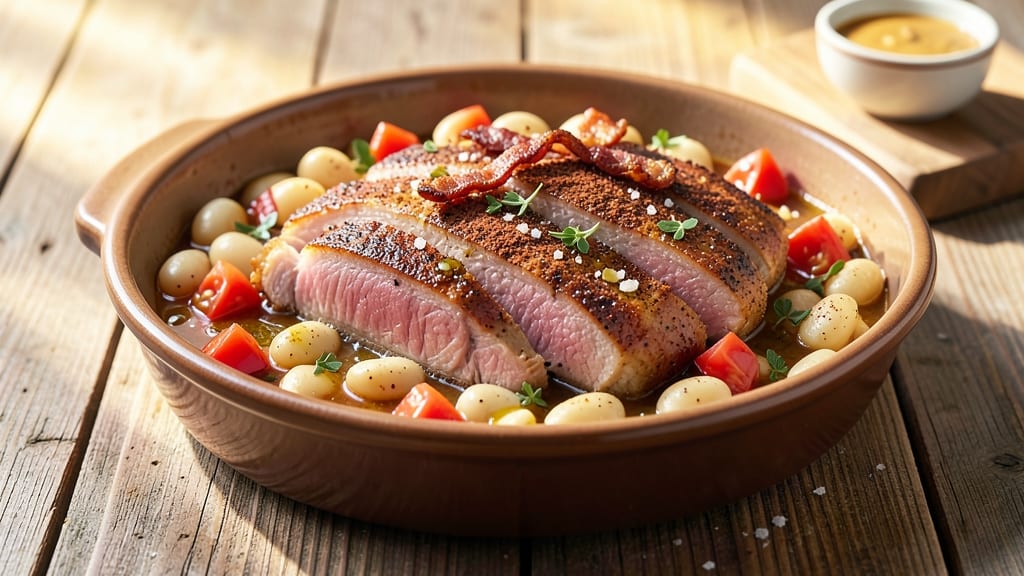
This cannellini beans and pork recipe transforms humble ingredients into a smoky, tomato-spiced one-pan dinner that tastes like a restaurant favorite.
Growing up in Georgia, I learned that pork and beans aren’t just comfort food—they’re a celebration of Southern flavors, and this dish captures that soulful essence in a single pan.
The key lies in slow-braised pork shoulder that melts into tender shreds, while cannellini beans soak up the rich, herby tomato sauce, creating a harmony of textures and flavors that’s impossible to resist.
What makes this recipe special is its simplicity and depth. You’ll start with a savory pork shoulder seared to a golden crust, then simmered with aromatic herbs, garlic, and a touch of smoked paprika for that unmistakable depth.
The cannellini beans—creamy and slightly firm—absorb the smoky tomato sauce, turning this into a hearty, satisfying meal that’s perfect for weeknights or gatherings. The secret? Letting the flavors meld slowly, so every bite is packed with umami and warmth.
By the time you serve this dish, you’ll have a restaurant-quality meal that’s rich, comforting, and effortless to make. The pork will be fall-apart tender, the beans creamy yet still holding their shape, and the sauce infused with layers of flavor from the herbs and spices.
It’s the kind of dish that pairs beautifully with crusty bread or a simple green salad, making it a complete meal without the fuss.
This recipe isn’t just about the flavors—it’s about the experience. Whether you’re feeding a family or cooking for one, the one-pan method ensures minimal cleanup while delivering maximum satisfaction.
The slow cooking process transforms tough cuts into something tender and delicious, proving that great food doesn’t have to be complicated. Let’s get cooking!
Ingredients for cannellini beans and pork
Southern comfort meets smoky sophistication—just 14 ingredients for a one-pan masterpiece.
| Ingredient | Amount | Notes |
|---|---|---|
| Pork Shoulder 🥓 | 1 ½ lb | Bone-in preferred for flavor |
| Cannellini Beans 🌽 | 1 lb | Dried or canned (2 cans, 15 oz each) |
| Garlic Cloves 🧄 | 6 cloves | Minced for aromatic depth |
| Diced Tomatoes 🍅 | 1 can | 28 oz can, San Marzano preferred |
| Smoked Paprika 🌶️ | 1 tbsp | For that signature smokiness |
| Dried Oregano 🍃 | 1 tsp | Mexican oregano if available |
| Bay Leaves 🌿 | 2 whole | Fresh if possible, dried works |
| Olive Oil 🫒 | ½ cup | Extra-virgin for richness |
| Chicken Stock 💧 | 1 cup | Homemade preferred, low-sodium |
| Red Wine Vinegar 🍷 | 1 tbsp | For brightness and acidity |
| Salt 🧂 | 1 ½ tsp | Kosher or sea salt preferred |
| Black Pepper 🌶️ | ½ tsp | Freshly ground for best flavor |
| Fresh Rosemary 🌿 | ¼ cup | Chopped, stems removed |
| Crusty Bread 🍞 | 1 loaf | For serving, optional |
| Fresh Parsley 🌿 | ¼ cup | Chopped for garnish |
The pork shoulder is the star here—bone-in, well-marbled cuts from Whole Foods or local butchers yield the best results. Look for a piece with visible fat; it renders beautifully during cooking, keeping the meat moist. If you're using dried cannellini beans, soak them overnight for perfect texture. Trader Joe's has pre-cooked canned beans that save time, but homemade dried beans have superior flavor. For the tomatoes, San Marzano is ideal—its sweetness balances the smoky depth of the paprika. Fresh rosemary and thyme add layers of aroma, so don't skip them if you've got them.
No smoked paprika? Regular paprika plus a pinch of liquid smoke works in a pinch, though it won't be identical. Short on red wine vinegar? Apple cider vinegar or balsamic gives a similar tang. Using canned beans? Drain and rinse them well to remove excess sodium. The chicken stock can be swapped for vegetable broth if you're avoiding poultry. For extra richness, add a splash of heavy cream at the end—trust me, it's worth it. And if you're feeling adventurous, swap the cannellini beans for white beans or butter beans for a different texture.
This dish tastes even better the next day—reheats beautifully in the oven or microwave. Store leftovers in an airtight container in the fridge for up to 5 days, or freeze portions for 3 months. The crusty bread pairs perfectly, so grab a baguette from the bakery section—none of that pre-sliced grocery store stuff. For serving, a sprinkle of fresh parsley adds a pop of color and freshness. Double the recipe and freeze half; you'll thank yourself later when you're craving that smoky, tomato-spiced comfort.
Why You'll Love This Recipe
- One-Pan Magic: I swear by this—just toss everything in one pot and walk away. The pork shoulder melts into tender shreds while the beans soften, and honestly? That’s my kind of cooking. No fancy techniques, no extra dishes.
- Smoky-Sweet Obsession: The smoked paprika and garlic turn this into something special. The tomatoes add brightness, but it’s that deep, savory pork flavor that makes it crave-worthy—like a hug in a bowl.
- Leftovers That Don’t Suck: Between us, most leftovers are sad. Not this. The flavors actually get better the next day, especially if you reheat it with a splash of broth. Perfect for lunches or freezing for when you’re too tired to cook.
- Budget Feast for Crowds: Pork shoulder and cannellini beans stretch forever, and this recipe feeds a family without breaking the bank. Plus, it’s the kind of dish that makes people ask for seconds—so you’ll end up with less food to worry about.
Step-by-step instructions for smoky tomato-spiced one-pan dinner
This hearty dish comes together in one pan with minimal effort but maximum flavor.
Sear and Season the Pork Shoulder
Pat the 1.5 lb pork shoulder completely dry with paper towels—this ensures a perfect crust. Heat 0.5 cup olive oil in a large Dutch oven over medium-high heat until shimmering but not smoking. Season the pork generously with 1.5 tsp salt and 0.5 tsp black pepper, then sear on all sides for 4-5 minutes per side until deeply golden brown.
Here's the thing—don't rush this step. You want that beautiful Maillard reaction creating flavor. Once the pork is well-browned, remove it from the pan and set it aside on a plate. The rendered fat will become the base for our sauce, so leave it in the pot.
Sauté Aromatics and Build the Flavor Base
In the same Dutch oven, reduce heat to medium and add the 6 cloves minced garlic cloves. Sauté for 30 seconds until fragrant—don't let it brown or it'll turn bitter. Add the 1 tbsp smoked paprika and 1 tsp dried oregano, stirring constantly for 1 minute to toast the spices and release their aromas.
This is where the magic happens. The spices should smell deeply aromatic, almost spicy. If you're using fresh rosemary, add the 0.25 cup chopped fresh rosemary now and stir for another 30 seconds to infuse the oil with its piney notes. The bay leaves can go in now too—just drop in the 2 whole bay leaves whole.
Simmer the Pork with Tomatoes and Stock
Add the 1 can diced tomatoes (with juices) and 1 cup chicken stock to the pot. Stir well to scrape up any browned bits from the bottom—this is called deglazing and captures all that meaty flavor. Return the pork shoulder to the pot, fat-side up, and bring everything to a gentle simmer.
Here's the moment that matters: cover the pot and reduce heat to low. Let it simmer for 2 hours, stirring occasionally. The pork should be tender enough to pull apart with a fork, and the sauce should be rich and slightly reduced. If the liquid gets too low, add a splash of water to keep it moist.
Add Cannellini Beans and Finish the Sauce
Once the pork is tender, remove it from the pot and shred it using two forks directly in the sauce. Return the shredded pork to the pot and add the 1 lb cannellini beans (drained and rinsed if using canned). Stir in the 1 tbsp red wine vinegar and let everything simmer together for 10-15 minutes to meld the flavors.
Taste and adjust seasoning—you might need a touch more salt or pepper. The sauce should be tangy, smoky, and rich with tomato flavor. If it's too thick, add a splash of water or stock to reach your desired consistency. The beans should be heated through but still hold their shape.
Serve with Fresh Herbs and Crusty Bread
Transfer the pork and bean mixture to a serving platter. Garnish with the 0.25 cup chopped fresh parsley for a pop of color and freshness. Serve immediately with slices of crusty bread on the side for soaking up that delicious sauce.
This dish tastes even better the next day as the flavors continue to develop. The pork will be fall-apart tender, the beans will be perfectly seasoned, and the smoky tomato sauce ties everything together beautifully. Enjoy your one-pan masterpiece!
Pro Tips For Making Cannellini Beans And Pork
- CRISP THE PORK FIRST: Brown the pork shoulder in batches before adding anything else—this isn’t just for flavor, it’s for texture. I used to skip this and ended up with mushy pork. Two tablespoons of oil, high heat, and let those edges get golden before moving them. (Yes, even if you’re impatient like me.)
- SOAK THE BEANS LONG: Cannellini beans need at least 4 hours in water, or overnight if you’re not in a rush. I learned this the hard way—rushed beans turn to mush and soak up liquid like a sponge, thinning out your sauce. Drain them well before adding to the pot.
- LOW AND SLOW WITH LID: After browning the pork, add everything else and simmer covered on low heat. The pork shoulder needs 2–2.5 hours to break down properly, and the lid keeps the tomatoes from evaporating into a gloppy mess. Check it once, then walk away.
- SAVE THE PORK JUICE: When the pork is done, don’t drain it—let it rest in the pot for 10 minutes, then shred it into the sauce. That juicy render makes the beans creamy without needing extra oil. (Your future self will thank you.)
Storing and reheating your cannellini beans and pork
Refrigerator Storage
Let your smoky pork and bean masterpiece cool to room temperature for no more than 2 hours—this prevents bacterial growth while keeping the texture intact. Transfer to airtight glass containers (I love Le Parfait containers) and refrigerate for up to 5 days.
The flavors actually deepen overnight as the spices meld together, making leftovers taste even better. 💪
When storing, leave about ½ inch of headspace to prevent condensation from making the beans soggy. If the sauce seems too thick after reheating, add a splash of chicken stock or water to restore its richness.
I always double the recipe so we have leftovers for lunches—trust me, this dish reheats beautifully.
Freezer Storage
This dish freezes exceptionally well for up to 3 months, making it perfect for meal prep. Use quart-sized freezer bags (like Ziploc heavy-duty) or glass Pyrex containers—both work great.
Label with the date and portion size so you can grab exactly what you need. For best texture, freeze before adding the fresh parsley—just sprinkle it on when reheating. ❄️
Thaw overnight in the fridge for even heating. If you're short on time, place the frozen container in a cold water bath (never microwave from frozen). The pork will remain tender, and the beans will hold their shape perfectly.
Pro tip: Freeze individual portions so you can pull out just what you need without thawing the whole batch.
Oven Reheating
My preferred method for reheating is the oven—it keeps everything moist and restores the smoky aroma. Preheat to 350°F, spread the pork and beans in a cast iron skillet (my Lodge skillet is perfect), cover with foil, and heat for 20-25 minutes.
Add 2 tablespoons water or stock if the mixture looks dry. The oven method is especially great for larger batches. 🔥
For extra flavor, sprinkle a pinch of smoked paprika and fresh rosemary on top before reheating. The herbs will release their aromas, making the dish taste almost as good as fresh. If you're reheating from frozen, add 5-10 extra minutes to ensure everything reaches 165°F safely.
Stovetop Reheating
For quick reheating, use a heavy-bottomed pot on medium-low heat with ¼ cup chicken stock to prevent sticking. Stir occasionally for 10-12 minutes until heated through. If the sauce reduces too much, add a splash of water or stock to loosen it up.
The stovetop method is best for smaller portions—just enough for one or two servings. 💡
Give it a taste after reheating and adjust seasoning if needed. A squeeze of red wine vinegar or a pinch of salt can brighten up the flavors.
I often reheat this dish straight from the fridge, and it always comes out delicious—proof that great food tastes even better the next day.
Nutrition facts
Frequently asked questions
Can I substitute dried cannellini beans for canned in this recipe?
If using dried beans, soak them overnight in plenty of water with a pinch of salt. Drain and rinse before adding to the pot during the final 10-15 minutes of cooking. Dried beans need this extra time to soften properly, while canned beans are ready to go immediately. For best texture, don't skip the soaking step.
What cut of pork works best for this dish?
Pork shoulder (also called Boston butt) is ideal because it's flavorful and becomes tender when slow-cooked. A bone-in cut adds extra richness, but boneless works too. Avoid lean cuts like tenderloin—they won't develop the same depth of flavor. If you can't find pork shoulder, a pork butt or pork picnic roast will work equally well.
How can I make this dish vegetarian?
Swap the pork for smoked tofu or tempeh (marinated in soy sauce and smoked paprika) or use hearty mushrooms like portobello for umami depth. For a meaty texture, crumbled lentils or chickpeas work well too. The cannellini beans will still be the star, and you can boost flavor with extra garlic, smoked paprika, and a splash of balsamic vinegar.
Why did my pork turn out tough instead of tender?
This usually happens when the pork isn't cooked long enough or at a low enough temperature. The key is low-and-slow cooking—cover the pot and simmer for the full 2 hours on low heat. If your oven runs hot, check it with a thermometer (aim for 300°F internal temp). Also, make sure your pork shoulder has enough fat—lean cuts won't stay tender.
Can I make this in an Instant Pot or slow cooker?
Yes! For the Instant Pot, sear the pork first, then add all ingredients (except beans) and cook on high pressure for 45 minutes. Release pressure naturally, then add beans and finish with 10 minutes on sauté. In a slow cooker, brown the pork first, then add everything (including beans) and cook on low for 6-8 hours or high for 3-4 hours. The beans will absorb all the smoky goodness!