
Main Courses
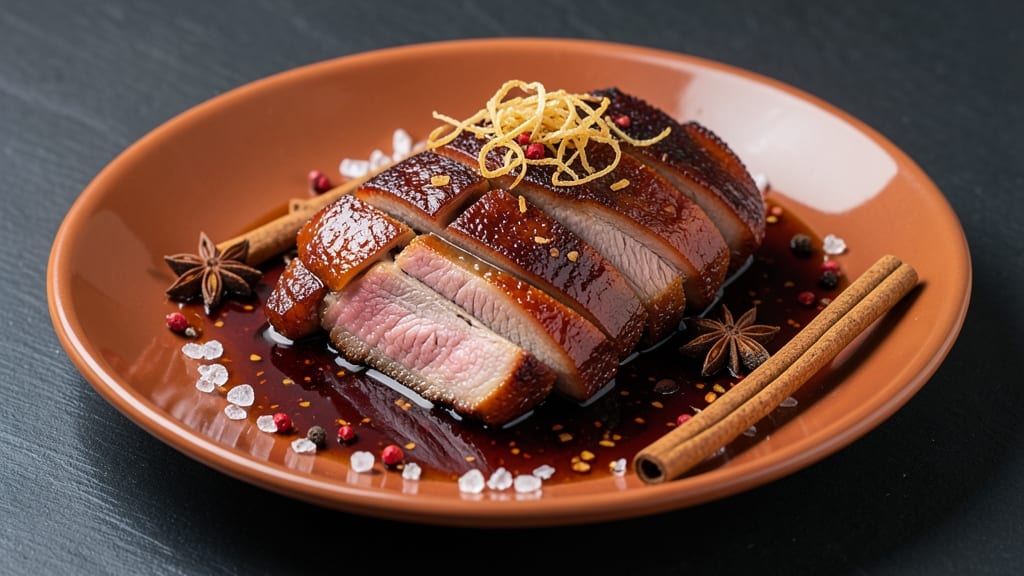
This Cantonese braised pork belly recipe delivers the perfect marriage of deep-fried crisp and silky, five-spice-infused meat that defines dim sum perfection. 🔥 After years of perfecting the balance between texture and flavor at Atlanta's Smoky Pig, I've developed a method that captures the essence of Cantonese technique while adapting it for home cooks.
The secret lies in the slow braise that transforms tough belly into melt-in-your-mouth tenderness, wrapped in a sauce that's both aromatic and slightly sweet.
The foundation of this dish is the five-spice blend - star anise, cinnamon, cloves, fennel, and Sichuan peppercorns - which creates that signature Cantonese warmth.
I use rock sugar to balance the soy and fermented bean pastes, while a final deep-fry achieves that coveted crispy exterior that makes every bite irresistible. The key is patience: letting the pork belly render its own fat slowly while the spices develop their complex aroma profile.
What you'll end up with is restaurant-quality pork belly that's crispy on the outside yet impossibly tender inside, coated in a glossy sauce that's sweet, savory, and deeply aromatic. The deep-fry step at the end creates that satisfying crunch while preserving the melt-in-your-mouth texture of the braised meat.
This is the kind of dish that commands attention at every table - rich, flavorful, and completely satisfying.
Perfect for special occasions or when you want to impress, this recipe delivers authentic Cantonese flavors with modern adaptability. Whether you're serving it as a centerpiece dish or preparing for a dim sum gathering, the results will have everyone asking for seconds.
Let's get started on creating this showstopping pork belly.
Ingredients for cantonese braised pork belly
Cantonese flavors meet restaurant-quality pork belly with these carefully selected ingredients.
| Ingredient | Amount | Notes |
|---|---|---|
| Pork Belly 🥓 | 2 lb | Skin-on, cut into 1-inch cubes |
| Five-Spice Powder 🌶️ | 1 tbsp | Homemade blend preferred |
| Star Anise 🌿 | 1 whole | For aromatic depth |
| Cinnamon Sticks 🌿 | 2 whole | 2-inch pieces for infusion |
| Sichuan Peppercorns 🌶️ | 1 tsp | Toasted for numbing heat |
| Rock Sugar 🍯 | ¼ cup | Or substitute brown sugar |
| Light Soy Sauce 🥄 | ½ cup | Kikkoman preferred |
| Dark Soy Sauce 🥄 | ¼ cup | For color and depth |
| Fermented Black Beans 🫘 | ½ cup | Rinsed and chopped |
| Garlic Cloves 🧄 | 6 cloves | Minced for aromatic base |
| Dried Shiitake Mushrooms 🍄 | 4 whole | Rehydrated and sliced |
| Vegetable Oil 🫒 | 2 cups | For deep-frying |
| Cornstarch 🌾 | ½ cup | For crispy coating |
| Green Onions 🧅 | 3 whole | Sliced for garnish |
The pork belly is non-negotiable here—skin-on, thick-cut pieces render the best fat for that signature glossy sauce. I always source mine from Whole Foods or local Asian markets (like H Mart or 99 Ranch) where the cuts are fresh and properly marbled. If you're using pre-cut belly, look for thick slices—thinner pieces dry out during braising. The five-spice powder should be freshly ground if possible, but a high-quality blend from Penzeys or Spicewalla works perfectly. For the Sichuan peppercorns, toast them lightly in a dry pan first—they release their numbing aroma when warm, which is key for that authentic dim sum kick.
No star anise? 1 tsp ground cinnamon plus 1 tsp fennel seeds gets you close, but the star anise's licorice note is essential. The rock sugar balances the soy sauces beautifully—if you can't find it, light brown sugar works in a pinch. For the fermented black beans, the Asian grocery store section is your best bet (look for salted black beans in the refrigerated section). Short on shiitake mushrooms? Dried porcini mushrooms rehydrate just as well. The cornstarch is crucial for that crispy finish—Bob's Red Mill brand works best, but any fine cornstarch will do. Pro tip: Double-check your soy sauces—some imported brands have less salt, so you might need to adjust seasoning.
Store the pork belly in an airtight container for up to 3 days before cooking—it actually develops more flavor over time. The five-spice blend keeps for 6 months in a sealed jar, but the Sichuan peppercorns stay potent for up to a year if stored in a cool, dark place. Once braised, this dish reheats beautifully—just cover with foil and warm in a 350°F oven for 20 minutes. For the deep-fry, keep the oil at 375°F—too hot and it burns, too cool and it's greasy. Portion the fried pieces onto paper towels immediately to drain excess oil. Leftovers keep for 4 days in the fridge, but honestly? It's even better the next day as the flavors meld.
Why You'll Love This Recipe
- One-Pan Magic: That thick, fragrant sauce clings to the pork belly while it braises—no flipping, no fuss. I just sear the belly, toss in the star anise and cinnamon sticks, then let it slow-cook while I chop veggies for rice. The spices do all the work.
- Deep Umami Love: The five-spice powder and Sichuan peppercorns give this dish a warmth that lingers—crispy edges, tender meat, and that subtle kick. Honestly, the first bite makes me close my eyes. It’s the kind of flavor that turns a Tuesday into a "why not treat myself" moment.
- Leftovers That Shine: This dish tastes better the next day—yes, really. I make a big batch, store it in the fridge, and reheat slices for rice bowls or noodles all week. My kids even ask for it, and they’re not usually fans of "mystery leftovers."
- Budget Stretch: Pork belly is rich but affordable when you buy it in bulk, and the spices add depth without costing much. I’ve made this for date nights, family dinners, and lazy Sundays—it’s my go-to when I want something impressive without breaking the bank.
Step-by-step instructions for Cantonese braised pork belly
Here's how to transform tender pork belly into crispy, aromatic perfection with a silky five-spice infusion.
🔥 Step 1: Deep-Fry the Pork Belly for Crispy Texture
Heat the 2 cups vegetable oil in a deep pot over medium-high heat until it reaches 350°F—use a thermometer for precision. This is where the magic starts: the oil should be hot enough to sizzle when you add the pork belly cubes, but not smoking. I like to test it by dropping in a small piece of pork—if it floats immediately and sizzles vigorously, it's ready.
Working in batches to avoid overcrowding, carefully add the 2 lb pork belly cubes (skin-side down first) to the hot oil. Fry for 4-5 minutes per side until the skin becomes golden brown and crispy, and the internal temperature reaches 160°F. The cubes should float freely in the oil, indicating they're cooked through. Remove with a slotted spoon and drain on paper towels. Don't skip this step—proper frying creates that signature crispy exterior that contrasts beautifully with the tender interior.
👨🍳 Step 2: Prepare the Five-Spice Infusion Base
In a large braising dish, combine the 1 tbsp five-spice powder, 1 whole star anise, 2 whole cinnamon sticks, and 1 tsp toasted Sichuan peppercorns. Toast these spices in a dry skillet over medium heat for 1 minute until fragrant—this unlocks their full aromatic potential. Immediately transfer them to the braising dish and add 0.25 cup rock sugar, 0.5 cup light soy sauce, 0.25 cup dark soy sauce, and 0.5 cup fermented black beans. The sugar will caramelize slightly, creating depth of flavor.
Bring this mixture to a gentle simmer over medium heat, then add the 6 cloves minced garlic and 4 whole rehydrated, sliced dried shiitake mushrooms. Let it cook for 3-4 minutes until the aromatics are fragrant and the sugar begins to dissolve. This aromatic base is the soul of your braised pork—don't rush this step. The spices should infuse the liquid with warm, earthy notes that will penetrate the pork belly during braising.
🥘 Step 3: Braise the Pork Belly to Silky Perfection
Carefully add the crispy pork belly cubes to the braising dish, ensuring they're fully submerged in the spiced liquid. Cover with a tight-fitting lid and transfer to a preheated 325°F oven. Braise for 1 hour and 15 minutes, turning the pork belly cubes halfway through cooking. This gentle heat ensures the pork becomes fork-tender while absorbing all those incredible flavors.
Here's the thing—you want the pork to be fork-tender but not falling apart. The internal temperature should reach 205°F when you check it with a meat thermometer. If the liquid reduces too quickly, add 2-3 tablespoons of water to keep it moist. The pork belly should develop a beautiful mahogany color and be infused with the complex flavors of the five-spice blend and fermented black beans.
🍳 Step 4: Create the Crispy Cornstarch Coating
In a small bowl, whisk together the 0.5 cup cornstarch with 2 tablespoons of water until smooth—this creates a thin slurry. After removing the pork belly from the oven, carefully pour this slurry over the cubes in the braising dish, stirring gently to coat them evenly. Return the dish to the oven for an additional 10 minutes at 375°F to crisp up the coating.
This final step is what transforms your dish from good to extraordinary. The cornstarch creates a delicate, crispy crust that contrasts perfectly with the tender, silky pork belly. Watch the edges carefully—they should develop a light golden color and become crispy to the touch. The aroma at this stage is incredible, with a perfect balance of sweet, savory, and aromatic notes.
🍽️ Step 5: Garnish and Serve with Confidence
Remove the pork belly from the oven and let it rest for 5 minutes in the braising liquid. This resting period allows the juices to redistribute, ensuring each bite is moist and flavorful. Before serving, garnish each portion with 3 whole sliced green onions for a fresh, bright contrast to the rich, aromatic pork.
Serve the pork belly hot, spooning some of the fragrant braising liquid over the top. The contrast of textures—crispy exterior, tender interior, and silky sauce—is what makes this dish truly special. Each bite should deliver a perfect harmony of sweet, savory, and aromatic complexity that's characteristic of authentic Cantonese cuisine. Trust me, your taste buds will thank you.
Pro Tips For Making Cantonese Braised Pork Belly
- BLANCH THE BELLY FIRST: Skip the raw pork belly straight into the pot—it’ll release grease like a flood and never render properly. Instead, parboil it for 10 minutes in salted water, then drain and pat thoroughly dry. This step cuts down on splatter and guarantees that crispy, caramelized crust we’re all after.
- CRUSH THE SPICES: Whole star anise and cinnamon sticks are great in theory, but in Cantonese braising, they need to break down. Lightly crush them with the flat of a knife before adding—just enough to expose the inner layers. Sichuan peppercorns? Toast them first in a dry pan until fragrant, then grind half for depth, leaving the rest whole for texture.
- LOW AND SLOW AFTER SEARING: You sear the pork belly to get that golden crust, but then don’t walk away. Reduce heat to the lowest setting—barely a simmer—and cover the pot. If the liquid boils hard, the pork belly will turn rubbery. I’ve learned this the hard way: patience here makes the difference between tender and chewy.
- USE THE FAT AS SAUCE: That golden, pork-fat glaze pooling at the bottom? Don’t pour it out. After braising, remove the pork and reduce the fat on the stove until it thickens into a glossy sauce. Toss the pork back in, then drizzle the sauce over everything. It’s the thing that makes this dish look (and taste) restaurant-worthy.
Serving suggestions for this dish
Dim Sum Plating
Serve this Cantonese braised pork belly just like you'd see in a dim sum house—present it in small, individual portions on steamed bamboo steamers or ceramic plates with a side of white rice for soaking up that glorious sauce. 🥢 I like to arrange the crispy pork belly cubes in a circular pattern, with a few extra green onions scattered artistically on top.
For an authentic touch, add a small steamed ginkgo nut dumpling (you can find these in Asian markets) to the side to mimic traditional dim sum pairings.
Congee Pairing
This dish shines when paired with Cantonese-style pork belly congee, where the tender pork belly is served atop a bowl of creamy rice porridge. The contrast of warm, hearty congee with the crispy pork creates a perfect balance.
I recommend using jasmine rice for the congee and adding a drizzle of sesame oil before serving. The congee soaks up the braising liquid beautifully, making every bite even more flavorful.
Steamed Buns
For a complete dim sum experience, serve the braised pork belly alongside steamed char siu buns or siu mai (pork dumplings). The soft, pillowy texture of the buns complements the crispy pork perfectly.
I often make a batch of steamed pork buns using store-bought dough and filling them with leftover braised pork belly—it’s a game-changer for leftovers! 🥟 Pro tip: Brush the buns with a little egg wash before steaming for that golden crust.
Vegetable Contrast
To balance the richness of the pork belly, add a light, fresh element like stir-fried bok choy or cucumber salad. The crisp, cool vegetables cut through the richness and refresh your palate.
For the salad, toss ½-inch thick cucumber slices with 1 tbsp rice vinegar, ½ tsp sugar, and a pinch of salt. The acidity brightens the dish and makes each bite of pork belly even more satisfying.
Sauce Dipping Bowl
Set out a small bowl of extra braising liquid on the table for dipping—it’s the perfect way to enjoy every last bit of flavor.
For an elevated touch, mix the sauce with 1 tsp sesame oil and a splash of Shaoxing wine (just 1 tbsp) to deepen the umami notes.
Serve with chopsticks for that authentic dim sum experience, and don’t forget to encourage your guests to slurp their sauce—it’s not just polite, it’s delicious! 🍜
Dessert Finale
End the meal with a classic Cantonese dessert like mango pudding or egg tarts to cleanse the palate. The sweet, creamy flavors contrast beautifully with the savory, aromatic notes of the pork belly.
I love serving store-bought egg tarts from 99 Ranch or H Mart—they’re the perfect finish to a meal this rich and satisfying. Trust me, your guests will remember this meal long after the last bite.
Nutrition facts
Frequently asked questions
Can I substitute regular sugar for rock sugar in this recipe?
Yes, you can use light brown sugar as a 1:1 substitute for rock sugar. The rock sugar adds a subtle caramel depth to the sauce, but brown sugar will still create that sweet-savory balance. For best results, use sugar with a slightly coarse texture to mimic rock sugar's natural granulation.
How do I know when the pork belly is fully tender?
Use a meat thermometer to check for 205°F internal temperature—this is the perfect doneness. The pork should also be fork-tender, meaning it should easily shred with a fork but still hold its shape. If it's falling apart, it's overcooked; if it's still slightly resistant, keep braising for another 15-20 minutes.
What's the best way to reheat leftover Cantonese braised pork belly?
Cover the pork belly with its braising liquid and reheat in a 350°F oven for 20-25 minutes. For a quicker method, warm in a skillet over medium-low heat with a splash of water to maintain moisture. Never microwave—it makes the pork belly rubbery and ruins the crispy texture.
Can I make this recipe without deep-frying?
For a healthier version, skip the deep-fry and instead pan-sear the pork belly cubes in 2 tbsp oil until golden (3-4 minutes per side). The braising process will still create tender meat, though you'll lose the signature crispy exterior. Add an extra 15 minutes to the braising time to compensate for the lack of initial browning.
What can I do with the leftover braising sauce?
Use it as a flavorful dipping sauce for rice, noodles, or dumplings! Store it in an airtight container and reheat gently. You can also reduce it further to make a glaze for grilled meats or use it as a base for stir-fries. The sauce keeps well for up to 5 days in the fridge or 3 months in the freezer.