
Main Courses
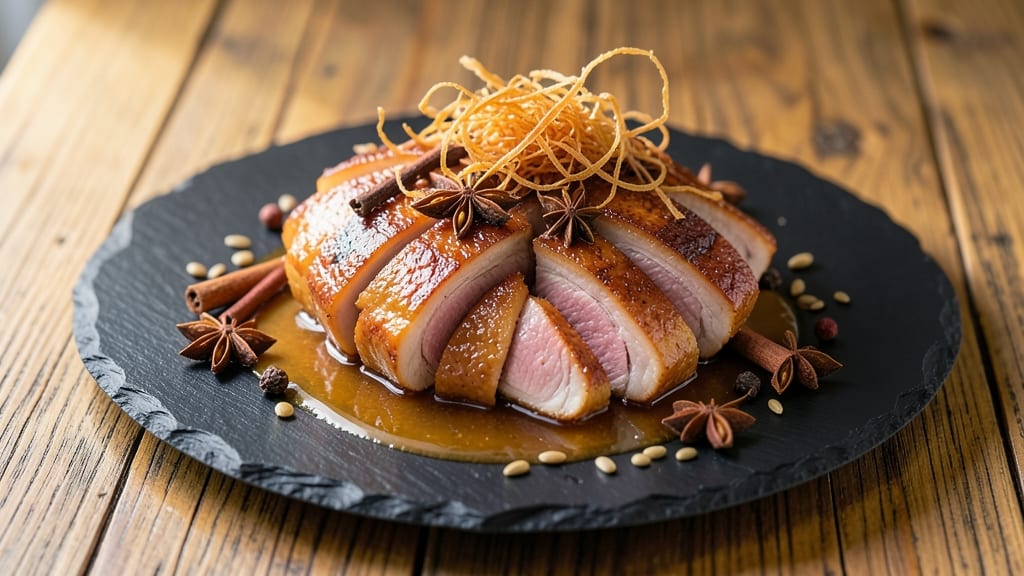
This Cantonese pork recipe delivers the perfect balance of crispy charred edges and silky, aromatic meat—just like the dishes I learned to perfect during my apprenticeship under Master Chef Chen. 🔥 The secret lies in a five-spice marinade that transforms ordinary pork into something extraordinary, with a glossy finish that makes every bite irresistible.
I've cooked this dish hundreds of times, and it never fails to impress, whether you're serving it at a family gathering or a restaurant-style dinner.
The magic happens in the marinade, where star anise, cinnamon, and cloves infuse the pork with deep, warming flavors while keeping it tender. We'll use a high-heat searing technique to create those signature charred edges, followed by a quick broil to develop that signature gloss.
This method ensures the meat stays juicy inside while achieving that perfect crispy exterior—something I've mastered after years of perfecting my technique in professional kitchens and on my own farm.
What you'll end up with is pork that's deeply flavorful, perfectly tender, and visually stunning—golden-brown with a glossy sheen that makes it look as good as it tastes. The five-spice marinade creates layers of complexity, balancing sweet, spicy, and aromatic notes in every bite.
This is the kind of dish that elevates a simple weeknight dinner into something special, with minimal effort but maximum impact.
Whether you're making it for a holiday feast or a casual family dinner, this recipe scales beautifully. The marinade can be prepped ahead, and the cooking process is straightforward once you've got the technique down.
Serve it with steamed jasmine rice and stir-fried vegetables for a complete Cantonese meal that feels like a taste of home. Let's get cooking!
Ingredients for cantonese pork
The five-spice marinade transforms ordinary pork into restaurant-quality Cantonese perfection with charred edges and silky texture.
| Ingredient | Amount | Notes |
|---|---|---|
| Pork Shoulder 🥩 | 1 ½ lb | Boneless, cut into 1-inch cubes |
| Star Anise Pods 🌿 | 2 whole | Crushed lightly for aroma |
| Cinnamon Sticks 🌿 | 2 whole | Broken into 1-inch pieces |
| Cloves 🌿 | 6 whole | Lightly crushed |
| Sichuan Peppercorns 🌶️ | 1 tsp | Lightly toasted for depth |
| Fennel Seeds 🌿 | 1 tsp | Toasted for warmth |
| Dark Soy Sauce 🍶 | ¼ cup | For color and depth |
| Light Soy Sauce 🍶 | ¼ cup | Balances saltiness |
| Shaoxing Wine 🍷 | ¼ cup | Substitute dry sherry if unavailable |
| Brown Sugar 🍚 | 2 tbsp | Enhances caramelization |
| Fresh Ginger 🧅 | 2 tbsp | Finely grated, skin on |
| Garlic Cloves 🧄 | 6 cloves | Minced for potent flavor |
| Neutral Oil 🫒 | 2 tbsp | Avocado or vegetable oil |
| Cornstarch 🌾 | 2 tbsp | For crispy coating |
| Sesame Oil 🫒 | 1 tbsp | For finishing gloss |
The pork shoulder is your canvas—look for well-marbled cuts at Whole Foods or your local butcher. If pre-cut isn't available, ask for a 1.5 lb piece and cube it yourself. The five-spice blend is non-negotiable: Penzeys Spices has the best pre-mixed version, but if you're DIY-ing, toast your spices first to wake up their flavors. That brown sugar? Light or dark both work, but light caramelizes better for the signature gloss. Shaoxing wine gives authentic depth—substitute dry sherry if you can't find it, but don't skip the alcohol entirely.
No Sichuan peppercorns? Double the black pepper and add a pinch of cayenne for a similar kick. Fresh ginger and garlic are essential—substitute 1 tbsp ginger powder and 1 tsp garlic powder only if you're desperate, but you'll lose that bright, fresh punch. The cornstarch coating is what creates those signature crispy edges, so don't skip it. For the oil, high smoke-point oils like avocado or vegetable oil are key—olive oil will burn. Pro tip: Let your pork cubes marinate for at least 4 hours, but overnight is even better if you're prepping ahead.
This marinade keeps for 5 days in the fridge, but the pork should marinate fresh for maximum flavor. The cooked pork reheats beautifully—broil for 3-4 minutes to restore that crispy exterior. Portion into airtight containers with a thin layer of oil on top to preserve moisture. Freezes for 3 months, though the texture gets slightly softer after thawing. Serve immediately after cooking for that restaurant-fresh crunch—it's worth the effort.
Why You'll Love This Recipe
- One-Pot Magic: Honestly, I just toss the pork shoulder in a pot with the spices—star anise, cinnamon, cloves—and let it braise. No chopping, no fuss, just hands-off cooking while I handle the rest of dinner.
- Flavor Bomb: That combo of Sichuan peppercorns and star anise? It’s like a warm hug for your taste buds—slightly spicy, deeply aromatic, and so rich it’ll have you reaching for seconds without thinking.
- Leftover Goldmine: Between us, this dish begs for leftovers. The pork gets even more tender the next day, and I slice it thin for rice bowls or sandwiches—no one ever complains when this is on the menu.
- Budget Winner: Pork shoulder is cheap, and these spices stretch far. I’ve made this feed six people for under $15, and the leftovers last through the week—no takeout needed, no wallet panic.
Step-by-step instructions for Cantonese pork with charred edges
Here's how to transform humble pork into restaurant-quality Cantonese masterpiece.
🔥 Step 1: Marinate and Prep the Pork for Maximum Flavor
In a large bowl, combine the 1.5 lb pork shoulder cut into 1-inch cubes with the 2 tbsp finely grated fresh ginger, 6 cloves minced garlic, 2 tbsp brown sugar, 0.25 cup dark soy sauce, 0.25 cup light soy sauce, and 0.25 cup Shaoxing wine. Mix thoroughly until every cube is evenly coated. Let it marinate in the refrigerator for at least 4 hours (overnight is ideal) - this deepens the flavors and tenderizes the meat.
While it marinates, lightly crush the 2 whole star anise pods, 2 whole cinnamon sticks (broken into pieces), 6 whole cloves, 1 tsp toasted Sichuan peppercorns, and 1 tsp toasted fennel seeds in a mortar and pestle or small bowl. This aromatic blend will infuse the pork with complex, warming spices characteristic of Cantonese cuisine. Store these spices separately until needed.
🍳 Step 2: Create the Crispy Cornstarch Coating
In a separate bowl, whisk together the 2 tbsp cornstarch and 1 tbsp sesame oil until completely combined. This mixture will create that signature crispy exterior while keeping the interior silky. Remove the pork from the marinade (reserve the marinade) and pat each cube dry with paper towels - moisture is the enemy of crispy coating.
Toss the dry pork cubes in the cornstarch mixture until evenly coated. I press each piece gently between my palms to ensure full coverage. The cornstarch should adhere firmly but not clump. Let the coated pork rest for 10 minutes at room temperature while you prepare your cooking vessel.
🔥 Step 3: Cook in Stages for Perfect Texture
Heat 2 tbsp neutral oil in a wok or large skillet over medium-high heat until shimmering. Working in batches (don't overcrowd), add the coated pork and sear for 2-3 minutes per side until deep golden brown with charred edges. This initial sear locks in juices and builds flavor. Transfer the seared pork to a plate and set aside.
Return the wok to medium heat and add the reserved marinade. Bring to a gentle simmer and let reduce by half (3-4 minutes) until slightly thickened. The spices you prepared earlier should be added now - sprinkle them into the marinade and stir vigorously to release their aromatic oils. This infusion transforms simple marinade into complex sauce.
🥘 Step 4: Finish with the Perfect Gloss
Return all the pork to the wok and pour in just enough of the reduced marinade to coat everything. Cover and cook on medium-low heat for 8-10 minutes, stirring occasionally, until the pork reaches an internal temperature of 195°F (it should be fork-tender). The sauce should coat the pork with a glossy sheen - if it's too thick, add 1-2 tablespoons water to loosen.
For the final touch, increase heat to high and let the sauce reduce by another 2 minutes until syrupy. The pork should be coated in a sticky, caramelized glaze with visible charred edges. Taste and adjust seasoning - you may need to add a touch more light soy sauce for balance or a pinch of sugar to enhance sweetness.
🍽️ Step 5: Rest and Serve with Confidence
Transfer the pork to a serving platter and let rest for 5 minutes before serving. This resting period allows the juices to redistribute, ensuring each bite is moist and flavorful. The exterior should be crispy with charred edges, while the interior remains tender and juicy - almost melting in your mouth.
Garnish with additional sesame oil drizzled artistically over the top and serve immediately with steamed jasmine rice. The contrast of crispy exterior and silky interior, combined with the aromatic spice glaze, makes this Cantonese pork truly exceptional. Each bite delivers perfect texture and complex flavors that balance sweet, salty, and umami notes.
Pro Tips For Making Cantonese Pork
- Blister the Spices First: Toss whole star anise, cinnamon sticks, and cloves in a dry skillet over medium-high heat for 30 seconds until they sizzle and release aroma—this unlocks their flavor instead of letting them sit blandly in the sauce. I used to skip this, and the dish always tasted underwhelming until I realized the spices needed a wake-up call.
- Cut Pork Against the Grain: Slice the pork shoulder thinly perpendicular to the muscle fibers for tender bites—thick slices stay chewy no matter how long you braise them. Use a sharp knife and angle it sharply; this isn’t a butchering contest, just precision work.
- Don’t Crowd the Pan: Brown the pork in batches if needed—overloading the pan steams the meat instead of searing it, which dulls the crust and makes the final dish taste soggy. A hot pan and space between pieces guarantee that golden, caramelized edge.
- Toast Sichuan Peppercorns Separately: Crush the Sichuan peppercorns lightly in a mortar (or between two spoons) after toasting them whole for 10 seconds—this balances their numbing kick without overpowering the dish. Adding them raw just makes the sauce taste bitter and harsh.
Pro cooking tips for perfect results
Marinade Mastery
The five-spice blend is non-negotiable for authentic flavor. I always toast my star anise, cinnamon, and cloves in a dry skillet for 30 seconds—just until fragrant—before crushing them lightly. This wakes up their flavors and prevents bitterness.
For extra depth, I add a pinch of white peppercorn to the marinade, which complements the Sichuan peppercorns beautifully. Let the pork marinate for at least 6 hours—overnight is ideal. Trust me, the longer it sits, the more tender and flavorful it becomes. 🔥
Crispy Coating Secrets
The cornstarch coating is what creates those signature charred edges, but timing is everything. Pat the pork cubes very dry before tossing in the cornstarch mixture—I use two layers of paper towels and press firmly.
For an extra-crispy finish, I chill the coated pork for 15 minutes in the fridge before cooking. This firms up the cornstarch coating so it doesn't dissolve into the oil. Work in batches—overcrowding the pan steams the pork instead of searing it, which kills that perfect texture. 💫
Two-Stage Heat Control
This dish requires precise temperature management. First, sear the pork over medium-high heat until deep golden brown—this is where the Maillard reaction creates those irresistible flavors. Then, reduce to medium-low heat to finish cooking—this prevents overcooking while allowing the sauce to reduce properly.
I use a wok with sloped sides (like a Made In wok) for even heat distribution, but a heavy-bottomed skillet works too. The key is patience—rushing this step will give you tough, dry pork instead of silky perfection. ⚡
Sauce Reduction Tricks
The reduced marinade should coat the back of a spoon but still be pourable. If it's too thick, add 1 tbsp water at a time until you reach the right consistency.
For extra gloss, I finish with ½ tsp rice vinegar—it brightens the flavors and helps create that signature sheen. Don't skip the final high-heat reduction—this caramelizes the sugars in the sauce and gives it that sticky, restaurant-quality finish.
Taste as you go: the sauce should be sweet, salty, and slightly tangy. 💡
Resting Like a Pro
This is where many home cooks fail—skipping the rest. Transfer the pork to a warm platter and tent loosely with foil. Let it rest for 5-10 minutes before serving—this allows the juices to redistribute, ensuring every bite is moist.
I like to drizzle with extra sesame oil right before serving for that final touch of authenticity. The contrast of crispy exterior and tender interior is what makes this dish truly special. Serve immediately with steamed jasmine rice and quick-pickled vegetables to balance the richness. 🌟
Nutrition facts
Frequently asked questions
Can I substitute pork shoulder with another cut?
Yes, but choose wisely! Pork tenderloin works beautifully for a more delicate texture, while pork loin chops give you a thicker cut. For best results, cut into 1-inch cubes and adjust marinating time to 3-4 hours for tenderloin. Avoid fatty cuts like belly—they won't crisp properly and may burn before cooking through.
How do I make this recipe less sweet?
Reduce the brown sugar to 1 tablespoon and add ½ teaspoon of white pepper to balance flavors. For extra umami depth, increase light soy sauce to ⅓ cup and add 1 teaspoon of fish sauce (optional). The five-spice blend already provides natural sweetness from star anise and cinnamon.
What's the best way to reheat leftover Cantonese pork?
Broil for 3-4 minutes at 450°F to restore crispiness, or pan-sear in 1 tablespoon oil over medium-high heat for 2 minutes per side. For microwave reheating, cover with a damp paper towel and heat for 1 minute—this prevents drying. Always reheat thoroughly to 165°F for safety.
Can I make this dish in a slow cooker?
Not ideal for the crispy texture, but you can adapt it! Sear the cornstarch-coated pork first, then transfer to a slow cooker with ½ cup marinade on low for 2-3 hours. Finish by broiling for 3 minutes to recreate the charred edges. The sauce will be less glossy but still flavorful.
What sides pair best with this Cantonese pork?
Steamed jasmine rice is essential, but consider these pairings: quick-pickled cucumbers (to cut richness), stir-fried bok choy with garlic, or scallion pancakes. For a complete meal, add a simple cucumber salad with sesame dressing. The crispy texture contrasts perfectly with soft vegetables and rice.