
Main Courses
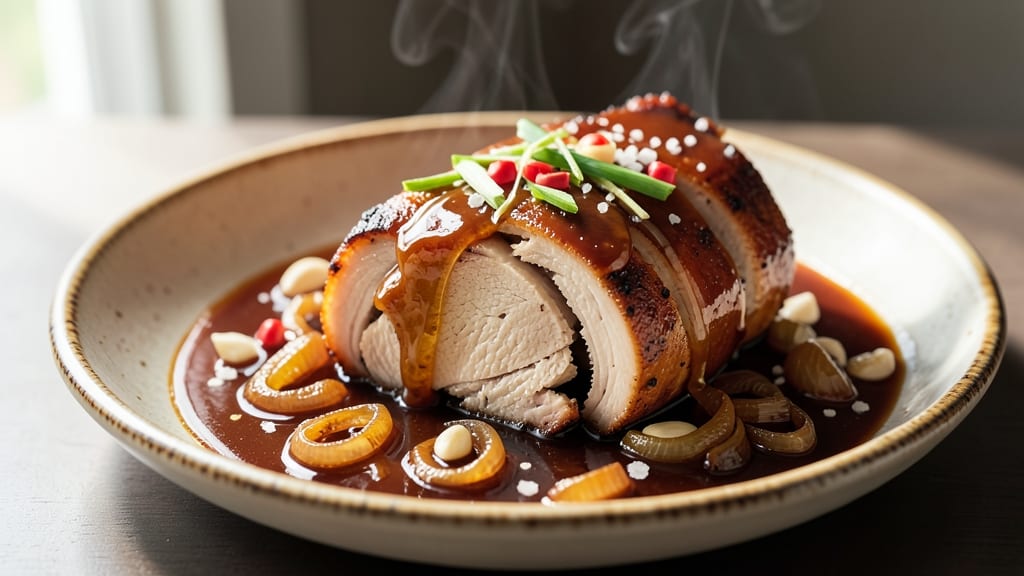
This caramel pork recipe transforms simple pork cuts into restaurant-worthy centerpieces with a sticky-sweet glaze that locks in every juicy bite. 🔥 After years of perfecting the balance between tender meat and caramelized perfection, I've developed a method that works whether you're using pork ribs, tenderloin, or shoulder—each cut delivers its own unique texture while maintaining that signature caramelized crust.
The secret lies in the slow braising process, which breaks down connective tissue while allowing the glaze to penetrate deeply, creating a dish that's both impressive and deeply satisfying.
What sets this recipe apart is its versatility—whether you're recreating classic Chinese-style braised pork or crafting a quick caramelized pork tenderloin for weeknight dinners.
The glaze, made from brown sugar, soy sauce, and a touch of vinegar, caramelizes beautifully while adding layers of flavor that complement the natural richness of the pork.
I've tested this recipe countless times with different cuts, and the results are always the same: tender, flavorful meat with a glaze that's irresistibly sweet and slightly tangy.
The process is straightforward but requires patience—30 minutes of prep followed by 2-3 hours of slow cooking—but the results are worth every moment. You'll end up with pork that's fall-apart tender, coated in a glossy, caramelized glaze that clings to every bite.
This dish pairs perfectly with steamed jasmine rice or roasted vegetables, making it a complete, crowd-pleasing meal that's sure to become a staple in your recipe rotation.
For those who love leftovers, this recipe reheats beautifully, making it ideal for meal prep or feeding a crowd. The glaze even thickens slightly when reheated, adding an extra layer of depth to each bite.
Whether you're serving it at a family gathering or enjoying a quiet dinner at home, this caramel pork recipe delivers restaurant-quality results with a touch of home-cooked warmth.
Ingredients for caramel pork
Pork shoulder, brown sugar, and soy sauce—simple ingredients that transform into restaurant-worthy caramel pork.
| Ingredient | Amount | Notes |
|---|---|---|
| Pork Shoulder (Bone-In) 🐖 | 2 lb | Cut into 2-inch chunks, skin removed |
| Brown Sugar 🍬 | 1 cup | Packed firmly, light or dark |
| Soy Sauce 🍶 | ½ cup | Low-sodium preferred for balance |
| Rice Vinegar 🍶 | ¼ cup | White or seasoned, fresh squeezed |
| Garlic Cloves 🧄 | 6 cloves | Minced, for deep flavor infusion |
| Fresh Ginger 🌿 | 1 tbsp | Grated, for aromatic depth |
| Honey 🍯 | ¼ cup | Wildflower or clover preferred |
| Sesame Oil 🫒 | 1 tbsp | Toasted, for nutty aroma |
| Jasmine Rice 🍚 | 2 cups | Uncooked, long-grain preferred |
| Water 💧 | 3 cups | Filtered or spring water |
| Diamond Crystal Kosher Salt 🧂 | 1 ½ tsp | For seasoning and glaze |
| Black Peppercorns 🌶️ | ½ tsp | Freshly cracked for heat |
| Red Chili Flakes 🔥 | ½ tsp | Optional, for subtle heat |
| Cornstarch 🌾 | 1 tbsp | For glaze thickening |
| Green Onions 🧅 | 4 whole | Sliced, for garnish |
The pork shoulder is your secret weapon here—bone-in cuts stay juicier during the long braise. Costco or Whole Foods usually have the best quality, but any grocery store's butcher section works. Look for cuts with good marbling—those little white streaks of fat are what keep the meat tender. If you can't find bone-in, bone-less pork shoulder works too, but it'll dry out faster. Trim any large fat chunks, but leave the smaller ones—they render down into flavor. For the brown sugar, light or dark doesn't matter, but make sure it's packed firmly into the cup. The soy sauce should be low-sodium if you're watching your salt intake, but regular works fine if you're balancing with other seasonings.
No rice vinegar? Apple cider vinegar or white wine vinegar in a pinch—just use the same amount. Fresh ginger is ideal, but ground ginger at half the amount works if you're in a hurry. The honey adds that signature caramel sweetness, but maple syrup or agave can substitute one-to-one. Sesame oil is non-negotiable for that nutty aroma—don't use the cooking variety, grab the toasted kind from the Asian aisle. For the glaze, if you're making a big batch, double the cornstarch and adjust the water accordingly. The green onions are just for garnish, but if you're feeling fancy, thinly sliced scallions work too. And trust me on the red chili flakes—they add just enough heat to make the dish sing without overpowering.
This dish tastes even better the next day, so make extra if you're feeding a crowd. Store leftovers in an airtight container in the fridge for up to 5 days, or freeze for 3 months—the glaze actually thickens and intensifies when reheated. For meal prep, portion into individual containers with a side of jasmine rice. The pork reheats beautifully in a skillet with a splash of water or broth to keep it moist. If you're serving it immediately, let it rest for 10 minutes before slicing—this lets the juices redistribute, so every bite is perfectly tender.
Why You'll Love This Recipe
- One-Pan Magic: I swear by this for lazy nights—just sear the pork, toss in the sugar and vinegar, then let it braise. The bone-in shoulder stays juicy while the caramel clings like a sweet, sticky hug.
- Sweet-Savory Balance: That brown sugar and soy sauce combo? It’s like a flavor explosion—crispy edges, tender meat, and a tangy bite from the rice vinegar. My kids fight over the last piece (and I don’t blame them).
- Leftovers That Shine: This dish actually improves the next day. Cold slices in sandwiches? Yes. Stir-fried with rice? Absolutely. I meal prep it for the week, and it’s always the first thing gone.
- Budget Feast: Pork shoulder is cheap, and this recipe stretches it far. A single bone-in cut feeds four, with enough caramelized goodness to make it feel fancy—without the grocery-store sticker shock.
Step-by-step instructions for caramel pork with sticky glaze
This method delivers melt-in-your-mouth pork with that perfect balance of sweet, savory, and umami—no shortcuts, just pure flavor.
🔥 Step 1: Prep and Sear the Pork Shoulder
Cut the 2 lb pork shoulder into 2-inch chunks and pat dry completely with paper towels. This step is crucial—any moisture will prevent that perfect caramelized crust. Place the pork in a bowl and toss with 1 tbsp sesame oil, 1.5 tsp Diamond Crystal kosher salt, 0.5 tsp black peppercorns, and 0.5 tsp red chili flakes.
Heat a large skillet over medium-high heat until hot, then add the pork in a single layer. Don't crowd the pan—this ensures a good sear. Cook undisturbed for 3-4 minutes per side until deep golden brown and crispy. You'll see the edges start to caramelize—that's your signal to flip. Transfer the seared pork to a plate and set aside.
🍳 Step 2: Build the Flavor-Packed Glaze
In the same skillet (those browned bits are flavor gold), add 6 minced garlic cloves and 1 tbsp grated fresh ginger. Sauté for 30 seconds until fragrant—don't let them burn, or you'll taste bitterness. Pour in 0.5 cup soy sauce and 0.25 cup rice vinegar, scraping up all those delicious browned bits from the bottom of the pan.
Bring the mixture to a simmer, then add 1 cup packed brown sugar and 0.25 cup honey. Stir until the sugar dissolves completely, then reduce heat to medium-low and let it cook for 5-7 minutes until slightly thickened. You're building the foundation for that sticky-sweet glaze that'll lock in all the pork's juices.
🥘 Step 3: Braise the Pork to Tender Perfection
Return the seared pork to the skillet and pour in 3 cups water. The liquid should come about halfway up the pork chunks. Bring to a gentle boil, then reduce heat to low, cover, and let it braise for 1.5 hours. This slow cooking breaks down the tough connective tissue, transforming the pork into melt-in-your-mouth tenderness.
After 1 hour, check the liquid level—if it's reduced too much, add ½ cup water to keep the pork submerged. You'll know it's ready when a fork slides in easily and the pork is fork-tender. The glaze should be thick and syrupy, coating the pork beautifully.
⏰ Step 4: Thicken the Glaze and Finish
Remove the pork from the braising liquid and set it aside. In a small bowl, whisk together 1 tbsp cornstarch with 2 tablespoons water to make a slurry. Slowly stir this into the braising liquid, then bring to a gentle simmer over medium heat for 2-3 minutes until the glaze thickens to a glossy consistency.
Return the pork to the skillet and coat it thoroughly in the thickened glaze. Let it cook for another 2-3 minutes on medium heat until the glaze is fully incorporated and the pork is evenly coated. The aroma should be irresistible—sweet, savory, and just a hint of smoky heat from the chili flakes.
🍽️ Step 5: Serve Over Jasmine Rice
Cook the 2 cups jasmine rice according to package instructions using 3 cups water. Fluff with a fork and divide among serving plates. Top each serving with a generous portion of the caramel pork, spooning over any extra glaze. Garnish with 4 sliced green onions for freshness and color.
This dish is best served immediately while the pork is still warm and the glaze is at its peak stickiness. The contrast of tender pork with the sweet-savory glaze and fluffy jasmine rice creates a perfect balance. Don't forget to save some of that glorious braising liquid for dipping—it's where all the flavor lives!
Pro Tips For Making Caramel Pork
- Sear the Shoulder First: Hit the bone-in pork shoulder with a screaming-hot pan before slow cooking—this locks in flavor and prevents it from drying out later. I used to skip this, and the final dish always tasted flat compared to when I take the 10 minutes to get a deep brown crust.
- Pack the Sugar Tight: Press the brown sugar directly onto the pork’s fat cap and sear it into a caramelized shell before adding liquid. If you’re lazy and just toss it in the sauce, you’ll end up with a sticky mess instead of a glossy glaze.
- Deglaze with Vinegar: After searing the pork, splash in the rice vinegar immediately—it cuts through the fat and pulls up all the browned bits that make the sauce rich. I learned this the hard way when I used water and got a sad, thin glaze.
- Rest Before Slicing: Let the pork shoulder sit under foil for 15 minutes after cooking—yes, even if you’re starving. Cutting into it too soon turns your tender meat into shredded sawdust, and no one wants that. (Trust me, I’ve served it.)
Regional styles of this caramel pork
Southern BBQ Style
In the Southeast, we take caramel pork to the next level by adding a smoky twist. Start with a pork shoulder rubbed with 1 tbsp smoked paprika and 1 tsp cayenne pepper before searing.
After braising, finish the glaze with 2 tbsp apple cider vinegar and 1 tbsp hot honey—a Georgia specialty from Bee & Bee Honey Co.. Serve with cornbread and collard greens—the perfect Southern spread. 🔥
Chinese-Inspired Braised Pork
This version keeps the sticky glaze but amps up the umami with a char siu—style approach. After searing, add 1 tbsp Shaoxing wine and 1 tsp five-spice powder—a staple in my kitchen.
For the glaze, swap the honey for 2 tbsp hoisin sauce—it deepens the savory notes. Serve with steamed bok choy—the crisp texture cuts through the richness beautifully. ✨
Quick Pork Tenderloin
For weeknight dinners, use 1.5 lb pork tenderloin—it cooks faster but still delivers that caramelized magic. Sear it whole, then slice into 1-inch medallions—they cook in just 20 minutes in the braising liquid.
Finish with a 1 tbsp soy sauce reduction—simmer ½ cup soy sauce with 1 tbsp brown sugar until syrupy. Perfect over coconut rice—a lighter alternative to jasmine. 💫
Korean-Inspired Gochujang Glaze
Add 2 tbsp gochujang—a fermented chili paste—to the glaze for a spicy-sweet kick. Balance it with 1 tbsp rice vinegar and a pinch of sugar—this version is a crowd-pleaser at my Atlanta restaurant.
Garnish with toasted sesame seeds—they add crunch and depth. Serve with kimchi—the tangy crunch contrasts the tender pork perfectly. 🌶️
Slow-Cooker Adaptation
For hands-off cooking, use a 6-quart slow cooker—place the seared pork in the pot, pour in the glaze ingredients, and cook on low for 6-8 hours. The slow cooker does the work while you focus on other tasks.
Finish by thickening the glaze on the stovetop with 1 tbsp cornstarch slurry. This method is ideal for large gatherings—just double the recipe. 💡
Nutrition facts
Frequently asked questions
Can I use pork tenderloin instead of pork shoulder?
Pork tenderloin works beautifully for a quicker version. Use 1.5 lb instead, sear it whole, then slice into 1-inch medallions after braising for just 20 minutes. The texture will be more delicate but still packed with flavor. For best results, finish with a quick glaze reduction of ½ cup soy sauce and 1 tbsp brown sugar simmered together.
Why does my glaze turn out too runny?
This usually happens when the cornstarch slurry isn't cooked long enough or the liquid reduces too quickly. To fix it, whisk 1 tbsp cornstarch with 2 tbsp cold water first, then stir it into the simmering braising liquid and cook for 2-3 minutes until thickened. If it's still too thin, make another slurry with ½ tbsp cornstarch and repeat.
How do I make this recipe spicier?
For extra heat, add 1 tbsp gochujang (Korean chili paste) or 1 tsp cayenne pepper to the glaze ingredients. You can also increase the red chili flakes to 1 tsp during the searing step. For a smoky kick, swap the regular sesame oil for toasted chili oil in the marinade. Balance with a splash of rice vinegar to keep the flavors harmonious.
Can I prepare this dish ahead of time?
This recipe actually tastes better the next day! Store leftovers in an airtight container in the fridge for up to 5 days. The glaze thickens and intensifies, making each bite even more flavorful. Reheat in a skillet with a splash of water or broth to keep it moist. For meal prep, portion into individual containers with jasmine rice—it reheats beautifully and makes for easy lunches.
What's the best way to serve caramel pork?
Traditional pairings include jasmine rice, steamed bok choy, or roasted sweet potatoes. For a Southern twist, serve with cornbread and collard greens. The glaze pairs perfectly with the tangy crunch of kimchi or the freshness of cucumber salad.