
Main Courses
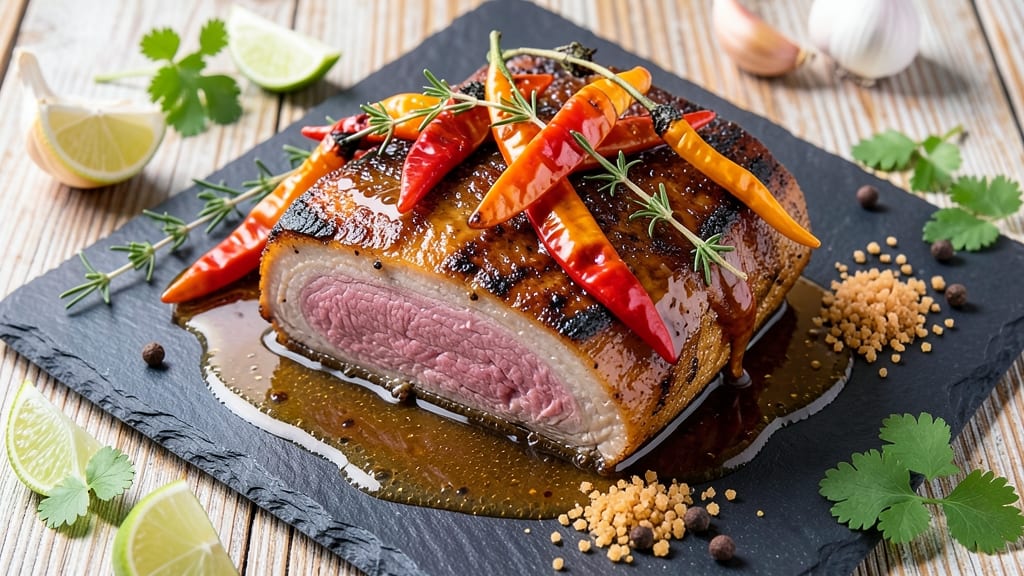
This Caribbean jerk pork loin recipe delivers restaurant-quality boldness with a spice rub that caramelizes into a sticky, flavorful crust. 🔥 I developed this after years of perfecting jerk techniques—balancing heat, sweetness, and smokiness for a dish that's both authentic and approachable.
The secret lies in layering spices overnight, allowing flavors to meld deeply into the meat.
The recipe begins with a dry rub of allspice, Scotch bonnet peppers, thyme, and brown sugar—essential for that signature jerk flavor.
You'll cook the pork loin either on the grill (for smoky char) or in the oven (for consistent heat), ensuring the exterior develops that perfect caramelized bark while keeping the interior tender. This method works equally well for weeknight dinners or weekend gatherings.
What you'll achieve is succulent pork loin with a deep red, sticky glaze that's impossible to resist. The spices infuse the meat so thoroughly that every bite delivers layers of warmth, sweetness, and a hint of smoky heat.
Serve it with classic sides like coconut rice and peas or grilled plantains to complete the Caribbean experience.
Whether you're grilling outdoors or cooking in your kitchen, this recipe delivers foolproof results. The marinade can be prepped ahead, making it perfect for meal prep or last-minute entertaining. Let's get cooking—your taste buds won't be disappointed.
Ingredients for caribbean jerk pork loin
Bold spices, tender meat, and a caramelized crust—here’s what makes this jerk pork shine.
| Ingredient | Amount | Notes |
|---|---|---|
| Pork Loin 🐖 | 2 lb | Center-cut, 1.5-inch thick |
| Scotch Bonnet Peppers 🌶️ | 2 whole | Seeds removed for less heat |
| Allspice Berries 🌿 | 2 tbsp | Ground fresh for maximum flavor |
| Fresh Thyme 🌿 | ½ cup | Stems removed, finely chopped |
| Brown Sugar 🍚 | ½ cup | Light or dark variety |
| Garlic Cloves 🧄 | 6 cloves | Peeled, minced finely |
| Ground Ginger 🌿 | 1 tbsp | Freshly grated preferred |
| Onion Powder 🧅 | 1 tbsp | For depth of flavor |
| Salt 🧂 | 1 ½ tbsp | Diamond Crystal preferred |
| Black Peppercorns 🌶️ | 1 tsp | Freshly cracked |
| Lime Juice 🍋 | ¼ cup | Freshly squeezed |
| Olive Oil 🫒 | 2 tbsp | Extra-virgin for richness |
| Honey 🍯 | 2 tbsp | For balancing heat |
| Soy Sauce 🍶 | 1 tbsp | For umami depth |
The Scotch bonnet peppers are non-negotiable for authentic jerk flavor—look for vibrant red ones at Caribbean markets or the international aisle. Penzeys Spices carries them year-round if you can't find fresh. Allspice berries should be ground fresh for maximum aroma; pre-ground loses potency fast. I always double-check the heat level of Scotch bonnet peppers—remove seeds if you want less heat. For the pork loin, center-cut is crucial—it stays juicier during the long cooking time. Costco or Whole Foods usually have excellent quality, but any butcher will trim it to the right thickness if you ask nicely.
No Scotch bonnet? Habanero peppers at half the amount work in a pinch, but expect more heat. Fresh thyme wilted? Dried thyme at one-third the quantity gets you close, though fresh is ideal. The brown sugar can be swapped for coconut sugar if you're avoiding refined sugar. For extra depth, add a dash of cinnamon or nutmeg—I do this when I'm feeling adventurous. The lime juice should be freshly squeezed (none of that bottled stuff), and if you're out, lemon juice with a pinch of salt works. The olive oil matters here—use something fruity and peppery like California Early Harvest.
This rub keeps beautifully in an airtight container for up to 2 weeks—perfect for meal prep. The pork loin can be marinated overnight, but no longer than 12 hours to prevent over-softening. For leftovers, store in the fridge for 3-4 days or freeze for 3 months. I always portion the cooked pork into single servings before freezing—reheats perfectly with a quick sizzle in a hot pan. The caramelized crust? That's the magic—don't skip the high-heat sear at the end.
Why You'll Love This Recipe
- One-Pan Magic: I swear by this—just rub the pork with the jerk marinade (Scotch bonnet + allspice + thyme), throw it on a sheet pan, and let the oven do the work. No chopping, no flipping, no stress. The brown sugar caramelizes into a sticky glaze that’s basically effortless.
- Flavor Explosion: That first bite? Sweet heat from the Scotch bonnet, deep warmth from the allspice berries, and a bright thyme finish—it’s like a party in your mouth. The brown sugar keeps it from being too spicy, so it’s bold but balanced, not overpowering.
- Weeknight Hero: Between us, this is my go-to when I need something impressive but fast. Serve it with rice and peas for a full meal, or slice it thin for tacos on a Friday night. Honestly, it works for lunch, dinner, or even a picnic—just reheats like a dream.
- Leftovers That Don’t Suck: I make a double batch because the flavor gets better the next day—those spices meld into something richer. Shred it for sandwiches, chop it into fried rice, or just reheat slices straight from the fridge. No sad, dry meat here.
Step-by-step instructions for Caribbean jerk pork loin
Transform simple pork into restaurant-quality jerk with this bold, caramelized crust.
👨🍳 Step 1: Create the Jerk Rub Mixture
In a food processor, combine the 2 whole Scotch Bonnet Peppers (seeds removed), 2 tbsp Allspice Berries, 0.5 cup Fresh Thyme, 0.5 cup Brown Sugar, 6 cloves Garlic Cloves, 1 tbsp Ground Ginger, 1 tbsp Onion Powder, 1.5 tbsp Salt, and 1 tsp Black Peppercorns. Pulse until you achieve a coarse, evenly distributed powder—this ensures maximum flavor penetration. Here's the thing—don't skip the Scotch Bonnet peppers, even with seeds removed, as they're the heart of that signature jerk heat.
Transfer the rub to a mixing bowl and whisk in the 0.25 cup Lime Juice, 2 tbsp Olive Oil, 2 tbsp Honey, and 1 tbsp Soy Sauce. This liquid mixture helps the rub adhere to the meat and adds depth of flavor. The honey and soy sauce create a perfect balance between sweet, savory, and spicy notes that caramelize beautifully during cooking.
🍳 Step 2: Coat and Rest the Pork Loin
Pat the 2 lb Pork Loin completely dry with paper towels—this is crucial for developing that perfect crispy crust. Generously coat all sides with the jerk rub mixture, pressing it into the meat so it sticks. I like to use my hands for this step, working the rub into every crevice. Place the coated pork on a wire rack set over a baking sheet to allow air circulation on all sides.
Cover the pork loosely with plastic wrap and refrigerate for at least 2 hours (overnight works best). This resting period allows the rub to penetrate deeply and the flavors to meld together. Don't rush this step—proper marinating time is what transforms good pork into exceptional jerk pork loin.
🔥 Step 3: Sear for Maximum Flavor
Preheat your oven to 425°F. Heat a large oven-safe skillet over medium-high heat and add the pork loin. Sear for 3-4 minutes per side until you achieve deep golden brown coloration—this is where all those beautiful caramelized flavors develop. You'll know it's ready when the rub starts to crisp and the pork releases easily from the pan.
Once seared, transfer the skillet to the preheated oven. Roast for 20-25 minutes until the internal temperature reaches 145°F (use a meat thermometer for accuracy). The pork should be tender but still slightly firm to the touch. Here's where it gets fun—the caramelized crust should crack slightly as it cooks, releasing those incredible jerk aromas into your kitchen.
⏰ Step 4: Rest and Serve
Remove the pork from the oven and transfer it to a cutting board. Tent loosely with foil and let it rest for 10-15 minutes. This resting period is essential for redistributing the juices throughout the meat, ensuring each slice is moist and flavorful. I know it's tempting to cut into it immediately, but trust me—waiting makes all the difference.
Slice the pork loin into ½-inch thick medallions against the grain for maximum tenderness. The exterior should be beautifully caramelized with a crackly crust, while the interior remains juicy and infused with jerk flavors. Serve immediately with your favorite sides—think grilled pineapple, coconut rice, or steamed vegetables to complement the bold jerk profile.
Pro Tips For Making Caribbean Jerk Pork Loin
- Sear the Pork First: Hit that pork loin with a screaming-hot pan for 3-4 minutes per side before adding the marinade. I learned this the hard way—skipping the sear means the jerk spices just cling instead of caramelizing into a crust. The Maillard reaction here is your friend, especially with that brown sugar in the mix.
- Toast the Allspice: Dry-toast the whole allspice berries in a separate pan for 30 seconds until fragrant. Sounds weird, but it works—it deepens the flavor and prevents that bitter aftertaste that ruins a good jerk marinade. Crush them lightly after, and you’ll taste the difference.
- Don’t Overcrowd the Peppers: If you’re grilling or roasting the pork, handle those Scotch bonnets carefully—don’t pile them on top of the meat. Their heat will cook unevenly, and you’ll end up with some parts blistered and others raw. Spread them out or add them in stages.
- Rest Before Slicing: Give that pork loin a solid 5-10 minutes under foil after cooking, even if you’re impatient like me. Jerk pork is lean, and cutting into it too soon means you’ll lose all that juicy goodness. Let it settle, then slice against the grain for tender bites.
Dietary considerations for this dish
Gluten-Free Adaptations
This jerk pork loin recipe is naturally gluten-free, but watch the soy sauce—some brands contain wheat. I always use Kikkoman Tamari or San-J Tamari, which are certified gluten-free. The brown sugar can also be an issue if it's processed in a wheat facility, so opt for Wholesome!
Sweetener or Trader Joe's Organic Coconut Sugar to stay safe. 🌱
Dairy-Free Considerations
No dairy is involved in this recipe, making it perfect for those avoiding lactose. The jerk rub relies entirely on spices, citrus, and honey for flavor. If you're serving with sides like coconut rice or plantains, double-check those for hidden dairy—some coconut milk brands add it for creaminess.
I stick with Goya Coconut Milk for my rice, which is naturally dairy-free.
Spice Sensitivity Adjustments
Scotch bonnet peppers pack serious heat, so if you're sensitive to spice, reduce the amount to 1 pepper or swap for 1 habanero (seeds removed). For milder heat, I sometimes add 1 tsp smoked paprika to the rub—it adds depth without the burn.
Always taste your rub before applying it to the meat to gauge the heat level. 🌶️
Vegetarian/Plant-Based Swaps
While pork loin is the star here, you can adapt this technique for plant-based proteins like jackfruit or mushroom steaks. Use the same jerk rub and sear in a cast-iron skillet for that caramelized crust.
For jackfruit, I recommend Young Coco Jackfruit in Brine—it holds up well to the marinade and mimics pulled pork texture when shredded. 🌱
Nut-Free Kitchen Safety
This recipe is already nut-free, but cross-contamination is key in shared kitchens. Use clean utensils and surfaces, especially if you're also handling tree nuts. The olive oil and honey in the rub are safe, but always check labels on pre-made ingredients like soy sauce or brown sugar for nut warnings.
I keep a separate OXO Good Grips cutting board just for nut-free prep.
Allergen-Friendly Tips
For egg allergies, no adjustments are needed—this recipe is completely egg-free. If you're avoiding shellfish, ensure your soy sauce is shellfish-free (some brands process with seafood).
For those with nightshade sensitivities, omit the Scotch bonnet peppers and replace them with 1 tbsp ground coriander and 1 tsp cinnamon for warmth without the nightshade compounds. 💡
Nutrition facts
Frequently asked questions
Can I use regular bell peppers instead of Scotch bonnet?
Not for authentic jerk flavor—the Scotch bonnet's heat and fruity depth are essential. If you can't find them, try 1 habanero pepper (seeds removed) for similar heat, or reduce to ½ pepper for milder spice. The missing fruitiness can be replaced with 1 tsp ground allspice to compensate.
How do I adjust this for a grill instead of oven?
Preheat your grill to medium-high (400-425°F) and oil the grates well. Sear the pork for 3-4 minutes per side until deeply caramelized, then move to indirect heat. Cook for 15-20 minutes until internal temp reaches 145°F. The key is maintaining consistent heat—avoid flare-ups by keeping the lid closed.
Why did my pork come out dry?
This usually happens from overcooking or skipping the rest time. Use a meat thermometer (145°F is perfect) and never cut into the pork until it's rested for 10-15 minutes. For extra moisture, try brining the pork for 1 hour before marinating (use ¼ cup salt per 4 cups water).
What sides pair best with jerk pork?
Classic Caribbean pairings include coconut rice and peas, grilled plantains, or sweet fried dumplings. For a lighter option, try mango salsa or black beans with lime. The acidity cuts through the richness, balancing the bold jerk flavors perfectly.
Can I make this ahead of time?
Cook the pork, let it cool completely, then store in an airtight container for 3-4 days in the fridge. For reheating, warm in a skillet over medium heat with 1 tbsp apple cider vinegar to refresh the crust. Freeze for 3 months—thaw overnight in the fridge before reheating.