
Main Courses
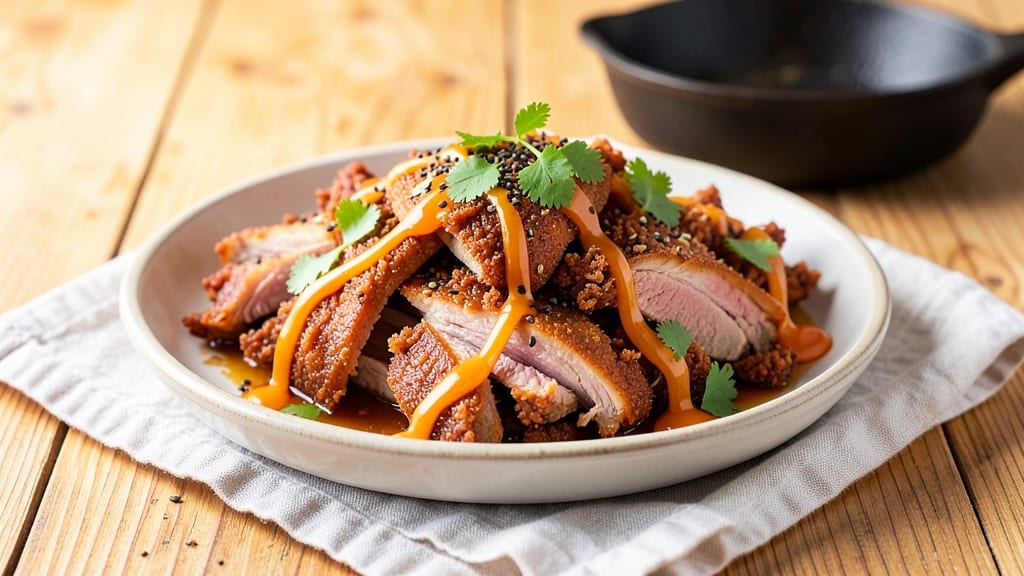
This carnitas roast pork recipe delivers the perfect balance of crispy-crackled edges and juicy, tender meat—a technique I perfected after years of cooking for crowds at The Smoky Pig. The secret lies in slow-roasting with citrus and spices, then crisping the edges in a hot oven.
That first bite of crackling pork with melty centers? It’s the kind of dish that transforms a simple meal into a celebration.
What sets this recipe apart is the two-stage cooking process: first, a gentle roast to render fat and tenderize the meat, then a high-heat finish to create that signature crisp.
I use a blend of orange juice and lard for authentic flavor and texture, but you can adapt with olive oil if needed. The result is pork so flavorful it disappears from the platter—and that’s a compliment.
By the time you’re done, you’ll have shreds of pork that are crispy on the outside, juicy within, and infused with bright citrus and warm spices. Serve them in tacos, over rice, or straight from the pan with lime wedges.
This is the kind of dish that makes people ask for seconds before you even sit down.
The best part? It’s foolproof once you master the timing. Start with a pork shoulder (about 5 pounds), and you’ll end up with enough for a crowd—or leftovers that taste even better the next day. Let’s get cooking—your taste buds (and dinner guests) will thank you.
Ingredients for carnitas roast pork
Citrus, spices, and pork shoulder—this trio creates carnitas magic every time.
| Ingredient | Amount | Notes |
|---|---|---|
| Pork Shoulder 🐷 | 5 lb | Bone-in preferred for flavor |
| Lard 🧈 | ½ cup | Or substitute olive oil |
| Fresh Orange Juice 🍊 | 1 cup | From 2-3 oranges, freshly squeezed |
| Fresh Lime Juice 🍋 | ¼ cup | Brightens the flavor profile |
| Ground Cumin 🌿 | 2 tbsp | Toasted for deeper flavor |
| Dried Oregano 🍃 | 1 tbsp | Mexican oregano preferred |
| Garlic Cloves 🧄 | 6 cloves | Peeled and smashed |
| Salt 🧂 | 2 tbsp | Kosher or sea salt |
| Black Peppercorns 🌶️ | 1 tbsp | Freshly ground |
| Bay Leaves 🌿 | 2 whole | For aromatic depth |
| Cinnamon Sticks 🌰 | 2 whole | For subtle warmth |
| Fresh Cilantro 🌿 | ¼ cup | Chopped, for garnish |
| Lime Wedges 🍋 | 4 whole | For serving |
The pork shoulder is your star player—bone-in gives the most flavor, but bone-out works too if you're in a hurry. Costco or Whole Foods usually have great cuts, but any well-marbled shoulder will do. Look for one with a good fat cap—it renders down beautifully during cooking. I always ask the butcher to trim off any excess silver skin for cleaner shreds. If you're using lard, grab the leaf kind from the baking aisle—it's pure and melts cleanly. No lard? Olive oil works in a pinch, though purists will notice the difference.
Fresh citrus is non-negotiable here—the juice needs to be bright and tangy. Navel oranges are best for juice, but any sweet orange will work. Lime juice adds that signature brightness, so don't skip it. The spices? Toast your cumin seeds in a dry pan for 30 seconds first—Penzeys sells pre-toasted if you're short on time. Mexican oregano has a different flavor profile than Italian, so if you can find it, grab a small bag. For the garlic, smashing the cloves instead of mincing keeps more flavor intact. And if you're worried about the cinnamon sticks being too strong, just use one instead of two—they're more about aroma than taste.
This dish tastes even better the next day, so plan ahead. Store leftovers in an airtight container with a paper towel pressed on top to absorb any moisture—keeps them crispy for 4-5 days. For longer storage, freeze portions for up to 3 months. I like to portion mine into individual bags with a lime wedge so I can reheat just what I need. When reheating, start with a dry pan over medium heat—no liquid needed. The residual fat will crisp everything up beautifully. Garnish with fresh cilantro and lime wedges right before serving—it makes all the difference.
Why You'll Love This Recipe
- Citrus Kiss Magic: That bright punch from fresh orange and lime juice? It’s the secret weapon. The acid tenderizes the pork while cutting through the richness—like a zesty hug for your taste buds, especially when you’re serving it with warm tortillas.
- Leftovers Are a Gift: Between us, this recipe makes way more than you’ll eat in one sitting. The pork gets even better the next day—crispier edges, deeper flavor—so you can turn last night’s dinner into tomorrow’s tacos, burrito bowls, or even a loaded breakfast scramble.
- Budget-Friendly Feast: Pork shoulder is my wallet’s best friend—cheap, hearty, and packed with flavor. A single roast stretches across three meals, feeds a crowd, and still leaves me enough for leftovers without breaking the bank. (Yes, even on a Tuesday night.)
Step-by-step instructions for crispy-crackled carnitas
Here's how to transform that pork shoulder into irresistible, crackling carnitas with tender centers.
Prep the Pork and Make the Rub
Start by patting the 5 lb pork shoulder completely dry with paper towels. I can't emphasize this enough—moisture is the enemy of crispy carnitas. Trim any excess fat, leaving about ¼ inch to protect the meat during cooking.
In a small bowl, mix together the 2 tbsp ground cumin, 1 tbsp dried oregano, 2 tbsp salt, and 1 tbsp freshly ground black peppercorns. Rub this mixture all over the pork, pressing it into the meat so it sticks. Toss the 2 whole bay leaves and 2 whole cinnamon sticks in with the pork in your roasting pan—they'll infuse flavor as it cooks. Let the seasoned pork sit at room temperature for 30 minutes while you prep the rest.
Render the Lard and Sear the Pork
Heat a large oven-safe skillet or Dutch oven over medium-high heat. Add the 0.5 cup lard and let it melt completely, about 2 minutes. The lard should be shimmering but not smoking—if it starts to smoke, reduce the heat slightly.
Carefully place the pork shoulder fat-side down in the skillet. Let it sear undisturbed for 5-7 minutes until the fat renders out and the bottom develops a deep golden crust. Flip the pork and sear the other side for another 5 minutes. This step creates the flavor foundation and helps crisp the meat later. Transfer the skillet to a 450°F preheated oven.
Braise Until Fork-Tender
Pour in the 1 cup fresh orange juice and 0.25 cup fresh lime juice around the pork. The acidity will tenderize the meat and add bright flavor. Cover the skillet tightly with foil and bake for 2 hours. After this time, check the pork—it should be fork-tender but not falling apart.
Here's the thing—I know it's tempting to peek, but every time you open that oven, you're losing heat and moisture. Trust the process. The pork will continue cooking even after you remove it from the oven, so it's better to slightly undercook it now than overcook it later.
Shred and Crisp the Carnitas
Remove the pork from the oven and let it rest for 15 minutes. Then, using two forks, shred the meat directly in the juices from the pan. You should have about 3-4 cups of shredded carnitas. Discard the bay leaves and cinnamon sticks—they've done their job.
Return the shredded pork to the skillet over medium-high heat. Let it cook uncovered for 8-10 minutes, stirring occasionally, until the edges become crispy and crackly. The liquid should reduce, creating a sticky, flavorful coating. If it gets too dry, add 1-2 tablespoons of the reserved braising juices to keep it moist.
Finish and Serve
Transfer the crispy carnitas to a serving platter. Garnish with the 0.25 cup chopped fresh cilantro and serve immediately with the 4 whole lime wedges on the side. The contrast between the crispy exterior and juicy interior is what makes these carnitas so special.
For the best experience, serve with warm tortillas, pickled onions, and a simple slaw. The citrusy, spiced flavor profile shines when paired with fresh, crunchy elements. Leftovers? Store in the fridge for up to 5 days—they actually get better as the flavors meld!
Pro Tips For Making Carnitas Roast Pork
- USE A MEAT THERMOMETER: I learned this the hard way—pulling pork shoulder at 203°F (95°C) is the sweet spot for carnitas. Anything lower, and you’ll have tough, chewy meat; anything higher, and it’ll turn to grease. The probe goes in the thickest part, away from fat or bone—no guessing.
- SALT THE PORK 12 HOURS EARLY: This isn’t the prettiest method, but it’s the tastiest. Generously coat the pork shoulder with kosher salt (about 1.5 teaspoons per pound) and refrigerate overnight. It keeps the meat juicy and lets the seasoning penetrate deep—no last-minute dryness or blandness.
- STRAIN THE CITRUS JUICE: Fresh orange and lime juice are non-negotiable, but pulpy juice clogs your marinade and burns easily. Strain it through a fine-mesh sieve or cheesecloth, then mix with the cumin and lard. Trust me, you’ll notice the difference when the pork roasts—no bitter aftertaste or uneven cooking.
- BROWN THE PORK BEFORE BRAISING: Skip the slow start if the pork isn’t golden-brown first. Sear it in batches over medium-high heat until deeply caramelized—this locks in flavor and builds a crust that won’t dissolve later. Use a little of that rendered lard in the pan; it’s the best shortcut to restaurant-quality depth.
Perfect pairings for this carnitas roast pork
Taco Night Essentials
Nothing beats serving carnitas in warm, fresh tortillas straight from the pan. I reach for corn tortillas (like Mission or La Banderita) for that authentic Mexican crunch, but flour tortillas work too if you prefer.
Warm them in a dry skillet for 20 seconds per side—just until pliable. For extra flavor, brush the inside with a little lard or olive oil before filling. 🌯
Top your tacos with quick-pickled red onions (thinly sliced onions soaked in ½ cup vinegar, 1 tbsp sugar, and ½ tsp salt for 30 minutes) and a sprinkle of crumbled cotija cheese.
The tangy crunch cuts through the richness of the pork beautifully. I also keep a bowl of avocado slices on hand for that creamy contrast.
Bowl Game-Changers
Turn carnitas into a hearty bowl by piling them over cilantro-lime rice (white rice cooked with 1 cup lime juice and ¼ cup chopped cilantro at the end). Add black beans (warmed with 1 tsp cumin and 1 tsp smoked paprika) and a drizzle of crema or sour cream.
For texture, toss in charred corn kernels or crispy tortilla strips. 🥗
For a smoky twist, swap rice for charred corn and quinoa—toss 1 cup cooked quinoa with 1 cup grilled corn, ½ cup black beans, and ¼ cup crumbled feta.
Top with carnitas and a sprinkle of chopped scallions. The earthy quinoa balances the pork’s richness perfectly.
Drink Pairings
A cold Mexican lager like Modelo Especial or Pacifico is my go-to—its crisp, clean finish cleanses the palate between bites. For something lighter, try a Mexican pale ale like Tecate, which has a subtle citrus note that complements the orange in the carnitas. 🍺
Non-alcoholic options? A sparkling limeade (mix 1 cup sparkling water, ½ cup lime juice, and 1 tbsp honey) or horchata (rice-cinnamon milk drink) adds a refreshing contrast. The sweetness of horchata balances the spicy, citrusy pork beautifully.
Unexpected Upgrades
Elevate your carnitas with a smoky chipotle crema: blend ½ cup sour cream, 1 tbsp adobo sauce (from canned chipotles), and 1 tsp honey. Drizzle over tacos or bowls for a smoky-sweet kick.
Or try pickled jalapeños (soaked in ½ cup vinegar, 1 tbsp sugar, and 1 tsp salt for 20 minutes) for heat lovers. 🌶️
For a breakfast twist, serve carnitas in scrambled eggs with cheddar cheese and salsa verde. The salty, spicy pork adds depth to the eggs, making it a weekend brunch star. I’ve even used leftover carnitas in breakfast burritos with potatoes and green chiles—game-changer for lazy mornings.
Nutrition facts
Frequently asked questions
Can I use pork shoulder or pork butt for this recipe?
Both work perfectly! Pork shoulder (also called pork butt) is ideal because its fat content renders beautifully, creating juicy, flavorful meat. If you can't find shoulder, pork butt will give you similar results—just trim excess fat to about ¼ inch for cleaner shreds. Look for well-marbled cuts from your local butcher or heritage pig farms.
What's the secret to getting crispy carnitas?
The two-stage cooking process is key: first, slow-roast until fork-tender, then crisp the shredded pork in a hot skillet. The lard (or olive oil) helps create that signature crackle, while the high-heat finish caramelizes the edges. For extra crispiness, let the pork rest 15 minutes before shredding—this helps the juices redistribute.
Can I make carnitas in a slow cooker?
Brown the pork first in a skillet, then transfer to the slow cooker with the citrus juices and spices. Cook on low for 8 hours or high for 5-6 hours. After shredding, crisp in a skillet as directed. The slow cooker method is perfect for hands-off prep, though oven-roasting gives slightly better texture control.
How do I store and reheat leftovers?
Store in an airtight container with a paper towel pressed on top to absorb moisture—keeps them crispy for 4-5 days. For reheating, use a dry skillet over medium-high heat (no liquid needed) until crispy again. Or bake at 375°F for 10 minutes with a splash of water to maintain moisture. Leftovers actually improve as flavors meld!
What's the best way to serve carnitas?
Classic tacos with warm corn tortillas are a must, but carnitas shine in bowls too! Try over cilantro-lime rice with black beans and avocado, or in breakfast burritos with eggs and potatoes. Garnish with lime wedges, pickled onions, and cotija cheese for that authentic Mexican touch. The possibilities are endless!