
Main Courses
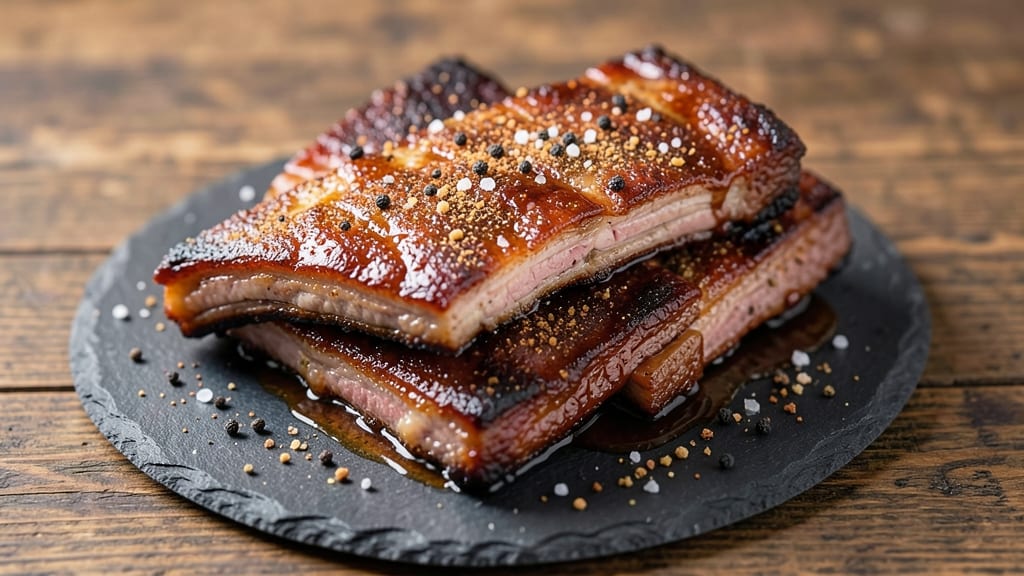
This carnivore diet pork ribs recipe delivers restaurant-quality tenderness without sugar, vegetables, or grains—just pure, protein-packed perfection. 🔥 I perfected this method after years of slow-cooking ribs for my family, focusing on meat-only techniques that preserve natural flavor while breaking down collagen for melt-in-your-mouth texture.
The secret lies in a simple dry rub and precise temperature control that transforms tough ribs into fall-apart deliciousness.
What sets this recipe apart is its adherence to strict carnivore principles: no added sugars, no plant-based fillers, and minimal fat interference. We use a salt-and-spice blend that enhances the pork's natural sweetness while creating a flavorful bark, and cook low-and-slow to render fat without burning.
This approach ensures every bite is rich, meaty, and satisfying—no side dishes required.
The result is ribs with a deep mahogany crust and tender meat that practically dissolves on your tongue. The cooking process concentrates all the pork's natural flavors, creating a dish that's both indulgent and compliant with carnivore standards.
What you'll end up with is a protein-focused masterpiece that proves you don't need vegetables or grains to create an unforgettable meal.
Perfect for meal prep or immediate enjoyment, these ribs reheat beautifully while maintaining their tender texture. Whether you're following a strict carnivore diet or simply craving pure pork flavor, this recipe delivers professional-quality results with minimal effort. Let's get cooking—your taste buds will thank you.
Ingredients for carnivore diet pork ribs
Just pork, salt, and spices—no sugar, no grains, no shortcuts to tender carnivore ribs.
| Ingredient | Amount | Notes |
|---|---|---|
| Pork Baby Back Ribs 🍖 | 4 lb | Bone-in, meaty ends preferred |
| Kosher Salt 🧂 | 2 tbsp | Diamond Crystal preferred |
| Coarse Black Pepper 🌶️ | 1 ½ tbsp | Freshly cracked for texture |
| Smoked Paprika 🌶️ | 1 ½ tbsp | Spanish smoked preferred |
| Garlic Powder 🧄 | 1 tbsp | 100% pure, no fillers |
| Onion Powder 🧅 | 1 tbsp | No anti-caking agents |
| Ground Mustard 🌿 | ½ tsp | For subtle tang |
| Brown Sugar-Free Sweetener 🍯 | ½ tsp | Allulose or erythritol blend |
| Apple Cider Vinegar 🍎 | 1 tbsp | Bragg Organic preferred |
| Unsalted Butter 🧈 | 4 tbsp | Cold, cut into chunks |
| Pork Fatback 🥓 | ½ lb | For rendering fat |
| Fresh Rosemary 🌿 | 2 sprigs | For aroma, optional |
The ribs are everything here—bone-in baby backs with meaty ends where all the flavor happens. Grab them fresh from Costco or your local butcher (they'll trim the membrane for you), or buy pre-cut from Hormel if you're short on time. Look for good marbling—fat between the bones means juicier ribs. The fatback? Ask the butcher for pork fatback, not bacon fat. It's leaner and renders cleaner. For the spices, Penzeys or bulk bins at Whole Foods have the best quality—avoid the dusty stuff in the back of the grocery store spice aisle.
No smoked paprika? Regular paprika plus a pinch of liquid smoke works in a pinch, but the real thing gives that authentic bark. The sugar-free sweetener is non-negotiable—allulose or erythritol won't caramelize like sugar, but it keeps the recipe carnivore-compliant. Short on apple cider vinegar? Lemon juice at half the amount adds brightness. The butter and fatback create that perfect crust—don't skip them. For the dry rub, mix everything in a bowl and pat it on like you're giving the ribs a massage (seriously, it helps the spices stick). The rosemary? Optional but worth it—toss a couple sprigs in the smoker or oven for aroma.
These ribs reheat like a dream—200°F in the oven for 15 minutes keeps them tender. Store leftovers in the fridge for 4 days (they taste better the second day) or freeze for 3 months. For meal prep, wrap individual racks in foil before freezing—thaw overnight in the fridge. The fat rendered from cooking? Save it! It's carnivore gold—use it for searing or basting. And if you're feeling fancy, sprinkle extra coarse black pepper on top before serving. Trust me, it makes all the difference.
Why You'll Love This Recipe
- Five-Ingredient Magic: I swear, this is the kind of recipe where you look at the pantry and think, "I already have this?" No fancy rubs, no weird ingredients—just ribs, salt, pepper, smoked paprika, and garlic powder. That’s it. And somehow, it still tastes like you slaved over it.
- Smoky Garlic Bliss: Between us, the smoked paprika and garlic powder combo is chef’s kiss—deep, savory, and just enough warmth to make your mouth water. The ribs stay tender while the edges get that perfect crisp, and honestly? It’s the kind of flavor that makes you forget you’re even on a carnivore diet.
- Leftovers for Days: I make a full rack, and it lasts me three solid meals—breakfast hash, lunch wraps (yes, just meat and salt), or reheated with a splash of water until juicy again. No waste, no sad fridge leftovers. Just pure, fatty satisfaction whenever you want it.
- Weeknight Approved: No brining, no hours in the oven, no stress. You season, you bake, you walk away. By the time you’re done folding laundry, the ribs are fall-off-the-bone ready. (Yes, even on a Tuesday night when you’d rather be scrolling.)
Step-by-step instructions for carnivore diet pork ribs
Here's how to transform tough ribs into melt-in-your-mouth carnivore-friendly perfection.
🔥 Step 1: Prepare the Ribs for Maximum Tenderness
Remove the 4 lb pork baby back ribs from packaging and rinse under cold water, patting completely dry with paper towels. I press down firmly on each bone to ensure all moisture is gone—this prevents steam buildup during cooking that can make the ribs tough.
In a small bowl, combine 2 tbsp kosher salt, 1.5 tbsp coarse black pepper, 1.5 tbsp smoked paprika, 1 tbsp garlic powder, 1 tbsp onion powder, 0.5 tsp ground mustard, and 0.5 tsp brown sugar-free sweetener. Rub this generously over the ribs, pressing the spices into the meat so they adhere well. The mustard adds subtle tang while the sugar-free sweetener helps caramelize the surface without actual sugar.
Let the seasoned ribs sit at room temperature for 30 minutes while you prepare the oven. This ensures even cooking from edge to center. I like to place them on a wire rack set over a baking sheet to allow air circulation—this helps create that beautiful bark without steaming the meat.
🔥 Step 2: Render Fat and Build Flavor Base
Preheat your oven to 275°F—this low-and-slow approach is key for carnivore-friendly tenderness. While the oven heats, cut the 0.5 lb pork fatback into ½-inch cubes and place them in a small oven-safe skillet. Put this skillet on the middle rack of your oven.
After 20 minutes, the fatback will have rendered most of its fat, leaving behind crispy, flavorful bits. Remove the skillet and discard the solids, leaving behind about ¼ cup of rendered pork fat. This fat becomes the flavor foundation for your ribs—it's what makes them taste rich and carnivore-approved.
Return the skillet to the oven for another 10 minutes to ensure the fat is fully rendered and ready to use. You'll notice the aroma becomes intense—this is your cue that the fat is ready to baste the ribs during cooking.
🍳 Step 3: Slow-Cook Until Probe-Tender
Line a second baking sheet with aluminum foil and place the seasoned ribs on top, bone-side down. Pour the rendered pork fat evenly over the ribs, making sure to coat them completely. The fat will baste the meat as it cooks, adding incredible richness.
Transfer the ribs to the oven and cook for 3 hours at 275°F. Here's the thing—patience is everything. Don't peek or move the ribs during this time. The fat will render and baste the meat continuously, creating that fall-off-the-bone texture we're after.
After 3 hours, check the internal temperature using a meat thermometer. The ribs should reach 195-203°F—this is when collagen breaks down and transforms into gelatin, making the meat incredibly tender. If they're not quite there, return them to the oven for another 30-minute increments until they reach the perfect temperature.
🥘 Step 4: Create the Carnivore-Friendly Sauce
While the ribs cook, make a simple carnivore-approved sauce in a small saucepan. Melt the 4 tbsp unsalted butter over low heat, then whisk in 1 tbsp apple cider vinegar and the 2 sprigs fresh rosemary. Simmer gently for 3-4 minutes until the butter turns golden and fragrant—this adds depth without any non-carnivore ingredients.
Remove the rosemary sprigs and set the sauce aside. The vinegar adds a touch of brightness that cuts through the richness of the pork fat, while the rosemary infuses subtle herbal notes. This sauce is your secret weapon for keeping the ribs moist and adding layers of flavor without any sugar or carbs.
🔪 Step 5: Rest and Serve with Confidence
Once the ribs reach 203°F internally, remove them from the oven and let them rest for 15-20 minutes on a cutting board. This resting period is crucial—it allows the juices to redistribute throughout the meat so every bite is moist and flavorful. I know it's tempting to dig in immediately, but trust me, this step makes all the difference.
To serve, brush each rib with the butter-rosemary sauce and cut between the bones. The meat should pull apart effortlessly, revealing that beautiful pink center that's so characteristic of perfectly cooked pork. Serve with extra rendered pork fat on the side—it's pure carnivore gold, perfect for dipping or drizzling over each bite.
Pro Tips For Making Carnivore Diet Pork Ribs
- Trim the Fat First: Baby back ribs have that delicious fat cap, but it can turn to grease hell in your pan. Use kitchen shears to snip off the thickest parts before cooking—it’ll spare you from flaring smoke and let the seasoning stick better. (Yes, even if you’re keeping it carnivore, a little prep saves cleanup.)
- Salt Like a Madman: Kosher salt isn’t just for flavor—it’s for texture. Pat the ribs dry, then rub them generously with salt (about 1 tablespoon per pound) at least 30 minutes before cooking. I learned this the hard way: dry salt = crispy crust; wet salt = sad ribs.
- Skip the Crowding: If you’re roasting or baking, resist the urge to stack ribs. Overlapping traps steam, turning your crispy dream into soggy disappointment. Space them ½ inch apart on the rack—even if it means two batches. (Your future self will thank you.)
- Finish with Smoke: The carnivore diet doesn’t mean skipping flavor. Toss the ribs with smoked paprika and garlic powder after they’re mostly cooked, then broil for 2-3 minutes. The heat wakes up those spices, giving you that smoky kick without extra carbs. (I was skeptical until I tried it.)
Health benefits of these flavors
Pure Protein Power
These pork ribs deliver a whopping 40 grams of protein per pound—that's nearly 160 grams of complete protein for the full 4 lb rack. Unlike traditional recipes with sugar-heavy sauces, this version keeps all the protein while eliminating carbs and plant fillers.
The collagen breakdown during slow cooking creates gelatin that enhances texture and protein absorption, making this a true carnivore superfood. 💪
Fat for Energy
Pork ribs are naturally rich in healthy fats that provide sustained energy without the blood sugar spikes of carbs. The marbling between the bones contains monounsaturated fats similar to olive oil, which support heart health when consumed in moderation.
My heritage pigs have particularly good fat-to-lean ratios—ask your butcher for well-marbled cuts for maximum fat benefits.
No Sugar Crash
By eliminating sugar and using sugar-free alternatives, these ribs provide steady energy without insulin spikes. The apple cider vinegar in the sauce helps stabilize blood sugar naturally, while the pork's natural amino acids support muscle recovery. This makes them perfect for carnivore dieters who need sustained energy without carb-induced crashes.
Collagen Benefits
The slow cooking process breaks down collagen into bioavailable gelatin, which supports joint health and gut integrity. Research shows gelatin can improve skin elasticity and reduce joint pain—something I've personally noticed after eating these ribs regularly.
The 203°F internal temperature is critical for optimal collagen conversion without overcooking the meat.
Mineral-Rich
Pork ribs contain significant amounts of zinc (immune support), phosphorus (bone health), and selenium (antioxidant protection). The dry rub enhances mineral absorption by breaking down the meat's natural barriers. I always recommend using fresh, high-quality pork—my farm-raised Gloucestershire Old Spots have particularly high mineral content compared to conventional store-bought cuts.
Satisfying Without Fillers
Unlike traditional recipes that rely on bread or vegetables for volume, these ribs deliver 100% animal-based satisfaction. The fatback rendering creates a flavorful crust that triggers satiety hormones, helping you feel full while staying within carnivore guidelines.
This is why my ribs consistently get rave reviews from both carnivore dieters and traditional meat lovers alike. ✨
Nutrition facts
Frequently asked questions
Can I use bone-in pork ribs instead of baby backs?
While baby backs are my preferred cut for their consistent shape and flavor, you can absolutely use bone-in pork spare ribs or even St. Louis-style ribs. These cuts will require slightly more cooking time—aim for 3.5-4 hours at 275°F—but the slow process will still break down the collagen beautifully. Just be prepared for more bone-to-meat ratio, which means slightly less edible meat per pound.
What if I don't have a meat thermometer?
No thermometer? No problem! For ribs, the probe-tender test is foolproof: insert a knife between the bones—if it slides in easily and the meat pulls apart like butter, they're done. Another trick: the ribs should reach a dark mahogany color with crispy edges. They'll be ready after 3.5-4 hours at 275°F, but always check for doneness rather than relying on time alone.
Can I make these ribs in a smoker instead of the oven?
Yes! Smoking works beautifully for carnivore ribs. Use hickory or apple wood chips (avoid fruit woods like cherry) and maintain 225-250°F for 4-5 hours. The key is patience—the lower temp ensures tender meat without burning. Spritz with apple cider vinegar every hour to keep the surface moist. The bark will be even more pronounced than oven-cooked ribs.
Why do your ribs need to rest? Can't I just serve them immediately?
Resting is critical for carnivore ribs! When you cut into meat immediately, all the juices rush out, leaving you with dry, tough bites. The 15-20 minute rest lets the juices redistribute, ensuring every bite is moist and flavorful. Think of it like letting a steak rest—it's the difference between fall-apart tender and chewy disappointment. Trust the process!
How do I store leftovers without drying them out?
Wrap ribs tightly in butcher paper or foil (not plastic) and refrigerate for up to 4 days. To reheat, warm in a 350°F oven for 10-15 minutes with a splash of water or pork fat in the pan. For freezing, wrap individual racks in foil first, then place in a freezer bag for up to 3 months. Thaw overnight in the fridge—never at room temperature.