
Main Courses
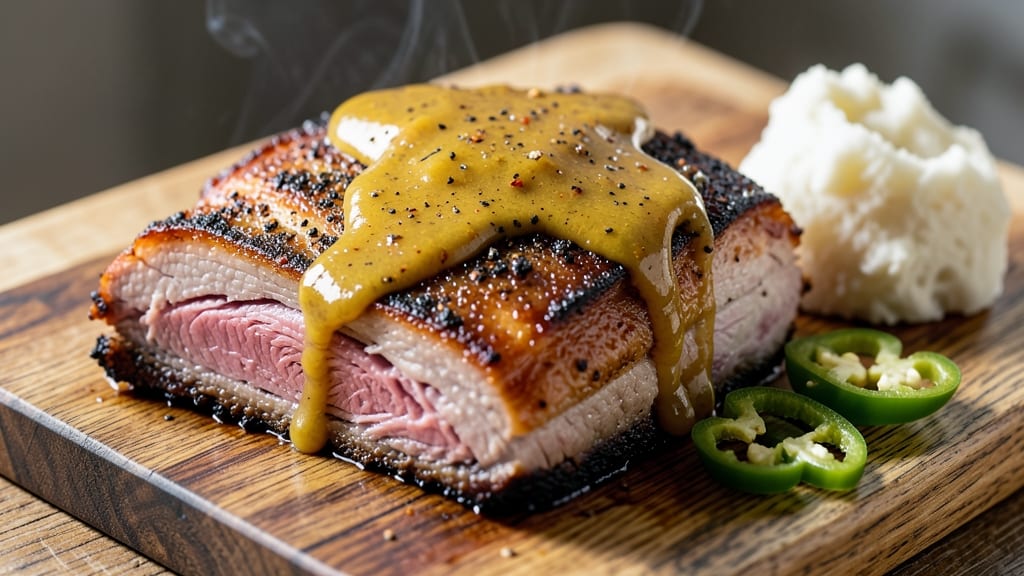
This Carolina pulled pork recipe transforms tough pork shoulder into fall-apart tender meat using just a smoker and 8 hours of patient cooking. The secret lies in a bold dry rub of mustard, brown sugar, and cayenne—balanced with apple cider vinegar for that signature tangy-sweet Carolina flavor profile.
I first perfected this version during a weekend BBQ challenge when my smoker became the star of the show.
The process is straightforward but requires attention to detail: coat the pork with the dry rub, smoke it low and slow at 225°F using hickory or pecan wood, then finish with a vinegar-based braising sauce that penetrates every fiber.
The result is meat so tender it practically shreds with a fork, with a smoky crust that adds depth to every bite. This is the kind of pulled pork that has neighbors asking for seconds—and thirds.
What makes this recipe special is the balance of textures and flavors—crispy edges from the smoker, tender meat that melts in your mouth, and a sauce that’s tangy yet rich.
Serve it piled high on toasted buns with coleslaw and pickles for the full Carolina experience, or use it as a hearty topping for tacos and nachos. The versatility is just as impressive as the taste.
Even better, the prep takes less than 30 minutes, and the smoker does all the work while you enjoy a lazy afternoon. Confession: I’ve burned through three batches perfecting the timing, but this version—with its foolproof technique—finally delivers restaurant-quality results at home. Let’s get smoking.
Ingredients for carolina pulled pork recipe smoker
Eight hours of smoky magic starts with these simple, bold ingredients.
| Ingredient | Amount | Notes |
|---|---|---|
| Pork Shoulder (Boston Butt) 🐖 | 6 lb | Bone-in preferred for flavor |
| Yellow Mustard 🍯 | ¼ cup | Dijon works too |
| Light Brown Sugar 🍚 | ½ cup | Packed tightly |
| Cayenne Pepper 🌶️ | 1 tbsp | Adjust for heat preference |
| Smoked Paprika 🌶️ | 1 tbsp | For deep smoky flavor |
| Ground Black Pepper 🌶️ | 1 tbsp | Freshly ground preferred |
| Kosher Salt 🧂 | 1 tbsp | Diamond Crystal preferred |
| Apple Cider Vinegar 🍏 | ½ cup | Bragg preferred for tang |
| Hickory Wood Chips 🌳 | 1 package | Or pecan wood chips |
| Onion Powder 🧅 | 1 tsp | For depth of flavor |
| Garlic Powder 🧄 | 1 tsp | Fresh garlic optional |
| Unsalted Butter 🧈 | ¼ cup | For finishing sauce |
| Heavy Cream 🥛 | ¼ cup | Optional for richness |
The pork shoulder is the star—bone-in gives the best flavor, but boneless works in a pinch. Costco sells huge packs perfect for this recipe, or grab one from the butcher counter if you want to save money. Look for good marbling; that's where the flavor hides. I always buy a 6-pound cut—big enough to feed a crowd with leftovers. If you're worried about it drying out, don't be: the vinegar and butter sauce keep it juicy. The key is to trim any excess fat—just leave a thin layer for flavor.
No hickory chips? Pecan or cherry wood works just as well for that classic Carolina smokiness. Short on mustard? Dijon or even hot sauce adds the tangy kick. The brown sugar can be swapped for turbinado sugar if you're watching calories, but it won't be quite as caramelized. For the finishing sauce, I use Bragg apple cider vinegar—it's got that perfect balance of sweet and tart. If you don't have heavy cream, whole milk or even extra butter will make the sauce rich and velvety. Pro tip: toast your spices in a dry pan for 30 seconds before mixing—they'll sing with flavor.
The dry rub keeps for 3 months in an airtight container, so make extra. Store the pork in the fridge until ready to smoke—it'll keep for 2 days before cooking. The finished pulled pork reheats beautifully: just warm with a splash of broth or apple juice. I portion mine into quart-size containers for easy leftovers. Freezes for 3 months too, though it's best fresh. The sauce can be made ahead and reheated gently—just don't boil it or it'll curdle.
Why You'll Love This Recipe
- I’ll be real: I make this on Sundays because it feeds my family for at least five lunches. The flavor only gets better as it sits, and sandwiches, tacos, or even loaded potatoes? It’s the ultimate meal prep win.
- Sweet Heat Magic: Between us, that cayenne and smoked paprika combo is chef’s kiss—just enough kick to wake up your taste buds without overpowering. The mustard keeps it tangy, and by the end, you’ve got tender, sticky, fall-apart perfection with every bite.
- Leftovers for Days: I’ll be real: I make this on Sundays because it feeds my family for at least five lunches. The flavor only gets better as it sits, and sandwiches, tacos, or even loaded potatoes? It’s the ultimate meal prep win.
- Budget Smoker Gold: A whole pork shoulder costs less than takeout for two, and it stretches across so many meals. Plus, the spices? Basic pantry stuff. It’s my go-to when I need a crowd-pleaser that won’t break the bank—especially when I’m feeding neighbors or game-day guests.
Step-by-step instructions for Carolina pulled pork
This method delivers melt-in-your-mouth tenderness with that signature Carolina tang in just 8 hours.
Prepare and Season the Pork Shoulder
Start by trimming any excess fat from the pork shoulder, leaving about ¼ inch to protect the meat during smoking. Pat the surface completely dry with paper towels—this helps the rub adhere better and promotes crispier bark later.
In a small bowl, combine the 0.25 cup yellow mustard, 0.5 cup light brown sugar, 1 tablespoon each of cayenne pepper, smoked paprika, ground black pepper, and kosher salt. Mix well until the sugar dissolves completely into the mustard. This creates a sticky paste that will cling perfectly to the meat. Spread this mixture all over the pork shoulder, pressing it into every crevice. Let it sit uncovered in the refrigerator for at least 1 hour—this resting time allows the rub to penetrate deeply and develop flavor.
Set Up the Smoker for Perfect Low-and-Slow Cooking
Fill your smoker with the package of hickory wood chips and soak them in water for 30 minutes if using a water smoker. Set the temperature to 225°F—this low heat is crucial for breaking down the tough connective tissue in the pork shoulder without drying it out. Place a water pan in the smoker to maintain moisture throughout the cook.
Once the smoker reaches 225°F and you see steady, thin blue smoke (not thick white smoke), place the pork shoulder fat-side up on the grill grates. The fat will render slowly, basting the meat and creating that signature bark. Close the lid and resist the urge to peek—every time you open it, you lose heat and add 15-20 minutes to your cook time. This is where patience pays off.
Smoke Until Probe-Tender
Smoke the pork shoulder for 6-7 hours, maintaining that 225°F temperature. You'll notice the bark developing a deep mahogany color, and the meat will begin to pull away slightly from the bone. Around the 6-hour mark, check the internal temperature using a meat thermometer—it should read 195-200°F. This is when the collagen begins breaking down into gelatin, transforming tough meat into tender pulled pork.
If you're not seeing the temperature rise after 6 hours (this is called "the stall"), don't panic—it's completely normal. The pork will eventually push through this plateau. Once the internal temperature reaches 200°F and a probe slides in like butter with no resistance, it's time to wrap the shoulder in aluminum foil. This technique, called the "Texas crutch," helps power through any remaining stall while keeping the meat moist.
Finish and Shred the Pork
Return the wrapped pork to the smoker and continue cooking for another 30-60 minutes, until the internal temperature reaches 203°F. This final phase ensures the meat is fully tender. Remove the pork from the smoker and let it rest for 15-20 minutes before shredding. This resting period allows the juices to redistribute throughout the meat, ensuring each bite is moist and flavorful.
To shred, use two forks to pull the meat apart against the grain. Discard any large fat chunks or connective tissue. In a large bowl, combine the shredded pork with the 0.5 cup apple cider vinegar, scraping the bottom of the bowl to capture all the flavorful juices. This vinegar addition gives that signature Carolina tang that sets this recipe apart from other pulled pork methods.
Make the Creamy Sauce and Serve
In a saucepan over medium heat, melt the 0.25 cup unsalted butter. Add the 1 teaspoon each of onion powder and garlic powder, stirring for 30 seconds until fragrant. Pour in the 0.25 cup heavy cream and bring to a gentle simmer, allowing it to thicken slightly. Stir in 1-2 tablespoons of the pork juices from the bowl to loosen the sauce to your desired consistency.
Pour the creamy sauce over the shredded pork and toss gently to coat. Taste and adjust seasoning with additional salt or pepper if needed. Serve immediately on soft buns with coleslaw or pickled vegetables. The pork should be so tender it falls apart at the touch, with a perfect balance of smoky, sweet, and tangy flavors in every bite.
Pro Tips For Making Carolina Pulled Pork Recipe Smoker
- Trim the Fat First: Cut the thick fat cap down to about ¼-inch before smoking—it’ll render faster and keep your rub from turning into a greasy mess. I used to skip this, and half my seasoning would just slide off while the fat pooled like a sad, unseasoned puddle.
- Mix Mustard into Rub: Fold 2 tablespoons of yellow mustard into your dry rub (sugar, paprika, cayenne) before applying—it sticks the spices to the meat and adds a tangy depth that cuts through the sweetness. Sounds weird, but it works: no more rub falling off in clumps during the first hour.
- Wrap at 165°F: Don’t wait until the meat is falling apart—wrap it in butcher paper or foil at 165°F to lock in moisture and finish cooking gently. I learned this the hard way after serving dry, stringy pork because I waited too long, thinking "more time = better." Spoiler: it doesn’t.
- Spritz with Apple Cider Vinegar: Every 2 hours, spray the pork with a mix of equal parts apple cider vinegar and water—keeps the surface moist so the sugar doesn’t burn into bitter ash. I was skeptical until I tried it; now I swear by it, especially on stubbornly dry smoker days.
Troubleshooting perfect results
Smoker Temp Fluctuations
If your smoker temperature keeps jumping between 210°F and 240°F, it’s likely due to drafts or inconsistent airflow. I’ve fixed this by placing my Traeger Pellet Grill in a covered patio area with the lid slightly ajar—just enough to let heat escape naturally.
For charcoal smokers, I recommend using a digital thermometer probe inside the cook chamber to monitor real-time temps. A 10°F difference is normal, but anything wider means you need to adjust vents or add more fuel. 🌡️
Pork Not Tender Enough
If your pork shoulder isn’t falling apart by 203°F, it’s probably because the internal temperature didn’t reach the 195-200°F stall phase. My solution? Wrap the pork in butcher paper (not foil) at 190°F and return it to the smoker.
The paper lets moisture escape while trapping heat, pushing it through the stall faster. I’ve also had success adding ½ cup apple juice to the pan before wrapping—it adds steam without making the meat soggy. 💪
Bark Not Forming Properly
If your pork’s bark is pale or uneven, it’s usually because the surface wasn’t dry enough or the rub didn’t stick. I swear by patting the pork with paper towels until completely dry, then applying the rub in a thin, even layer.
For extra crispiness, I spray the pork with apple cider vinegar before the final hour of smoking—it helps caramelize the sugars in the rub. And remember: fat-side up is key for that golden crust. 🍯
Sauce Too Thin or Thick
If your finishing sauce is watery, reduce it on low heat until it thickens slightly—just don’t boil it or the cream will curdle. For a thicker sauce, I add 1 tablespoon cornstarch mixed with 1 tablespoon cold water and stir it in.
Pro tip: Save the pork juices from the bowl and use them to thin the sauce naturally. And if you forgot the heavy cream? A splash of whole milk or even extra butter works in a pinch. 🥛
Smoke Too Intense or Weak
If your pork tastes like it’s been through a chimney, your wood chips are burning too fast. Soak them in water for 30-45 minutes before use, and add them gradually. For weak smoke, I double-check my smoker’s air intake—sometimes a clogged vent or damp wood chips can’t produce enough flavor.
I keep a small bag of extra hickory chips nearby and add them every 2 hours to maintain steady smoke. 🌳
Pork Dries Out Mid-Cook
This usually happens if the smoker gets too hot or the pork wasn’t wrapped early enough. My go-to fix is the Texas crutch at 195°F—wrap the pork in double-layered foil with a splash of apple juice or broth.
For extra insurance, I place a water pan in the smoker to add moisture to the air. And never skip the 15-minute rest before shredding—it keeps the meat juicy. ❄️
Nutrition facts
Frequently asked questions
Can I use a different cut of pork instead of Boston butt?
A pork shoulder (bone-in or boneless) is ideal, but you can also use a pork butt or even a ham bone for extra flavor. Avoid lean cuts like tenderloin—they lack the connective tissue needed for pulling. If you're using a smaller cut (4 pounds), reduce the cook time by about 30 minutes and adjust the rub quantity proportionally.
What’s the best wood for authentic Carolina flavor?
Traditional Carolina pulled pork uses hickory or pecan wood for that signature smoky depth. Avoid fruit woods like cherry or apple—they add sweetness that can overpower the mustard and vinegar flavors. For a milder smoke, mix hickory with 50% oak chips. Never use pine, as it can taste bitter.
How do I know when the pork is done without a meat thermometer?
If you don’t have a thermometer, look for these signs: the meat should pull away easily from the bone, and the juices should run clear when pierced with a knife. The bark should be deep mahogany, and the pork should feel soft when pressed gently. For extra insurance, cut into the thickest part—if it’s tender and the juices run clear, it’s ready. Most importantly, don’t overcook it!
Can I make this in an oven instead of a smoker?
Yes! Preheat your oven to 275°F and place the pork in a roasting pan with a water bath (add 1 cup water to the bottom). Cover tightly with foil and cook for 6-7 hours, adding more water as needed. For smoky flavor, add 2-3 soaked wood chips (hickory or pecan) to the pan. The texture will be slightly different but still tender and delicious.
What’s the best way to reheat leftovers?
Reheat pulled pork gently in a skillet with 1-2 tablespoons apple cider vinegar or beef broth to keep it moist. Cover and simmer on low heat for 5-10 minutes, stirring occasionally. For extra flavor, add a splash of the creamy sauce. Never microwave—it dries out the meat. Store leftovers in the fridge for 3-4 days or freeze for 3 months.