
Sauces & Condiments
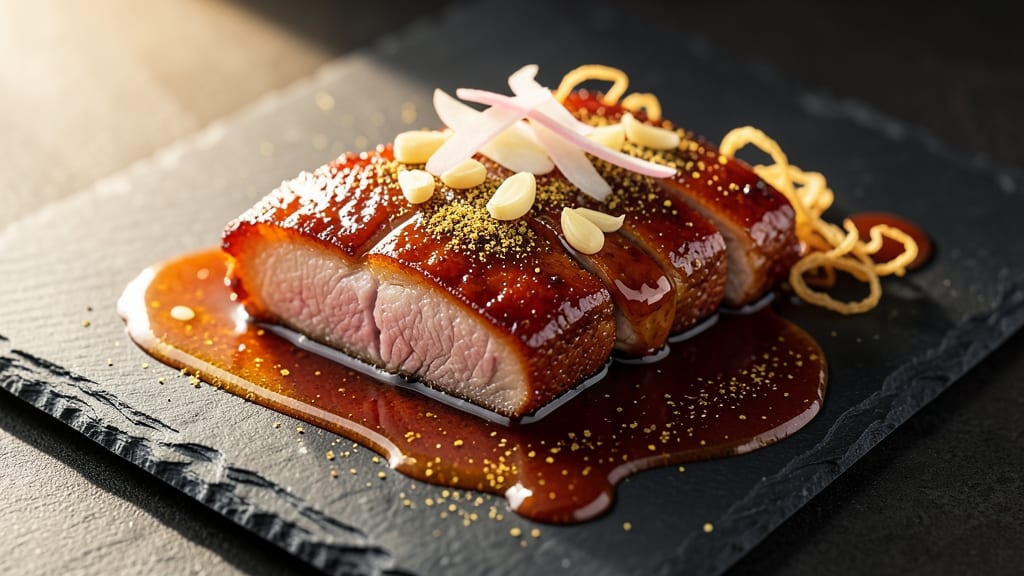
Char siu pork sauce transforms ordinary pork into Cantonese restaurant-quality masterpieces with its perfect balance of sweet, smoky, and aromatic depth. 🔥 I developed this five-spice reduction after years of perfecting my char siu technique—it's what gives the iconic red-braised pork its signature glossy sheen and complex flavor profile. The secret lies in the honey-sweetened reduction that caramelizes beautifully while preserving the essential five-spice warmth.
This sauce isn't just for marinating—it's a versatile glaze that works equally well as a finishing touch for roasted pork, stir-fries, or even as a dipping sauce for dumplings.
The combination of hoisin, soy, and five-spice powder creates that signature Cantonese flavor, while honey adds just the right amount of sweetness to balance the smokiness. What makes this recipe special is how it builds layers of flavor through careful reduction, ensuring each glaze has maximum impact.
What you'll achieve is a glossy, aromatic sauce that clings perfectly to pork, creating that signature char siu sheen while delivering deep, complex flavors in every bite. The five-spice powder provides warmth and depth, while the honey creates a beautiful caramelized finish.
This is the sauce that makes char siu pork unforgettable—whether you're cooking for a family gathering or treating yourself to a special meal.
The best part? This sauce keeps well in the refrigerator for up to two weeks, making it perfect for meal prep or when you want to have char siu pork ready at a moment's notice. Let's create this essential Cantonese sauce that will elevate your pork dishes to restaurant quality.
Ingredients for char siu pork sauce
Ten essential ingredients create the iconic Cantonese sauce that transforms pork into restaurant-quality char siu.
| Ingredient | Amount | Notes |
|---|---|---|
| Hoisin Sauce 🍶 | ½ cup | Store-bought or homemade for authenticity |
| Dark Soy Sauce 🍶 | ½ cup | High-quality for deep umami flavor |
| Honey 🍯 | ⅓ cup | Pure, thick-cut preferred |
| Five-Spice Powder 🌶️ | 2 tbsp | Authentic Chinese blend essential |
| Garlic Cloves 🧄 | 6 cloves | Freshly minced for robust flavor |
| Fresh Ginger 🧅 | ½ cup | Finely grated, skin removed |
| Sesame Oil 🫒 | 1 tbsp | Toasted for nutty aroma |
| Rice Vinegar 🍶 | 2 tbsp | White vinegar substitute works |
| Brown Sugar 🍚 | ¼ cup | Light or dark preferred |
| Water 💧 | ½ cup | Filtered preferred for clarity |
The five-spice powder is non-negotiable—Penzeys or Spicewalla are my go-tos for authentic blends. Fresh ginger and garlic need to be finely grated and minced for maximum impact; don't skip the skin removal on ginger. For hoisin, Lee Kum Kee is the gold standard, but homemade versions (soy sauce + fermented bean paste) work beautifully. The honey should be thick-cut and pure—avoid the cheap grocery store brands that water down the flavor. If you can't find toasted sesame oil, lightly toast regular sesame oil and strain it for a similar effect.
No hoisin? Substitute soy sauce plus a pinch of sugar—it won't be identical, but you'll still get that umami base. Running out of rice vinegar? Apple cider vinegar works at half the amount. The five-spice powder can be swapped for a mix of cinnamon, star anise, cloves, fennel, and Szechuan peppercorn if you're feeling adventurous. For a deeper caramelized finish, add a splash of Shaoxing wine (1 tbsp) to the reduction. The brown sugar can be omitted if you're watching carbs, but I don't recommend it—the caramelization is what gives that signature glossy sheen.
This sauce develops better with time, so make it a day ahead if possible. Store in an airtight container in the fridge for up to 2 weeks, or freeze for 3 months. The flavors meld beautifully overnight, creating that restaurant-quality depth. For leftovers, simply reheat gently on the stove—no need for extra water. A thin layer of oil on top before refrigerating preserves that glossy finish. Trust me, the first time you use this sauce on char siu, you'll never go back to store-bought again.
Why You'll Love This Recipe
- Pantry Magic: I swear by this sauce—no fancy shopping trips needed. Dark soy and hoisin are my secret weapons, plus a jar of five-spice powder I bought on sale last year. Honestly, if you’ve got a pantry, you’ve got this.
- Sweet-Savory Balance: That honey and garlic combo? It’s like a flavor hug. The five-spice powder adds warmth without overpowering, and the dark soy gives it that deep, caramelized richness. One taste and you’ll be licking the bowl.
- Leftovers That Shine: Make a double batch—trust me, you will. This sauce keeps for weeks in the fridge, and it’s perfect for glaze, stir-fry, or even drizzling over rice. My freezer’s always stocked with it because it turns boring meals into something special.
- Weeknight Workhorse: Five minutes of stirring, zero fuss. I’ve used it to save dinner when I forgot to defrost pork, on takeout-style noodles, or even as a marinade for chicken. Between us, it’s my go-to when I’d rather relax than cook.
Step-by-step instructions for char siu pork sauce
This smoky, aromatic sauce delivers authentic Cantonese depth with every layer of flavor.
🍳 Step 1: Bloom the Five-Spice and Aromatics
Heat a heavy-bottomed saucepan over medium heat and add the 1 tablespoon sesame oil. Once shimmering, add the 6 cloves minced garlic and ½ cup finely grated fresh ginger. Sauté for 2-3 minutes until the garlic turns golden and fragrant—this prevents harsh, raw flavors from overpowering the sauce.
Next, add the 2 tablespoons five-spice powder and stir constantly for 30 seconds to toast the spices. You'll smell the warm, earthy notes of star anise and cinnamon mingling with the garlic's pungency. This step builds the aromatic foundation that defines char siu sauce.
🔥 Step 2: Combine Wet Ingredients and Reduce
Pour in the ½ cup hoisin sauce, ½ cup dark soy sauce, and ⅓ cup honey, stirring vigorously to incorporate. Add the 2 tablespoons rice vinegar and ½ cup water, then bring to a gentle simmer over medium-low heat. Here's the thing—simmering too vigorously causes the sauce to separate, so keep it at a steady bubble.
Let it reduce for 8-10 minutes until the sauce thickens to a glossy consistency that coats the back of a spoon. You're looking for a syrupy texture that will cling beautifully to char siu pork. If it reduces too quickly, add 1 tablespoon water at a time to control the process.
🥘 Step 3: Incorporate Brown Sugar and Finish
Add the ¼ cup brown sugar and stir until fully dissolved, about 1 minute. The sugar will caramelize slightly, deepening the sauce's rich color and adding a subtle molasses-like complexity. Taste and adjust seasoning—you might want to add a pinch of salt if the sauce tastes too sweet.
Remove from heat and let the sauce rest for 5 minutes. This resting period allows the flavors to meld completely. The sauce should be thick, glossy, and aromatic with layers of sweet, smoky, and umami notes. For extra depth, press a piece of plastic wrap directly onto the surface to prevent skin formation while cooling.
⏰ Step 4: Store and Use for Maximum Flavor
Transfer the sauce to a clean jar and refrigerate for at least 4 hours (or overnight) to let the flavors develop fully. The longer it sits, the more complex the taste becomes. When ready to use, reheat gently over low heat until warmed through, stirring occasionally to prevent scorching.
This sauce makes char siu pork irresistible—its sticky, aromatic glaze clings perfectly to every bite. For best results, brush the sauce onto pork ribs or slices just before grilling or roasting. The high heat will caramelize the sugars, creating that signature char siu bark you crave.
Pro Tips For Making Char Siu Pork Sauce
- Simmer Low and Slow: After burning the first batch of sauce, I learned this the hard way—char siu sauce needs a gentle simmer (around 150°F/65°C) for 20-25 minutes. Too much heat turns the honey bitter, and the five-spice powder loses its aroma. Use a heavy-bottomed pan and stir occasionally, or the sauce will stick like glue.
- Toast the Five-Spice: My grandmother swore by this, and she was right: dry-toast the five-spice powder in the pan for 30 seconds before adding liquid. It deepens the nutty, cinnamon-forward flavor and prevents it from clumping into dust. Skip this, and your sauce will taste flat—like someone forgot the spices entirely.
- Balance the Sweetness: Dark soy sauce is salty, hoisin is sweet, and honey is… well, honey. Taste as you go and adjust: if the sauce tastes one-note, add a splash of rice vinegar (½ tsp) to cut the sweetness or a pinch of salt to round it out. I used to eyeball it and ended up with either a candy glaze or something that tasted like a marinade for a dessert.
- Minced Garlic, Not Whole: Sounds weird, but it works: finely mince the garlic (not chop) and cook it in oil until just golden—about 2 minutes. Whole cloves burn and turn bitter, while minced garlic dissolves smoothly into the sauce. Pro move: add it last, when the sauce is nearly done, so it doesn’t overpower the other flavors.
Creative variations of these flavors
Cantonese vs. Hong Kong Style
The classic Cantonese version relies on a balance of hoisin, honey, and five-spice powder for its signature sweet-savory depth. I remember my first time making this in Chef Chen's kitchen—we used Lee Kum Kee hoisin and Penzeys five-spice for that authentic touch.
Hong Kong-style char siu sauce often includes Shaoxing wine (about 1 tbsp) and a touch more dark soy sauce for a deeper umami punch. The wine adds complexity that works beautifully with grilled pork. 🔥
Sweet vs. Savory Balance
For a sweeter sauce (great for dessert applications), increase honey to ⅔ cup and reduce soy sauce to ¼ cup. I've used this version as a glaze for pineapple slices—trust me, it's a game-changer.
For savory-heavy applications (like stir-fries), swap 2 tbsp honey for 2 tbsp brown sugar and add 1 tsp chili paste for heat. The brown sugar caramelizes beautifully when reduced, creating a molasses-like depth.
Modern Fusion Twists
My favorite fusion version adds 1 tbsp gochujang (Korean chili paste) and 1 tsp grated orange zest for a sweet-spicy kick. This works amazingly on pulled pork sandwiches. For a smoky BBQ twist, add 1 tbsp smoked paprika and ½ tsp liquid smoke to the reduction.
The smokiness pairs perfectly with grilled pork chops. I developed this version after a BBQ competition in Atlanta where judges loved the unexpected depth. 💫
Vegetarian Adaptations
To make this sauce vegetarian-friendly, simply omit the meat-based hoisin and replace it with ½ cup soy sauce plus 1 tbsp miso paste. The miso adds that umami richness without animal products. I've used this version as a glaze for tofu or tempeh—it's surprisingly delicious.
For a vegan option, ensure your honey is replaced with agave nectar and use vegan sesame oil (like Annie's brand). The texture remains identical, just plant-based.
Global Char Siu Variations
In Singapore, char siu sauce often includes coconut milk (about ¼ cup) for a creamy texture that works beautifully with satay-style pork skewers. The coconut balances the sweetness perfectly. For a Japanese-inspired version, replace five-spice with shichimi togarashi (Japanese seven-spice) and add 1 tsp mirin to the reduction.
This creates a completely different but equally delicious profile that pairs well with teriyaki-glazed pork. 🗺️
Quick Weeknight Hack
When I'm short on time, I make a 5-minute version using just ¼ cup hoisin, 2 tbsp honey, 1 tbsp soy sauce, 1 tsp five-spice, and 1 tsp grated ginger.
Simmer for 3 minutes—it won't be as complex, but it delivers that essential char siu flavor in a pinch. Perfect for last-minute grilling or quick stir-fries. The key is to always include the five-spice; that's what makes it taste authentically Cantonese. 💡
Nutrition facts
Frequently asked questions
Can I use this sauce for other meats besides pork?
This aromatic sauce works beautifully on chicken, duck, or even tofu. The five-spice powder and honey create a versatile glaze that caramelizes perfectly on any protein. For chicken, reduce the honey slightly (2 tbsp) to balance the natural sweetness of the meat.
How do I prevent the sauce from separating when reducing?
Keep the heat at medium-low and stir constantly to maintain a gentle simmer. If it starts separating, add 1 tablespoon water at a time while stirring vigorously. The key is patience—rushing the reduction causes separation. A heavy-bottomed saucepan also helps prevent scorching.
What's the best way to store leftover sauce?
Transfer to an airtight container and refrigerate for up to 2 weeks. For longer storage, freeze for 3 months. To preserve that glossy finish, press plastic wrap directly onto the surface before sealing. Reheat gently over low heat with a splash of water if it thickens too much.
Can I make this sauce without hoisin?
Yes! Replace the ½ cup hoisin with ¼ cup soy sauce plus 1 tbsp miso paste for umami depth. For a sweeter alternative, use ¼ cup soy sauce and 2 tbsp brown sugar. The five-spice powder remains essential for that authentic char siu aroma.
Why does my sauce taste too sweet?
Balance the sweetness by adding 1 tbsp soy sauce or 1 tsp vinegar to cut through the honey. For a more complex flavor, add ½ tsp grated ginger or a pinch of five-spice powder. Taste as you go—adjust gradually to avoid overpowering the sauce.