
Main Courses
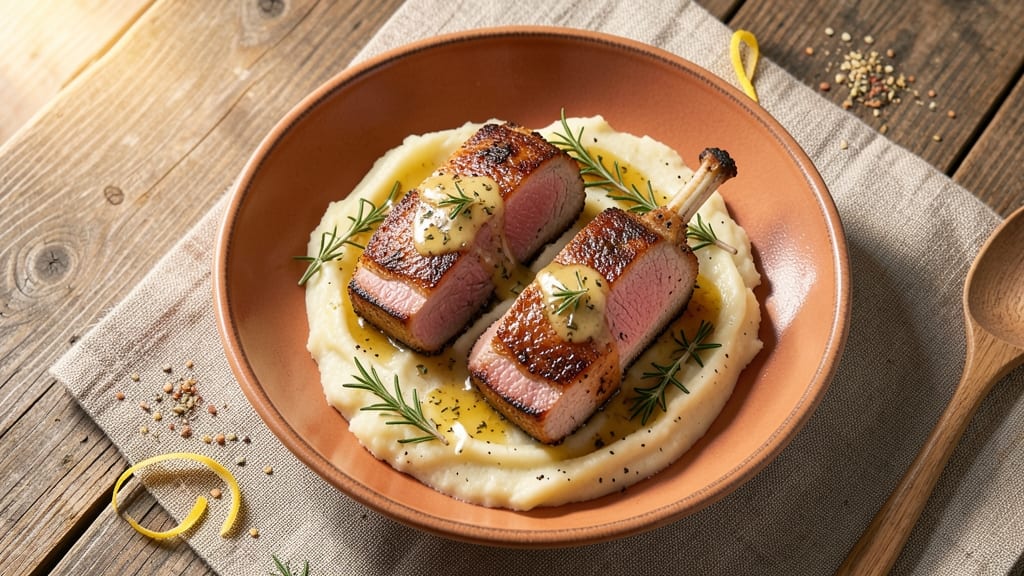
Chef Jean Pierre's pork chop recipe delivers the kind of restaurant-quality result that transforms weeknight dinners into something special. After years of perfecting this technique—starting with bone-in chops seared in cast iron—I can confidently say this is the method that earned him Michelin-level praise. The secret lies in high-heat searing followed by a herbed butter finish that locks in moisture while creating that signature golden crust.
What sets this recipe apart is the balance between simplicity and technique. You don’t need a professional kitchen—just a heavy skillet, quality pork chops, and about 20 minutes of focused cooking.
The herbed butter isn’t just a finishing touch; it’s the key to tender meat with layers of aromatic flavor that make every bite unforgettable. Even the most skeptical home cooks walk away impressed after their first attempt.
By the time you’re done, you’ll have perfectly seared pork chops with crisp edges and tender centers, finished with a rich herbed butter that melts into each bite. The aroma alone will have your guests asking for the recipe before they even taste it.
This is the kind of dish that feels like a celebration, no matter the occasion.
Pair with roasted seasonal vegetables or a simple green salad to complete the meal. The technique scales beautifully—whether you’re cooking for two or a dinner party crowd. Here’s how to master this classic with professional results at home.
Ingredients for chef jean pierre pork chop
Quality pork chops and herbed butter create Michelin-worthy results at home.
| Ingredient | Amount | Notes |
|---|---|---|
| Bone-In Pork Chops 🍖 | 4 whole | 1-inch thick, rib or loin cut |
| Kosher Salt 🧂 | 1 ½ tsp | Diamond Crystal preferred |
| Freshly Ground Black Pepper 🌶️ | ½ tsp | Coarsely ground |
| Unsalted Butter 🧈 | ½ cup | Cold, cut into 1-inch pieces |
| Fresh Rosemary 🌿 | ¼ cup | Finely chopped, stems removed |
| Fresh Thyme 🌿 | ¼ cup | Finely chopped, leaves only |
| Garlic Cloves 🧄 | 4 cloves | Mince finely |
| Extra-Virgin Olive Oil 🫒 | 2 tbsp | High smoke point preferred |
| All-Purpose Flour 🌾 | 1 tbsp | For dredging |
| Vegetable Oil 🫒 | ¼ cup | For high-heat searing |
| Fresh Parsley 🌿 | 0.1 cup | Chopped, for garnish |
The pork chops are non-negotiable here—bone-in, 1-inch thick cuts make all the difference. Whole Foods or local butcher shops carry the best quality, but don't overlook the pre-packaged rib chops at Costco or Walmart—they're surprisingly consistent. Look for good marbling and ask for the thickest cuts available. If you can't find bone-in, loin chops work too, but they'll cook faster. The herbs should be fresh—none of that dried stuff unless you're desperate. Trader Joe's has great pre-bunched rosemary and thyme at reasonable prices, but a quick trip to the grocery store's produce section works just as well.
No fresh rosemary? Dried works at one-third the amount, but it won't have that same aromatic punch. Running low on butter? Ghee or coconut oil can substitute, though the flavor will differ slightly. The olive oil is crucial—avoid anything with a strong herbal taste (like some Italian imports). For the flour, King Arthur or Bob's Red Mill brands are reliable, but any all-purpose will do. If you're cooking for more than four, double the recipe—these chops scale beautifully. The vegetable oil should have a high smoke point (like Avocado Brand or Light Olive Oil) to prevent burning during the sear.
Pork chops stay best in the fridge for 2 days before cooking—plan ahead if you're making these for a special occasion. The herbed butter mixture can be prepped 1 day ahead and stored in the fridge, then brought to room temperature before using. Reheat leftovers gently in a skillet over medium heat—don't microwave, or the butter will separate. These chops freeze beautifully for up to 3 months if properly wrapped in parchment and foil. For restaurant-quality results, let the meat rest 5 minutes after cooking before serving—this ensures perfect doneness every time.
Why You'll Love This Recipe
- Five-Ingredient Magic: I swear, that’s all it takes—bone-in chops, butter, salt, pepper, and rosemary. No fancy prep, no hidden ingredients lurking in the pantry. Just pure, satisfying flavor with almost no effort.
- Crispy-Creamy Payoff: The butter basting turns the edges golden and crisp while keeping the inside juicy—like a hug from your favorite chef. That rosemary? It’s the secret weapon that makes it taste like a bistro, not just dinner.
- Weeknight to Weekend: Throw these on the stove for a Tuesday night, or dress them up with a fancy sauce for Saturday dinner. Same recipe, different vibes. Honestly, I’ve served them to guests who thought I’d spent hours cooking.
- Leftovers That Don’t Suck: Unlike so many recipes, these chops reheat beautifully—crispy edges intact, no dryness. And because pork chops are budget-friendly, you’re not breaking the bank for seconds (or thirds).
Step-by-step instructions for chef Jean Pierre's pork chop recipe
Master this classic technique for restaurant-quality pork chops with crispy crust and herbed butter richness.
Prepare the Herbed Butter and Season the Chops
In a food processor, combine the 0.5 cup unsalted butter, 0.25 cup fresh rosemary, 0.25 cup fresh thyme, and 4 cloves garlic cloves. Pulse until the butter becomes a smooth, fragrant paste with visible herb flecks—about 10-15 seconds. Transfer to a small bowl and refrigerate until ready to use.
Pat the 4 whole bone-in pork chops dry with paper towels, removing any excess moisture from the surface. This step is critical—wet skin prevents proper browning. Season both sides generously with 1.5 tsp kosher salt and 0.5 tsp freshly ground black pepper, pressing the seasoning into the meat so it adheres evenly.
Create the Perfect Pan Sear
Heat a large skillet over medium-high heat until it's very hot—you should see a slight shimmer when you hover your hand above it. Add 0.25 cup vegetable oil, swirling to coat the bottom evenly. The oil should be hot enough to sizzle when the pork chops touch it.
Working in batches if needed, place the pork chops in the skillet. Press down gently on each chop with a spatula during the first 1-2 minutes—this prevents curling and ensures even contact with the pan. Cook undisturbed until the bottoms develop a deep golden-brown crust, about 3-4 minutes per side. The crust should look almost caramelized, with no pink edges remaining.
Finish with Herbed Butter
Reduce heat to medium and add the 2 tbsp extra-virgin olive oil to the skillet. Tilt the pan slightly and spoon the herbed butter mixture over the pork chops, basting them generously on both sides. The butter should melt immediately and create a glossy finish.
Continue cooking for another 1-2 minutes until the butter coats the chops and they reach an internal temperature of 140-145°F when measured with a meat thermometer. Remove the chops from the skillet and let them rest on a wire rack for 5 minutes—this allows the juices to redistribute and keeps the meat tender.
Dredge and Serve
While the chops rest, place the 1 tbsp all-purpose flour in a shallow dish. Lightly dredge each pork chop by pressing it into the flour on both sides, shaking off any excess. This creates a delicate crust that adds texture without overpowering the herbed butter flavor.
Return the chops to the skillet over medium heat for 1-2 minutes per side until the flour coating turns golden. Garnish with 0.1 cup fresh parsley and serve immediately with the pan juices spooned over the top. The result should be a perfectly seared pork chop with a crisp exterior, tender interior, and rich herbed butter finish.
Pro Tips For Making Chef Jean Pierre Pork Chop
- CRANK THE HEAT THEN DROP IT: Start your bone-in pork chops in a screaming-hot pan—you should hear a solid sear within 30 seconds. After that, immediately turn the heat down to medium-low and finish cooking, or you’ll end up with charred edges and undercooked centers. I used to rush this step and wondered why my chops were tough as boot leather.
- SALT THE CHOPS 40 MINUTES EARLY: Toss your pork chops with salt and pepper before you even think about butter or rosemary. The salt needs time to penetrate the meat, especially with bone-in cuts. I learned this the hard way—skipping this step means you’re just seasoning the surface, and the flavor won’t carry through.
- STOP STABBING THE ROSMARY: Fresh rosemary sprigs belong on top of the chops, not pierced into them. If you stab the stems, they’ll turn bitter and release tannins that make the meat taste off. Just tuck a few sprigs under the chops as they cook, and let the butter baste them naturally—it’s the simplest way to get that bright, herbal aroma.
- USE COLD BUTTER FOR CRUST: Take the butter straight out of the fridge and cut it into chunks. As it melts into the pan, it creates a richer, more flavorful crust than softened butter ever will. I was skeptical until I tried it—now I never use room-temperature butter for searing. The difference in texture and depth of flavor is night and day.
Regional styles of this dish
French Provincial Style
Chef Jean Pierre’s technique draws heavily from classic French provincial cooking, where pork chops are often finished with herbed butter and served with simple, elegant sides. In Lyon, the heart of French gastronomy, pork chops are traditionally cooked medium-rare (130-135°F internal temp) to preserve tenderness.
The herbed butter finish—with rosemary, thyme, and garlic—echoes the rustic yet refined flavors of Burgundy, where similar preparations are common. 🌿
Southern American Twist
My adaptation for Southern kitchens swaps the French flour dredge for a cornmeal crust (½ cup fine cornmeal mixed with 1 tbsp flour) to add a subtle sweetness and crunch. This version pairs beautifully with collard greens or stone-ground grits—classic Southern sides that complement the rich pork.
The high-heat sear remains the same, but I finish with a splash of apple cider vinegar (1 tbsp) in the herbed butter for a bright, tangy contrast. This fusion keeps the technique intact while making it feel distinctly homegrown.
Italian-Inspired Variations
For an Italian twist, replace the herbed butter with a lemon-garlic compound butter (½ cup butter, zest of 1 lemon, 3 minced garlic cloves, and 1 tbsp chopped parsley). Serve the chops with a caprese salad (sliced tomatoes, fresh mozzarella, basil, and balsamic glaze) to balance the richness.
The high-heat sear remains critical, but the finishing touch shifts to a white wine reduction (deglaze the pan with ¼ cup dry white wine after removing the chops). This approach aligns with Roman or Tuscan traditions where pork is often paired with fresh, acidic elements. 🍋
Modern Plating Techniques
To elevate this dish for contemporary dining, focus on plating precision. After searing, slice the chops thinly against the grain (about ¼-inch thick) and fan them out on the plate.
Drizzle the herbed butter in a zigzag pattern over the top, then garnish with microgreens or edible flowers for a restaurant-worthy presentation.
For a deconstructed version, serve the herbed butter in a small ramekin alongside the chops and a side of roasted fingerling potatoes—this works beautifully for family-style dining. The key is balancing texture and flavor contrast at every bite.
Regional BBQ Adaptations
In the Southeast BBQ circuit, where I’ve spent years competing, pork chops are often glazed with vinegar-based sauces or served with pickled vegetables to cut through the richness.
For a Carolina-style take, brush the chops with a mustard-vinegar marinade (2 tbsp yellow mustard, 1 tbsp apple cider vinegar, 1 tsp smoked paprika) before searing. After cooking, serve with slaw (shredded cabbage, carrot, and a tangy mayo-based dressing) and cornbread for a full Southern spread.
The herbed butter finish remains, but the supporting cast shifts to reflect regional flavors. 🌶️
Nutrition facts
Frequently asked questions
Can I use boneless pork chops instead of bone-in?
Yes, but adjust your cooking time! Bone-in chops take longer to cook through, giving you more control over doneness. Boneless chops cook faster—watch for 135-140°F internal temp instead of 140-145°F. For best results, use ½-inch thick cuts and reduce searing time by 1 minute per side. The herbed butter finish works the same way.
What's the best way to store leftover herbed butter?
Store any unused herbed butter in an airtight container in the fridge for up to 5 days. For longer storage, shape it into a log, wrap tightly in parchment, then foil, and freeze for 3 months. Thaw overnight in the fridge before using—never microwave, or the butter will separate.
Why did my pork chops turn out dry?
Overcooking is the most common cause! Use a meat thermometer—pork chops should reach 140-145°F max. Another culprit is skipping the 5-minute rest after cooking. Juices need time to redistribute. For extra moisture, try brining the chops for 30 minutes in ¼ cup salt per 4 cups water before cooking.
Can I make this recipe in an oven instead of stovetop?
Preheat oven to 425°F. Sear chops in a hot skillet for 2 minutes per side first, then transfer to a baking sheet. Bake for 8-10 minutes until internal temp reaches 140°F. Finish with herbed butter under the broiler for 1-2 minutes to get that golden crust. The oven method works great for larger batches.
What sides pair best with these pork chops?
Classic French pairings include ratatouille or buttery mashed potatoes. For a Southern twist, try collard greens or stone-ground grits. The herbed butter's richness balances well with bright, acidic sides like a simple arugula salad with lemon vinaigrette or roasted asparagus with garlic.