
Main Courses
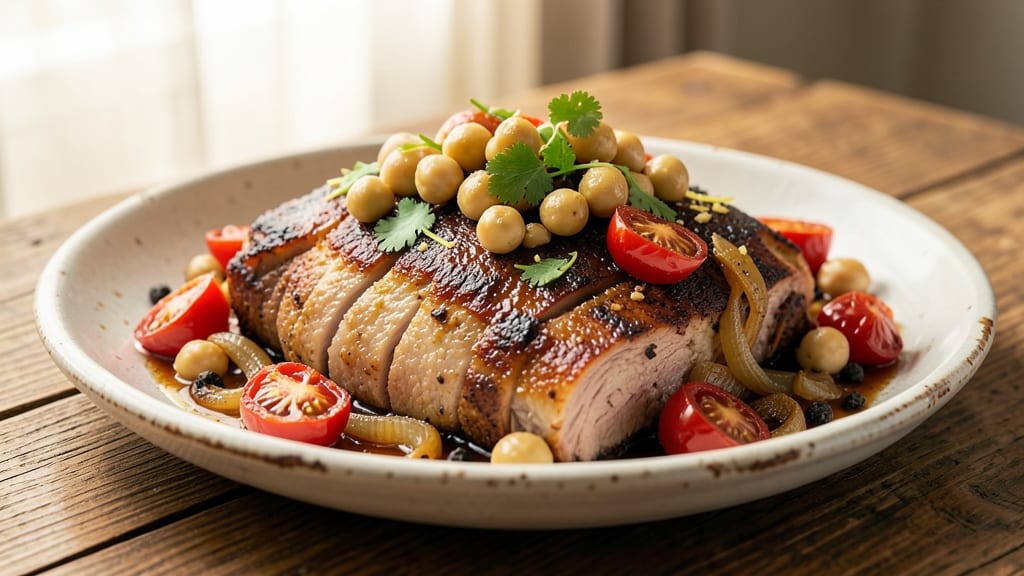
This one-pot chickpeas and pork recipe transforms humble ingredients into a deeply satisfying meal with layers of smoky, savory depth. 🔥 Growing up in Georgia, I learned how pork and legumes create harmony—this version builds on that tradition with a technique that delivers restaurant-quality results without the fuss.
The pork breaks down tender while chickpeas soak up all the rich, umami-packed flavors, creating a dish that's both hearty and balanced.
What makes this recipe stand out is the foolproof one-pot method that develops complex flavors through slow cooking. You'll start with a simple sear of the pork to build a flavorful crust, then let everything simmer together until the meat is fork-tender and the chickpeas have absorbed the aromatic sauce.
The secret lies in using a combination of spices and a splash of vinegar to brighten the dish without overpowering the natural richness of the pork.
By the time you're done, you'll have a rich, aromatic stew where every spoonful delivers tender pork, creamy chickpeas, and a sauce that's both savory and slightly tangy.
The dish is substantial enough to serve as a main course but flexible enough to stretch into leftovers for lunch the next day. It's the kind of meal that feels special yet comes together with minimal effort—perfect for weeknights when you want something impressive without the stress.
Pair it with crusty bread to soak up the sauce or serve alongside a simple green salad for balance. The flavors only deepen as it sits, making it ideal for meal prep. Here's how to create this umami-rich masterpiece in your own kitchen.
Ingredients for chickpeas and pork
Pantry staples plus a few key ingredients for that deep, smoky pork flavor.
| Ingredient | Amount | Notes |
|---|---|---|
| Pork Shoulder 🥓 | 1 ½ lb | Boneless, cut into 1-inch cubes |
| Chickpeas 🌾 | 2 cups | Canned, drained and rinsed |
| Yellow Onion 🧅 | 1 whole | Diced, medium size |
| Garlic Cloves 🧄 | 4 cloves | Minced, fresh preferred |
| Smoked Paprika 🌶️ | 1 tbsp | For deep smoky flavor |
| Ground Cumin 🌿 | 1 tsp | Toasted for warmth |
| Dried Oregano 🍃 | 1 tsp | Mexican preferred |
| Apple Cider Vinegar 🍎 | 2 tbsp | Brightens the sauce |
| Tomato Paste 🍅 | 2 tbsp | Smooth texture preferred |
| Chicken Broth 💧 | 2 cups | Low-sodium preferred |
| Extra-Virgin Olive Oil 🫒 | 2 tbsp | For searing pork |
| Salt 🧂 | 1 ½ tsp | Kosher or sea salt |
| Black Pepper 🌶️ | ½ tsp | Freshly ground |
| Fresh Rosemary 🌿 | ¼ cup | Chopped, stems removed |
| Bay Leaves 🍃 | 2 whole | For aromatic depth |
The pork shoulder is non-negotiable here—it's what gives you that fall-apart texture. Costco or your local butcher usually have it at a great price, but the regular grocery store cuts work too. Look for good marbling, not too much fat. The chickpeas can be canned or dried (soaked overnight)—I grab the canned ones from Trader Joe's because they're consistent and save time. Fresh rosemary is ideal, but dried works at half the amount if you're in a pinch. The smoked paprika is where the magic happens—Penzeys has the best selection if you want to splurge, but the regular grocery store stuff is fine too.
No smoked paprika? Substitute with a mix of regular paprika and a pinch of liquid smoke. Apple cider vinegar is key for brightness—substitute with white vinegar or lemon juice if needed. The tomato paste can be from a tube or a can, but avoid the pre-sweetened kind. Chicken broth can be swapped for beef broth, but it'll have a slightly different depth. For the spices, if you don't have Mexican oregano, regular dried oregano works in a pinch. And trust me, the bay leaves are worth it—they add that subtle aromatic depth that makes the dish sing.
This reheats beautifully—honestly tastes better the next day once everything melds together. Keeps for 4-5 days in the fridge, freezes for 3 months. I always make extra because it's perfect for lunches. The sauce thickens as it cools, so add a splash of broth if it seems too thick when reheating. Store the pork and chickpeas separately if you want to reheat just one component—great for meal prep.
Why You'll Love This Recipe
- One-Pan Magic: The pork shoulder and chickpeas practically cook themselves while you chop one onion and mince a few garlic cloves. Seriously—minimal chopping, no fancy techniques, just a sheet pan and 30 minutes of hands-off time. (Yes, even on a Tuesday night.)
- Smoky Deep Comfort: That smoked paprika? It’s the secret weapon—warm, earthy, and just a little bit addictive. The pork gets tender and juicy, while the chickpeas soak up all the flavor like little flavor sponges. Honestly, the first bite makes you want to skip dessert.
- Leftovers That Shine: This dish tastes better the next day—like a cozy, smoky stew. I double the batch on Sundays and portion it out for lunches all week. (My kids still ask for it, even after I’ve made it 10 times.)
- Budget-Friendly Feast: Pork shoulder and chickpeas stretch into a hearty meal without breaking the bank. One cut of meat, a can of beans, and a few pantry staples feed four for under $15. Between us, it’s my go-to when I need to impress guests without stressing.
Step-by-step instructions for umami-rich one-pot chickpeas and pork
This one-pot wonder delivers deep, smoky flavors with minimal cleanup—just follow along.
🔥 Step 1: Sear the Pork Shoulder for Maximum Flavor
Heat the 2 tablespoons extra-virgin olive oil in a large Dutch oven over medium-high heat until shimmering. Add the 1.5 lb pork shoulder in a single layer, working in batches if needed, and sear for 4-5 minutes per side until deep golden brown forms on all surfaces.
This step is crucial—those browned bits (fond) will dissolve into the sauce later, creating layers of umami flavor. Don't overcrowd the pan or the pork will steam instead of sear. Once browned, transfer the pork to a plate and set aside temporarily.
🍳 Step 2: Build the Aromatic Base
In the same Dutch oven, reduce heat to medium and add the 1 whole diced yellow onion. Cook for 5-6 minutes until softened and translucent. Add the 4 minced garlic cloves and cook for another 30 seconds until fragrant—you should smell that garlic releasing its sweet aroma.
Stir in the 1 tbsp smoked paprika, 1 tsp ground cumin, and 1 tsp dried oregano, toasting for 30 seconds until the spices release their oils and fill the kitchen with a warm, earthy scent. This is where all the magic begins—those spices will infuse the entire dish with depth.
🥘 Step 3: Develop the Sauce with Vinegar and Tomato Paste
Pour in the 2 tablespoons apple cider vinegar and scrape up any browned bits from the bottom of the pot. Let it simmer for 1 minute until the vinegar's sharpness mellows slightly. Add the 2 tablespoons tomato paste and stir vigorously for 2 minutes until it darkens and thickens into a glossy base.
Here's the thing—this vinegar-tomato paste combo creates the perfect balance of tangy brightness and rich umami. Don't skip the scraping step; those bits are pure flavor. If the mixture looks too thick, add 2 tablespoons chicken broth now to loosen it slightly.
👨🍳 Step 4: Simmer Everything Together
Return the pork shoulder to the pot and add the 2 cups drained chickpeas, 2 cups chicken broth, 1.5 tsp salt, 0.5 tsp black pepper, 0.25 cup chopped fresh rosemary, and 2 whole bay leaves. Stir gently to combine, then bring to a gentle boil over high heat. Once boiling, reduce heat to low, cover partially, and simmer for 1 hour 15 minutes.
After about 45 minutes, check the pork—it should be fork-tender when pierced with a knife. If it's not quite there, add ¼ cup more broth and continue cooking. The chickpeas will soften and absorb all those incredible flavors. Real talk: This is where patience pays off—don't rush it.
⏰ Step 5: Finish with Rosemary and Rest
Remove the 2 whole bay leaves and increase heat to medium-high to reduce the sauce slightly for 5-7 minutes until it coats the back of a spoon. Taste and adjust seasoning—you might need a pinch more salt or a splash more vinegar to balance the flavors.
Let the dish rest for 10 minutes before serving. This resting period allows the juices to redistribute throughout the pork and chickpeas, ensuring every bite is packed with flavor. Garnish with extra fresh rosemary if you're feeling fancy—it adds a beautiful pop of color and a piney aroma.
Pro Tips For Making Chickpeas And Pork
- CRUSH THOSE GARLIC CLOVES: I learned this the hard way—peeling and mincing garlic fresh makes a real difference, but if you’re in a rush, use two cloves instead of one. Smash them with the flat side of your knife first, then chop fine so they dissolve into the pork and chickpeas instead of sitting as hard bits. (Yes, even if you’re impatient like me.)
- SWEAT THE ONIONS LOW AND SLOW: Don’t rush this step—cook the onions on medium-low until they’re deep golden, not browned. If they darken too fast, you’ll taste bitterness later. A splash of water or broth can save a scorched batch, but better to start slow and let the flavors meld with the pork fat.
- SKIP THE PRE-COOKED CHICKPEAS: Canned chickpeas? Drain, rinse, and pat them dry before adding them to the pork. The extra moisture steams instead of crisping, and you’ll end up with soggy chickpeas. If you’re short on time, toss them in a dry towel to soak up excess water—it’s weird, but it works.
- SEAR THE PORK IN BATCHES: Crowding the pan lowers the temperature and turns the pork into a sad, greasy mess. Cut the shoulder into 2-inch chunks and sear in two rounds if needed—just 3-4 minutes per side until deeply browned. The crust on the pork carries the smoked paprika flavor, so don’t skip this, even if it takes longer.
Serving suggestions for this recipe
Crusty Bread Pairing
Nothing beats this dish with a warm, crusty loaf to soak up the rich sauce. I love using a freshly baked sourdough or a rustic Italian bread from my local bakery—Breads Bakery in Atlanta makes one that's perfect.
The crust should be crisp enough to hold its shape but soft enough to break apart easily. Serve with a side of garlic butter for dipping—just mix 2 tbsp softened butter with 1 minced garlic clove and a pinch of salt. 🥖
Simple Green Salad
A bright green salad cuts through the richness of the pork and chickpeas beautifully. I toss 4 cups mixed greens (spinach, arugula, and romaine) with 2 tbsp olive oil, 1 tbsp red wine vinegar, ½ tsp Dijon mustard, and a pinch of salt.
Add ¼ cup toasted pine nuts or pumpkin seeds for crunch. The acidity in the dressing balances the smoky, savory flavors of the stew.
Warm Flatbreads
For a more interactive serving experience, offer warm flatbreads on the side. I make a simple batch with 1 cup all-purpose flour, ½ tsp salt, 1 tsp olive oil, and ½ cup warm water.
Roll out thin, brush with olive oil, and toast in a skillet for 1-2 minutes per side. Guests can use these to scoop up the chickpeas and pork, making it feel like a restaurant-style meal. 🍞
Pickled Vegetables
Add a tangy contrast with quick-pickled vegetables. Thinly slice ½ cup red onions and ½ cup carrots, then soak in a mixture of ½ cup apple cider vinegar, ½ cup water, 1 tbsp sugar, and ½ tsp salt for at least 30 minutes.
The acidity brightens the dish and adds a refreshing crunch. Store-bought pickles work too if you're short on time.
Creamy Yogurt Dip
For those who prefer something cooler, serve with a simple yogurt dip. Mix ½ cup plain Greek yogurt with 1 tbsp lemon juice, ½ tsp ground cumin, and a pinch of salt.
Drizzle with 1 tsp olive oil and sprinkle with fresh mint if you have it. This adds a cooling element that balances the hearty stew. 🥄
Garnish Like a Pro
Before serving, garnish with fresh parsley or cilantro for a pop of color and freshness. A sprinkle of toasted cumin seeds adds warmth, and a drizzle of high-quality olive oil elevates the dish to restaurant quality.
I also like adding a few crushed red pepper flakes for guests who enjoy a little heat. These finishing touches make the dish feel special without adding much effort. ✨
Nutrition facts
Frequently asked questions
Can I use dried chickpeas instead of canned?
Yes, but you'll need to soak them first! Soak 1 cup dried chickpeas overnight in plenty of water (at least 8 cups), then drain and rinse before adding to the recipe. Dried chickpeas take longer to cook, so increase the simmering time by 30-45 minutes to ensure they're tender. The flavor will be slightly nuttier than canned, which works beautifully with the pork.
What cut of pork works best for this recipe?
Pork shoulder is ideal because it's fatty enough to stay moist during long cooking but breaks down beautifully into tender pieces. If you can't find shoulder, use pork butt or even pork loin cut into 1-inch cubes. Avoid lean cuts like tenderloin—they'll dry out. For extra flavor, ask your butcher to trim some of the fat cap and leave it attached to the meat.
How do I adjust this recipe for a slow cooker?
This recipe converts perfectly to a slow cooker! Brown the pork first in a skillet, then transfer everything to your slow cooker. Cook on low for 7-8 hours or high for 4-5 hours, adding ¼ cup broth if the sauce gets too thick. The slow cooker method actually enhances the pork's tenderness—just check occasionally after 4 hours to test doneness.
Can I make this recipe vegetarian?
Swap the pork for 1.5 lbs extra-firm tofu or 1 lb mushrooms (like portobello or cremini). For tofu, press and cube it, then pan-fry until golden before adding to the pot. Mushrooms add a meaty texture—sauté them first with the onions. Boost the umami with an extra 1 tbsp soy sauce or 1 tsp miso paste in the sauce.
Why does my pork turn out tough?
Tough pork usually means it wasn't cooked long enough or the heat was too high. This recipe relies on low-and-slow cooking—the pork needs at least 1 hour 15 minutes of simmering to become tender. If you're in a hurry, try cooking it at 300°F in the oven for 3 hours instead. Also, avoid overcrowding the pot when searing, and always use a meat thermometer (pork should reach 195°F internally).