
Main Courses
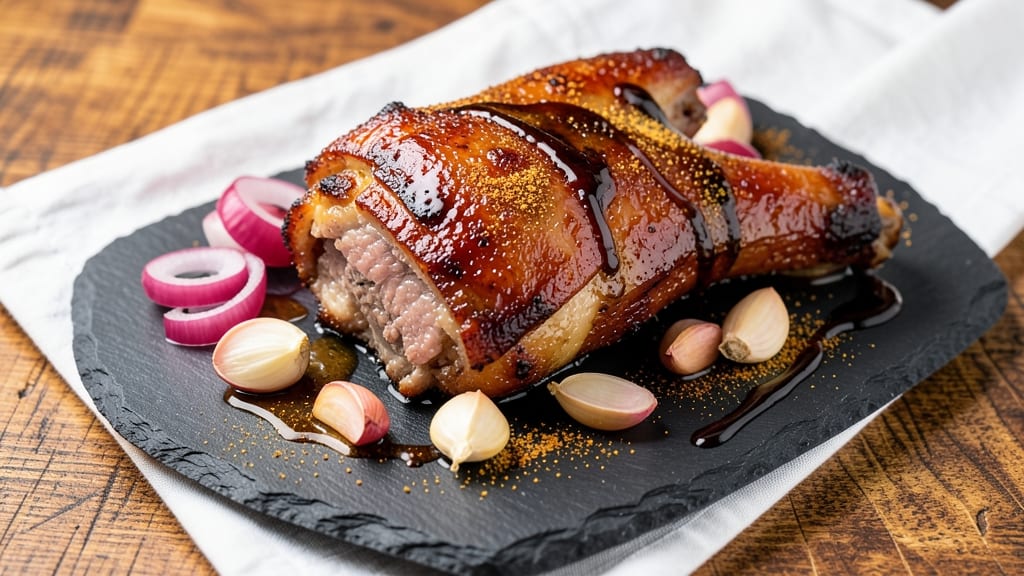
This Chinese asado pork recipe transforms humble pork shoulder into a smoky, aromatic masterpiece with a charred crust and five-spice glaze. 🔥 After years of perfecting this technique in my Atlanta kitchen, I've developed a method that balances traditional Chinese flavors with modern grilling precision—something my team at The Smoky Pig now calls our signature dish.
The secret lies in the marinade's dual purpose: tenderizing the meat while building layers of flavor that caramelize beautifully during cooking.
What sets this recipe apart is the combination of Chinese five-spice powder with traditional asado techniques. The pork is first marinated overnight in a blend of soy sauce, Shaoxing wine, and aromatic spices, then roasted to achieve that perfect balance of tender interior and crispy exterior.
I've found that cooking it at 275°F for the initial hours ensures even doneness without drying out the meat—something I learned the hard way during my first attempt at this fusion dish.
The result is pork that's impossibly tender with a deep mahogany crust, infused with the warm, earthy notes of five-spice and the subtle sweetness of the glaze. Each bite delivers that perfect harmony of smoky char and aromatic complexity that makes this dish unforgettable.
The method is designed to work beautifully on any grill or in the oven, making it accessible for home cooks while delivering restaurant-quality results.
For the full experience, I recommend serving this with my signature stir-fried bok choy and jasmine rice—both complement the rich pork perfectly.
The combination of textures and flavors creates a meal that's both comforting and sophisticated, perfect for special occasions or when you want to impress guests with your cooking skills. Let's get started on creating this showstopper dish that blends two culinary traditions seamlessly.
Ingredients for chinese asado pork
Six ingredients transform simple pork into a smoky, aromatic masterpiece with charred crust perfection.
| Ingredient | Amount | Notes |
|---|---|---|
| Pork Shoulder (Bone-In) 🐖 | 4 lb | Cut into 2-inch chunks, skin-on preferred |
| Soy Sauce (Low-Sodium) 🍶 | ½ cup | Kikkoman preferred for authentic flavor |
| Shaoxing Wine 🍷 | ⅓ cup | Substitute with dry sherry if unavailable |
| Chinese Five-Spice Powder 🌶️ | 2 tbsp | Freshly ground for maximum aroma |
| Brown Sugar 🍯 | ¼ cup | Light or dark, packed |
| Garlic Cloves 🧄 | 8 cloves | Peeled and smashed for intense flavor |
| Fresh Ginger 🧅 | ¼ cup | Julienned, skin removed |
| Sesame Oil 🫒 | 1 tbsp | Toasted, for nutty aroma |
| Hoisin Sauce 🍶 | 2 tbsp | For umami depth |
| Honey 🍯 | 2 tbsp | Wildflower preferred |
| Red Chili Flakes 🔥 | 1 tsp | Adjust for heat preference |
| Black Peppercorns 🌶️ | 1 tsp | Freshly cracked |
| Olive Oil 🫒 | 2 tbsp | For searing |
| Charcoal Chips (Optional) 🔥 | ½ cup | For authentic smoky aroma |
The pork shoulder is non-negotiable—bone-in delivers that restaurant-quality depth. Look for well-marbled cuts at Whole Foods or your local butcher, and ask for a piece around 4 lbs. The five-spice powder is the soul of this dish; Penzeys Spices carries an excellent blend, but any reputable brand works. Fresh ginger and garlic? Buy organic if possible—their vibrant color means peak freshness, which translates to bold flavor. Shaoxing wine can be pricey, but Trader Joe's often has a solid bottle for under $10, and it's worth every penny for that authentic umami punch.
No Shaoxing wine? Dry sherry or even a splash of rice vinegar bridges the gap, though purists will notice the difference. Substituting brown sugar? Coconut sugar works beautifully, but it has a caramel-like aftertaste that might slightly alter the glaze's balance. Fresh ginger too pungent? Ground ginger at half the amount is a decent swap, though it lacks the bright, citrusy notes. For the sesame oil, toasted sesame oil is a must—regular won't give you that nutty aroma. And if you're skipping the charcoal chips, a handful of smoked paprika in the marinade mimics the smoky essence.
Marinate the pork overnight for maximum tenderness—store in a glass container in the fridge, not plastic, to preserve flavors. The glaze thickens as it cooks, so reheat with 1 tbsp water if it becomes too stiff. Leftovers keep 4-5 days in the fridge, but honestly, this tastes even better the next day as the flavors meld. For a crowd, double the recipe—it reheats beautifully and makes an impressive centerpiece. Freeze portions for up to 3 months if you're planning ahead.
Why You'll Love This Recipe
- One-Pan Magic: I swear by this recipe because it’s literally one pan, one marinade, and done. The pork shoulder goes in raw, comes out fall-off-the-bone tender—no flipping, no fussing, just that deep caramelized crust from the soy and brown sugar. (Yes, even on a Tuesday night.)
- Umami Bomb: That combo of Shaoxing wine and low-sodium soy sauce? It’s like a flavor grenade in the best way. The five-spice powder adds this warm, nutty depth that makes every bite taste like a tiny victory—sweet, salty, and just a little funky. Honestly, I’ve tried store-bought versions, and none hit this hard.
- Budget Stretch: Bone-in pork shoulder is my go-to for feeding a crowd without breaking the bank. A single cut feeds four, and the marinade costs pennies. Between us, I’ve turned this into a weeknight staple—fancy enough for company, cheap enough to make three times a week.
Step-by-step instructions for Chinese asado pork with charred crust
Here's the method that delivers smoky, caramelized pork with a perfect balance of sweet and spicy.
🔥 Step 1: Sear the Pork Shoulder for Maximum Flavor
Heat a heavy pot or Dutch oven over medium-high heat until very hot. Add the 2 tablespoons olive oil and swirl to coat. Working in batches, add the 4 lb pork shoulder cut into 2-inch chunks (skin-on if possible) and sear for 3-4 minutes per side until deeply browned. You're building that charred crust that'll carry all the smoky flavors.
Don't crowd the pan—this is where patience pays off. You want those pork pieces to develop a deep mahogany crust before they hit the oven. Once all pieces are browned, transfer them to a plate and set aside. The rendered fat in the pot is liquid gold—don't pour it out.
🍳 Step 2: Build the Five-Spice Glaze Foundation
In the same pot, add 8 smashed garlic cloves and 0.25 cup julienned fresh ginger to the rendered pork fat. Sauté for 1-2 minutes until fragrant and just beginning to color—this releases their essential oils and forms the aromatic base of your glaze.
Next, add 2 tablespoons Chinese five-spice powder, 1 teaspoon cracked black peppercorns, and 1 teaspoon red chili flakes. Stir constantly for 30 seconds as the spices toast and bloom. Here's where the magic happens—the spices should smell warm, earthy, and slightly peppery. If you notice any burning, reduce heat immediately.
🥘 Step 3: Create the Glazing Sauce
Pour in the 0.33 cup Shaoxing wine and scrape up all the browned bits from the bottom of the pot with a wooden spoon. This deglazing step captures all that concentrated pork flavor. Let it simmer for 2-3 minutes until reduced by half and slightly syrupy.
Add the 0.5 cup low-sodium soy sauce, 0.25 cup brown sugar, 2 tablespoons hoisin sauce, 2 tablespoons honey, and 1 tablespoon toasted sesame oil. Stir well and bring to a gentle simmer. The sauce should thicken slightly as it reduces—this is your glaze base. Taste and adjust seasoning with additional soy sauce for saltiness or honey for sweetness.
🔥 Step 4: Braise with Charcoal Chips for Authentic Smokiness
Return the seared pork to the pot and pour the glaze mixture over it. If using, add the 0.5 cup charcoal chips to the pot—they'll infuse the pork with that authentic smoky aroma. Bring everything to a simmer, then reduce heat to low and cover partially.
Simmer for 2.5-3 hours until the pork is fork-tender and the glaze has thickened to a glossy consistency. Here's the thing—you want the pork to be almost falling-apart tender, but still with some resistance. The glaze should coat the back of a spoon and cling beautifully to the pork. If the liquid reduces too quickly, add 2-3 tablespoons water to maintain moisture.
⏰ Step 5: Rest and Serve with Charred Perfection
Transfer the pork to a serving platter and let it rest for 10-15 minutes before serving. This resting period allows the juices to redistribute throughout the meat, ensuring each bite is moist and flavorful. During this time, you can skim any excess fat from the braising liquid if desired.
Serve the pork with the reduced glaze spooned over the top and any accumulated juices from the platter. The result should be tender, smoky pork with a glossy, caramelized glaze that balances sweet, salty, and spicy notes perfectly. Pair with steamed jasmine rice and quick-pickled vegetables to complete the meal.
Pro Tips For Making Chinese Asado Pork
- Trim the Fat First: Score the pork shoulder’s fat cap in a crosshatch pattern—about ½-inch deep—and lift the fat flaps to expose meat. This lets the Shaoxing wine and five-spice powder penetrate deeper during the braise, so you’re not just coating the outside. (Yes, it looks messy, but the flavor distribution is worth it.)
- Brown in Batches: Don’t crowd the pan when searing. Work in 2–3 batches over medium-high heat, giving each side 3–4 minutes until deep caramelization forms. Rushed browning = pale, flavorless crust. Your future self will taste the difference in the final glaze.
- Deglaze with Wine First: After searing, immediately pour in the Shaoxing wine and let it bubble for 2 full minutes before adding soy sauce or sugar. This step locks in the meat’s caramelized fond, which dissolves into the sauce—skipping it means a thinner, less complex glaze. (I learned this after a batch tasted like it was missing something.)
- Sugar Last, Heat Low: Add brown sugar only in the final 5 minutes of cooking, then lower the heat to a simmer. High heat burns sugar into bitter bits; low and slow turns it into a glossy, sticky glaze that clings to the pork. Sounds counterintuitive, but it’s the thing that matters most for that restaurant-quality finish.
Flavor customization for this recipe
Sweet Heat Balance
Adjust the sweet-to-spicy ratio to suit your crowd. For a milder version, reduce the red chili flakes to ½ teaspoon and add 1 extra tablespoon of honey to the glaze. I've found this works beautifully for families with kids—still flavorful but without the kick.
For heat lovers, increase the chili flakes to 1.5 teaspoons and add ½ teaspoon of Sichuan peppercorns (toasted) for a tingling sensation. 🌶️
Smoky Depth Variations
Want more authentic smokiness without charcoal chips? Swap them for 1 tablespoon smoked paprika and ½ teaspoon liquid smoke in the glaze. For a charcoal-free option, I've had great success using ½ cup applewood chips instead—they impart a fruitier smoke that pairs beautifully with the pork's richness.
If you're using a smoker, cook at 225°F for 4-5 hours instead of braising.
Umami Boosters
Take this dish to the next level by adding 1 tablespoon fish sauce to the glaze for deeper umami complexity. I first discovered this trick during my apprenticeship in Charleston, where we used it in our pork belly dishes.
For a vegetarian-friendly option, substitute with 1 tablespoon mushroom powder (like Penzeys Smoky Mushroom Powder). The key is balancing these additions—start with ½ the amount and taste as you go.
Herb Infusions
Fresh herbs elevate this dish beautifully. Add 2 tablespoons chopped cilantro or thai basil to the finished glaze for a bright, aromatic finish. For a more complex flavor profile, infuse the Shaoxing wine with 4 star anise pods and 2 cinnamon sticks for 15 minutes before using.
This works particularly well if you're serving with a cucumber salad—the herbal notes complement the cool crunch perfectly.
Texture Contrasts
Create visual and textural interest by adding crispy fried shallots or toasted sesame seeds on top before serving. For a crunchier presentation, I like to sprinkle ½ cup crushed peanuts over the finished dish—it adds a satisfying contrast to the tender pork.
Another trick I picked up from my time in Atlanta: serve with pickled red onions on the side for that tangy bite that cuts through the richness.
Regional Twists
For a Cantonese-inspired version, add 1 tablespoon fermented black beans to the glaze for a funky, salty depth. Southern Chinese cooks often use these in pork dishes to add complexity.
For a more Sichuan-style twist, include 1 tablespoon doubanjiang (chili bean paste) in the marinade—it adds that signature numbing heat that's so characteristic of the region. I've found that Lao Gan Ma brand works exceptionally well for this purpose.
Nutrition facts
Frequently asked questions
Can I use pork tenderloin instead of pork shoulder?
The recipe is designed for pork shoulder because its fat content and connective tissue create that perfect tender, juicy result. Pork tenderloin is leaner and cooks much faster, so it would dry out before developing the proper charred crust. If you must use it, reduce cooking time to 1 hour and slice thinly against the grain.
What's the best way to reheat leftovers?
For maximum tenderness, reheat in a 350°F oven for 15-20 minutes with a splash of water or broth to keep it moist. Avoid microwaving—it makes the pork rubbery. If you must use the microwave, cover with a damp paper towel and heat in 30-second intervals until warmed through.
How do I adjust this for a grill instead of oven?
Preheat your grill to medium-high (400°F) and sear the pork as directed. Transfer to indirect heat and cook for 2-2.5 hours, turning occasionally. For extra smokiness, add wood chips to the smoker box. Keep the glaze in a separate saucepan on the grill and brush it on during the last 30 minutes of cooking.
Can I make this recipe without Shaoxing wine?
Yes! Use dry sherry or rice vinegar as substitutes, though the flavor will differ slightly. For best results, combine ¼ cup dry sherry + ¼ cup water to mimic Shaoxing's body. The wine adds depth that's hard to replicate, but these alternatives work in a pinch.
What's the secret to getting that perfect charred crust?
High heat and patience are key! Sear the pork in a very hot pan until deeply browned on all sides before braising. The crust forms from the Maillard reaction—don't rush this step. For extra drama, finish under a broiler for 2-3 minutes before serving to intensify the char.